




The Alarming Reality of Legacy Systems Confronting IT Departments
Understanding the Gravity of Legacy Systems
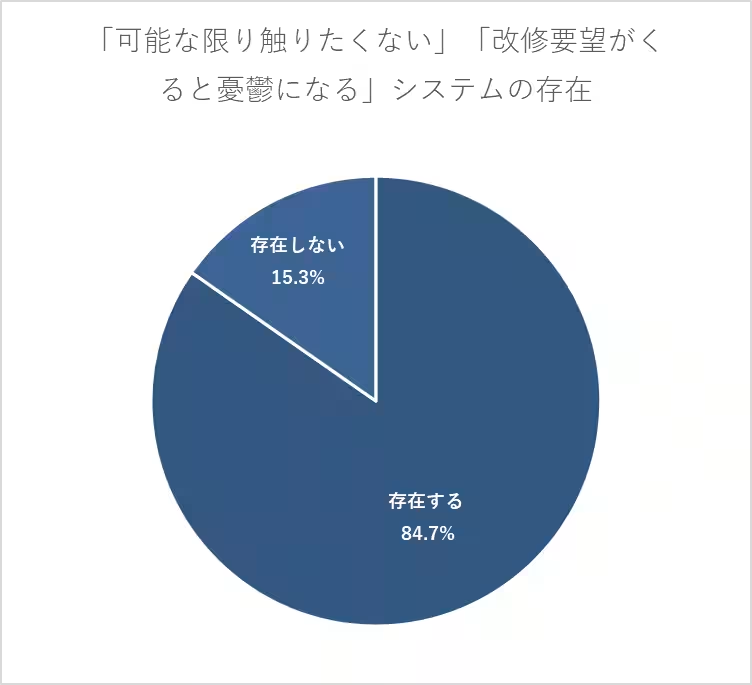
In a time where digital transformation is critical for organizations, a recent survey conducted by NTT Data Business Brains highlights a distressing reality: 84.7% of IT professionals are burdened by legacy systems they prefer to avoid at all costs. This issue, termed as the "2025 cliff" by the Ministry of Economy, Trade and Industry, underscores the urgent need for modernizing systems.
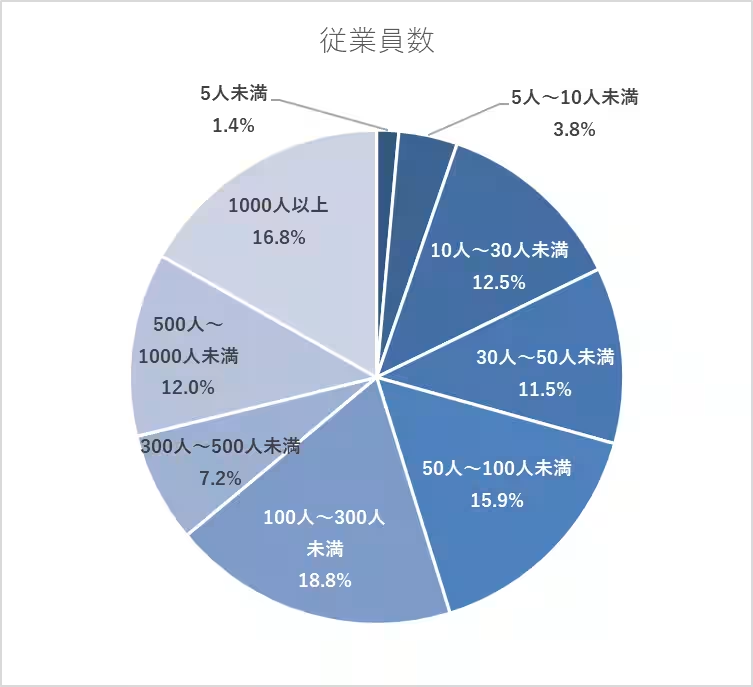
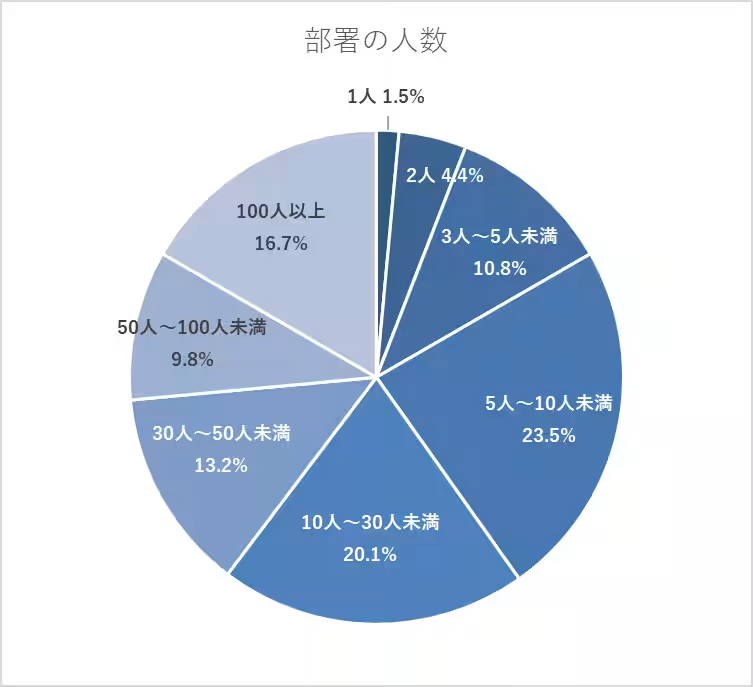
The survey, involving 221 professionals in IT departments, sheds light on the enervating situation these teams face. When asked about the existence of systems they dread working on, an overwhelming majority admitted that they feel anxious or reluctant to engage with certain systems, identifying significant structural issues rooted in these legacy systems.
Structural Problems with Legacy Systems
IT professionals shared that these systems often suffer from what is colloquially referred to as 'spaghetti code', a result of years of piecemeal modifications. This results in intricate dependencies where even minor alterations can lead to unforeseen malfunctions in completely unrelated functions. Such unpredictability increases the psychological stress among staff tasked with maintaining these systems.
Documentation Discrepancies
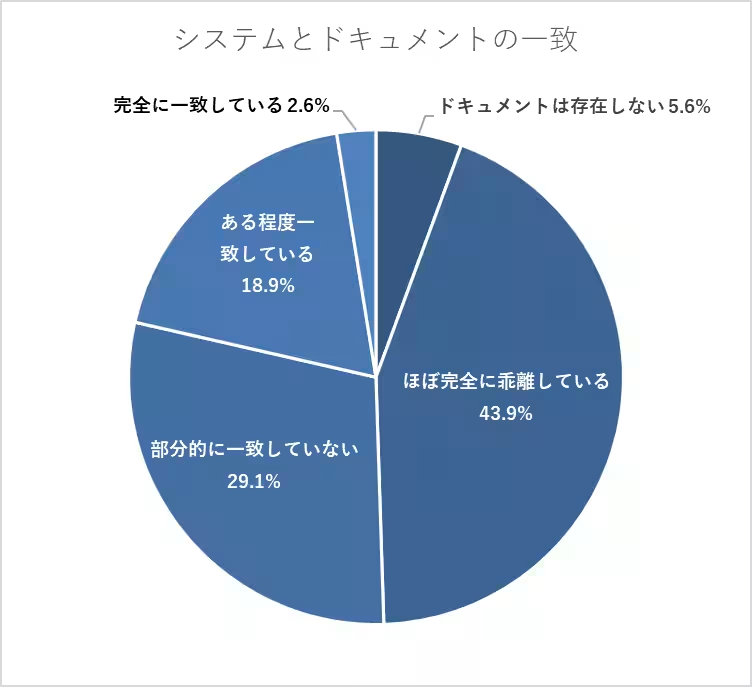
Another alarming statistic shows that almost half of the respondents indicated a severe mismatch between system documentation and actual programming. Specifically, 43.9% stated that their documentation was nearly completely disconnected from actual functioning systems, while 5.6% reported that no documentation existed at all. This 'black box' scenario requires IT teams to reverse-engineer code line-by-line, creating an environment riddled with complications and discouragement.
Risks of Employee Turnover
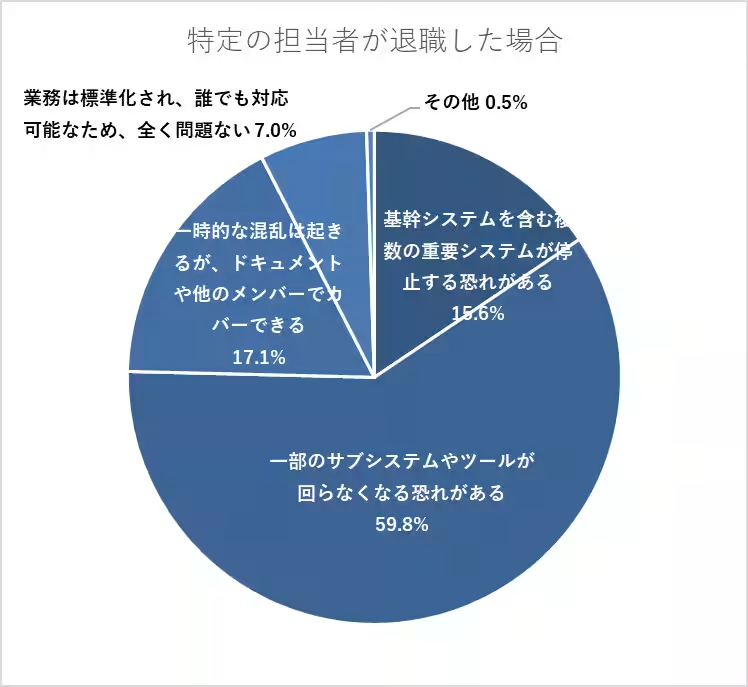
The survey also highlighted the risks associated with employee turnover in relation to legacy systems. If a veteran employee were to depart suddenly, 59.8% of respondents feared certain subsystems might fail, while 15.6% expressed concerns over several critical systems shutting down. This dependency on specific individuals raises red flags about the stability and reliability of an organization’s IT infrastructure.
Career Concerns and Skill Atrophy
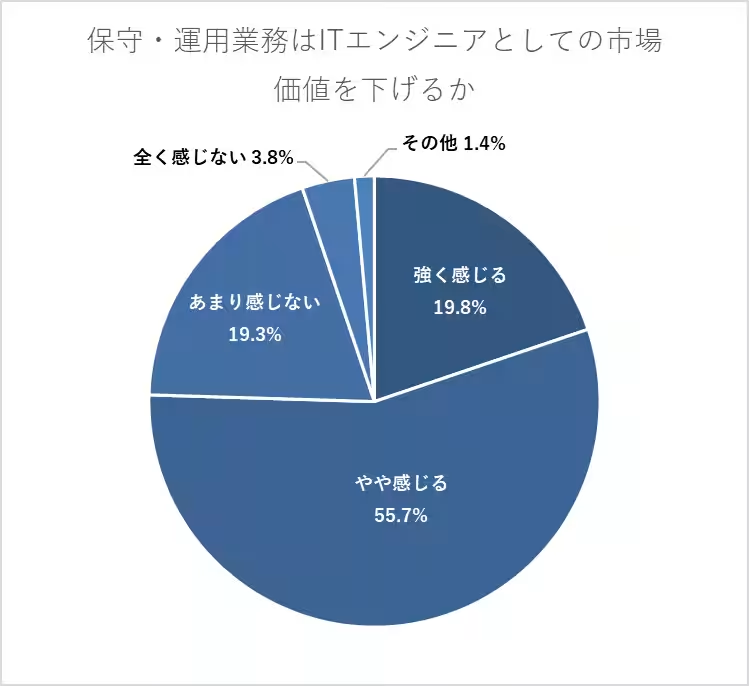
When it comes to job satisfaction, a staggering 75.5% of participants felt that maintaining existing systems decreases their market value as IT professionals. They are eager to learn new technologies, but the reality of managing outdated systems stifles their growth. With a focus primarily on legacy systems, many fear being left behind in a rapidly evolving industry.
An Increase in Manual Effort
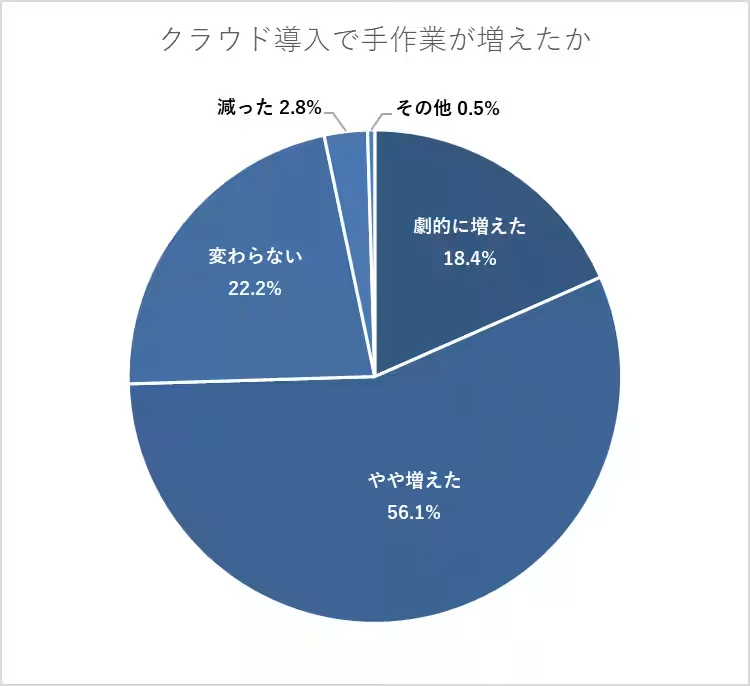
The migration to cloud systems has ironically led to an increase in manual labor among IT departments. Over 74% of respondents indicated that integrating new SaaS solutions with existing legacy systems resulted in more manual tasks, such as downloading and processing CSV files for older systems due to a lack of compatible APIs.
Challenges in System Recovery
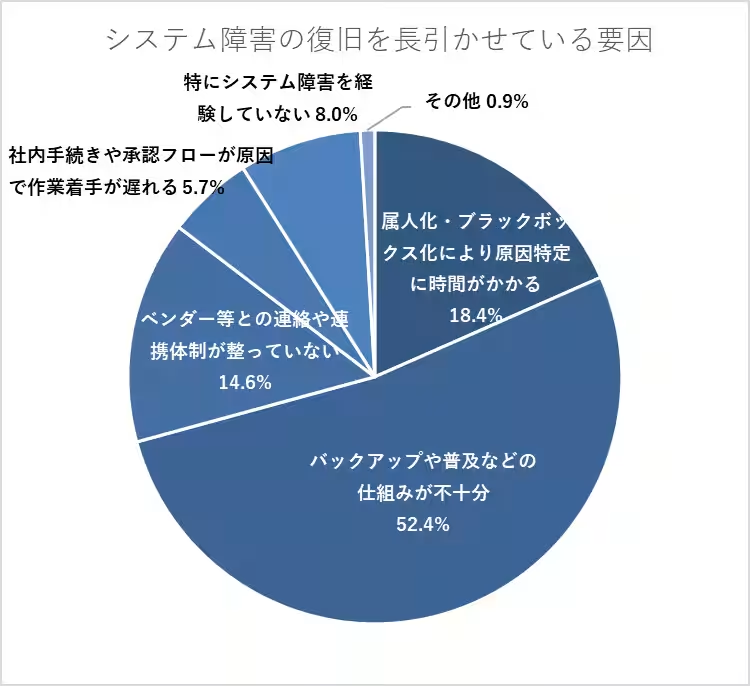
Respondents identified that the inadequate backup and recovery systems significantly prolong recovery times during system failures. A staggering 52.4% pinpointed insufficient recovery infrastructure as a primary hindrance, alongside complications caused by a lack of documentation.
The Cost of Weekend and Night Work
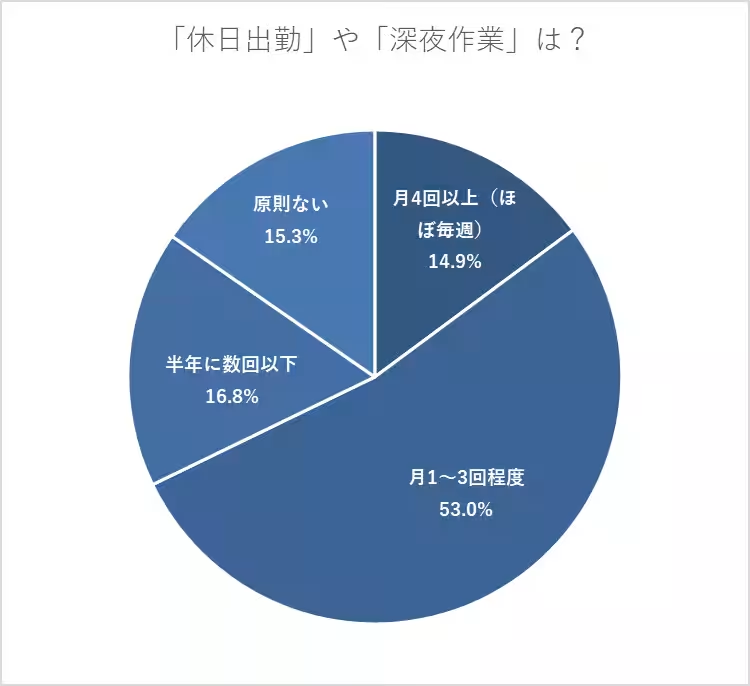
Moreover, about 67.9% of IT professionals reported needing to work overtime, especially during weekends and late at night, due to operational pressures associated with maintaining legacy systems. This trend further compounds the ongoing physical and psychological stress faced by these personnel.
Finding Hope Amidst Challenges
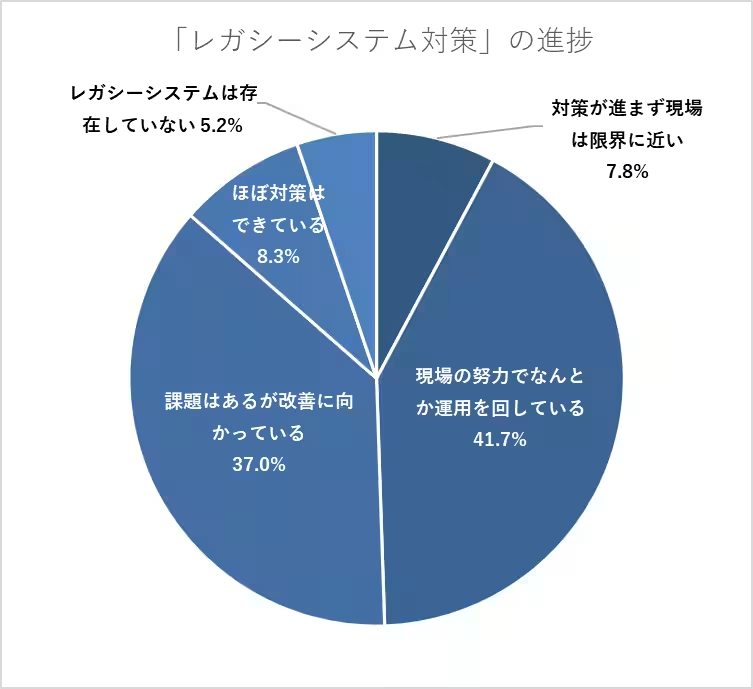
Finally, when asked about progress in addressing legacy system issues, 41.7% of respondents noted that they are merely managing to keep systems running through sheer effort, with only 7.5% claiming substantial progress. Although the concept of the "2025 cliff" has begun to penetrate corporate dialogue, the reality for most IT teams remains rooted in makeshift measures rather than comprehensive solutions.
Conclusion
This survey illustrates that the legacy system issue extends beyond being a mere technical debt. It significantly jeopardizes the psychological safety of staff while elevating practical fatigue. As dedicated personnel strive to maintain these outdated systems, often at their own expense, a critical call for systemic change emerges.
To address this, leadership must view IT infrastructure renewal not merely as a cost, but as vital for business continuity. Embracing a transformative strategy by eliminating redundant systems and transitioning to modern cloud solutions is imperative, ensuring IT teams can focus on progressive, rather than merely maintenance tasks.


Topics Other)




【About Using Articles】
You can freely use the title and article content by linking to the page where the article is posted.
※ Images cannot be used.
【About Links】
Links are free to use.