



Okayama University Celebrates Five Years of Progress in COVID-19 Aftercare Clinic Addressing Long-Term Effects
Okayama University Marks Five Years of COVID-19 Aftercare
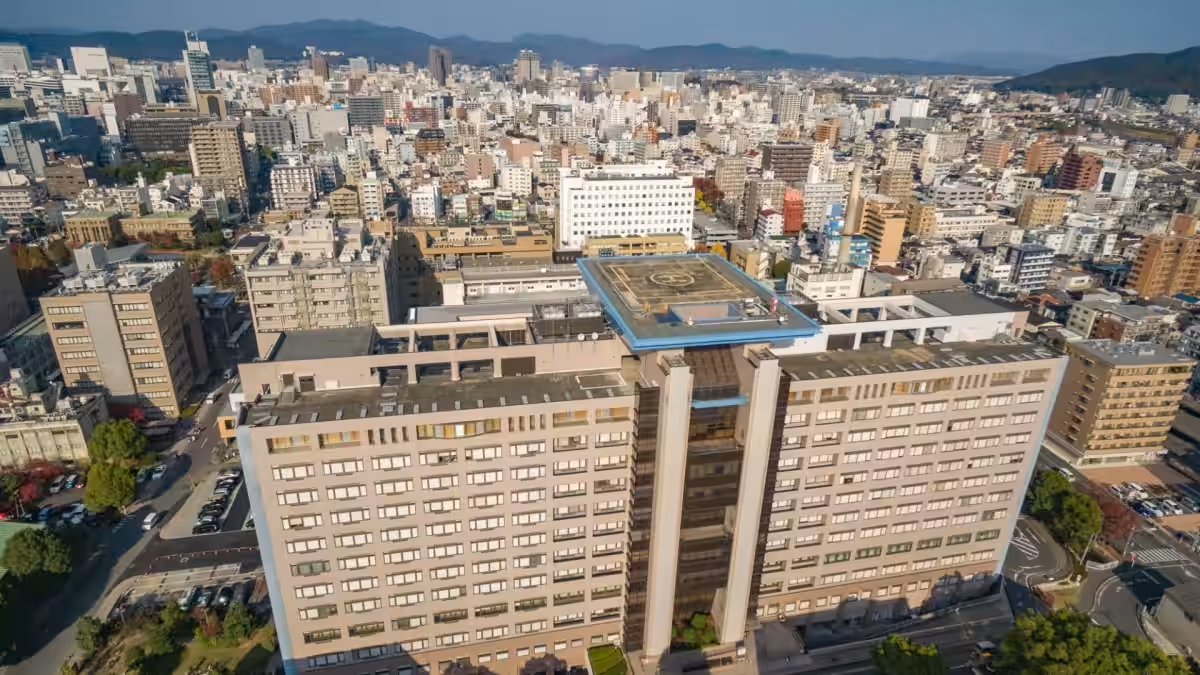
In February 2026, Okayama University Hospital's COVID-19 Aftercare Clinic reached a significant milestone, celebrating five years of operation since its launch as one of the first in Japan. Established during the height of the acute phase of the COVID-19 pandemic, the clinic has been instrumental in addressing long-term effects of the virus, known commonly as long COVID.
Milestone Achieved: 1,300 Patients Treated
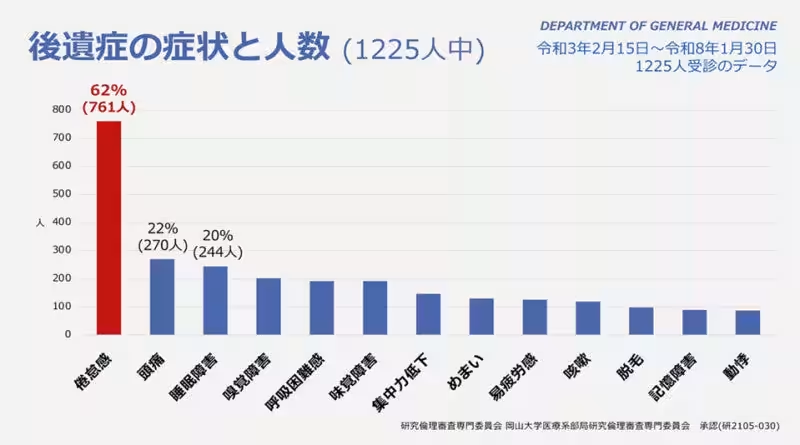
Since its inception, the clinic has treated approximately 1,300 patients, providing valuable insights into the diverse symptoms and complications arising from COVID-19. The clinic’s multidisciplinary team has engaged in meticulous data collection and research, leading to a clearer understanding of long COVID's manifestations, risk factors, and potential prognoses.
Among the findings is a notable correlation between long COVID and conditions such as Myalgic Encephalomyelitis/Chronic Fatigue Syndrome (ME/CFS) and Postural Orthostatic Tachycardia Syndrome (POTS). By utilizing oxidative stress markers as diagnostic tools, clinicians have gained a deeper understanding of the underlying pathophysiology affecting patients.
Collaborative Network for Ongoing Challenges
Despite significant progress, cases of prolonged symptoms have emerged, prompting the clinic to maintain communication with external aftercare centers. This collaborative approach allows the sharing of insights and improves patient care across regions. The comprehensive nature of the clinic is rooted in a model that combines general practice with specialist consultations, thereby effectively addressing complex, multi-system symptoms that cannot be simplified to individual organ issues.
A Message from Professor Fumio Otsuka
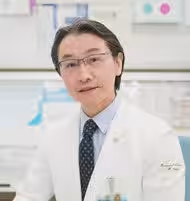
Professor Fumio Otsuka, head of the General Internal Medicine Department, reflects on the past five years of care and research. He emphasizes the importance of facing the holistic experiences of patients dealing with long COVID. Many report feelings of isolation not only due to their health issues but also from a lack of understanding from family and colleagues.
Otsuka conveys that COVID-19 aftercare cannot merely focus on biological healing. The intertwining of physical, psychological, and social factors means that compassionate, patient-centered care is paramount for successful outcomes. His approach advocates for walking alongside patients in their recovery journey, ensuring they are not overlooked or marginalized.
Conclusion and Future Outlook
The first five years of the COVID-19 Aftercare Clinic have highlighted the necessity for continuous research and patient support strategies. As long COVID persists as a significant public health issue, the findings and experiences from Okayama University's clinic will shape future medical practices in this area. The integration of research findings back into patient care exemplifies an ongoing commitment to enhance health outcomes for those affected by long COVID.
For further information and detailed research findings, the full report can be accessed through Okayama University’s official channels.
- ---
Topics Health)
【About Using Articles】
You can freely use the title and article content by linking to the page where the article is posted.
※ Images cannot be used.
【About Links】
Links are free to use.