


The Success of Humanoid Hack Tokyo 2: Innovations in Robotics and AI
Recap of the Event: Humanoid Hack Tokyo 2
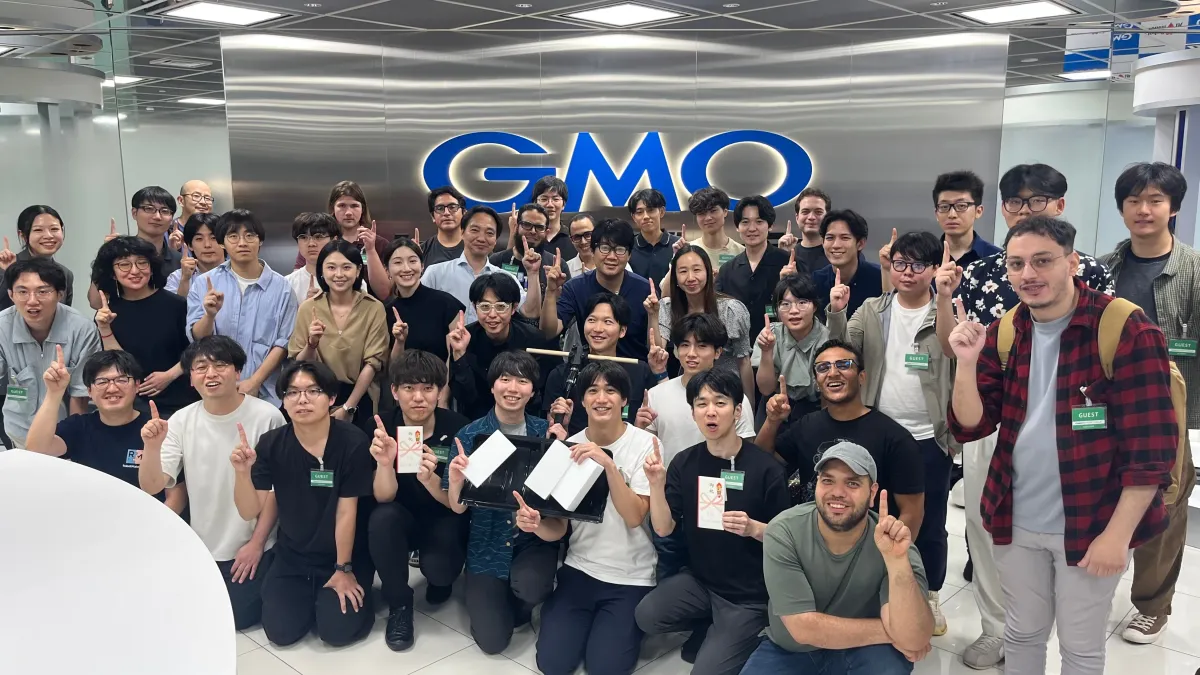
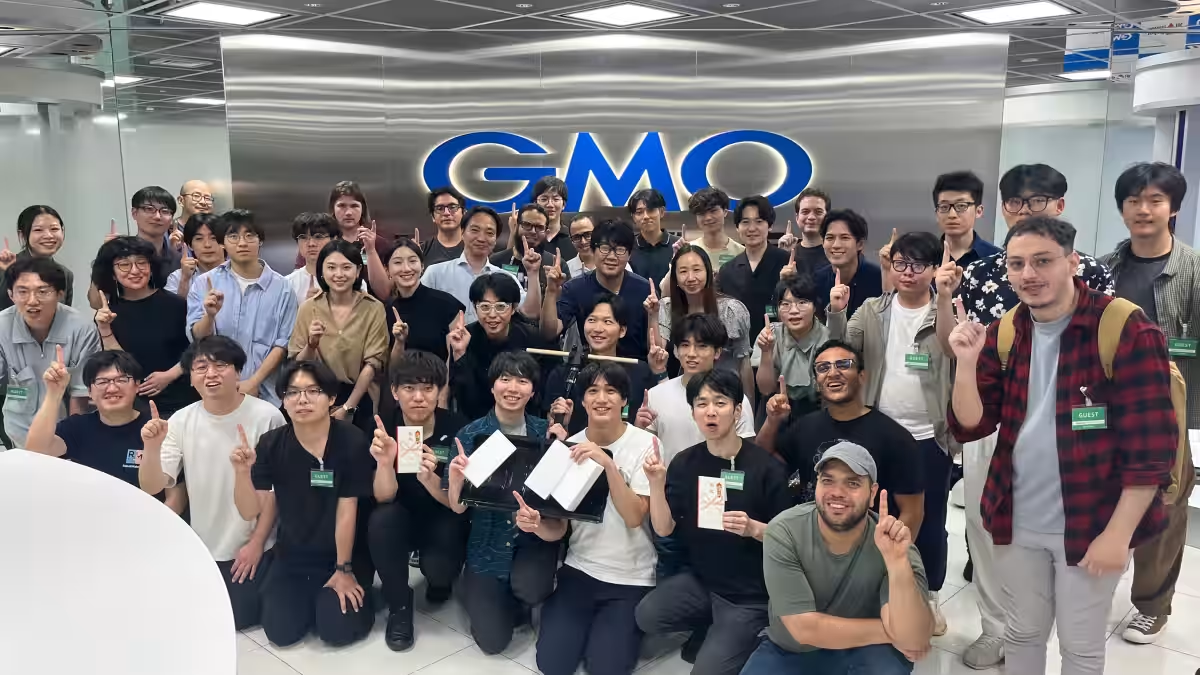
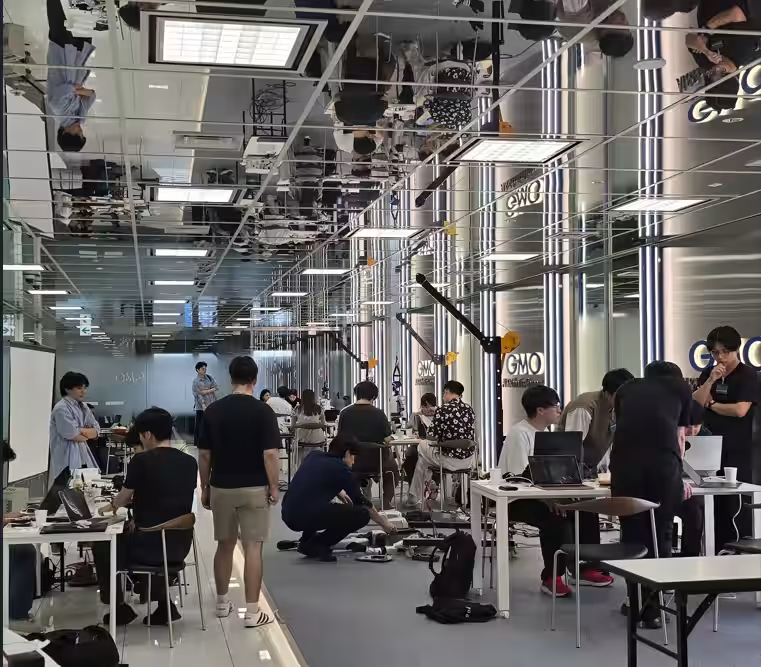
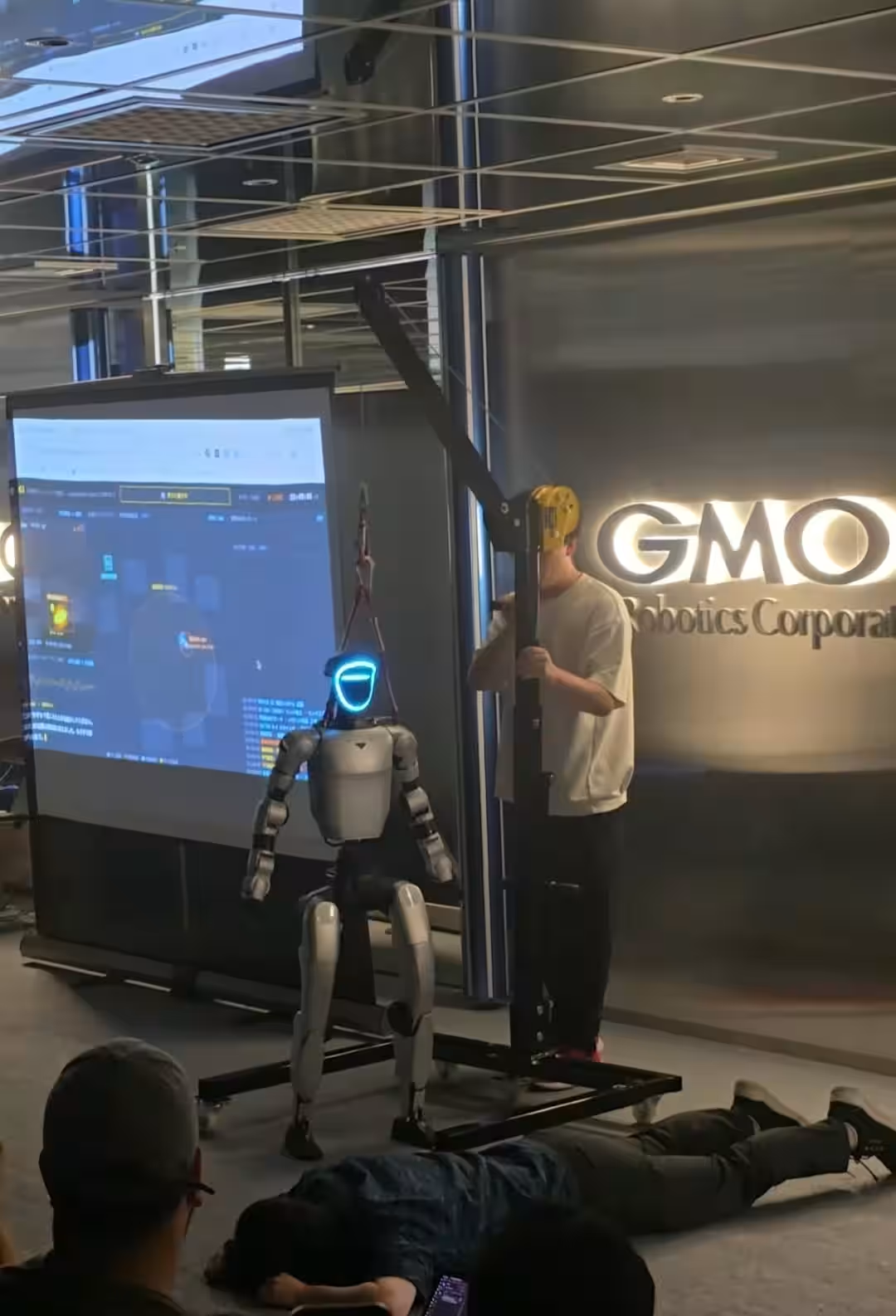
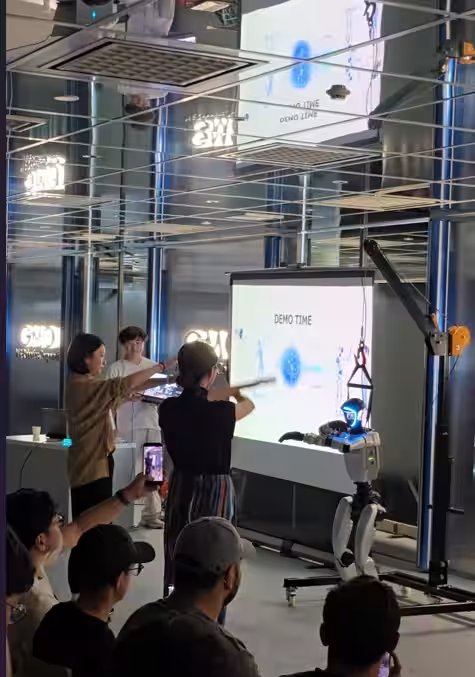
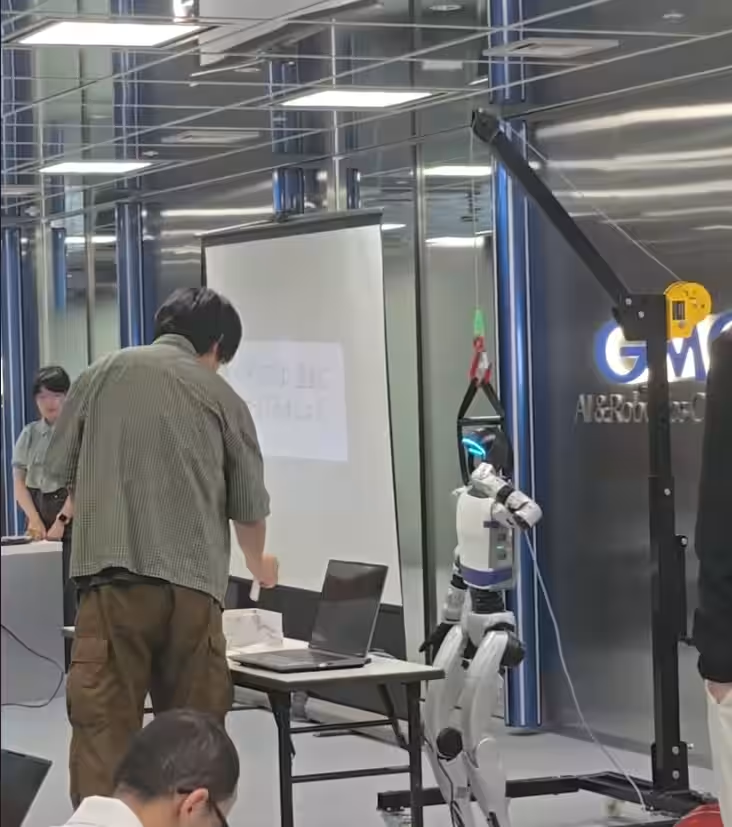
Humanoid Hack Tokyo 2 has set a new benchmark for robotic innovation and design. Over the course of two days, participants gathered at the "GMO Humanoid Lab Shibuya Showroom" in Tokyo, showcasing their ingenuity while tackling pressing societal challenges through AI-based humanoid solutions. This edition saw an astoundingly robust turnout, with 236 pre-registrations, a number exceeding that of the inaugural event.
Event Overview
Hosted jointly by Orboh-Japan LLC and RobotMateHub, and sponsored by GMO AI & Robotics Corporation, the event ran from July 11 to 12, 2026. The venue was buzzing with excitement as 6 talented teams, comprising 24 developers—selected from 19 applicants—set out to compete. This year, about 70% of the participating hackers hailed from overseas, illustrating the international appeal and collaborative spirit of robotics today.
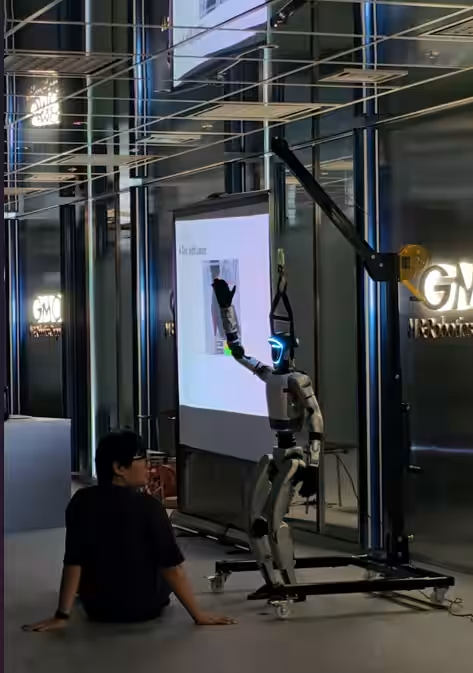
The teams had access to three units of the Unitree G1, a cutting-edge bipedal humanoid robot with 29 degrees of freedom, during the hackathon. Each team utilized this technology in various innovative prototypes focused on social issues. Notably, four out of the six teams concentrated on challenges related to elderly care and disaster response.
Awards and Innovations
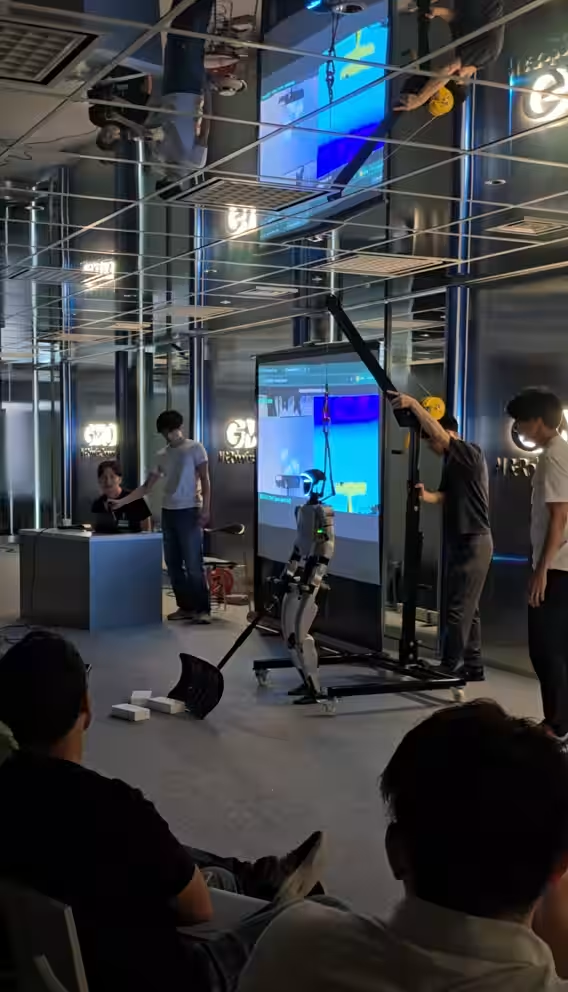
Two standout teams earned the top honors during the event. The Best Innovation Award went to "Rescue G1", whose robot successfully navigated simulated debris to locate disaster victims using image recognition, demonstrating an effective rescue support model. The Runner-Up Award was claimed by "Snow Guard", which showcased a humanoid snow removal assistant, effectively employing classical control and 3D-printed components for a much-needed solution in snow-dense regions.
The Event Flow
- - Day One (July 11): Kicking off with an introduction to the rules and a tutorial on Unitree G1's operational capabilities, the teams dove into development, working tirelessly from noon to 10 PM to create their projects.
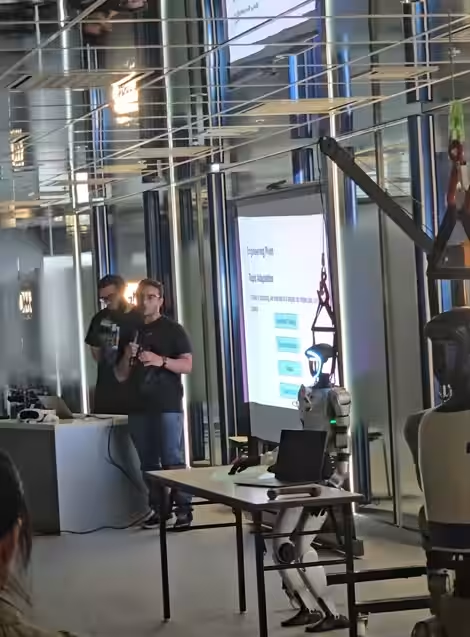
- - Day Two (July 12): The teams presented their final products in a demo session that culminated in a grand judging and awards ceremony.
Participating Teams and Their Projects
Several innovative ideas emerged from this year’s competition:
- - "G1 Mimamori Copilot": Aimed at supporting nursing facilities, it detects signs of falls, sending alerts to caregivers.
- - "Spark": This team worked on a voice-activated assistant designed to help seniors by organizing their immediate surroundings.
- - "MotionLink": Inspired by fitness, this project featured G1 leading exercise routines and providing tailored feedback to participants.
- - "Robot Gogogo": This unique concept involved an AI luck fortune-teller that utilized sentiment analysis to help users express their feelings creatively.
Judges and Organizers
Experts from the robotic industry served as judges, including representatives from Unitree Robotics, GMO AI & Robotics, and RobotMateHub. Orboh CEO, Sota Miyajima, expressed enthusiasm for the heightened participation and diverse topics tackled by competitors. He noted the vast potential and avenues in humanoid robotics that encourage creativity and community engagement.
Community Impact and Future Aspirations
As emphasized by co-organizer Rikiya Yamamoto, the event wasn’t merely about the robots but also highlighted the creativity of the developers. Constructing a supportive ecosystem for these innovators is pivotal for advancing the field further. The community aims to continue providing opportunities for collaboration while expanding the reach of humanoid robotics beyond Japan's borders.
Conclusion
Humanoid Hack Tokyo 2 exemplified the spirit of innovation and collaboration within the robotics community. It offered a platform for budding talents to not only showcase their abilities but pave the way for future problem-solving that will enhance societal well-being. Moving forward, the organizers are optimistic about the event's growth, aspiring to host even larger editions that ripple through global stages.


Topics Entertainment & Media)



【About Using Articles】
You can freely use the title and article content by linking to the page where the article is posted.
※ Images cannot be used.
【About Links】
Links are free to use.