



Understanding Household Responsibilities: Women's Burden and Time-Saving Strategies in Family Care
Exploring Household Responsibilities and Their Management
In Japan, a recent study conducted by Cross Marketing has shed light on the distribution of household responsibilities and the pressures women face. The Household Work Survey involved 3,000 participants aged 18 to 79, aiming to analyze lifestyle trends and attitudes towards domestic chores.
Key Findings of the Survey
Division of Labor in Households
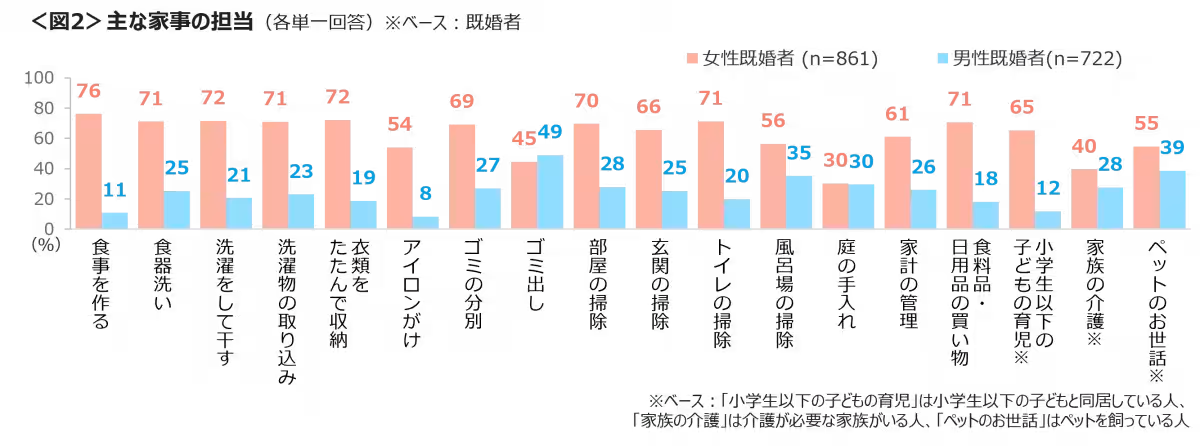
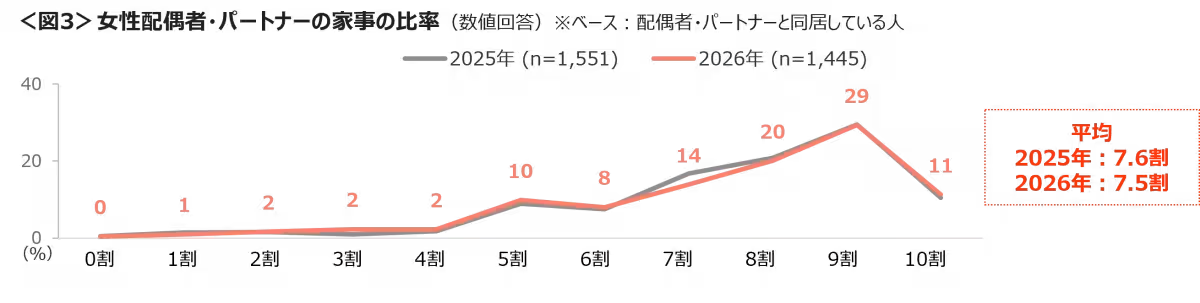
The research revealed that women are disproportionately responsible for household tasks, managing an average of 75% of the chores. This theme is persistent across various demographics. While tasks like garbage disposal and garden maintenance showed a more equal division among genders, the remaining chores overwhelmingly fell to women, with 60-70% of household duties identified as their responsibility.
The Perspective of Partners on Household Contributions
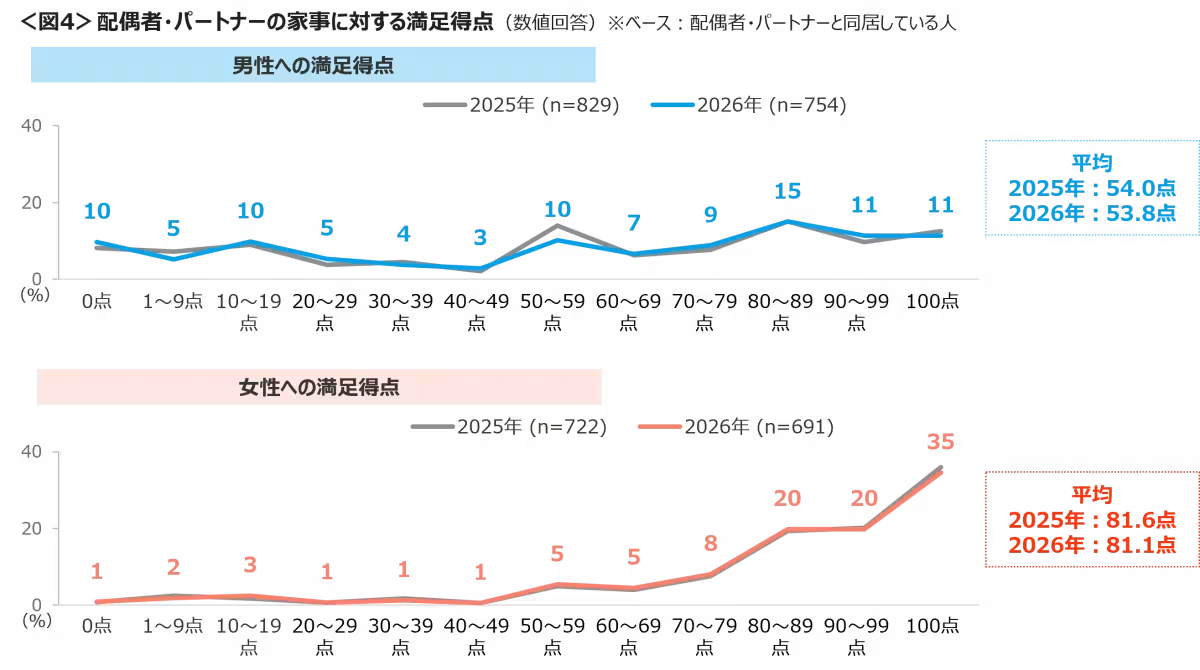
When evaluating the perceived contributions of partners, women rated their male counterparts' involvement at 54 out of 100, indicating a certain level of dissatisfaction. In contrast, men rated women's contributions significantly higher at 81 points, with 75% giving scores above 80. This disparity highlights differing perceptions regarding contribution and effort in household management.
Strategies for Reducing Household Burden
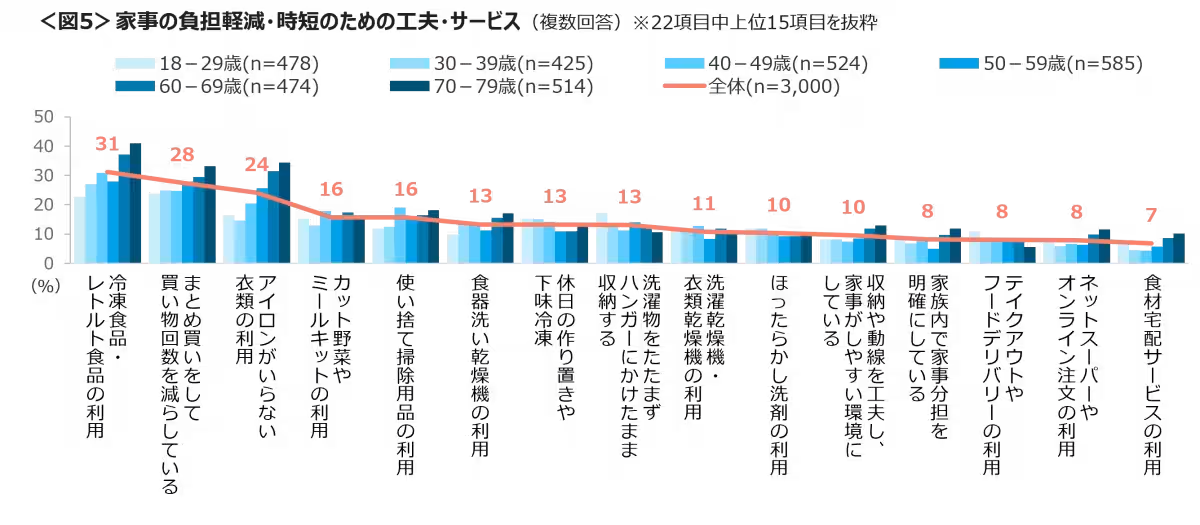
As the survey asked participants how they alleviate the burden of housework, several effective strategies emerged:
- - Utilization of Frozen and Ready-to-Eat Foods: Many women cited these as essential in reducing cooking time and effort.
- - Bulk Shopping: Engaging in shopping once for multiple meals aims to cut down supermarket visits.
- - Iron-Free Clothing: Clothes that require no ironing were noted as popular, particularly among age groups who often handle more domestic chores.
These time-saving methods are increasingly adopted, particularly among older respondents.
Desired Lifestyle Characteristics
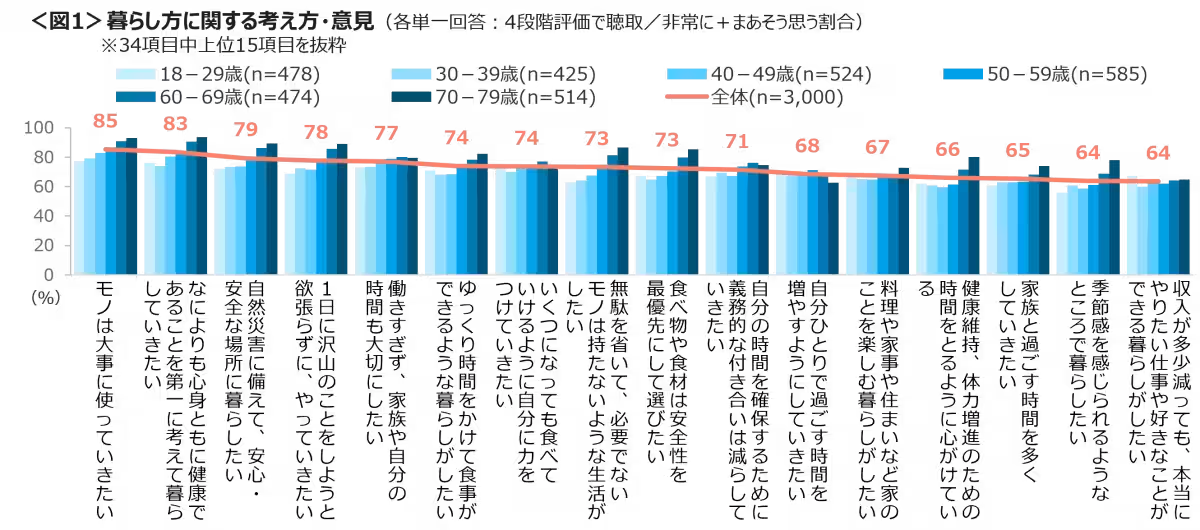
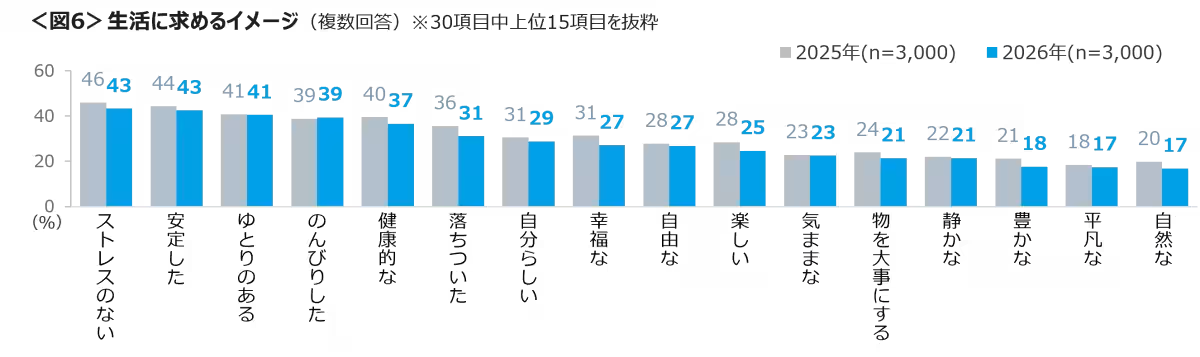
Participants were also queried about their ideal living conditions. A significant percentage expressed desires for a life free of stress (43%), stable (43%), and relaxed (41%). These findings indicate that while women manage the majority of household duties, there remains a communal yearning for quality of life improvements and stress reduction strategies.
Overview and Suggestions for Improvement
The Cross Marketing report highlights the persistent gender imbalance in household tasks and the urgent need for an equitable distribution of responsibilities. As families evaluate their dynamics, acknowledging and addressing these disparities is paramount to improve overall household satisfaction.
A collaborative approach involving better dialogue about chores and a more equitable sharing of tasks could potentially contribute to enhanced family relationships and individual well-being. Addressing these issues not only benefits women but strengthens family unity and contributes to a healthier community overall.
Conclusion
The findings indicate an ongoing challenge in Japan regarding the distribution of household responsibilities, predominantly burdening women. Addressing this issue requires not only awareness but also actionable changes that can facilitate a more equal distribution of household tasks. Future initiatives aimed at creating balance within domestic roles are essential for paving the way towards a more equitable society.
In conclusion, as families navigate the complexities of modern life, fostering openness in discussions about household responsibilities could serve as a crucial step towards alleviating burdens and enhancing satisfaction across the board.
Topics People & Culture)
【About Using Articles】
You can freely use the title and article content by linking to the page where the article is posted.
※ Images cannot be used.
【About Links】
Links are free to use.