



Safe Pickup of Expanding Lithium-ion Batteries in Tokyo's Tama Region
Ensuring Safety: Expanding Lithium-Ion Battery Disposal in the Tama Region
As the rainy season ends in July, many residents in the Tama region are taking advantage of the warm weather to clean out their homes, storage spaces, and garages. This time of year often reveals long-forgotten items, including swollen mobile batteries and various lithium-ion batteries from laptops and electric bicycles. This trend is particularly observed in cities like Tachikawa, Hachioji, and Machida, where many homes feature garages and storage that may contain unwanted or potentially hazardous materials.
In addition to residents rearranging their homes, students living alone also need to manage their electronic waste, often discovering multiple batteries such as mobile, laptop, and smartphone batteries that have been sitting in drawers for too long. Businesses, too, are facing a surge in the volume of discarded rechargeable batteries, often from outdated laptops, tablets, and power tools as they arrange their tools and equipment during summer cleanups.
However, disposing of lithium-ion batteries isn't simple. Many municipalities classify them as hazardous waste, making it difficult for residents to simply throw them away, leading to cases where residents hold onto them out of fear for safety or uncertainty about how to dispose of them. Reports from local waste centers that refuse to accept swollen batteries are common, and residents often find themselves confused about where to safely take these items.
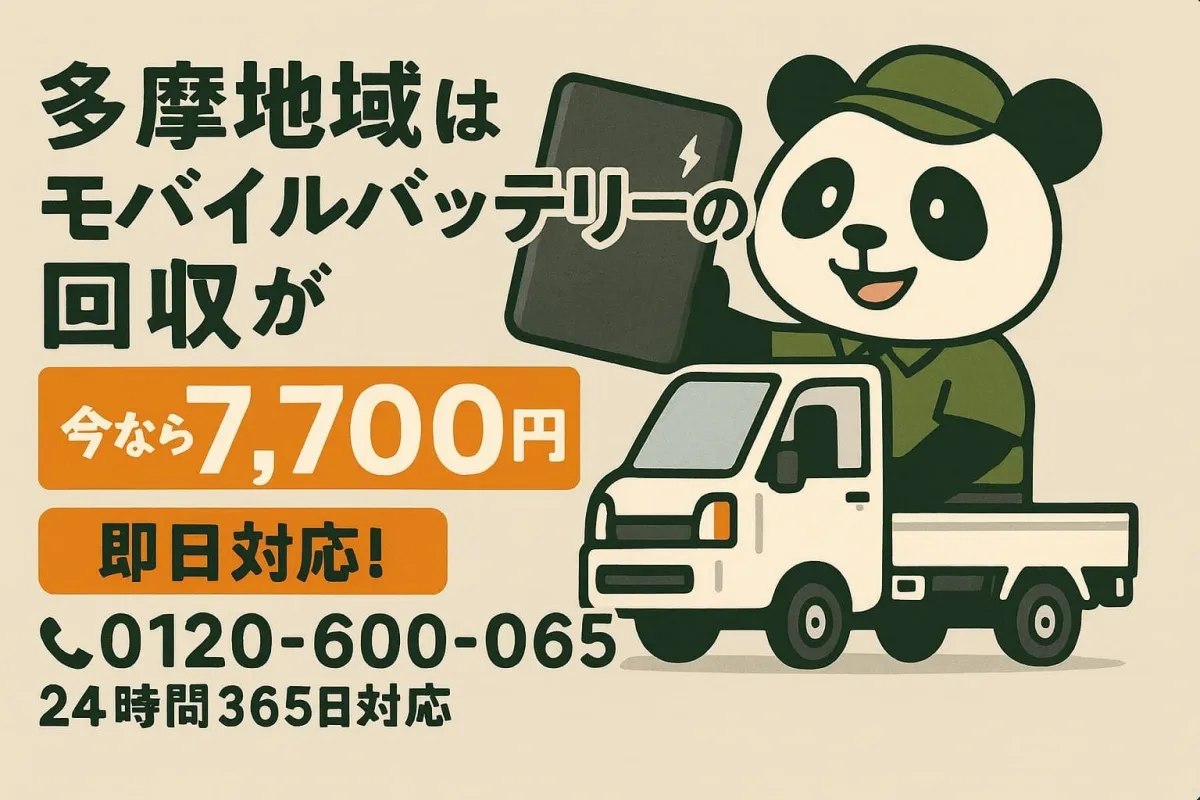
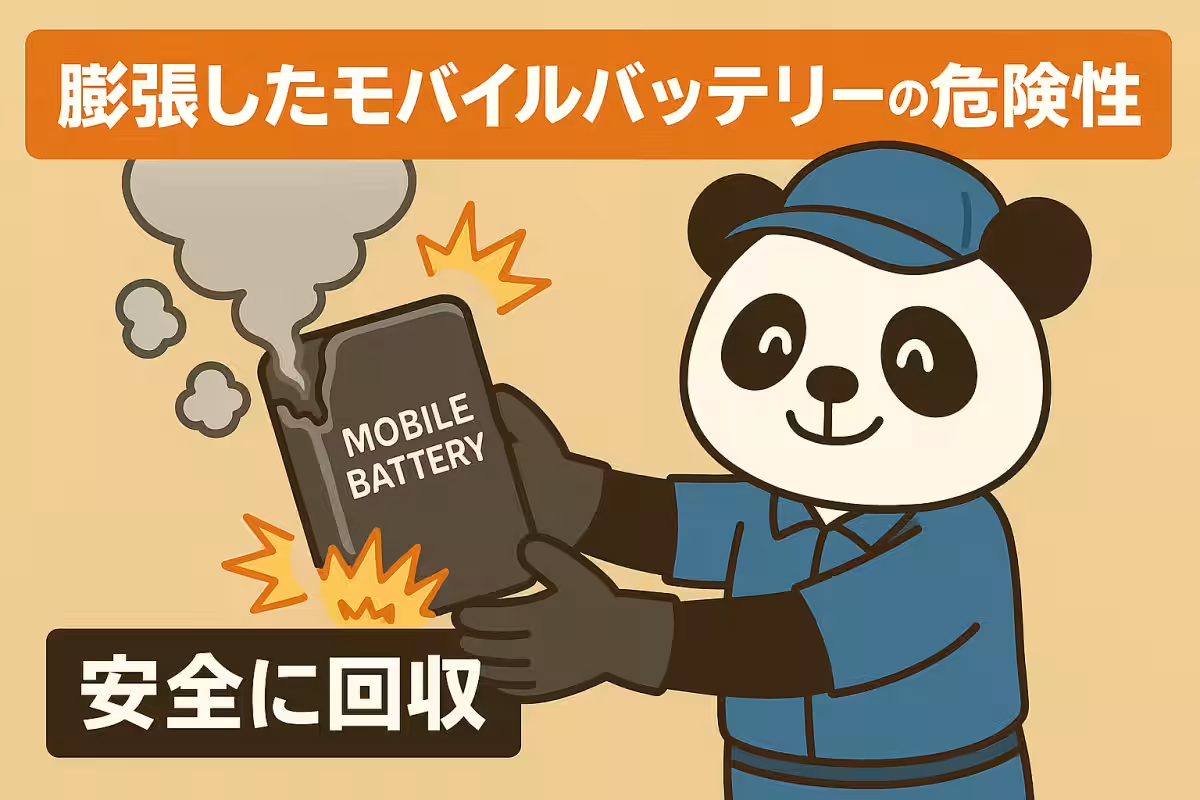
Recognizing this growing challenge, the waste removal service Marutto Honpo, operated by SYSTR, has stepped in to offer a solution. Throughout July, they will provide safe pickup services for swollen lithium-ion batteries in the Tama region. This involves a thorough compliance with safety regulations and proper protocols for handling hazardous materials, ensuring that the risks associated with these batteries—such as the potential for fire—are minimized.
Background and Purpose
As residents tidy their homes and reevaluate their storage solutions during this time, and as businesses navigate audits and equipment upgrades, the number of consultations regarding lithium-ion battery disposal is steadily increasing.
In the Tama area, the risk of encountering degraded or swollen batteries rises significantly as families begin their summer cleaning routines. Specifically, in cities like Tachikawa and Hachioji, the cleaning and sorting of items often lead to forgotten batteries emerging from storage spaces. Many residents are concerned about the safety hazards that these batteries represent, especially with heat resulting from summer temperatures exacerbating the risk of swelling and explosion.
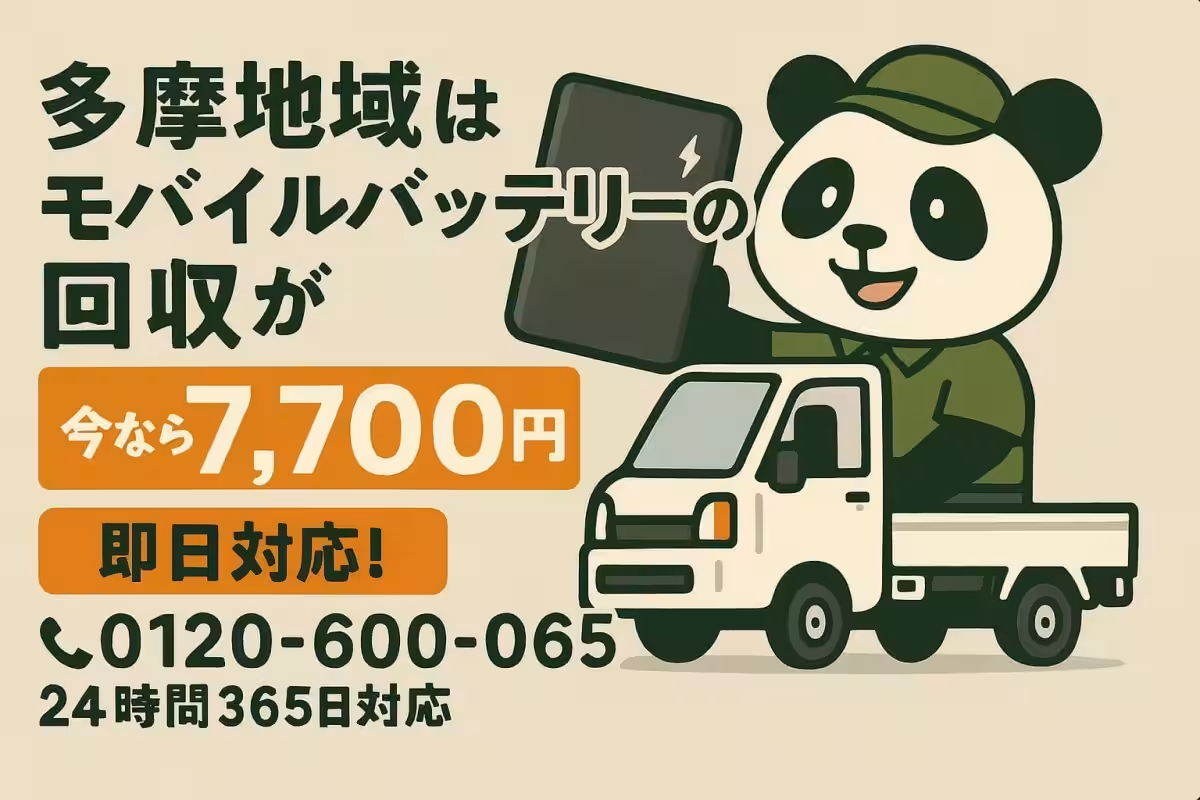
The rise in battery disposal inquiries demonstrates a need for specialized services that understand these risks and provide safe collection options. With the implementation of Marutto Honpo's campaign for July, residents can safely have their batteries removed for a fee, providing peace of mind against potential hazards. Residents are encouraged to utilize this service, which includes a flat rate of 7,700 yen for the first battery and 3,300 yen for additional batteries thereafter.
Campaign Details
The lithium-ion battery collection service is not just limited to batteries from mobile and laptop devices; it also encompasses various types of batteries from electric tools, thus catering to a wide range of disposal needs. With safe handling techniques and a professional approach, Marutto Honpo is committed to helping communities in the Tama region achieve a safer living environment.
Throughout July, efforts will be concentrated on regions where the need for safe battery disposal is critical. Residents living in single-family homes or those that operate a business with storage facilities are urged to check their premises for lingering batteries and utilize this campaign.
Local municipalities and their waste management services have lately faced feedback about the unsatisfactory treatment of battery disposal, which is why the involvement of private companies has been crucial in alleviating the disposing process. Marutto Honpo is committed to addressing safety concerns by collecting and responsibly discarding hazardous batteries from homes and businesses alike.
Conclusion
As July heats up and we head into peak summer conditions, the safety of managing lithium-ion batteries becomes increasingly important. Residents are reminded that neglecting battery disposal can pose risks, especially as they might unintentionally store defective batteries at home. It's the perfect time to reach out for professional assistance to ensure that these risks are mitigated.
If you have questions about battery disposal or need assistance, Marutto Honpo is here to help. Simply provide your location and any inquiry about the services, and you can get answers quickly via their dedicated response lines or online platforms.
Topics Other)

【About Using Articles】
You can freely use the title and article content by linking to the page where the article is posted.
※ Images cannot be used.
【About Links】
Links are free to use.