




Understanding the Value of Experience for Recent High School Graduates Entering the Workforce
Understanding Experience Value for High School Graduates in the Workforce
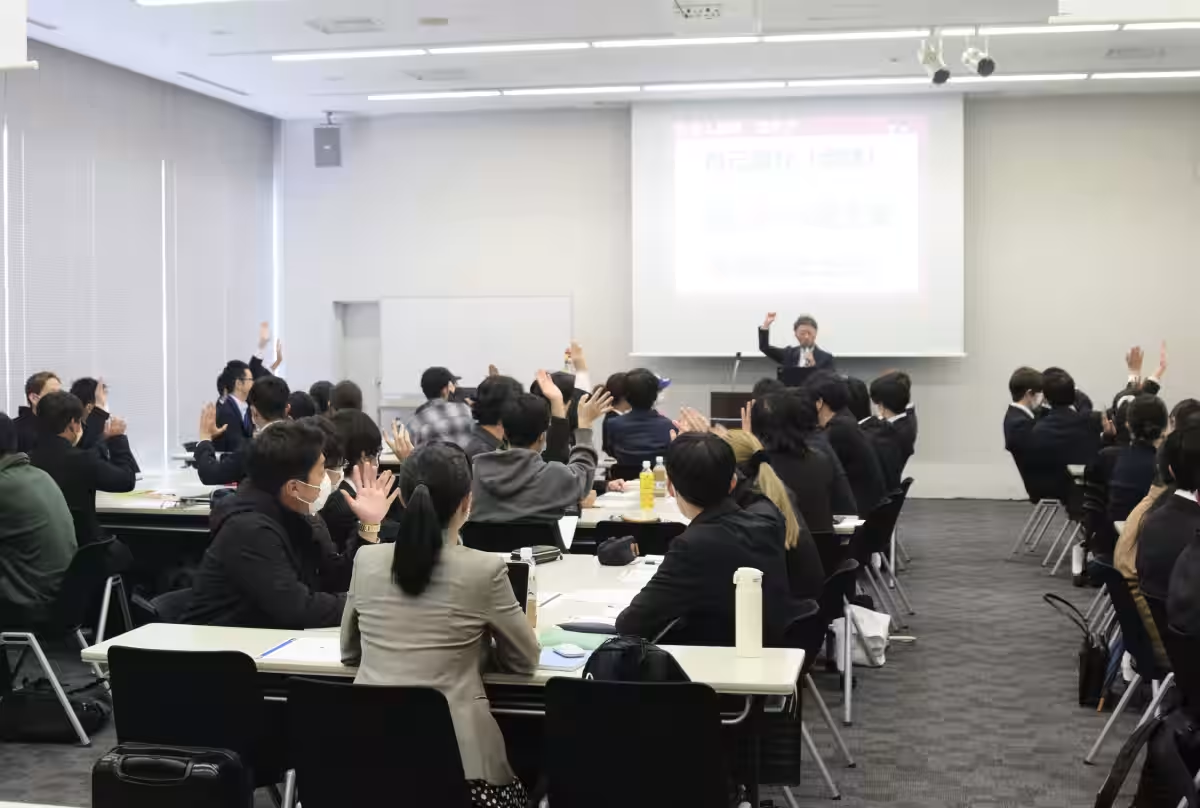
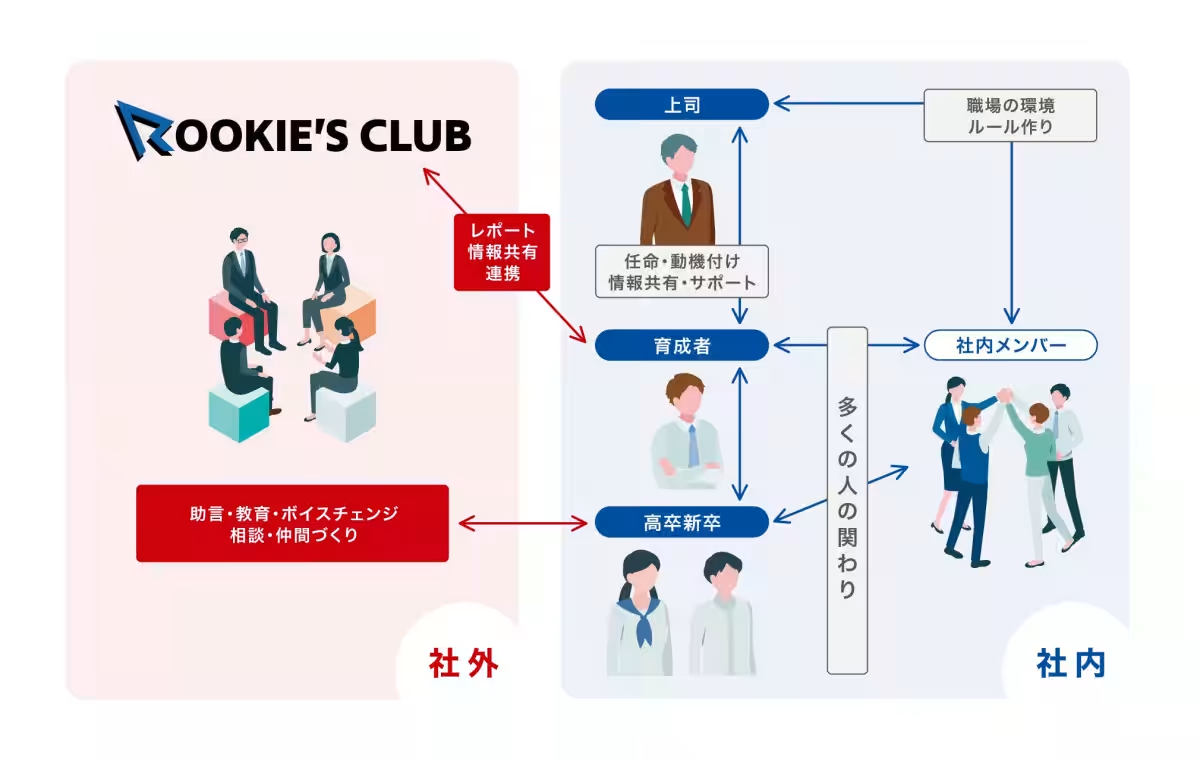
Recently, Jinjibu, an organization focused on job support for high school students based in Osaka, conducted a survey to understand the significance of 'experiential value' for new employees entering the workforce in April 2025. This survey was directed at participants of their training program, 'Rookie's Club,' designed to support the growth of high school graduates in their first year of employment. Each month, the program aims to facilitate a smooth transition into corporate life by nurturing essential skills and fostering a sense of community among peers.
Background of the Survey
The Ministry of Education, Culture, Sports, Science, and Technology in Japan has emphasized the value of experiential activities in building self-esteem and developing essential skills. However, a concerning trend has emerged: the disparity in experiences based on familial or community backgrounds can significantly affect the future career paths and aspirations of children. This 'experiential gap' underscores the importance of gaining valuable experience, particularly for young adults stepping into professional roles.
Rookie's Club offers a supportive environment for these young professionals to reflect on their work experiences through objective assessments and group activities. Over the course of the program, they can build a solid foundation for their career journey. The insights gathered from the survey aim to highlight how these experiences have influenced their growth within the first year of employment.
Survey Findings
1. Valuable Experiences During School
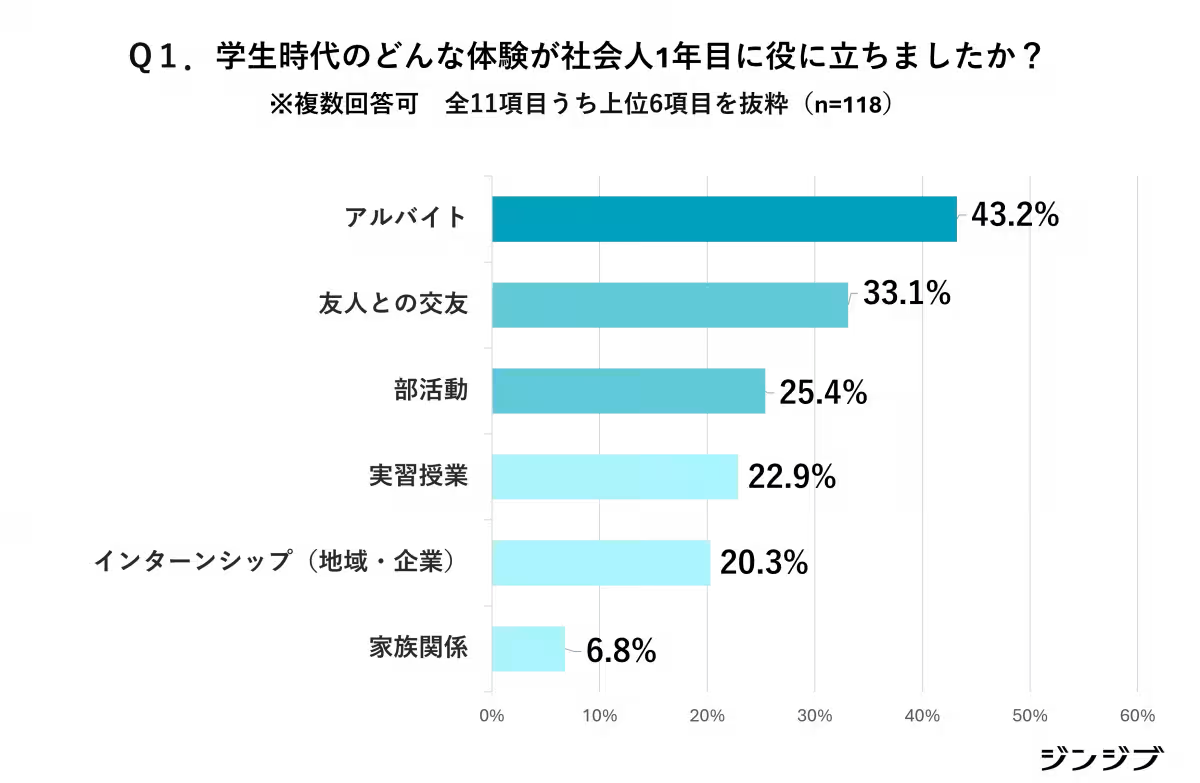
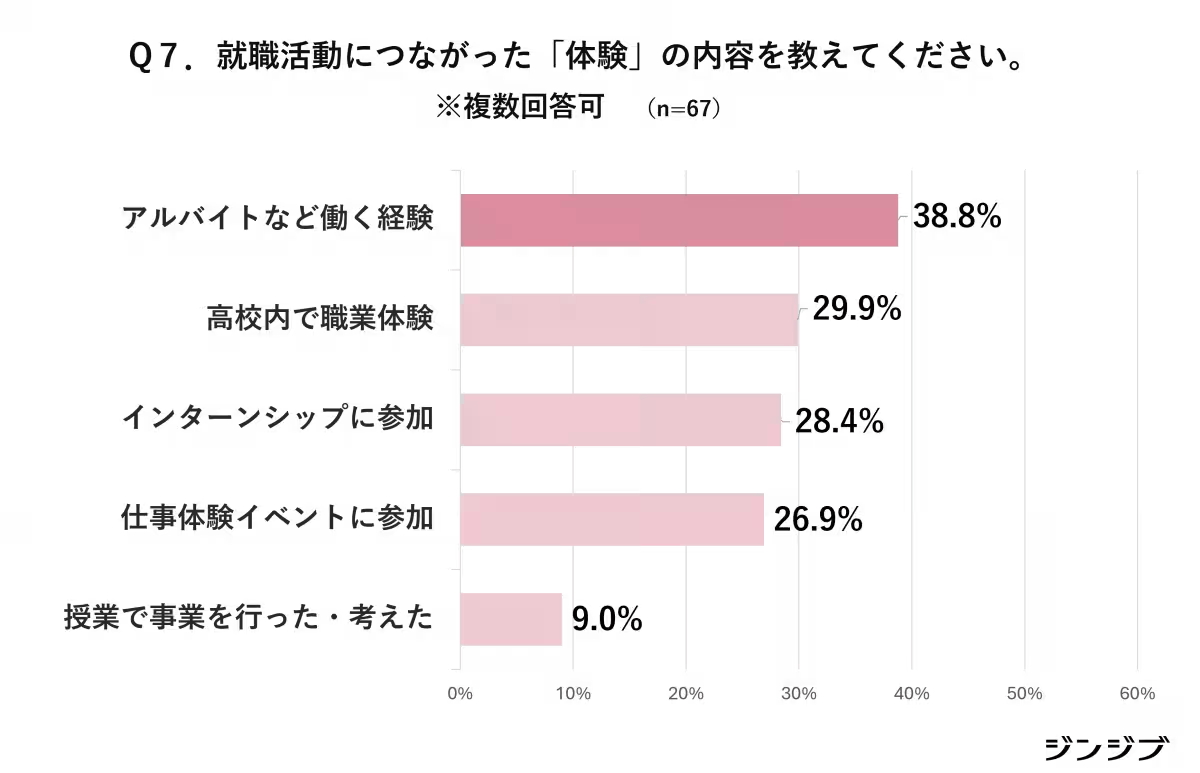
When asked which experiences during their schooling prepared them for their first year of work, respondents highlighted that work experiences, such as part-time jobs (43.2%), shaped their adaptability and interpersonal skills upon entering the job market. Friendships (33.1%) and participation in club activities (25.4%) also ranked highly, emphasizing the importance of collaborative and responsibility-laden environments. Internships and hands-on learning opportunities contributed significantly as well, indicating a blend of varied experiences enriches personal growth.
2. Workplace Experiences
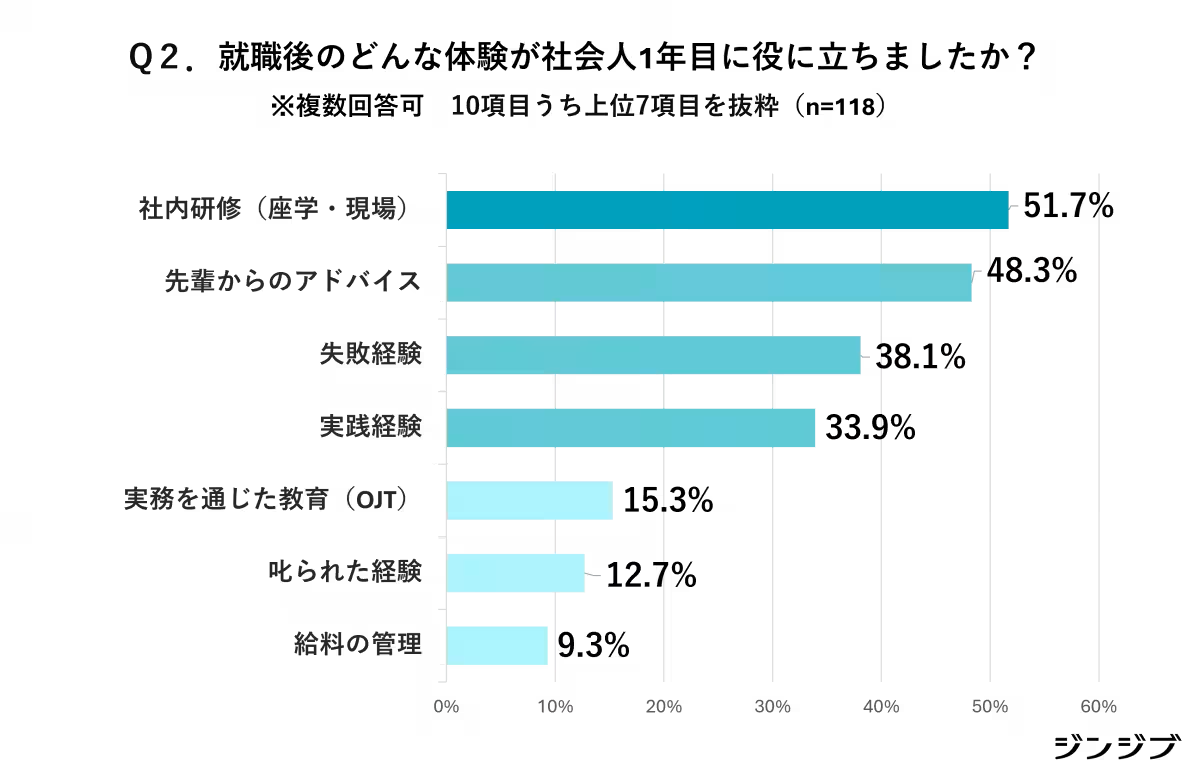
In terms of experiences after joining the workforce, internal training (51.7%) and receiving advice from seniors (48.3%) emerged as the most valuable. These findings illustrate that proper knowledge acquisition and mentorship from role models provide the essential support that eases their transition and promotes growth. Interestingly, the value of learning from mistakes (38.1%) surpassed practical experiences (33.9%), suggesting that the process of overcoming failure is crucial for meaningful development.
3. Importance of Experience in Learning
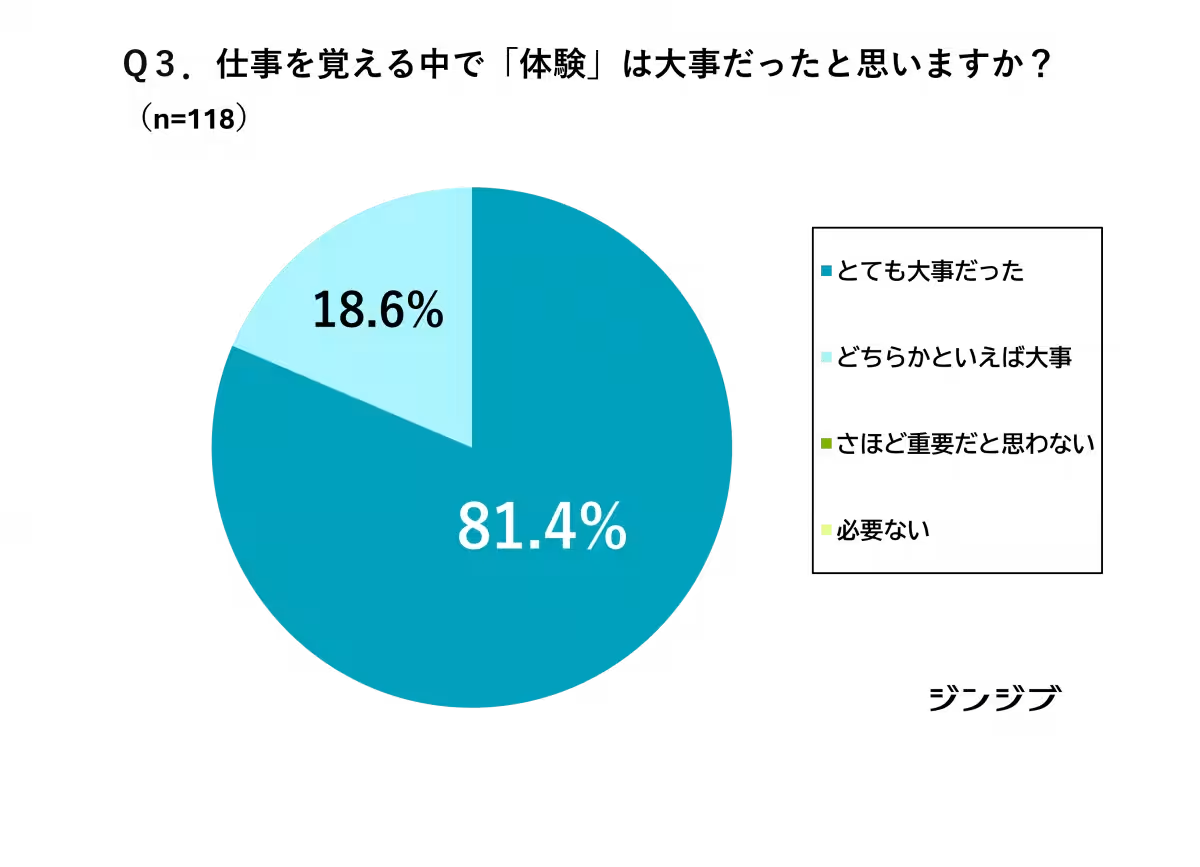
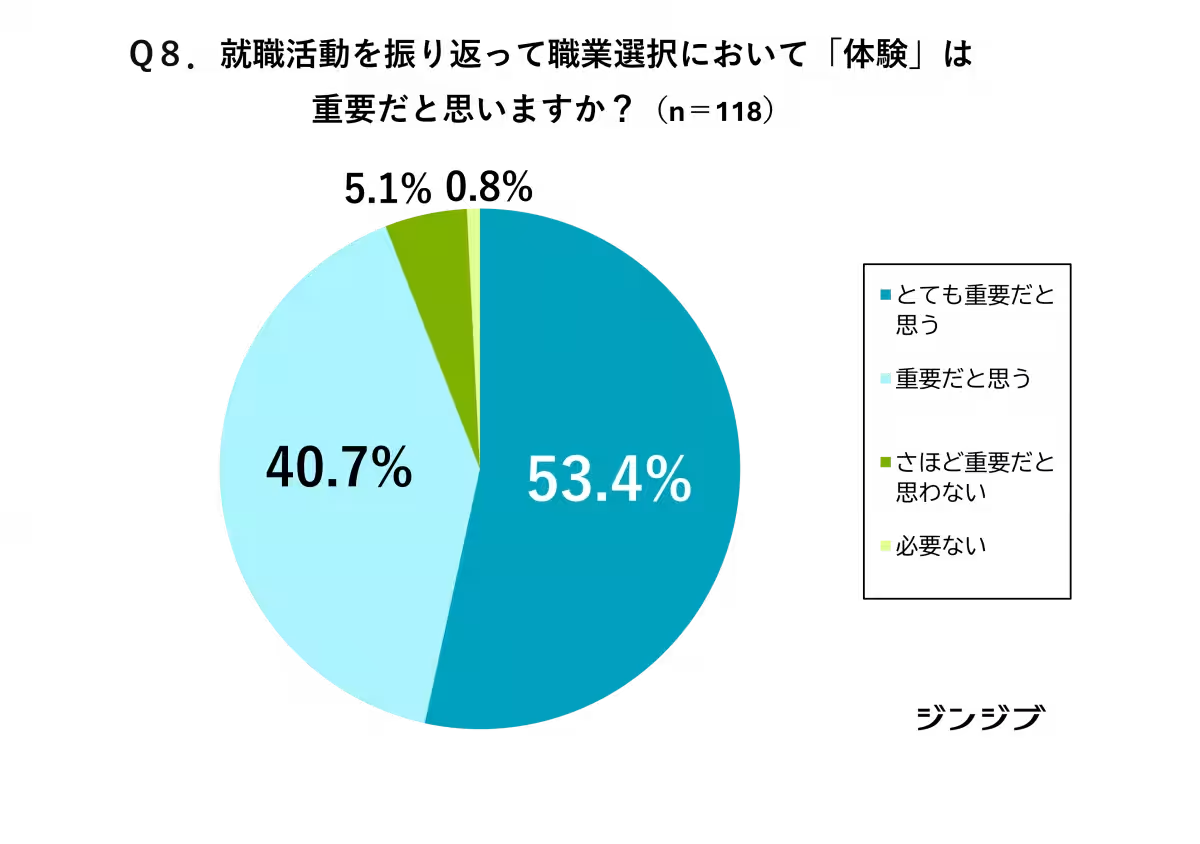
A significant majority (81.4%) of participants affirmed that experience was extremely important in their learning process, with an additional 18.6% acknowledging its importance. Reflecting on this, it became evident that fundamental habits developed during school, such as discipline and perseverance, combined with practical experiences, are essential for success in the workplace.
Success Stories from Experiences
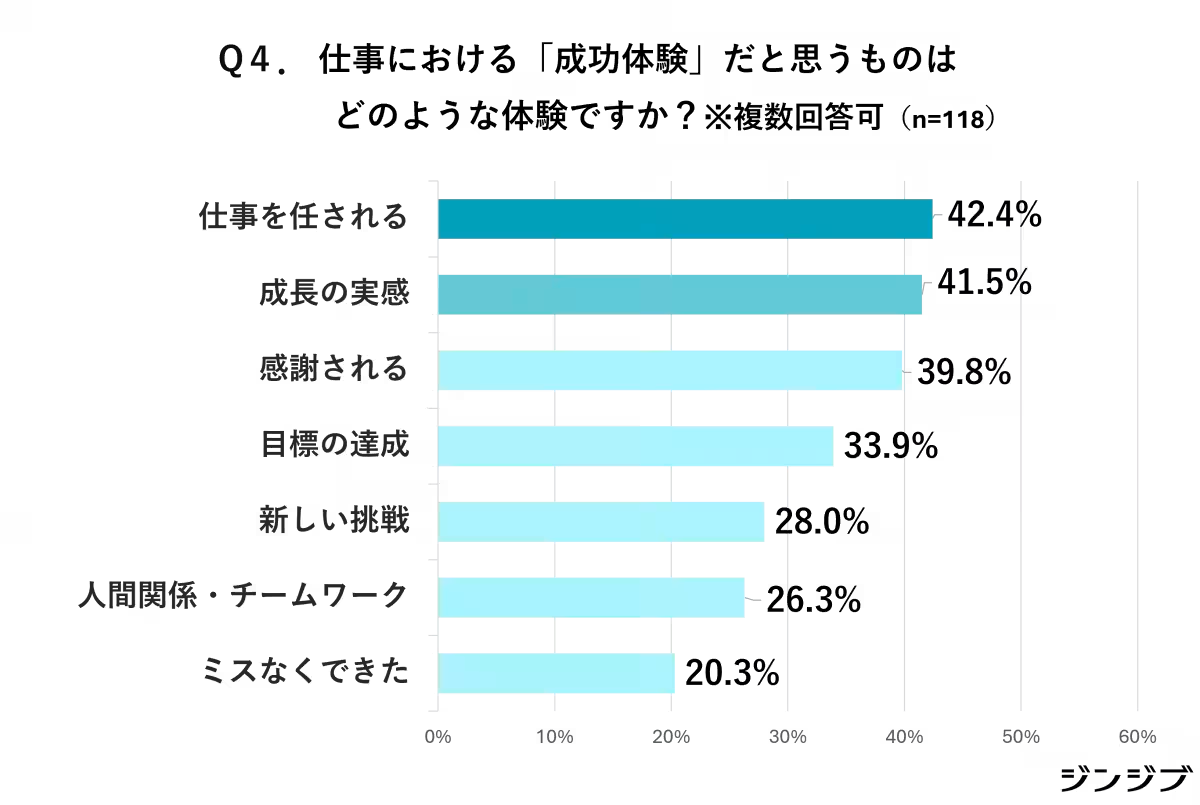
When asked to define 'success stories' in their early careers, respondents primarily cited being entrusted with responsibilities (42.4%) and gaining recognition (39.8%) as indicators of achievement. This reflects a trend where early-career professionals derive motivation not just from their ability to execute tasks flawlessly, but from the new roles and contributions they make within their teams.
Effects of Success Experiences
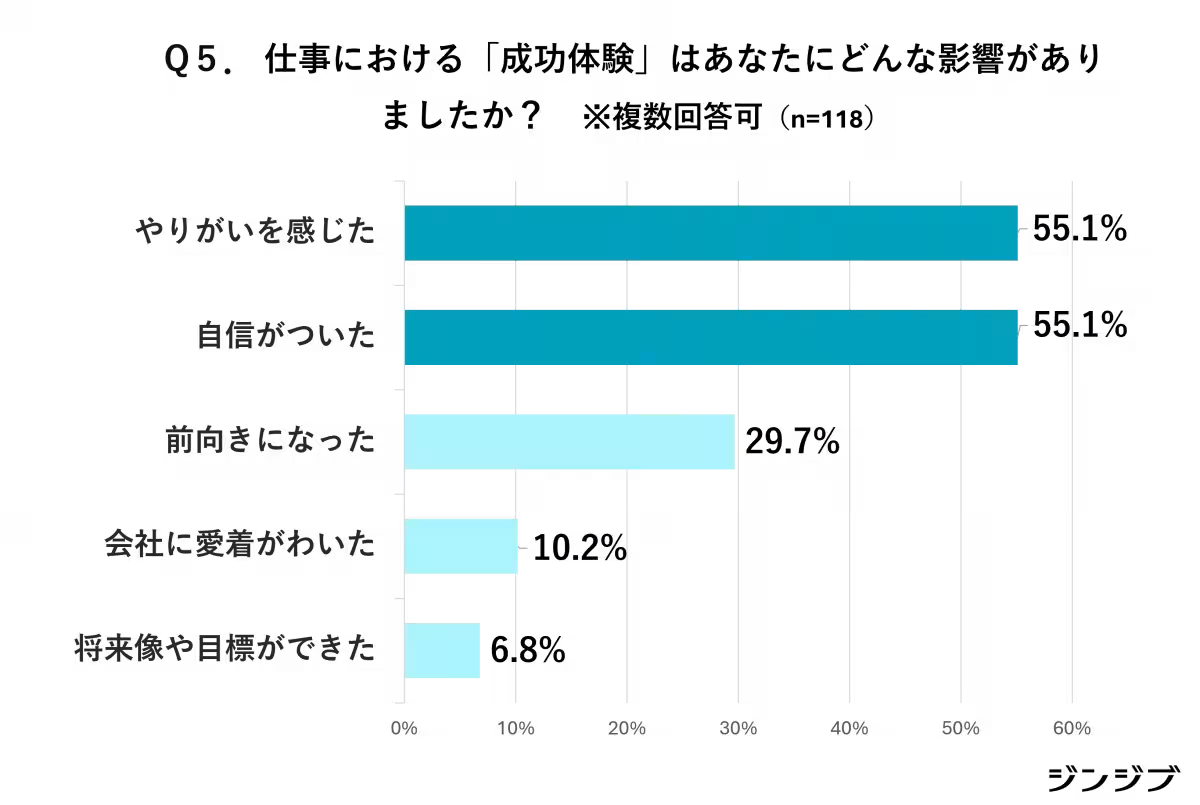
These success experiences cultivated a sense of purpose (55.1%) and boosted self-confidence (55.1%), emphasizing that feeling appreciated and recognized greatly enhances the overall work attitude among young employees.
Pre-employment Experience
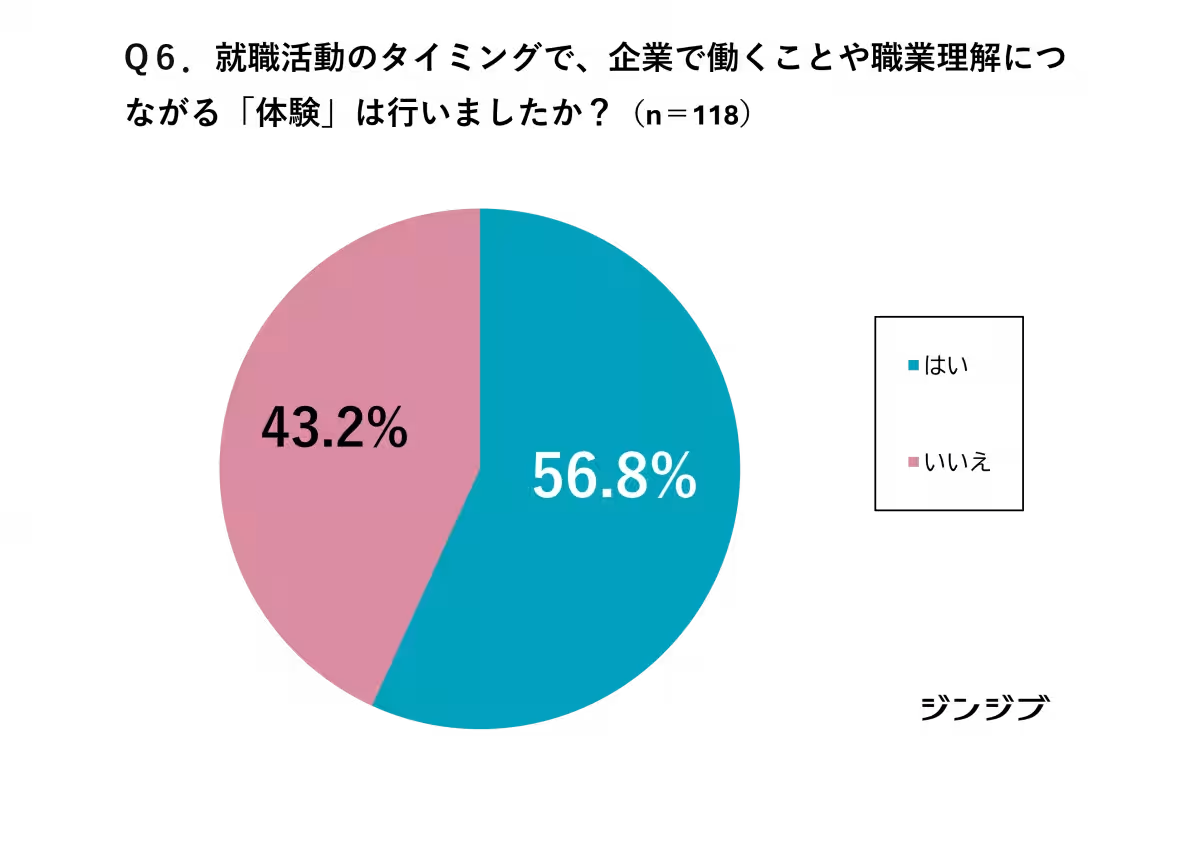
Regarding pre-employment experiences, over half (56.8%) reported having participated in activities that aided in understanding the employment landscape. However, nearly 43.2% admitted to a lack of concrete experiences before starting their careers. This highlights the influence of educational curricula and community resources on shaping young individuals’ perceptions of job realities.
Conclusion
The results of this survey reveal that experiences during school, including part-time jobs and social interactions, lay the groundwork for professional conduct and communication skills. Moreover, the overwhelming agreement among new graduates on the significance of experiential learning before employment points to its critical role in job satisfaction and career progression.
As new employees embark on their professional journeys, the 'rookies' find that the hands-on experiences they accumulate not only enrich their competencies but also foster resilience and adaptability necessary for navigating real-world challenges. Jinjibu remains devoted to maximizing experiential value through initiatives like job fairs, experiential classes, and the Rookie's Club, all aimed at enhancing the career readiness of young individuals.

Topics Business Technology)
【About Using Articles】
You can freely use the title and article content by linking to the page where the article is posted.
※ Images cannot be used.
【About Links】
Links are free to use.