



Cashless Payment Trends: Popularity of QR Code and Credit Card Solutions in Japan
Analysis of Cashless Payment Trends in Japan
In today's fast-paced society, cashless payment systems have become integral to daily transactions, with a variety of methods available including QR code payments, credit cards, and electronic money. Understanding which systems are most often used and the factors influencing these choices is crucial for future developments, especially as new service providers like teppay prepare to enter the market in 2026.
Research Overview
A recent survey conducted by StorePro, targeted towards participants aged 20 to 60 who utilize cashless payment methods at least once a month, aimed to uncover key insights about current cashless payment usage and consumer expectations regarding teppay. The study was conducted from December 5 to 8, 2025, and gathered responses from 1,021 participants via Internet research conducted by PRIZMA.
Key Findings
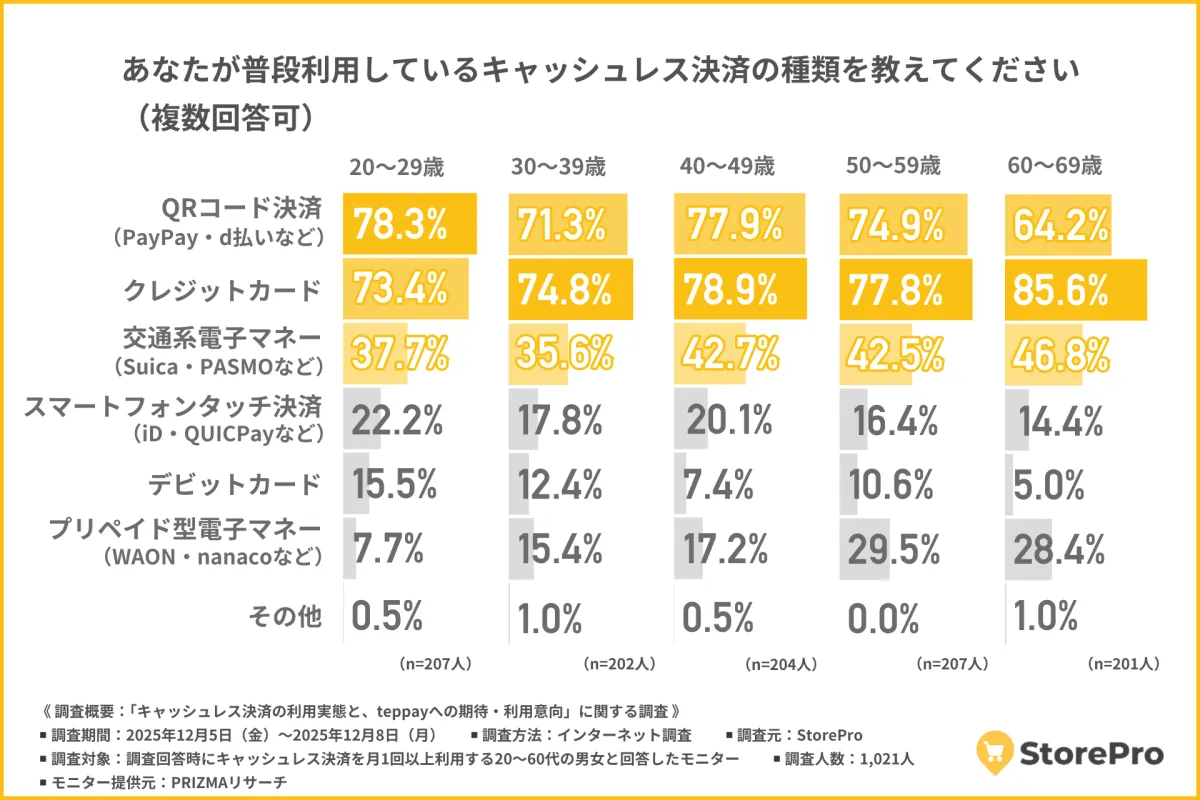
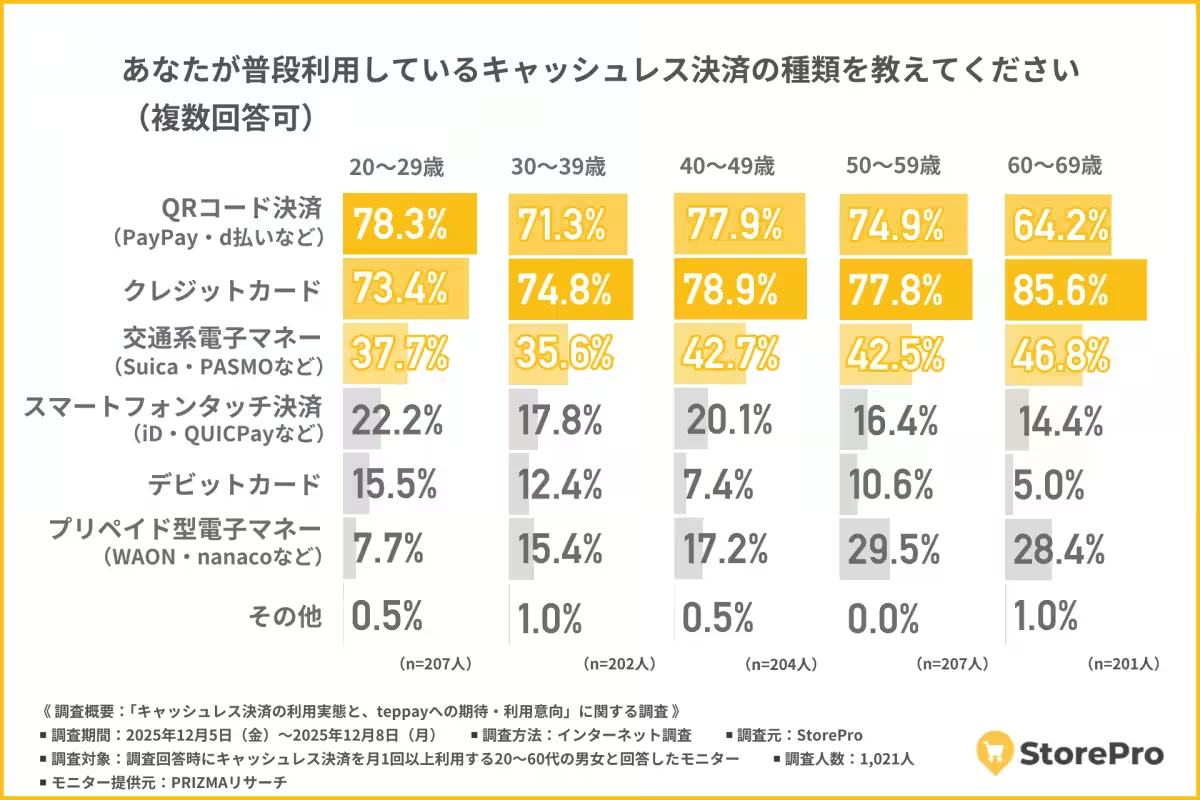
The survey began by asking participants about their preferred cashless payment methods. Among those aged 20, nearly 80% reported favoring QR code payments such as PayPay and d払い, highlighting the convenience of these systems which can be operated entirely via smartphones. Meanwhile, participants in their 30s to 60s predominantly chose credit cards, indicating a long-standing trust in familiar payment methods. Approximately 40% across all age groups also reported using transportation e-money cards like Suica and PASMO, suggesting that multiple payment methods are commonly utilized depending on specific scenarios.
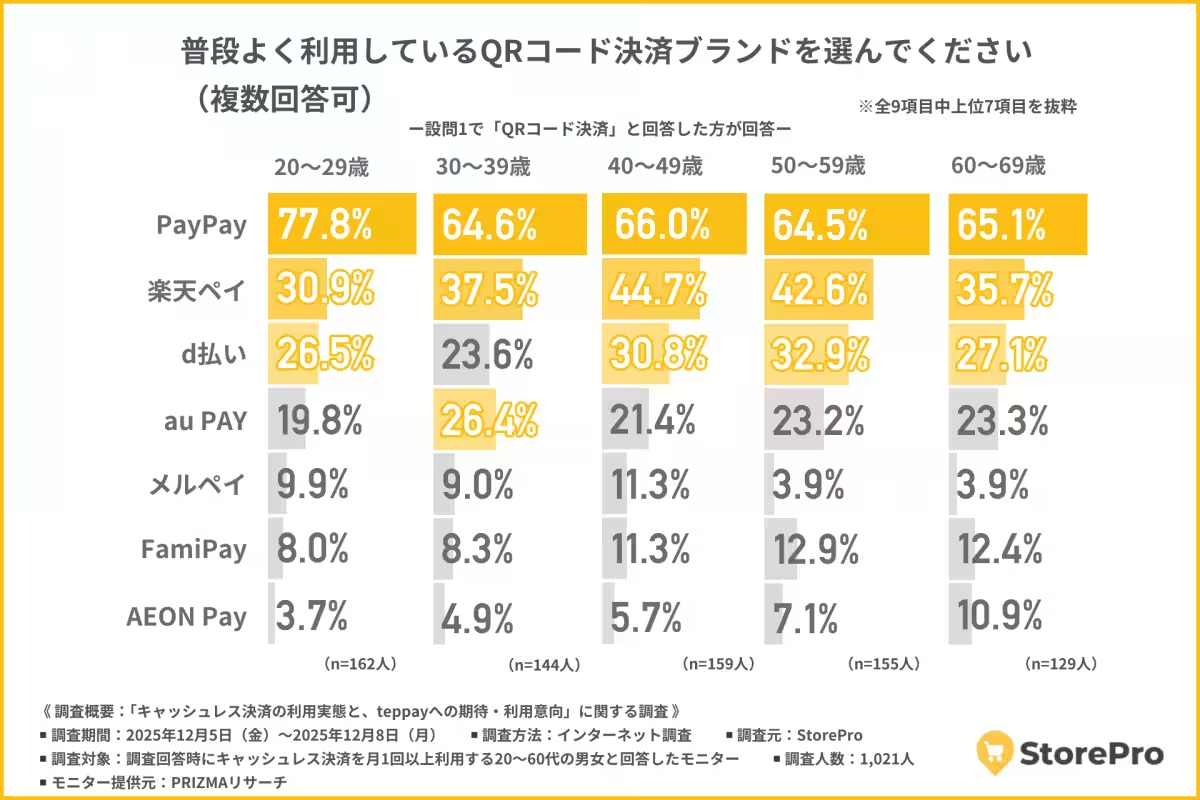
When it came to QR code payments, the survey revealed that PayPay was the leading choice, favored for its extensive merchant network and active promotional campaigns. Other popular options included Rakuten Pay and d払い, although brand preferences exhibited more similarities across age demographics than differences.
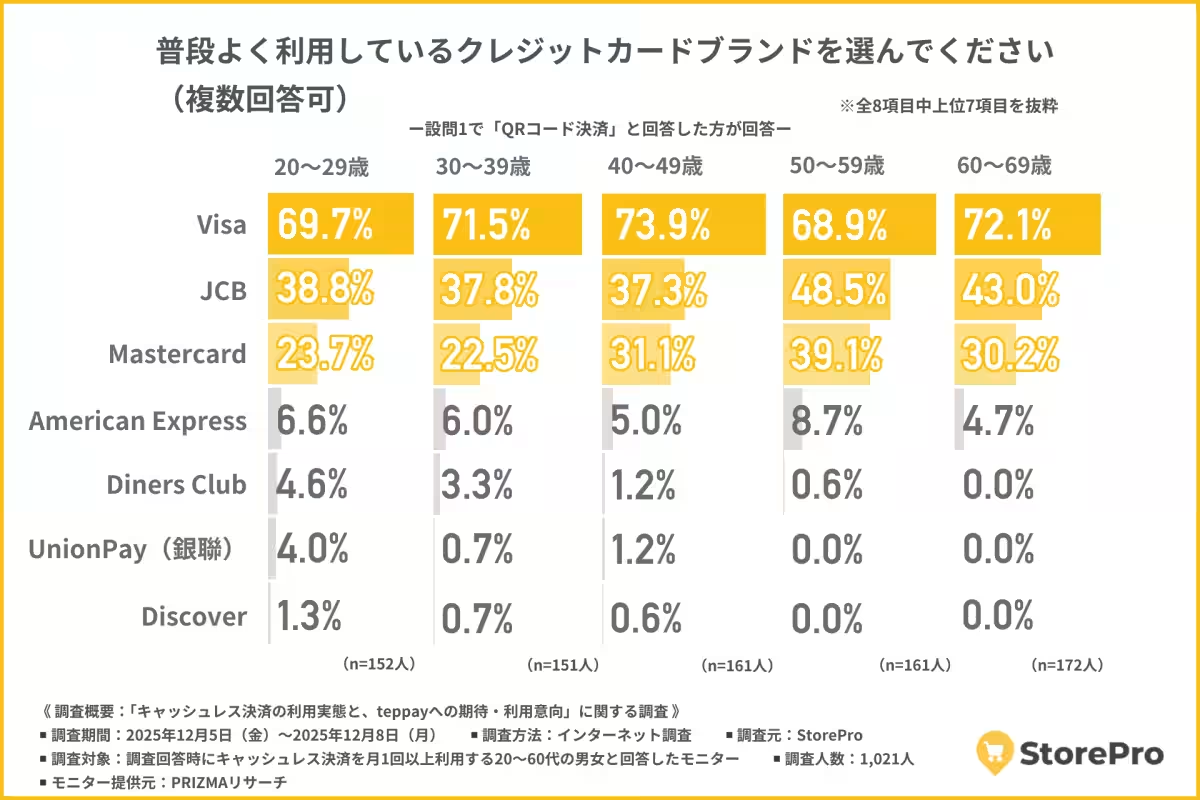
In examining credit card usage, all age groups listed Visa as their top choice, followed closely by JCB and Mastercard. This indicates a general consensus on the reliability and extensive acceptance of these brands.
Deciding Factors for Cashless Payment Choices
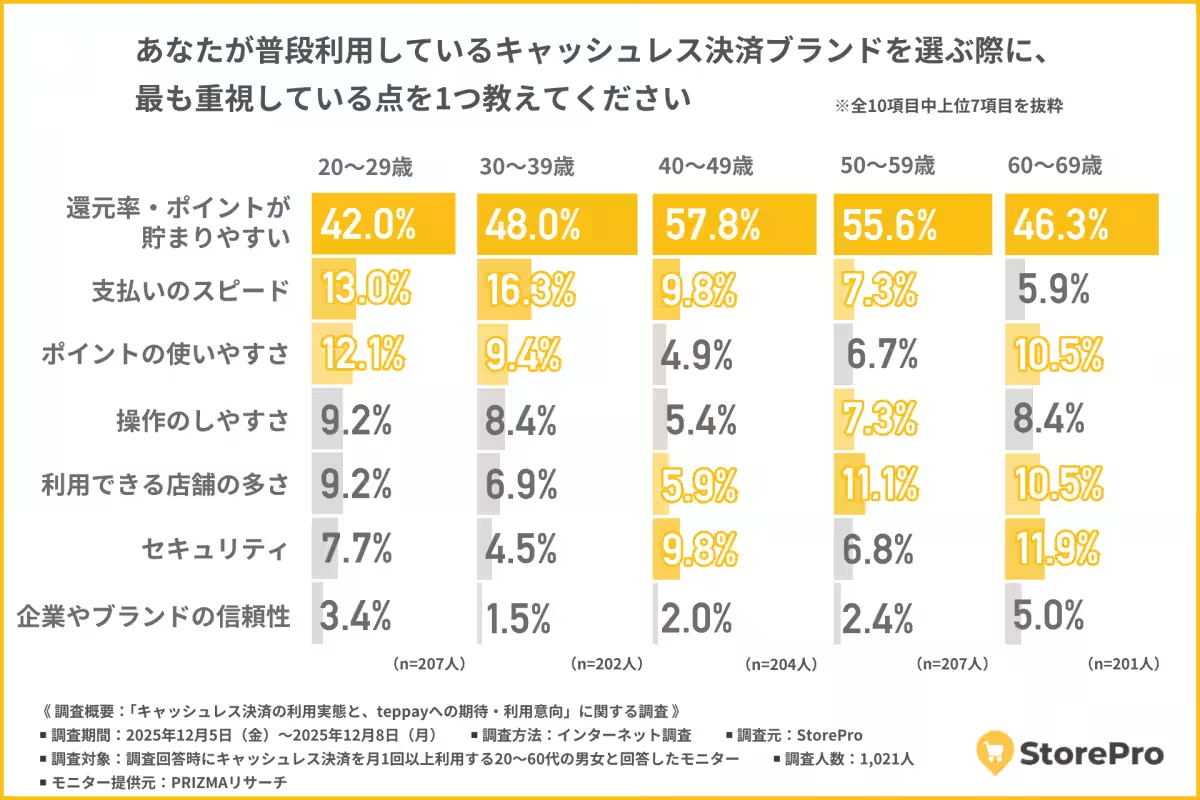
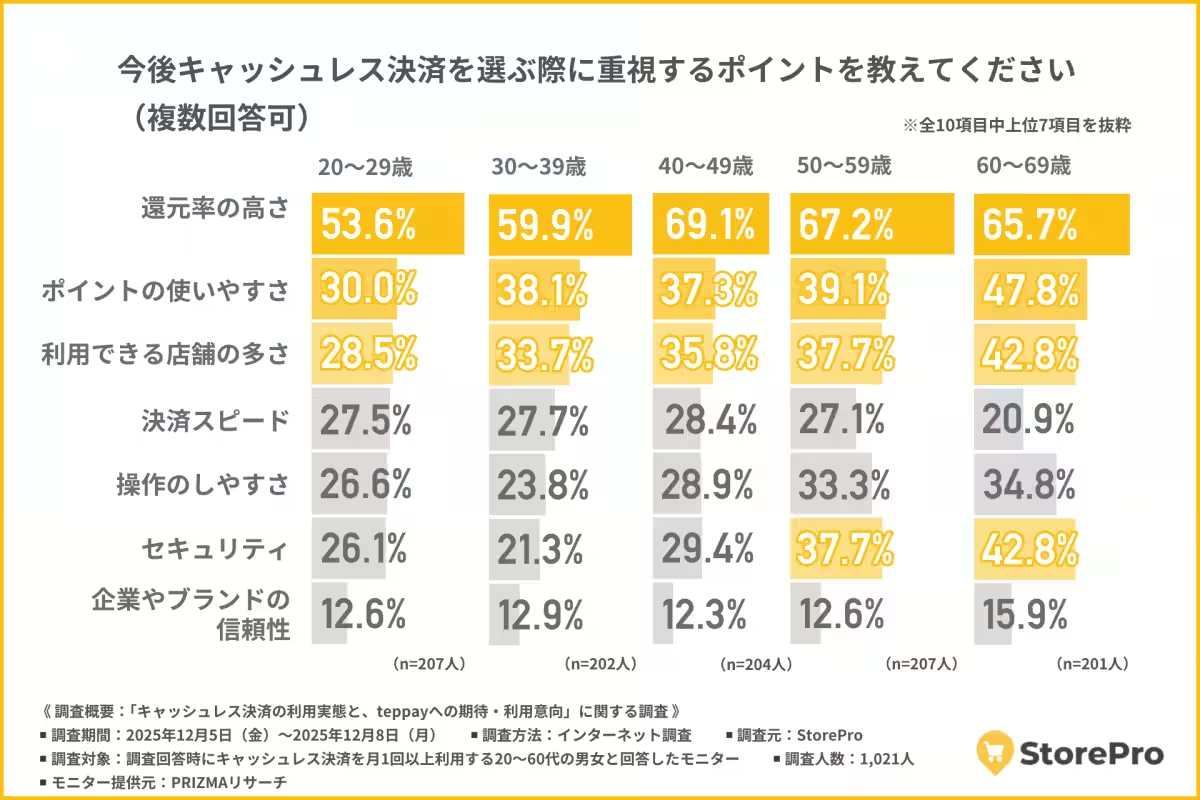
To determine what factors influence consumers’ choices, the survey asked participants to identify the most critical considerations when selecting cashless payment services. Across all age groups, high reward rates and easy point accumulation emerged as the most important factors. Notably, younger individuals in their 20s and 30s emphasized the speed of transactions and ease of using rewards, while older consumers prioritized the security of transactions and the number of participating stores.
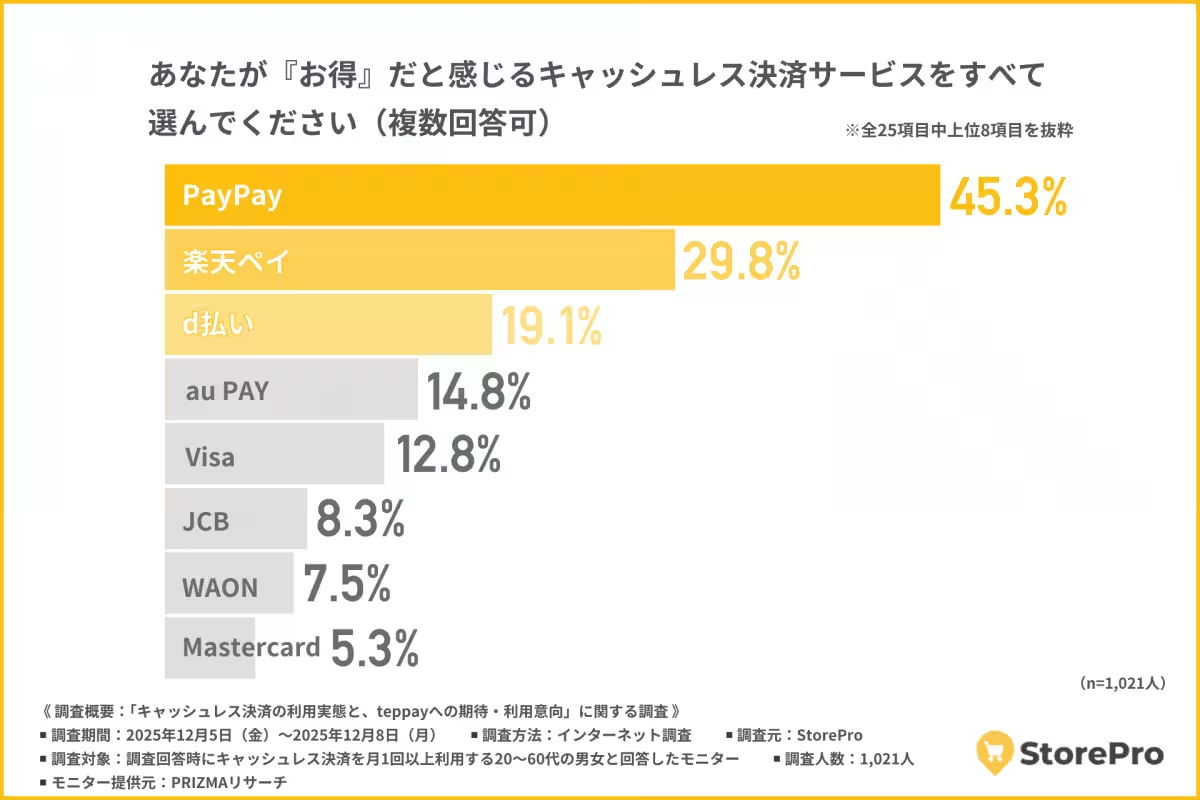
Furthermore, the survey identified which cashless payment services consumers found the most beneficial. PayPay led this segment with 45.3%, followed by Rakuten Pay and d払い. The appeal of these services likely extends beyond just high reward rates to encompass user-friendly reward systems, effectively fostering a sense of value among users.
Expectations for teppay
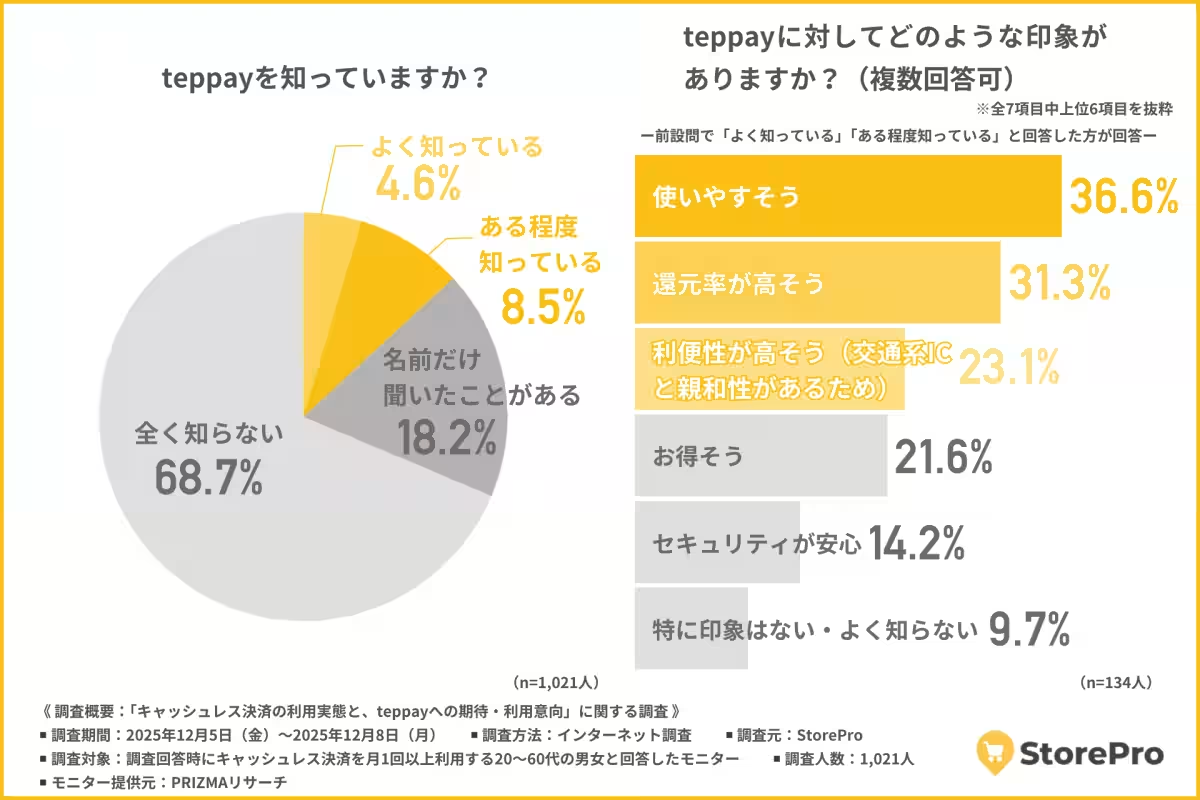
Turning attention to the new player, teppay, the survey found that only about 10% of respondents claimed familiarity with the service, indicating a need for increased awareness as it approaches its launch. Among those who did express familiarity with teppay, most perceived it as potentially user-friendly and likely offering substantial rewards, which are critical impressions as the service develops a market presence.
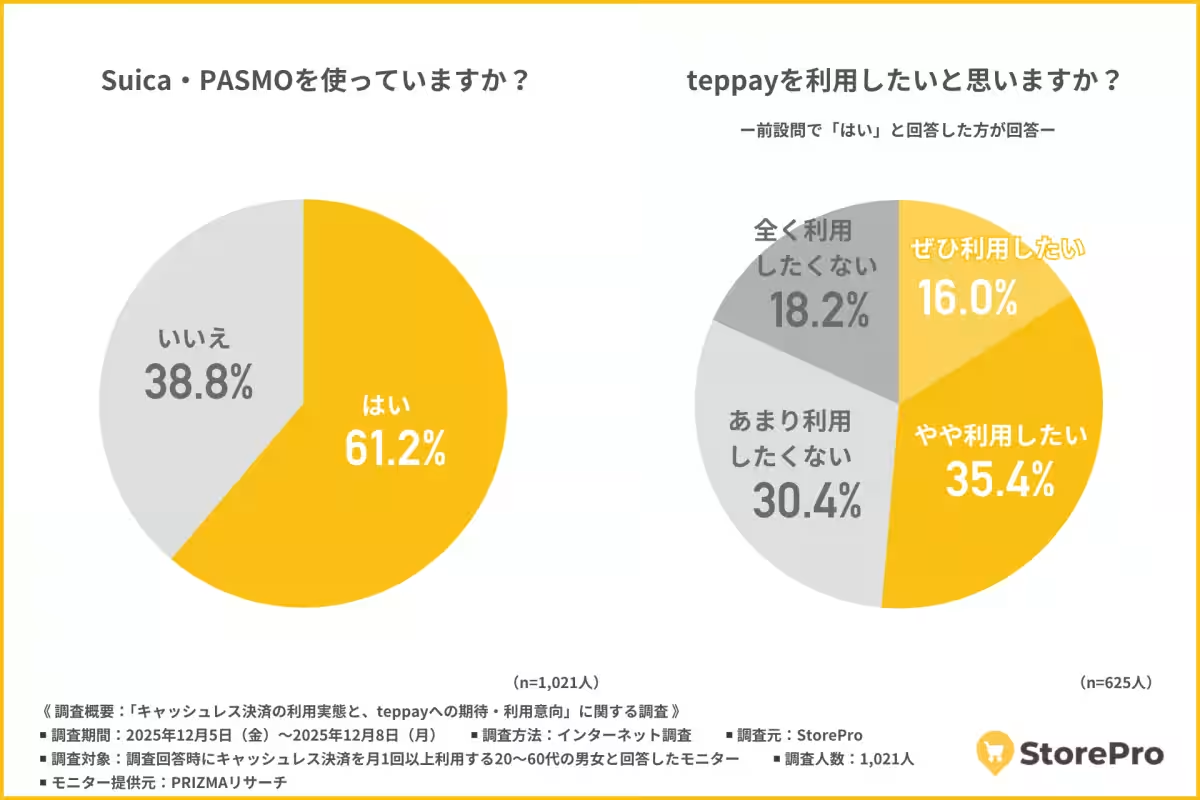
The survey also revealed that over 60% of respondents regularly use Suica or PASMO, establishing these systems as prevalent tools for daily transactions. This familiarity suggests potential integration opportunities for teppay, making it an appealing alternative as it vies for consumer attention.
Consumer Intentions for teppay
Approximately half of the consumers interested in teppay expressed a positive intent to use the service, with 16% stating they were eager to adopt it and 35.4% indicating a moderate interest. This signifies a welcoming attitude towards new cashless options in general.
Future Considerations for Cashless Payments
Finally, when participants reflected on future considerations for choosing cashless payments, they overwhelmingly cited reward percentages, usability of points, and the expansiveness of store acceptance as their top priorities. Notably, consumers aged 40 to 60 particularly emphasized the importance of high reward rates and security measures, indicating that as age increases, so does the demand for comprehensive benefits that address both convenience and safety.
Conclusion
The findings illustrate that cashless payments have firmly embedded themselves into various age groups in Japan, with divergent preferences for QR codes and credit card solutions based on age and lifestyle. Reward rates remain crucial across demographics, but younger individuals also favor ease of use, whereas older generations look for reliability and security. With the anticipated entry of teppay into the market, consumer awareness and understanding will likely shape its acceptance. As the environment evolves, clarifying teppay's distinctive benefits and integrating it seamlessly with existing cashless frameworks will be pivotal to gaining traction in this competitive landscape.

Topics Consumer Products & Retail)
【About Using Articles】
You can freely use the title and article content by linking to the page where the article is posted.
※ Images cannot be used.
【About Links】
Links are free to use.