



OneHR and Osaka Waterworks Bureau Announce Successful AI Project Outcomes
OneHR’s Innovative Partnership with Osaka Waterworks Bureau
In an exciting development, OneHR Co., Ltd., based in Shinagawa, Tokyo, has successfully validated the outcomes of its joint research project with the Osaka Waterworks Bureau, focused on utilizing personnel data and AI for creating personnel allocation plans. This partnership, established in January 2025, aims to enhance operational efficiency through the application of generative AI (LLM) in matching candidate information with position requirements.
Project Overview
The primary objective of this research was to evaluate how AI could facilitate a more effective and efficient approach to personnel allocation within the Osaka Waterworks Bureau. The team concentrated on two key verification points:
1. Impact of AI on Personnel Allocation: Assessing whether AI could improve the effectiveness and efficiency of creating personnel allocation plans.
2. Data Requirements: Identifying what kinds of data collection, accumulation, and organization are necessary for AI-driven personnel allocation.
Implementation Details
The personnel allocation process at the Osaka Waterworks Bureau involved two main types of scenarios:
- - Transitioning employees into key management positions that have become vacant due to relocations.
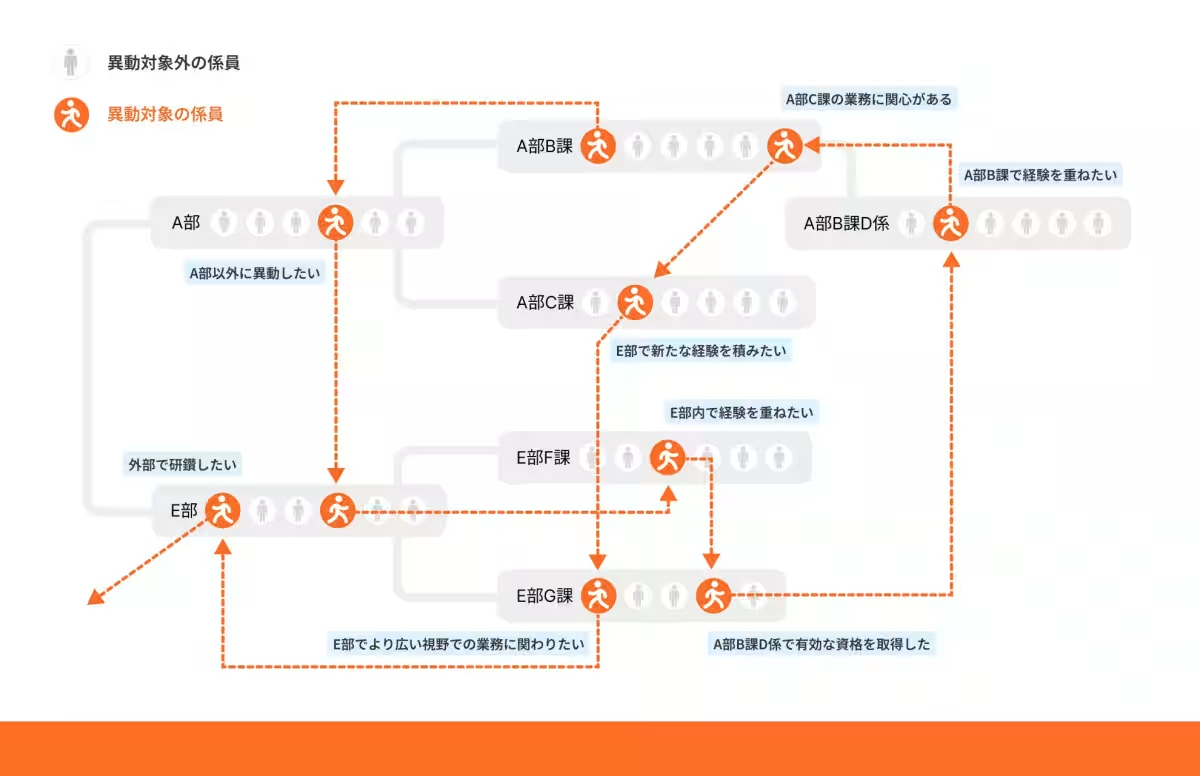
- - Reassigning employees who have spent a defined period in the same department to new, less experienced areas for career growth.
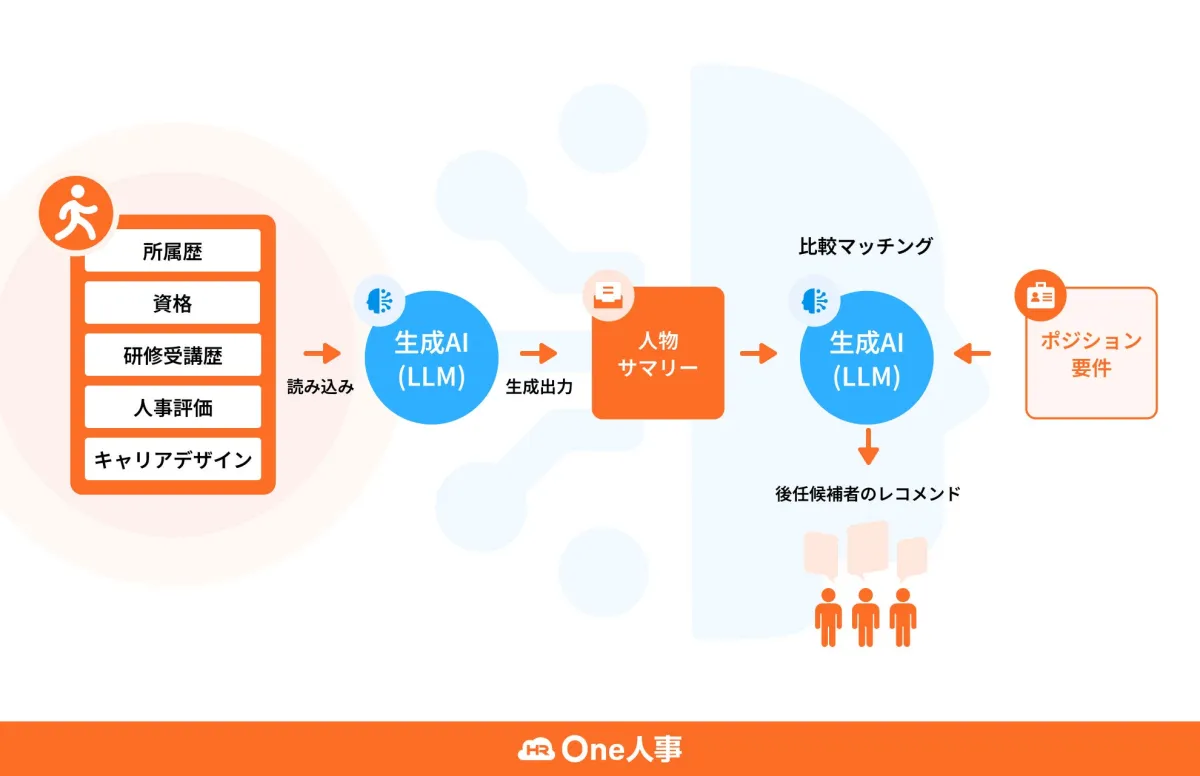
The project leveraged generative AI (LLM) along with optimization algorithms to streamline these processes. The efficiency impact was evaluated via the formulation of digital models for assessing candidate recommendations.
Research Outcomes
Notably, in assessing successor candidates for management positions, the AI was able to generate cohesive and comprehensible summaries of prospective candidates in natural Japanese, aligning with simplified position requirements defined by the Osaka Waterworks Bureau. This capability enabled not only candidate recommendations but also provided explanations underpinning these suggestions.
Challenges were identified regarding the variability in the generated explanations, pointing to the need for consistency in wording to enhance the matching process's effectiveness. Raising the operational accuracy and reliability of these methods could ultimately reduce the time required for candidate searches to around 20 hours from the current 170 hours typically required for candidate allocation plan evaluations.
Additionally, refining position descriptions to provide more specific guidance to the AI could potentially improve candidate fit. The logic currently used for generating employee movement allocation proposals relied on straightforward conditions such as personal preferences and supervisor recommendations. However, integrating additional factors such as team composition and career development plans could yield more realistic allocation proposals that closely reflect organizational needs.
About OneHR
With over 600,000 paid users and a robust human resource management system, OneHR offers a comprehensive solution for labor management, payroll processing, and talent management all in one place. Our services cater to a diverse range of organizations, including corporate entities as well as governmental and public organizations, effectively supporting organizational growth and employee development.
For more information, please visit:
Contact Information
For inquiries regarding this release, please contact:
OneHR Co., Ltd.
Public Relations Team
E-mail: [email protected]
Topics Business Technology)

【About Using Articles】
You can freely use the title and article content by linking to the page where the article is posted.
※ Images cannot be used.
【About Links】
Links are free to use.