



New Research Reveals Public Attitudes Towards Oral Care and Whitening Practices
Understanding Current Oral Care Trends
On August 1st, known as "Tooth Day" in Japan, Sangi Corporation, the maker of the leading whitening toothpaste Apagard, conducted an extensive survey of 10,000 individuals aged 20 to 60 living in Tokyo and the Kinki region. The study aimed to delve into public perceptions about oral health and gather insights into everyday oral care habits.
Part 1: Attitudes towards Oral Care
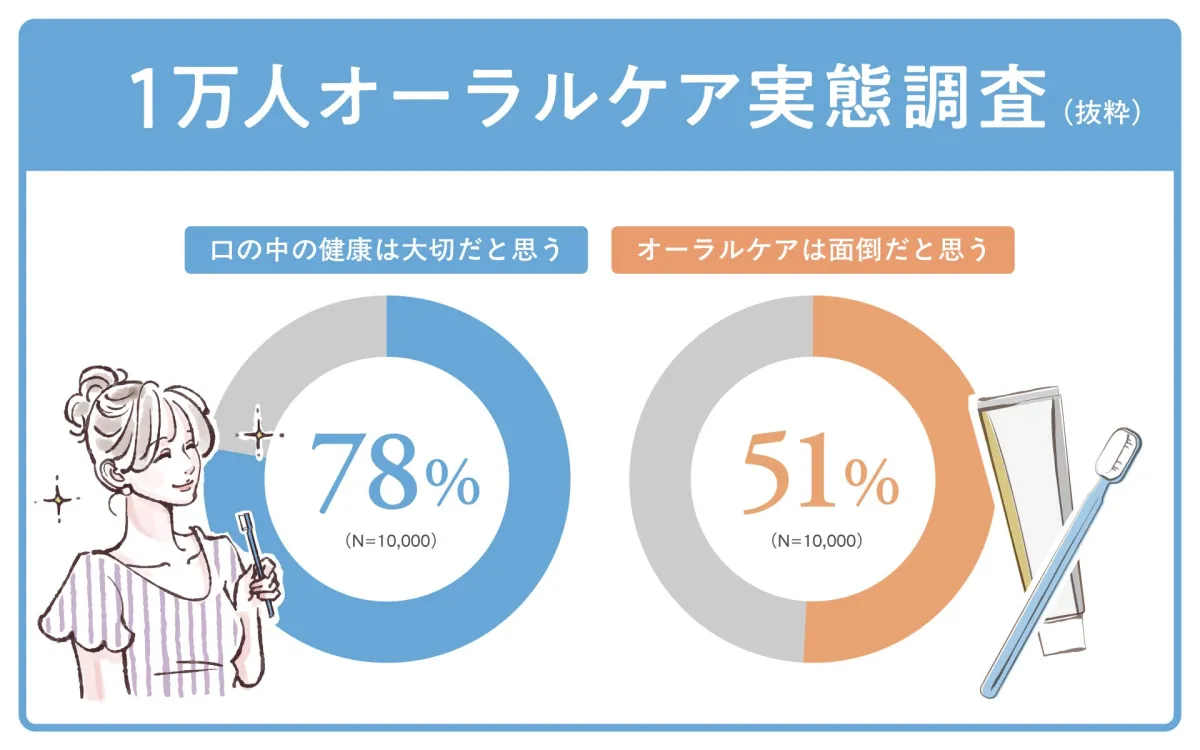
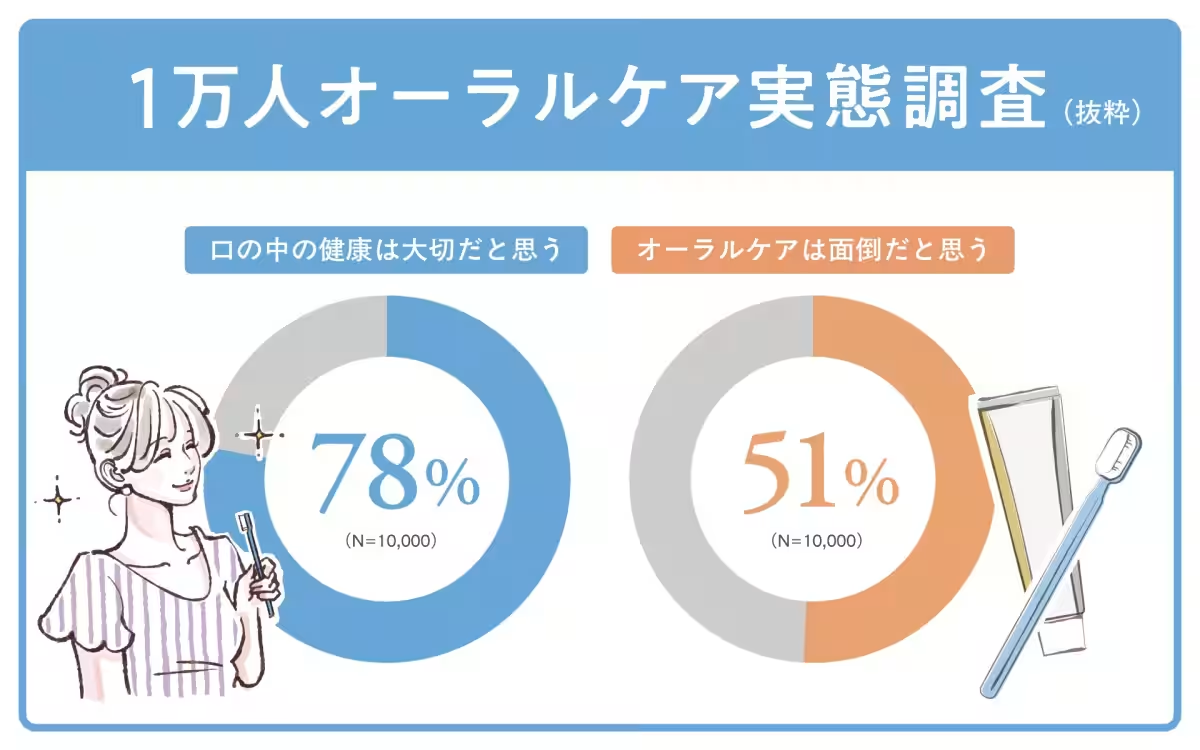
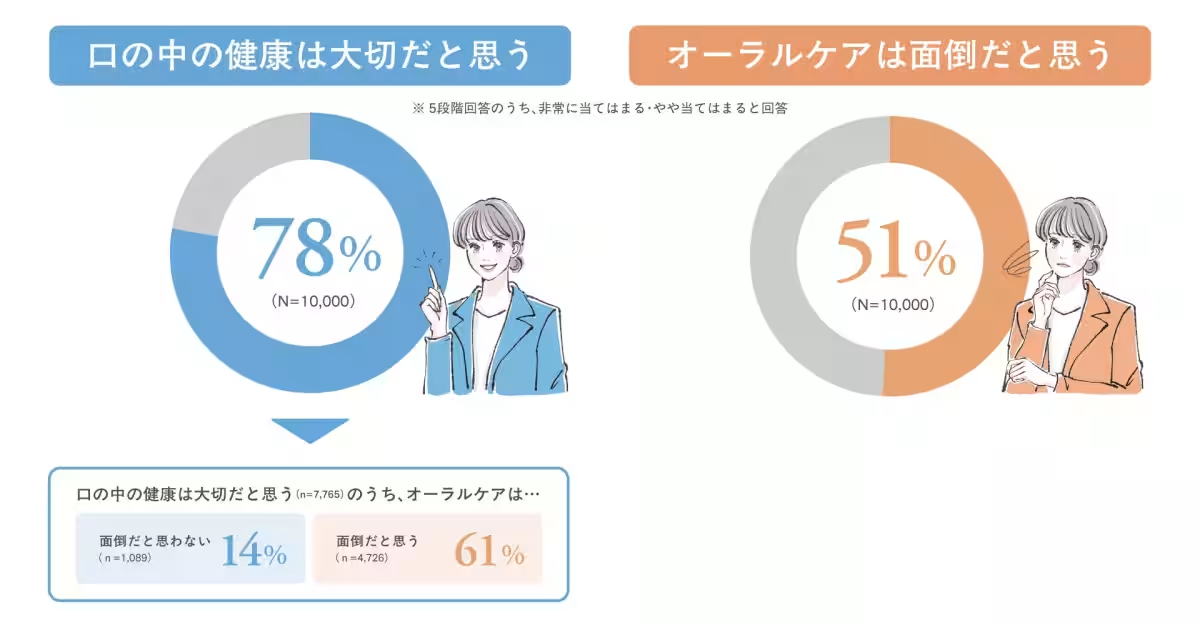
The findings from the survey revealed that 78% of respondents acknowledged the importance of maintaining oral health. However, despite this recognition, over half of the participants (51%) expressed that they find oral care to be cumbersome. This contradiction indicates a significant burden that impacts their daily oral hygiene routines.
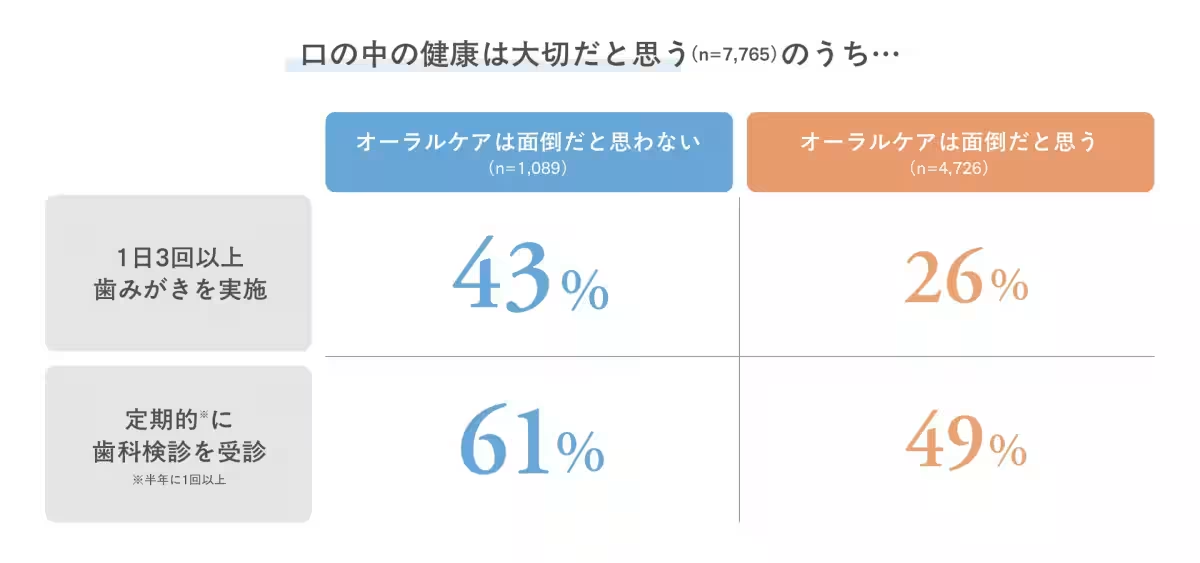
Specifically, among those who recognize the importance of oral health, those who find oral care less burdensome tend to engage in healthier practices. For instance, 43% of those who do not view oral care as a hassle brush their teeth more than three times a day, compared to only 26% among those who find it burdensome. Similarly, 61% of those who view oral care positively attend dental check-ups regularly, as opposed to 49% of those who see it as an inconvenience. These results highlight a clear link between attitudes towards oral care and actual behaviors, suggesting that overcoming the sense of burden could facilitate better engagement in oral hygiene practices.
Part 2: Interest in Teeth Whitening
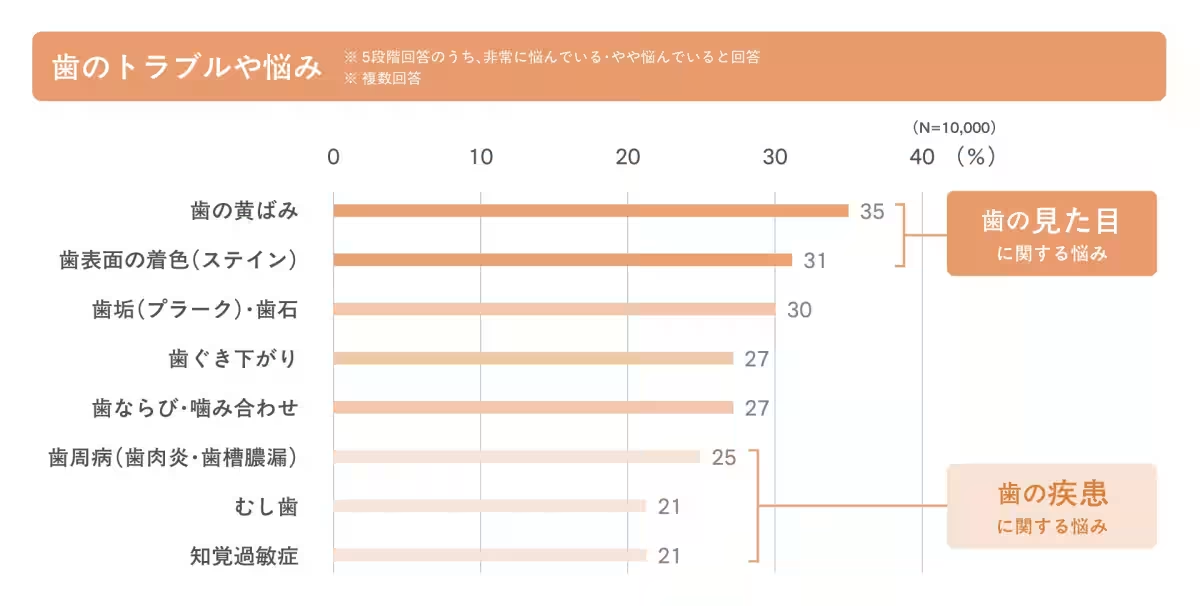
When investigating concerns regarding dental aesthetics, the survey identified "tooth yellowing" as the most significant issue (35%), followed closely by superficial stains (31%). Meanwhile, concerns related to dental diseases such as periodontal issues and cavities ranked lower, indicating a growing awareness about the visual impact of oral health.
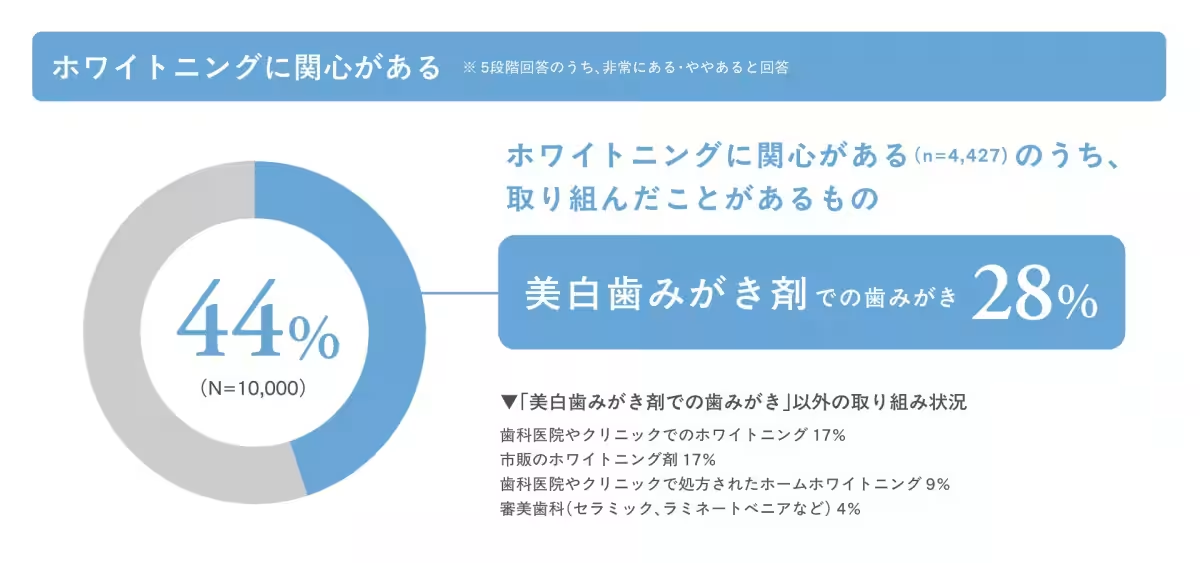
Approximately half of the participants (44%) expressed some level of interest in teeth whitening solutions, and among them, 48% have attempted at least one whitening method. Interestingly, the most common whitening practice reported was the use of whitening toothpaste (28%), significantly more than those who had sought professional whitening services (17%) or used over-the-counter products (also 17%). This preference for whitening toothpaste suggests it is a readily accessible option for individuals looking to enhance their smile effortlessly.
Conclusion
The survey's outcomes reveal a broader public acceptance of the importance of oral health while simultaneously highlighting a tangible reluctance to engage in oral care due to the perceived inconvenience. This duality indicates a need for strategies to motivate people to prioritize their daily oral hygiene.
Moreover, the increasing concern about tooth appearance, coupled with the high interest in whitening solutions, underscores a potential growth area in the oral care market. Sangi's commitment to promoting oral health awareness, especially on recognized dates like August 1st, will be instrumental in addressing these public concerns about dental aesthetics and hygiene.
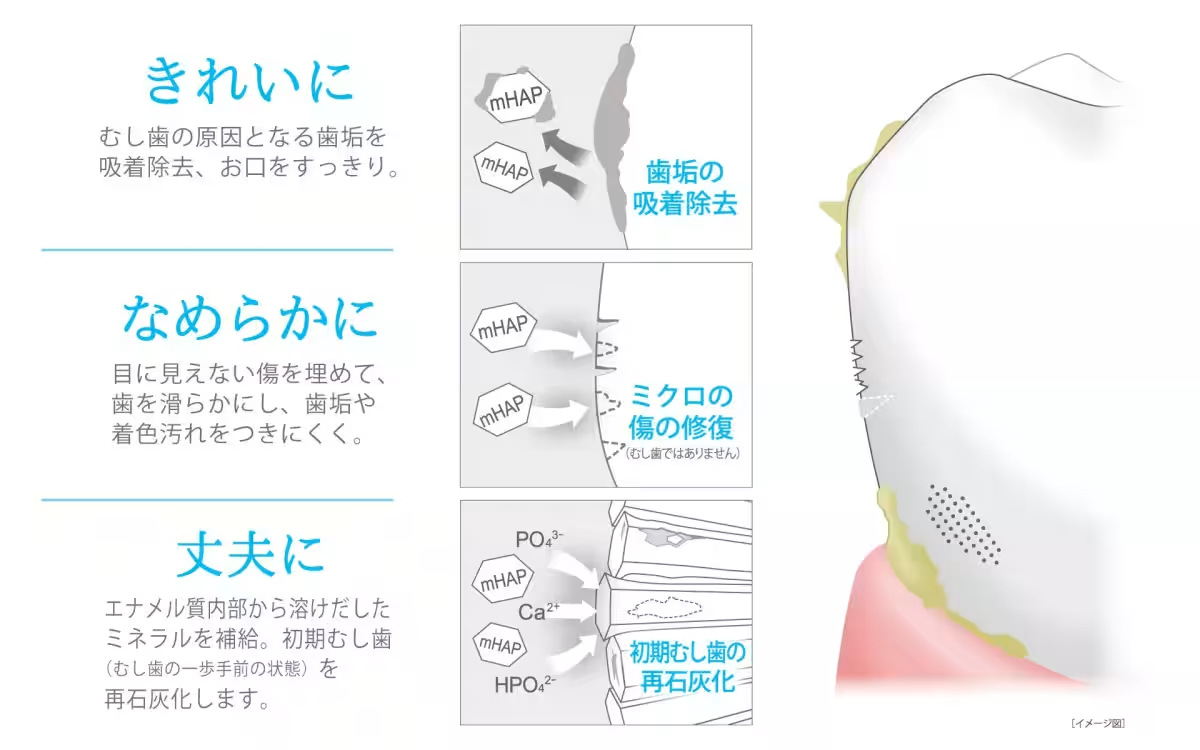
For Sangi, providing products infused with medical-grade hydroxyapatite aims to cater to a diverse range of oral care needs, emphasizing both preventative measures against cavities and aesthetic improvements through whitening. As the company continues to foster broader awareness about oral health, it also seeks to ensure that individuals are equipped with the knowledge and resources to maintain both the beauty and health of their teeth.
Summoning this collective goal, the message remains clear: healthy, beautiful teeth are essential for everyone—a principle that resonates deeply within Sangi’s mission in the realm of oral care.




Topics Consumer Products & Retail)
【About Using Articles】
You can freely use the title and article content by linking to the page where the article is posted.
※ Images cannot be used.
【About Links】
Links are free to use.