



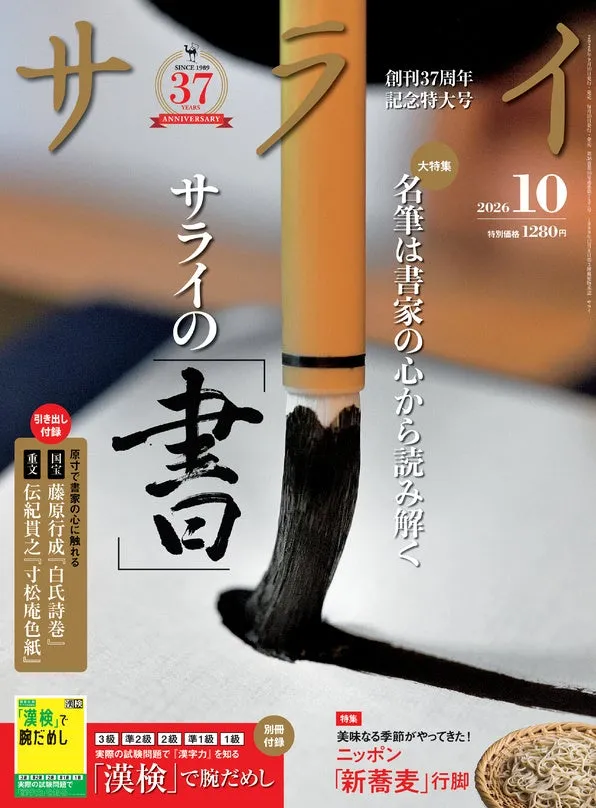
Exploring the Art and Philosophy of Calligraphy in the Latest Issue of Sarai
The Art of Calligraphy in Sarai's Special Feature
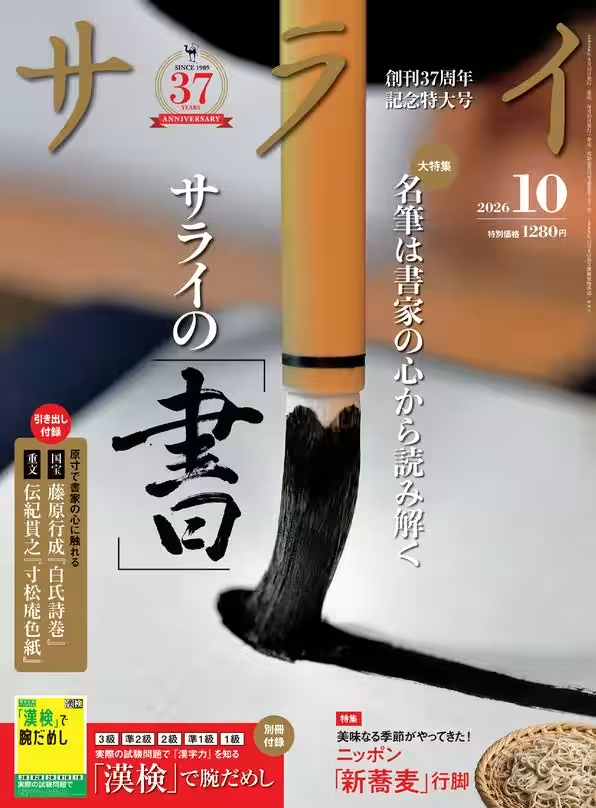
The latest issue of Sarai, celebrating its 37th anniversary, features a grand exploration of calligraphy, titled "Sarai's 'Writing.'" This special section dives into the essence of calligraphic beauty, shedding light on how the act of writing unfolds and connects to the thoughts and emotions of its creators. By examining techniques and historical context, readers are invited to appreciate and engage with the art form on a deeper level.
Understanding the Proficiency of Calligraphy
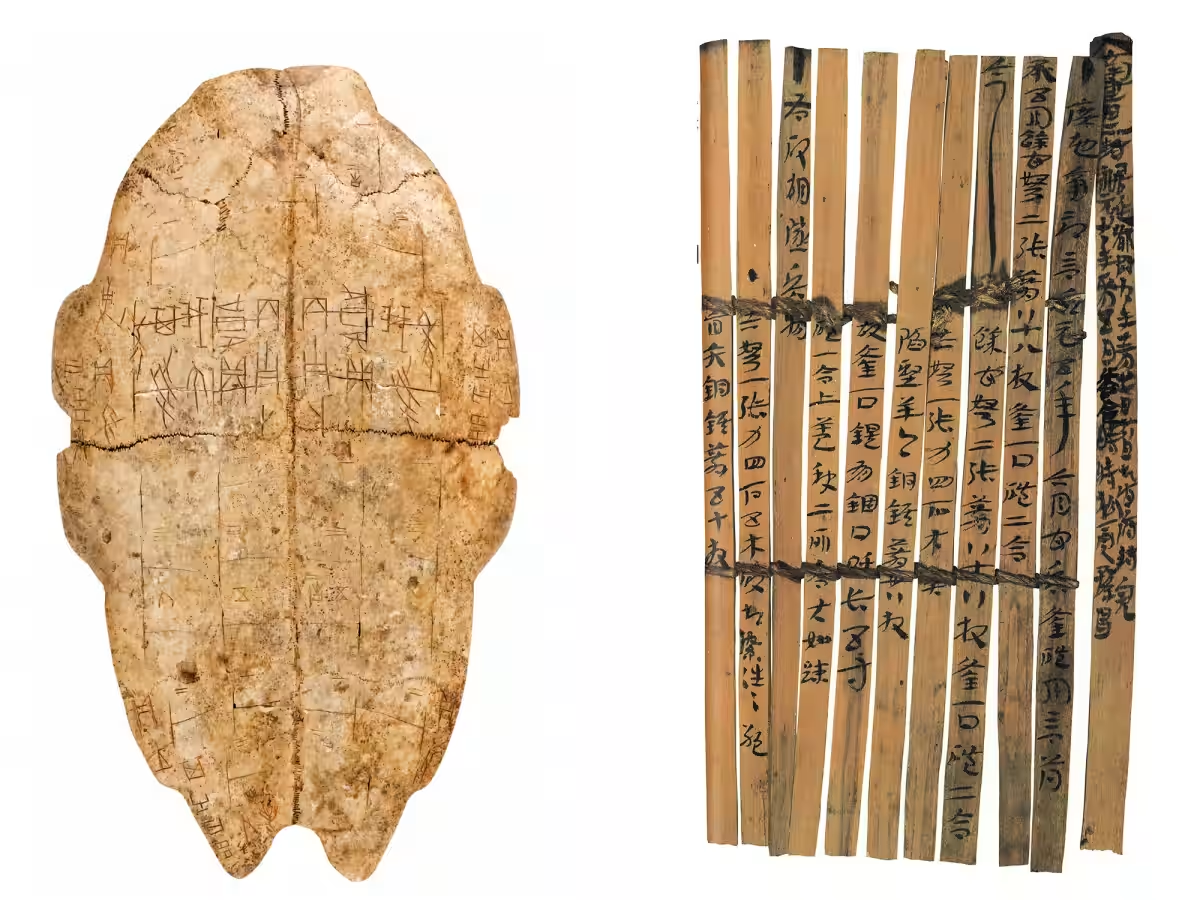
To genuinely appreciate the beauty of calligraphy, it is essential to understand the process behind its creation. This issue emphasizes the tactile sensations experienced through calligraphy, referred to as "筆蝕" (hisshoku) — the unique feeling of brush strokes on paper. The narrative begins with a retrospective look at the history of calligraphy, guided by the insights of acclaimed calligrapher Ishikawa Kyoyou. He takes readers back to the ancient inscriptions of the Yin Dynasty, exploring the evolution of writing styles such as seal script and clerical script. This historical journey allows us to recognize when humans first encountered the pleasure of writing, thus establishing the intrinsic beauty of calligraphy.
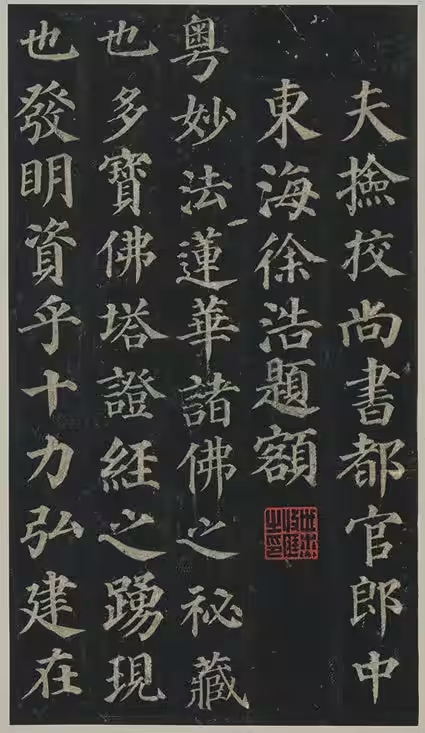
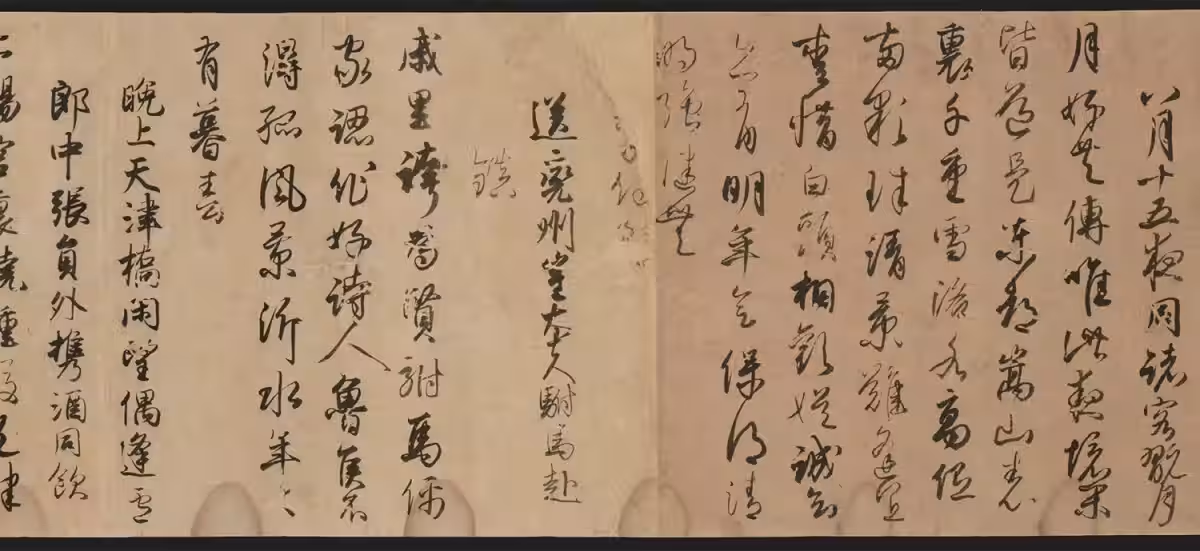
The central discussions savor the works of legendary calligraphers from both China and Japan. Featured masterpieces include Wang Xizhi’s “Lamentation Post,” Yan Zhenqing’s “Self-Portrait Inscription,” Kuukai’s “Letter of Wind Communication,” Ono no Michi's “Screen and Earth Post,” and many more. In addition to admiring the shapes of characters, readers can trace the tactile brushwork represented through onomatopoeia, such as “ton-su” and “su-gu,” thus immersing themselves in the experience of calligraphy through their fingertips.
Learning and Experiencing Calligraphy
The second section invites readers to engage in various forms of writing to cultivate a richer life. Recommendations include practices such as copybook writing, calligraphy classes, and even letter writing. The joy of forming characters by hand enhances emotional connection and mindfulness in daily life.
Through a visit to Hase-dera Temple in Kamakura, known for its environments that foster the experience of copying sutras, the issue demonstrates how writing can aid in achieving mental clarity. The text also introduces different styles of expression from figures like Natsume Soseki and Suzuki Daisetsu, highlighting their personal interactions with calligraphy throughout their lives.
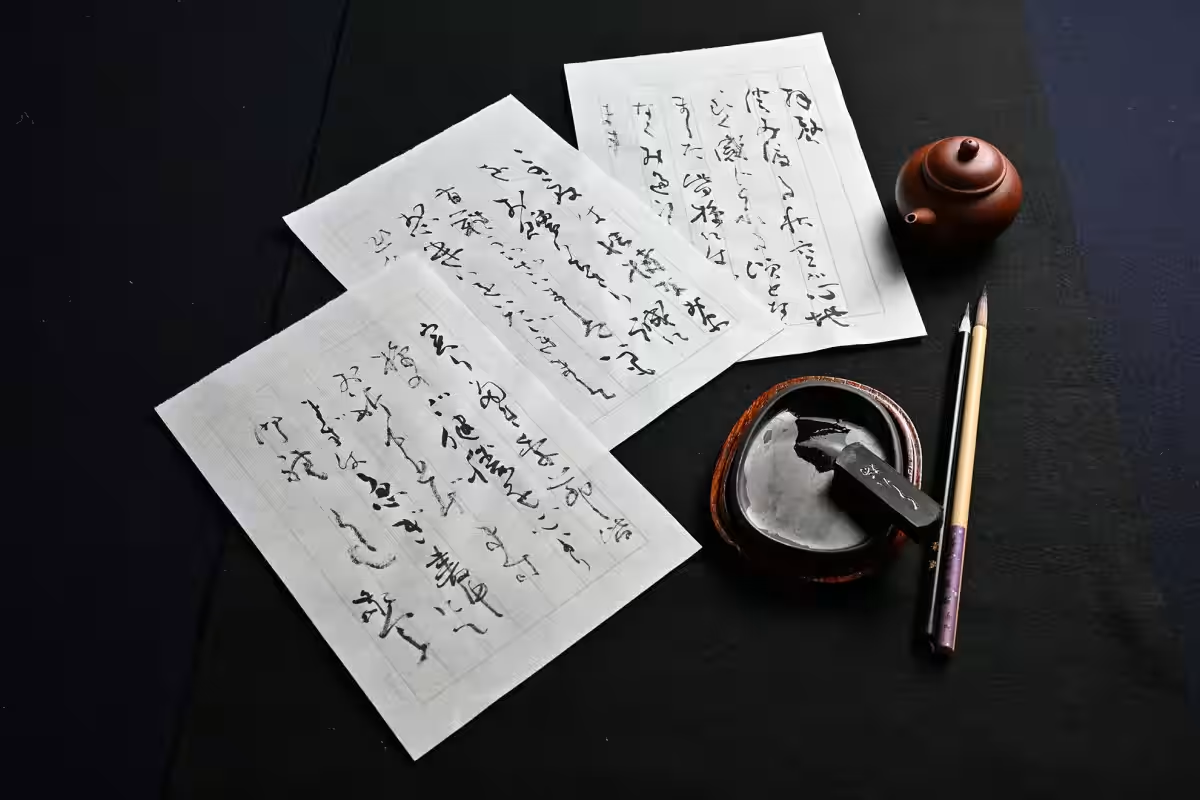
Additionally, the article emphasizes the significance of handwritten letters. By choosing elegant stationery and thoughtfully preparing ink, the physical act of writing allows sentiments to be conveyed with authenticity. Readers will discover practical tips for enjoying the art of calligraphy in their everyday lives.
Special Features and Attachments
In a fascinating supplementary feature, the issue pays homage to ancient masterpieces including the National Treasure work “Scroll of Poems by Fujiwara no Yukinari” and “Color Paper by Ki no Tsurayuki,” which exemplify the sophistication of Heian period calligraphy. Notably, the issue offers pages printed to size, ensuring that readers can appreciate the beauty of these national treasures firsthand.
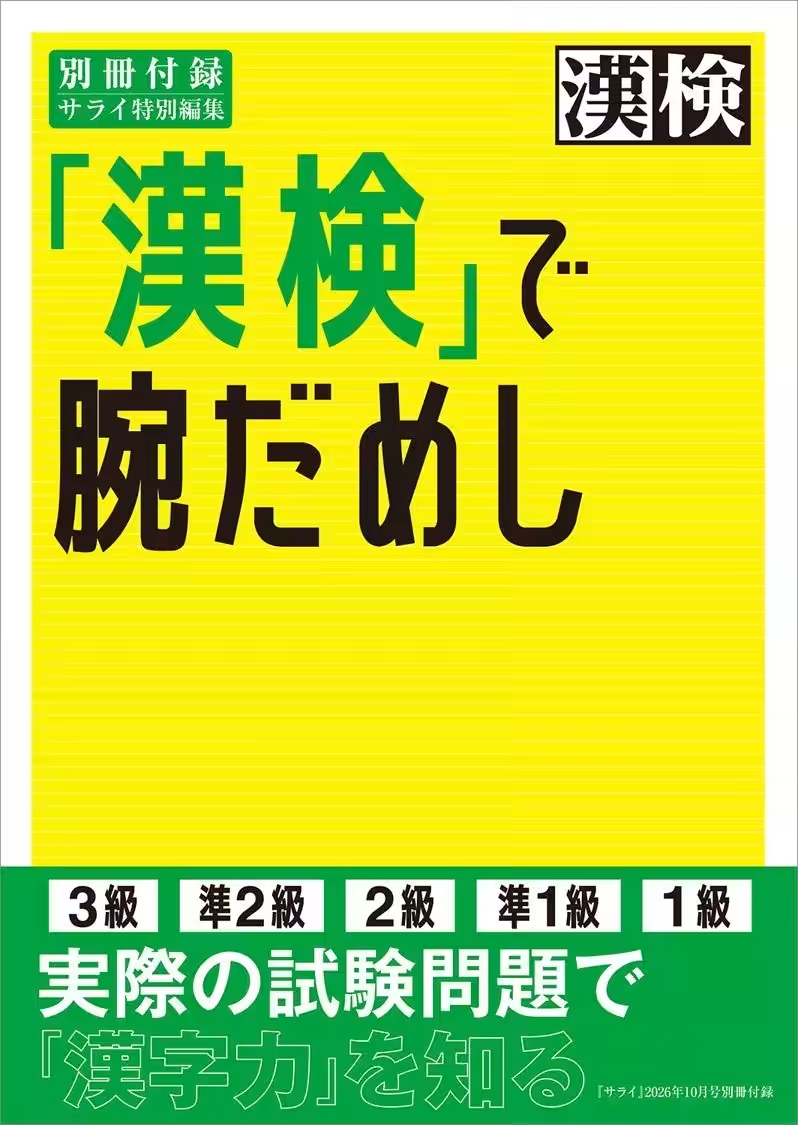
Moreover, a special insert provides readers an opportunity to test their proficiency in kanji through actual exam questions from the Kanji Proficiency Test (漢検), a popular examination in Japan. This feature appeals to individuals looking to enhance their understanding of the language while fostering a lifelong journey of learning.
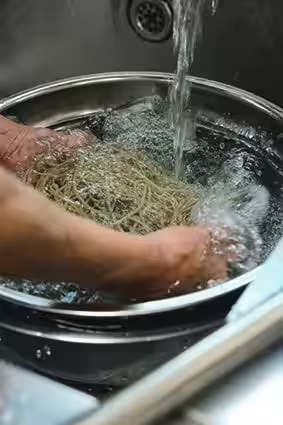
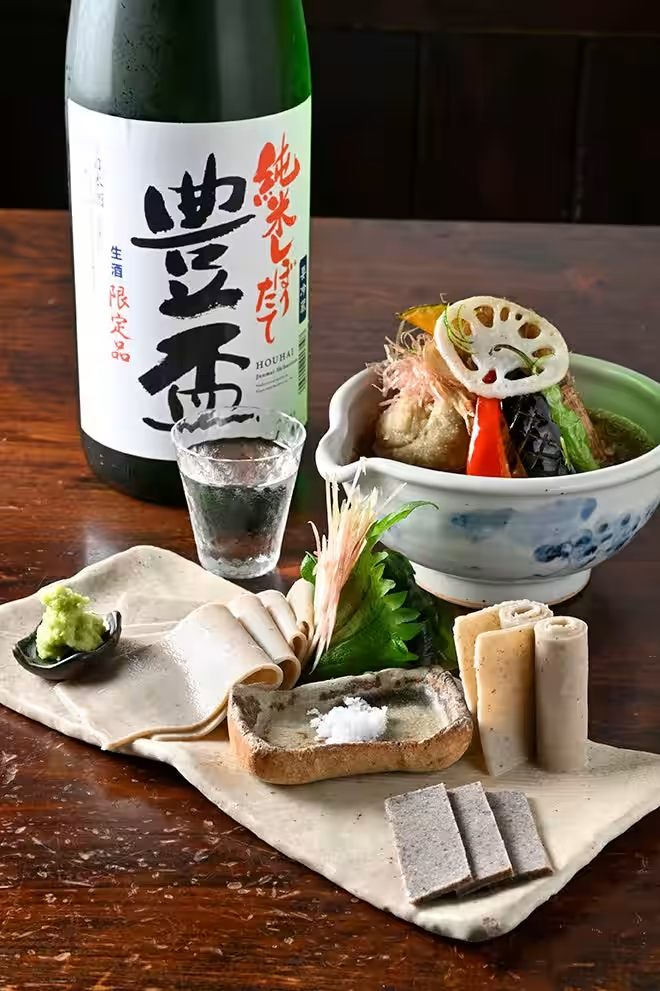
Finally, an exciting culinary feature highlights the arrival of the new soba season in Japan. This section captures the aroma and beauty of locally sourced soba, revealing the intricate connections between food culture and emotions, enhancing the overall themes of creativity and appreciation present in this issue.
With its rich blend of culture, history, and artistic endeavor, the October 2026 issue of Sarai provides an accurate reflection of how the art of calligraphy can profoundly enrich our daily lives through mindfulness and creative expression.
Topics People & Culture)
【About Using Articles】
You can freely use the title and article content by linking to the page where the article is posted.
※ Images cannot be used.
【About Links】
Links are free to use.