



Understanding Compliance Training: Why Education Often Fails to Deliver Results
The State of Compliance Training: An Insightful Analysis
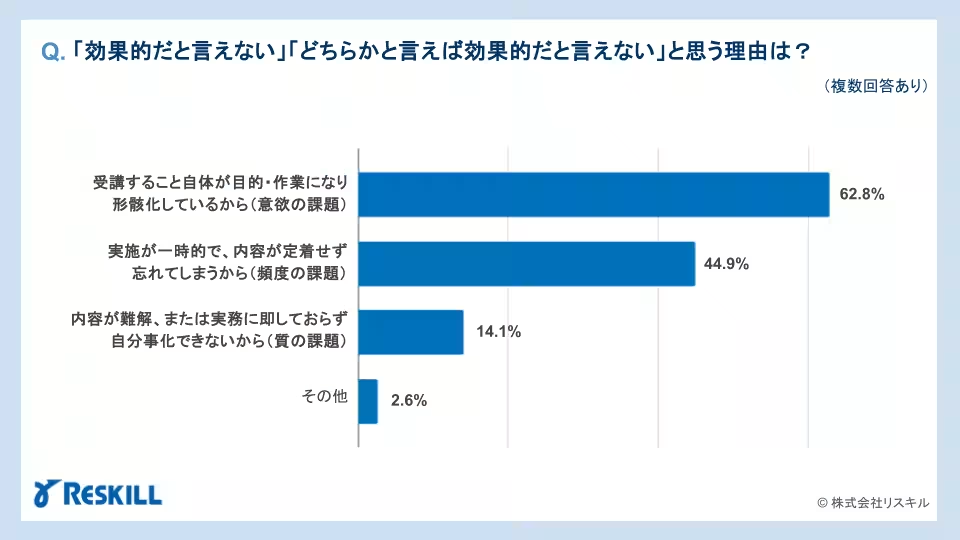
In a recent survey conducted by Riskill, a company specializing in employee training and development, an alarming trend has emerged regarding compliance training in businesses across the nation. A study, which gathered insights from 413 HR professionals, revealed that over 62.8% of participants believe that the act of completing training itself has become the main objective, overshadowing the actual goal of fostering compliance awareness and culture.
The Survey Findings
1. Current Approaches to Compliance Training
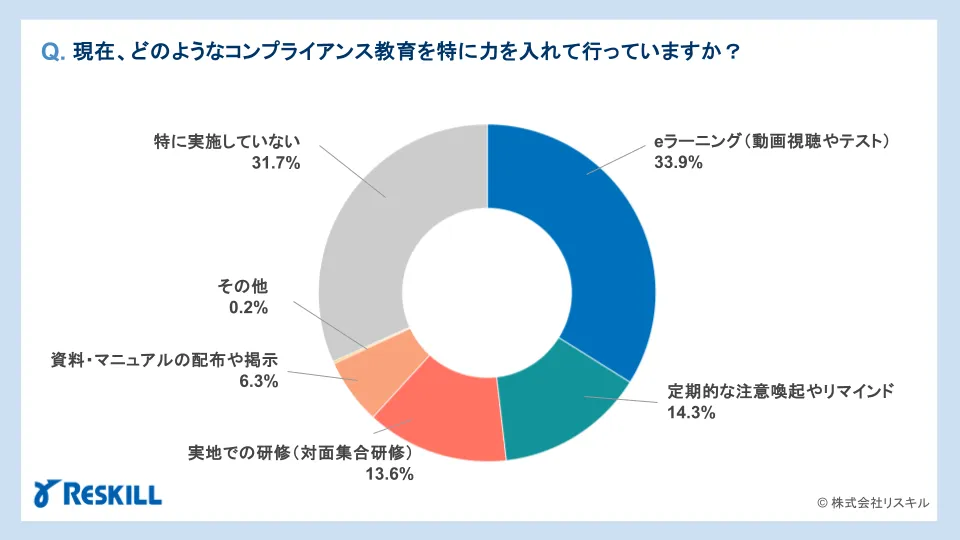
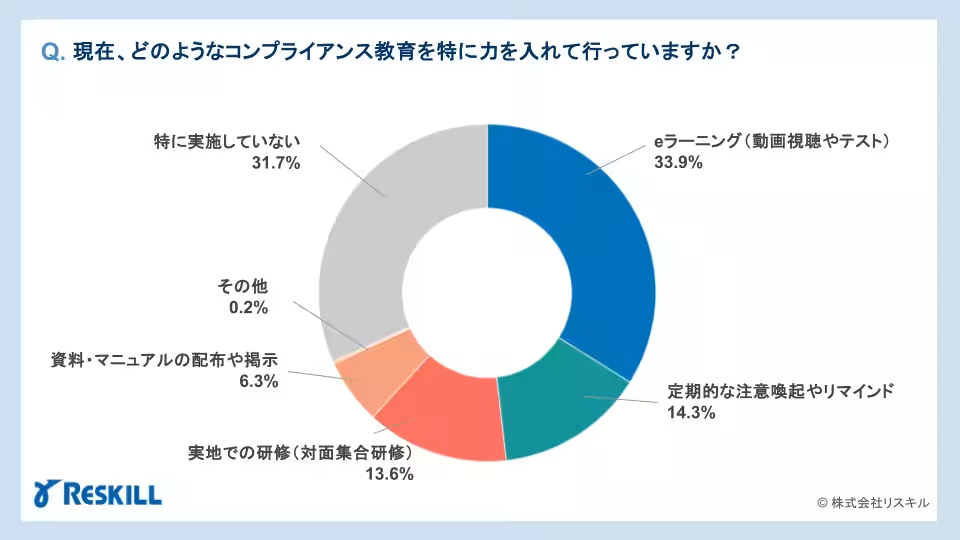
According to the survey, various methods of compliance training are being utilized within companies. The leading method is e-learning, which includes video lectures and tests, accounting for 33.9% of all training methods employed. Following e-learning, 14.3% of businesses reported conducting regular reminders and alerts, while 13.6% used in-person training sessions. Strikingly, 31.7% of organizations stated that they do not implement any form of compliance training, demonstrating a significant disparity in commitment to such initiatives among companies.
2. Effectiveness of Current Training Methods
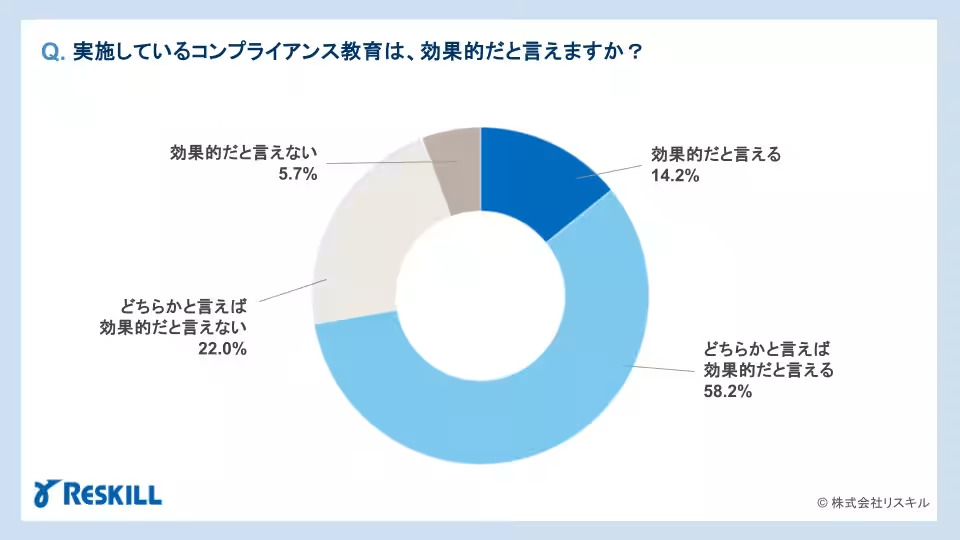
When it comes to the perceived effectiveness of these training methods, a combined 72.4% of respondents expressed a positive assessment, believing that their training efforts are either effective or somewhat effective. Despite this, a notable 27.7% indicated that they do not find the current methods sufficiently impactful, leaving about one in three companies facing challenges in compliance education.
3. Reasons for Ineffectiveness
The analysis revealed that the challenges in realizing effective compliance training are not solely dependent on the complexity of the content. Instead, the motivation of participants and the frequency of training significantly influence its effectiveness. A common sentiment among respondents is that many feel the requirement to complete training has led to a mechanical approach, viewing it merely as a task to fulfill rather than an opportunity for genuine learning.
4. Preferred Methods for Reinforcing Awareness
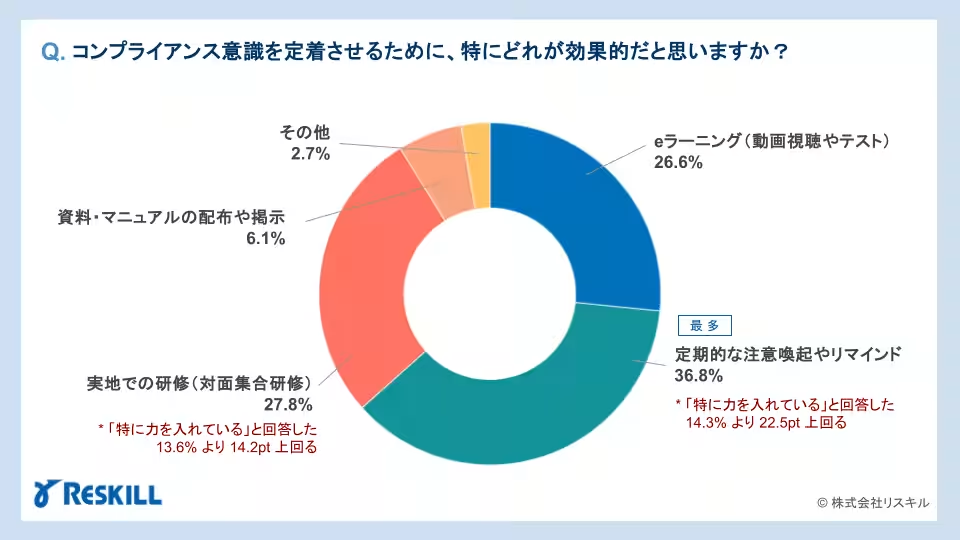
Among the strategies considered effective for embedding compliance awareness, the most frequently suggested method was regular reminders and alerts, seen as crucial when offered bi-weekly to monthly. However, only 14.3% of organizations actively engage in this approach, indicating a considerable gap between the recognized importance of frequent communication and the actual execution of such strategies.
Corporate Commentary
A representative from Riskill highlighted that the challenge of compliance education has shifted from merely implementation to ensuring long-term retention and application of knowledge. Training programs should not only lay the foundational understanding and awareness but also incorporate consistent reminders in daily operations to enhance effectiveness.
"Educate through training and reinforce with reminders; these two components must operate in tandem to elevate compliance awareness effectively," they stated.
Survey Overview
The survey was conducted from February 5 to February 9, 2026, and targeted HR personnel in organizations nationwide. The methodology included an internet survey facilitated by a professional research company, yielding 413 valid responses. It's essential to note that due to rounding, percentages may not add up to exactly 100%.
About Riskill
Riskill operates with the mission of providing education to as many individuals as possible. Their ongoing commitment to employee training and development aims to address the critical gaps identified in compliance education. For more information on their training offerings, you can visit Riskill's training site. This analysis reflects findings as of March 2026.
Topics People & Culture)

【About Using Articles】
You can freely use the title and article content by linking to the page where the article is posted.
※ Images cannot be used.
【About Links】
Links are free to use.