



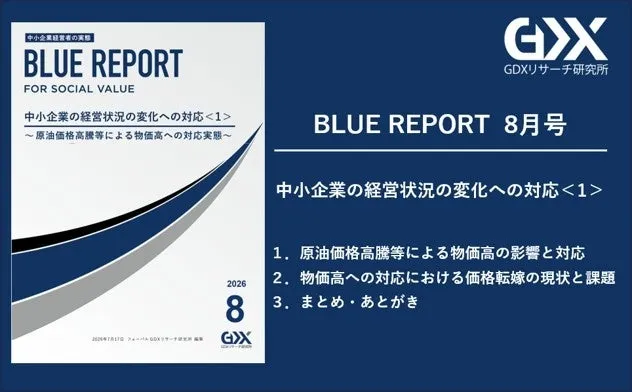
Impact of Rising Oil Prices on Small Businesses in Japan and Their Coping Strategies
Impact of Rising Oil Prices on Small Businesses in Japan and Their Coping Strategies
In a recent report published by Forval GDX Research, it was revealed that nearly 70% of small businesses in Japan are facing significant challenges due to the surge in oil prices. The study focused on understanding the implications of rising costs on small businesses and the strategies they are employing to cope with this issue. This report is part of the BLUE REPORT series, which aims to shed light on current trends affecting small enterprises across the country.
Key Findings
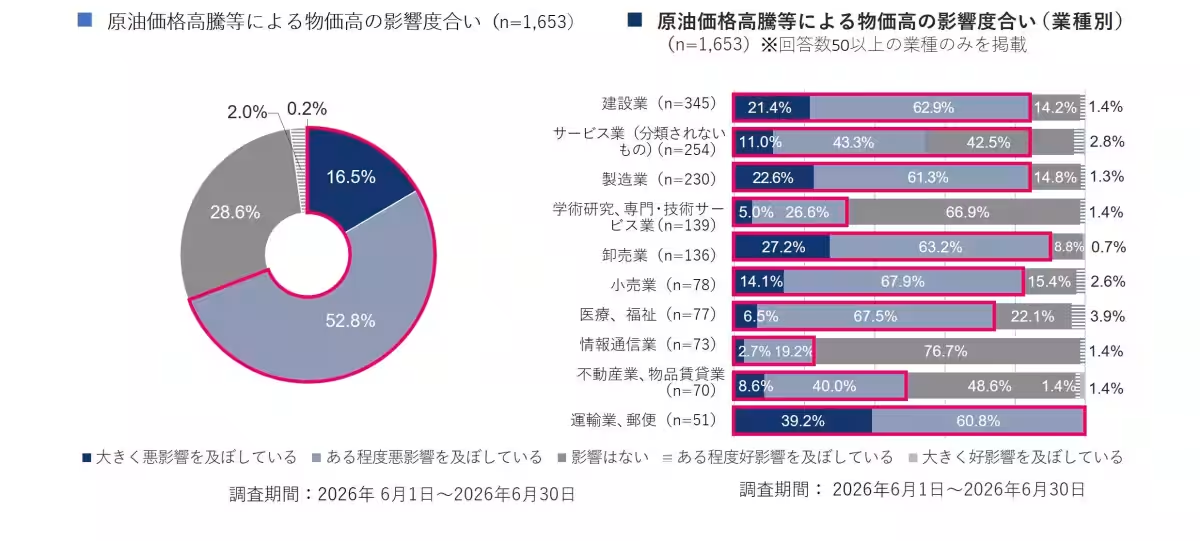
The report's findings indicate that 69.3% of the surveyed business owners reported adverse effects from the increased oil prices. Notably, industries such as construction, manufacturing, wholesale, retail, and transportation are particularly hard hit, with more than 80% of businesses in these sectors feeling the financial strain.
The rising costs are attributed to multifaceted factors, including escalating raw material prices, higher fuel expenses, and increased transportation costs. These economic pressures culminate in heightened operational costs, threatening the viability of many small businesses in the long term.
Coping Mechanisms Adopted
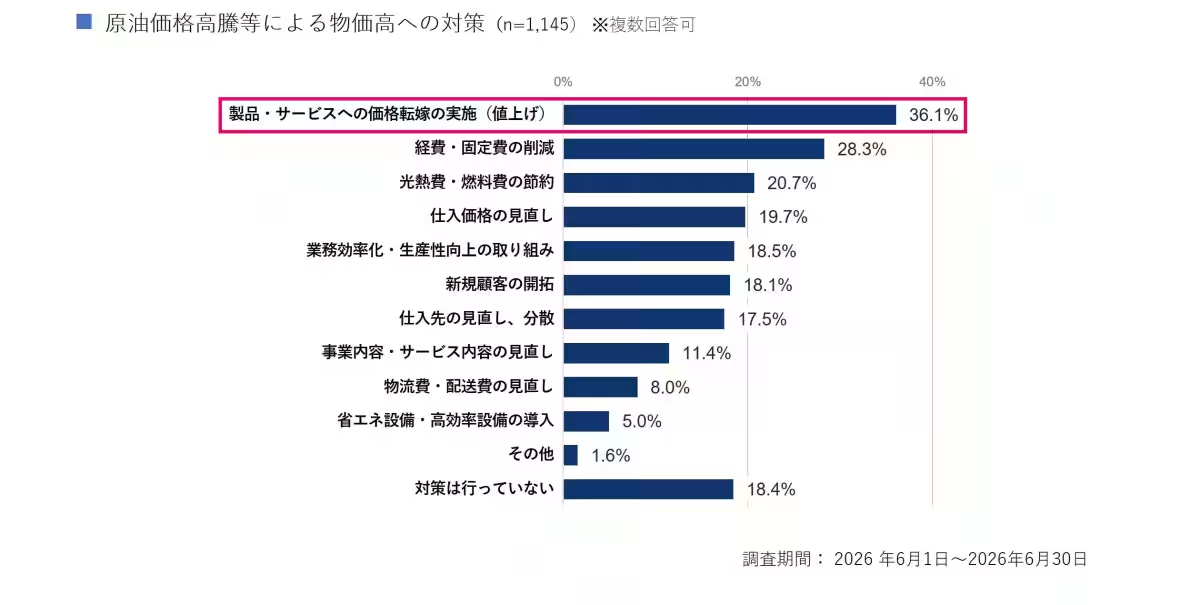
To address these challenges, businesses are adopting a variety of strategies. The most common approach reported by 36.1% of respondents is transferring increased costs to consumers by raising prices of goods and services. Alongside price adjustments, many are also focusing on reducing operating expenses, conserving energy, and reassessing procurement prices. Interestingly, around 18.4% of small businesses have yet to implement any countermeasures, reflecting a disparity in how different firms are responding to the crisis.
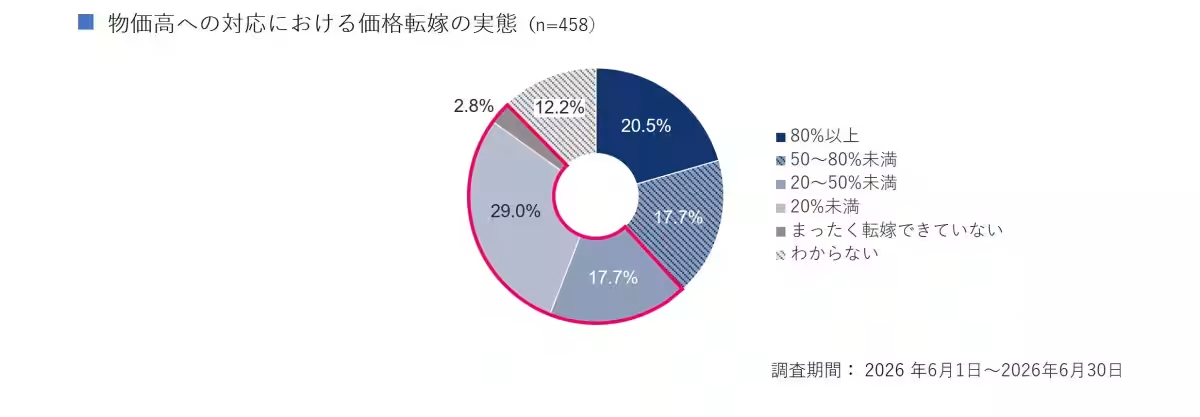
Despite these efforts, only 20.5% of those firms that attempted to pass on increased costs have managed to transfer more than 80% of the cost hike to their customers. This statistic points to a significant challenge, with nearly half (49.6%) reporting that they either transferred less than 50% of the increased cost or did not shift any costs at all, underscoring the difficulties in adapting to the changing economic landscape.
Challenges in Cost Transmission
Many businesses cited hesitation in increasing prices due to concerns over losing customers and the difficulties inherent in negotiating with suppliers. In fact, 48.1% pointed to fears of customer attrition as a primary reason for not raising prices, while 46.8% felt it was challenging to negotiate price adjustments with suppliers or clients. Moreover, 28.2% of businesses noted that industry norms and contractual terms often inhibit their ability to implement necessary price hikes.
Assessment of the recognition of the Act on the Rationalization of Commissioned Business Transactions, known as the “Taking Act” among small enterprises revealed that only about half of the businesses are aware of it – with a mere 9.8% claiming sufficient knowledge to explain it to others. This lack of awareness further complicates efforts to facilitate proper price negotiation and the overall price structure.
The Path Forward
The report underscores that the economic environment faced by small businesses is evolving rapidly and presents an array of challenges that require simultaneous solutions. As inflationary pressures persist, small business owners are compelled to navigate through multiple core issues: managing price hikes, ensuring sustainable wage growth, and tackling labor shortages that hinder productivity.
For many enterprises, the long-term implications of these economic trends could jeopardize their operational stability if they are unable to recover costs effectively. Therefore, businesses need to enhance their understanding of industry price fluctuations and prepare adequately for negotiations. Moreover, it is crucial that the government and related institutions work towards improving information dissemination regarding the Taking Act and establish support systems for small businesses.
In summary, the BLUE REPORT provides critical insights into how rising oil prices are affecting small businesses in Japan and the multifaceted strategies being deployed to address these challenges. As the landscape continues to change, it is imperative for both small enterprises and regulatory bodies to collaborate in fostering an environment that promotes sustainability and resilience against ongoing economic pressures. The health of Japan's small business sector is not only vital for the economy but also for the overall societal well-being, and it is essential that all stakeholders work together towards a more supportive future.
For more details on the report, refer to the following link: BLUE REPORT

Topics Business Technology)
【About Using Articles】
You can freely use the title and article content by linking to the page where the article is posted.
※ Images cannot be used.
【About Links】
Links are free to use.