



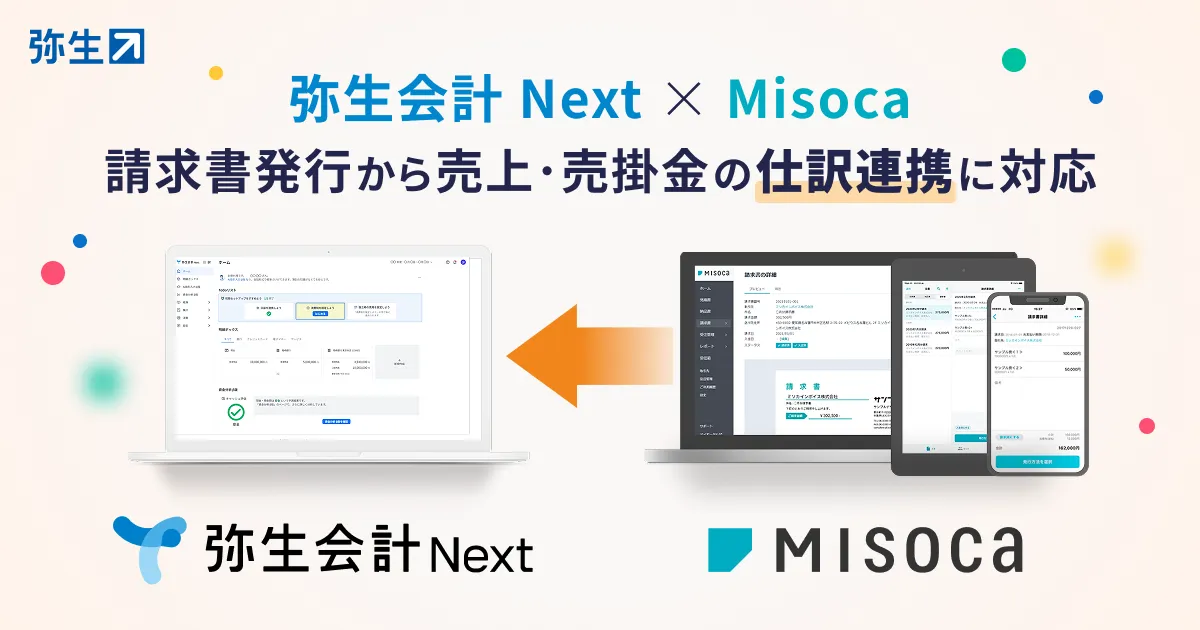
Yayoi Accounting Next and Misoca Integration: A New Era for Businesses
Yayoi Accounting Next and Misoca Integration: A Streamlined Future for Business Operations
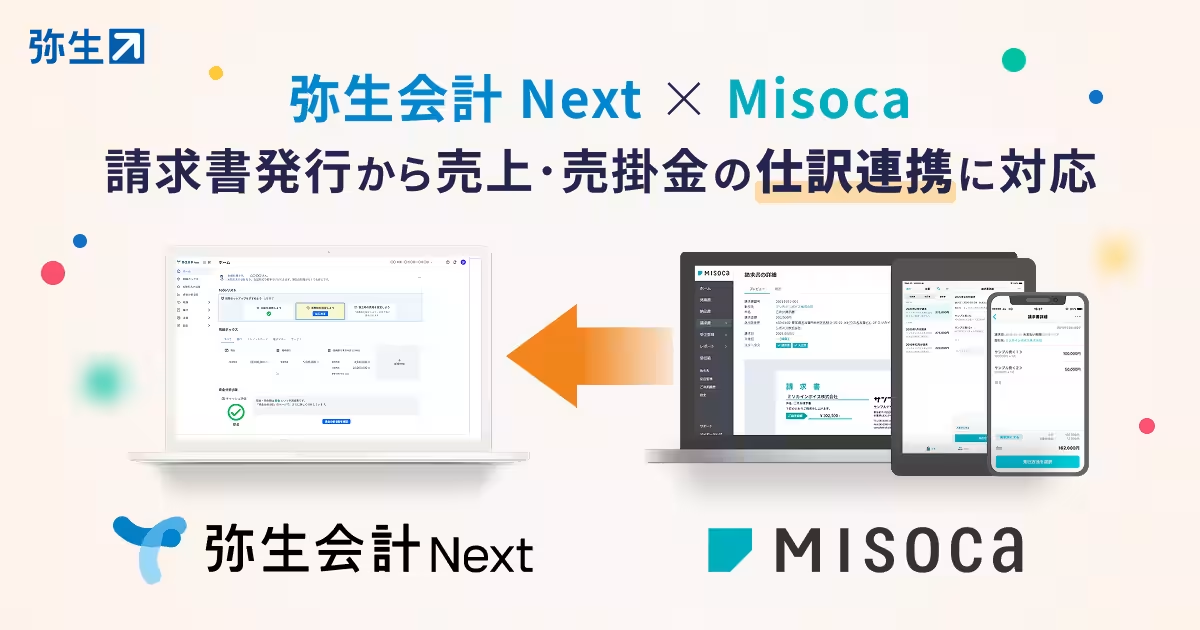
On July 17, 2026, Yayoi Co., Ltd., based in Chiyoda, Tokyo, will launch an integration between its cloud accounting software, Yayoi Accounting Next, and the cloud invoicing service, Misoca. This partnership will allow businesses utilizing Misoca to automatically link their invoice data to Yayoi Accounting Next, facilitating a transition to cloud-based accounting without altering existing invoicing processes.
The Need for Integration
Small and medium-sized enterprises often manage invoicing and accounting through different services and processes. As businesses strive for efficiency and better visibility into financial health, there has been a significant push towards cloudification of accounting practices. However, many businesses are hesitant to migrate to cloud accounting due to concerns about modifying established invoicing operations, such as wanting to maintain their current systems for generating and managing invoices and orders.
Yayoi Accounting Next provides a comprehensive cloud accounting solution that intertwines accounting, expenses, and invoicing services in one platform, allowing for efficient management. On the other hand, Misoca is a widely used service among businesses for creating various documents, including quotes, delivery notes, and invoices. It also supports automated scheduling, postal services, and order management, ensuring overall efficiency in invoicing tasks.
How This Integration Works
With the new integration, businesses using Misoca can transition to cloud accounting with Yayoi Accounting Next while maintaining their existing invoicing operations. This collaboration presents a seamless way to link invoice data to sales and accounts receivable entries within Yayoi Accounting Next, enabling automatic creation and transmission of journal entry data based on the invoice data issued through Misoca. The system not only automates sending invoices via email or postal services but also allows manual sending at any chosen time. This functionality drastically reduces the need for data re-entry and the risk of errors associated with inputting information multiple times.
Benefits for Customers
1. Maintain Existing Processes: Businesses already leveraging Misoca can transition to Yayoi Accounting Next without altering their established invoice issuance and client management methods. This minimizes the burden of switching to a new invoicing system, thus prioritizing the simplification of cloud adoption.
2. Reduce Data Re-entry: By connecting invoices generated in Misoca with Yayoi Accounting Next, businesses can effectively utilize invoice data for sales and accounts receivable management. This not only streamlines operations but also helps prevent mistakes associated with data entry, enhancing the overall efficiency of accounting operations.
3. Integrated Optimal Services: Users can capitalize on various features offered by Misoca—such as automated document creation, postal services, and order management—while still benefiting from the functionalities of Yayoi Accounting Next. This ensures that accounting and invoicing operations can co-exist harmoniously, fostering overall back-office efficiency.
Conclusion
Yayoi aims to support businesses by providing flexible options for cloud adoption, allowing them to gradually modernize their operations while optimizing back-office functionality and strengthening their operational foundations. As companies consider transitioning from traditional accounting software to cloud solutions, the integration with Misoca stands as an advantageous solution, fostering a smoother workflow and improved productivity.
For more information about Yayoi Accounting Next, visit Yayoi Accounting Next.
To learn more about Misoca, check out Misoca.
Topics Business Technology)
【About Using Articles】
You can freely use the title and article content by linking to the page where the article is posted.
※ Images cannot be used.
【About Links】
Links are free to use.