



Innovative Approach to Parenting in Sports with Rapsodo Technology
Innovative Parenting in Sports through Rapsodo Technology
Introduction
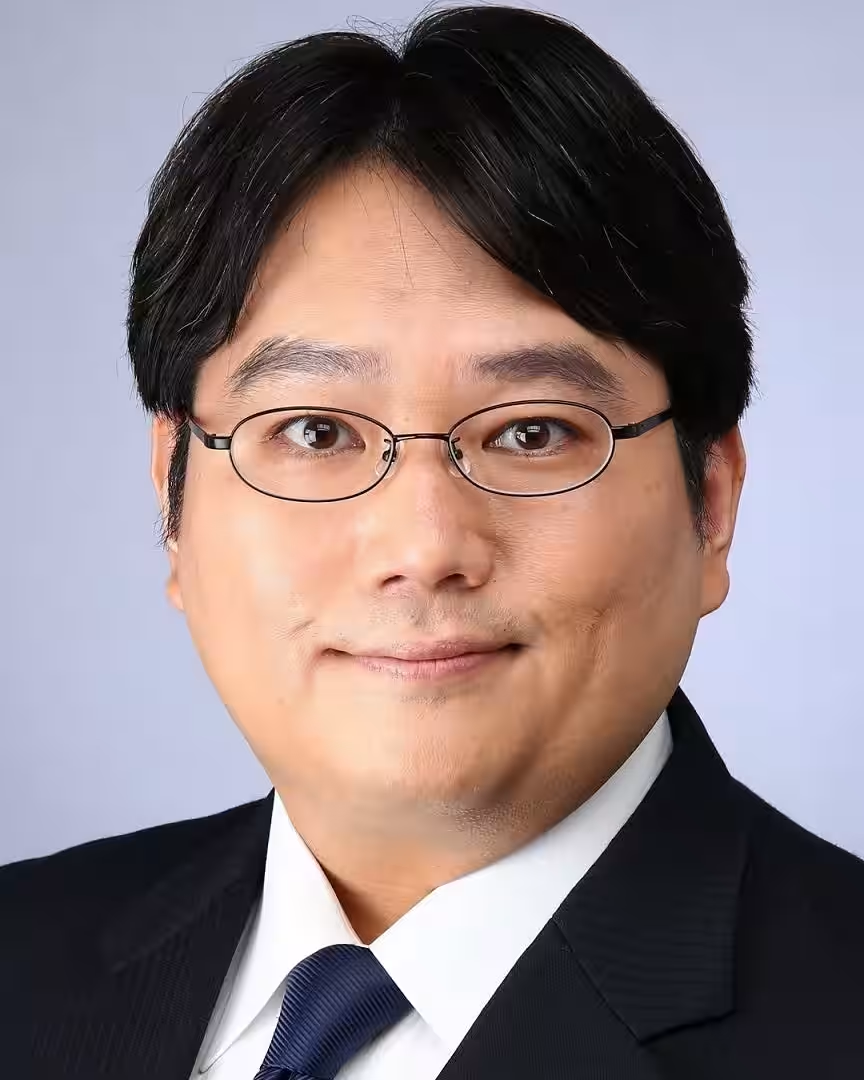
In the realm of youth sports, the balance between traditional coaching methods and modern technology is shifting. Recent initiatives led by Tomonori Tomura, the chairman of the Japan Management Research Institute, illustrate a progressive approach to how we engage in youth sports, particularly baseball. Through the ‘Papa School’ initiative, parents are encouraged to learn alongside their children, moving away from outdated practices such as corporal punishment and reliance on sheer willpower.
Rapsodo: A Game Changer in Sports Training
One of the key tools being implemented in this new approach is Rapsodo, a performance measurement technology that provides data-driven insights into athletic performance. With its roots in Major League Baseball and expanding relevance within Japan’s professional leagues, Rapsodo empowers parents and children to take a scientific approach to sports. This initiative focuses on encouraging meaningful learning experiences between parents and their children, enabling personal and athletic growth.
The Philosophy Behind ‘Papa School’
Tomura believes that effective coaching should respect the individuality and aspirations of young athletes. The ‘Papa School’ initiative was designed to provide a supportive environment where parents serve not as authoritarian figures but as partners in their children’s athletic journeys. Through the guidance of Rapsodo performance data, parents can engage with their children in conversations about improvement, overcoming challenges, and understanding the science behind their training.
How the Program Works
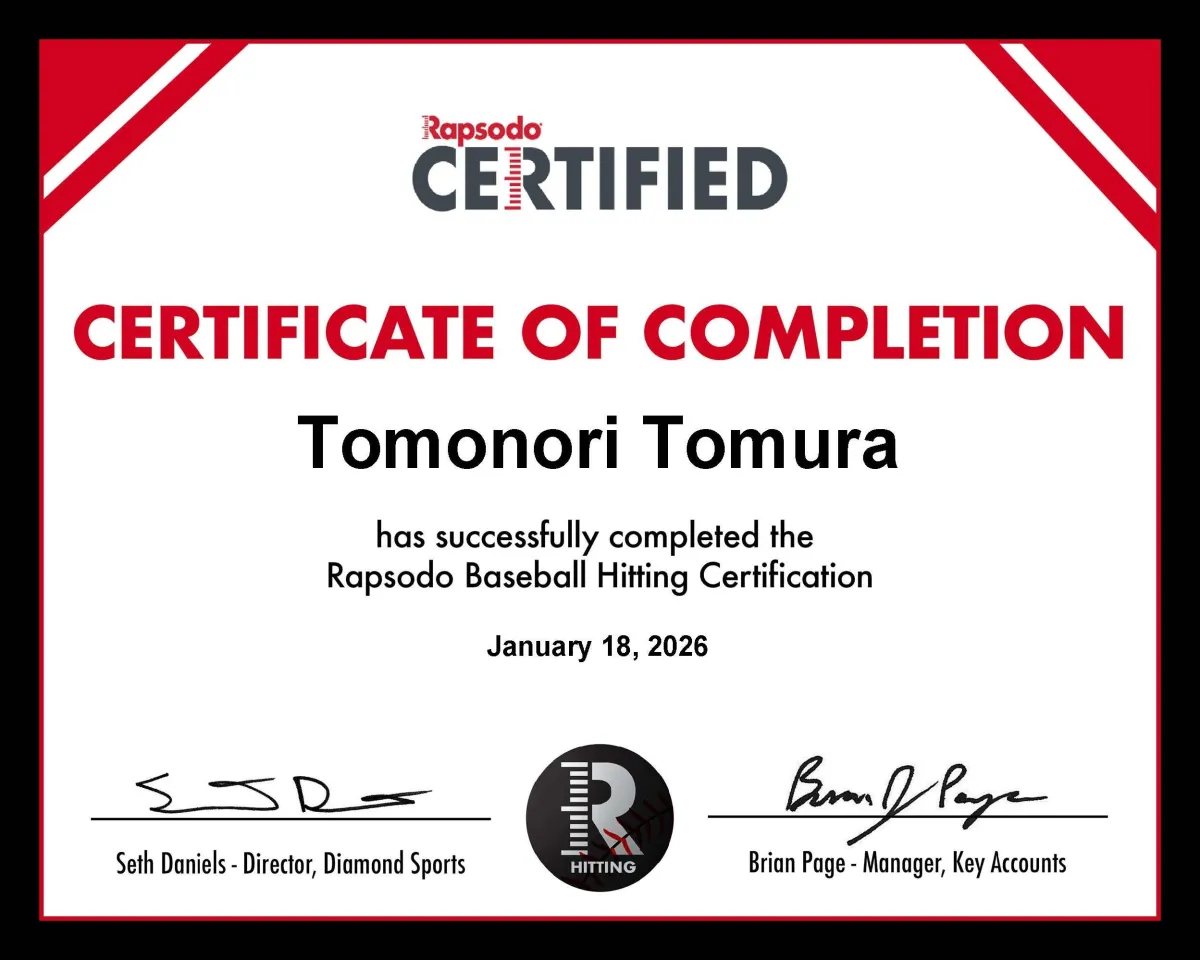
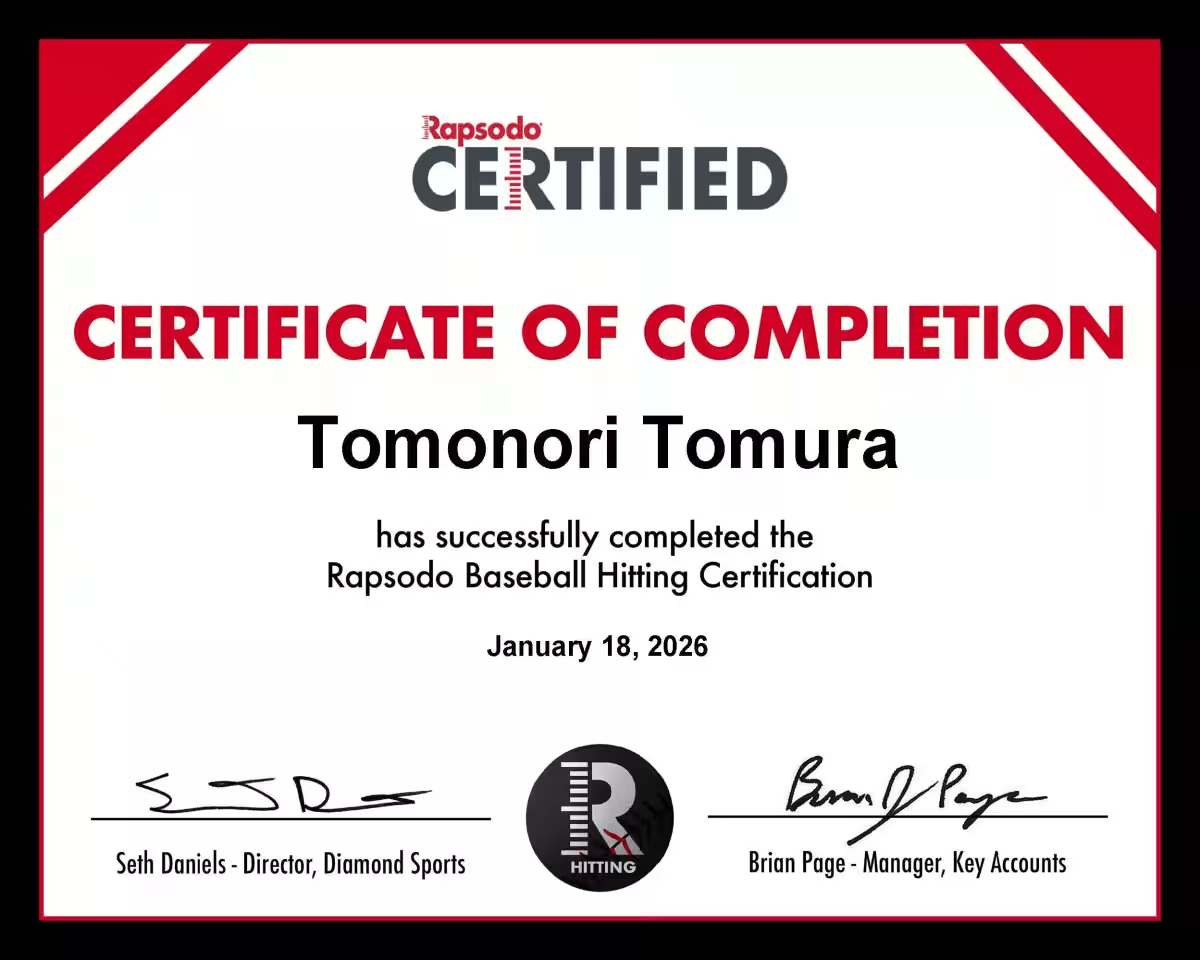
The program kicks off with Tomura completing the Rapsodo Certified course, equipping himself with a systematic understanding of the technology. This personal investment not only exemplifies commitment but also sets the stage for a shared learning experience. As Tomura’s sixth-grade son joins a middle school hardball team, they will utilize the Rapsodo technology to track performance metrics.
Regular analyses of his performance will foster discussions about areas of improvement, transitions from games to practice scenarios, and emotional readiness—all central to developing a well-rounded athlete.
Embracing Scientific Methods Over Old Practices
Historically, youth sports often leaned on outdated notions such as “tough love” and “grit,” overlooking the mental and emotional aspects of training. Tomura’s approach highlights the importance of mental health while integrating constructive feedback through quantitative data from Rapsodo. This shift encourages athletes to focus on growth rather than solely on winning, promoting a healthier, more sustainable approach to sports participation.
The Importance of Continuous Learning
In a landscape where not all coaches possess the knowledge or skills to interpret athletic data adequately, Tomura advocates for a hands-on, learning-driven approach. His philosophy, “If you don't know much, it’s time to learn!” encapsulates the spirit of the initiative. By taking the lead on understanding Rapsodo technology, he aims to create an environment of shared knowledge and mutual respect between parents and their children.
Conclusion
This innovative model promoted by the Japan Management Research Institute not only champions a modern educational approach to sports but also redefines the traditional parent-child dynamic in athletics. By fostering an environment of mutual learning and respect, ‘Papa School’ aims to create a more enriching athletic experience for young athletes. As this initiative unfolds, it illustrates the potential for science and personal growth to reshape sports education for families across the nation. With the introduction of Rapsodo, parents and children are set to embark on a mutually beneficial journey that transcends conventional coaching paradigms and embraces the future of sports education.
Topics Sports)
【About Using Articles】
You can freely use the title and article content by linking to the page where the article is posted.
※ Images cannot be used.
【About Links】
Links are free to use.