




Analyzing Startup Costs and Initial Investment for Hair Removal Salons in Japan
Understanding the Startup Landscape for Hair Removal Salons
A recent survey conducted by Lady Bird Corporation, based in Shinagawa, Tokyo, focused on the initial costs associated with starting hair removal salons. This survey sought to illuminate the financial landscape for prospective salon owners regarding equipment investment and operational costs.
Overview of the Survey
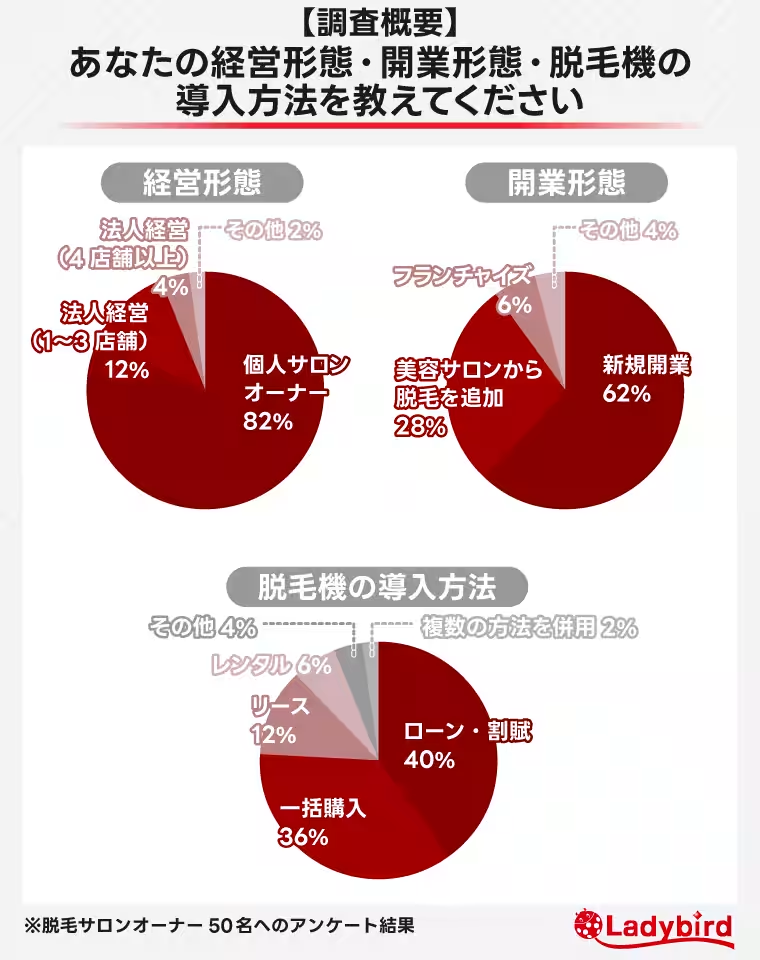
Lady Bird Corporation aimed to provide insights into the hair removal industry by surveying 50 salon owners and staff members through an internet questionnaire from February 6, 2025, to February 17, 2026. The survey collected data on initial costs, equipment investments, funding sources, and various strategies that successful salon owners employed to manage expenses.
Key Findings on Initial Costs
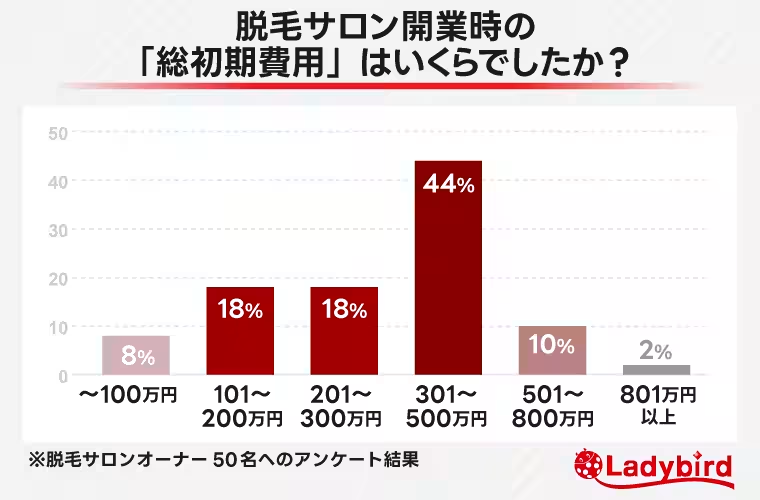
One of the primary questions asked was about the total initial costs incurred when opening a hair removal salon. The results indicated that the most common range fell between 3.01 to 5.00 million yen, with 44% of respondents reporting costs within this bracket. This indicates that many salon owners opt to invest in quality while ensuring a stable launch.
Nineteen percent reported costs between 1.01 to 2.00 million yen, while another 18% fell within the 2.01 to 3.00 million yen range, suggesting that more budget-conscious owners employ creative strategies to offset their expenses. Such strategies may include:
- - Utilizing second-hand equipment
- - Capitalizing on existing properties for salon space
- - Focusing on organic marketing through social media instead of traditional paid advertising
While brand-new beauty equipment can cost several hundred thousand yen, many owners found that tapping into the second-hand market significantly reduced their initial investment. However, they must weigh the risks, including potential mechanical failures and insufficient warranties associated with used equipment.
Equipment-Specific Initial Costs
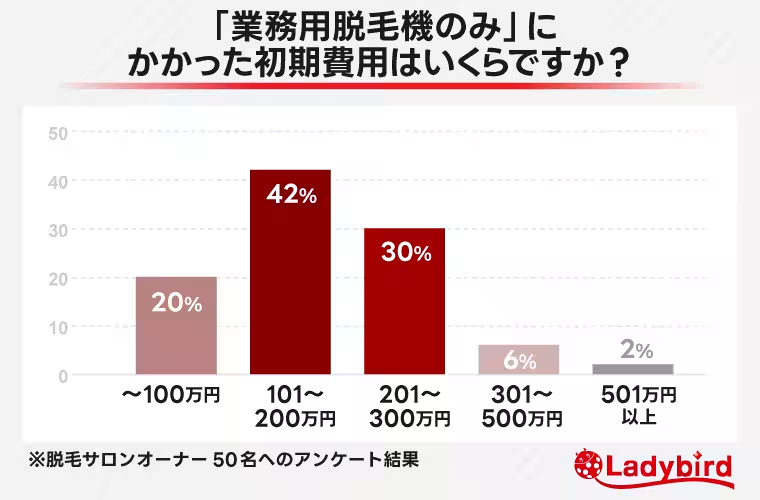
When narrowing down to equipment alone, 72% of owners reported initial expenses between 1.00 to 3.00 million yen for professional hair removal devices. Specifically, 42% indicated that their equipment investment was between 1.01 to 2.00 million yen, and 30% fell between 2.01 to 3.00 million yen. These figures illustrate that this price point essentially reflects the standard in the current market, making such equipment accessible for smaller or individual salons.
Investments in equipment exceeding 3.01 million yen comprised less than 10%, indicating a focus on balancing costs across other areas such as infrastructure and property acquisition within business plans.
Funding Strategies for Startup Costs
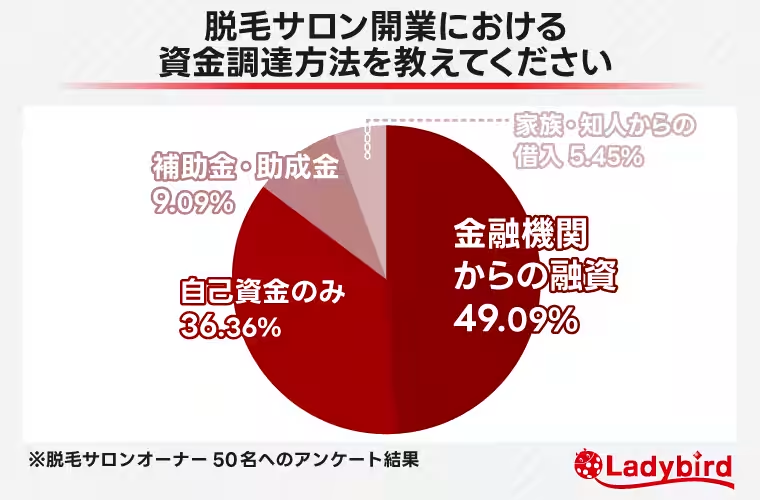
An analysis of funding strategies revealed that 49.09% of respondents relied on financial institution loans, suggesting that starting a hair removal salon often requires more than just personal capital. Many entrepreneurs obtain low-interest loans from institutions like the Japan Finance Corporation to facilitate equipment investments and operational funding.
Conversely, approximately 36.36% managed to open their salons using only personal savings. These operators likely engaged in cost-efficient approaches such as minimizing equipment investments or launching their businesses in more affordable locations, like their residences, thus reducing risks associated with higher initial costs.
Supplementary funding through grants and subsidies accounted for only 9.09%. Factors limiting this option include timing mismatches and complex application processes. Because these funds are primarily available post-completion of projects, prospective owners are often inclined toward more readily accessible financing options to address their cash flow needs.
Cost-Cutting Decisions and Reflections
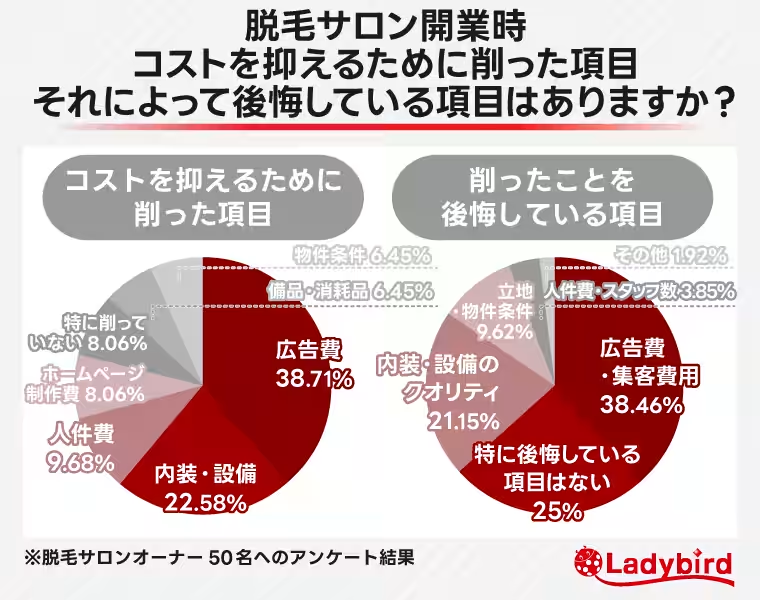
The survey also examined areas where owners opted to cut costs and later expressed regret. Advertising expenses and quality of interior design emerged as two primary areas where owners found themselves compromised. While 38.7% admitted to lowering their ad budgets, nearly as many (38.4%) wished they hadn’t.
Initial marketing, vital for driving customer engagement, was often overlooked as many believed social media could cover for their promotional needs. Nonetheless, many owners regretted this decision, stating they faced challenges in securing bookings and attracting clientele without proper online presence and marketing investment.
Similarly, 22.5% reported cutting back on interior design costs, with a considerable number regretting it due to resulting quality deficiencies in delivering a desirable customer experience, indicating the significant value of creating an inviting and luxurious atmosphere in salons.
Conclusion
The study highlights that startup costs for hair removal salons commonly range from 3.00 to 5.00 million yen, with substantial investments towards professional equipment. Approximately half of the salons surveyed utilized loans to facilitate their opening. Additionally, the findings suggest that advertising budget cuts, particularly in the critical initial phase, can lead to missed opportunities for attracting customers. The importance of balancing expenses while maintaining quality ensures long-term viability and success in the competitive salon landscape. Prospective salon owners should carefully consider these insights as they navigate their journeys into the hair removal industry.

Topics Consumer Products & Retail)
【About Using Articles】
You can freely use the title and article content by linking to the page where the article is posted.
※ Images cannot be used.
【About Links】
Links are free to use.