



Understanding Noise Disputes in Apartment Complexes: Survey Insights from Tsunagu Net
Dive into Apartment Noise Issues
A recent survey conducted by Tsunagu Net Communications, a company known for enhancing communication among apartment residents, explored significant challenges faced by inhabitants of collective housing. The survey was conducted over three days, from February 10 to 12, 2026, and included responses from 516 residents who have experienced stress related to noise disturbances in communal areas.
Key Findings from the Survey
The survey aimed to uncover the threshold for noise tolerance among residents, as well as the common behaviors adopted during issues, the reasons for hesitation in seeking help, and the support measures residents desire.
Noise Tolerance Threshold
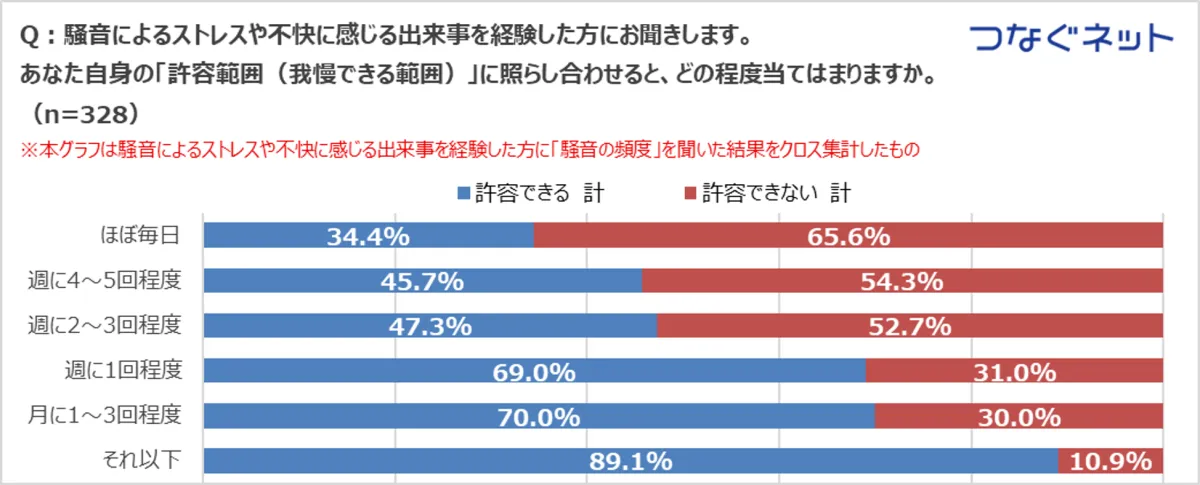
The findings revealed a startling statistic: more than half of the participants deemed noise unacceptable if it occurred more than twice a week. In contrast, those who experienced noise less frequently (once a week or less) tend to tolerate it more. This indicates that frequent disturbances sharply increase the likelihood of negative responses among residents.
Inaction Despite Disturbance
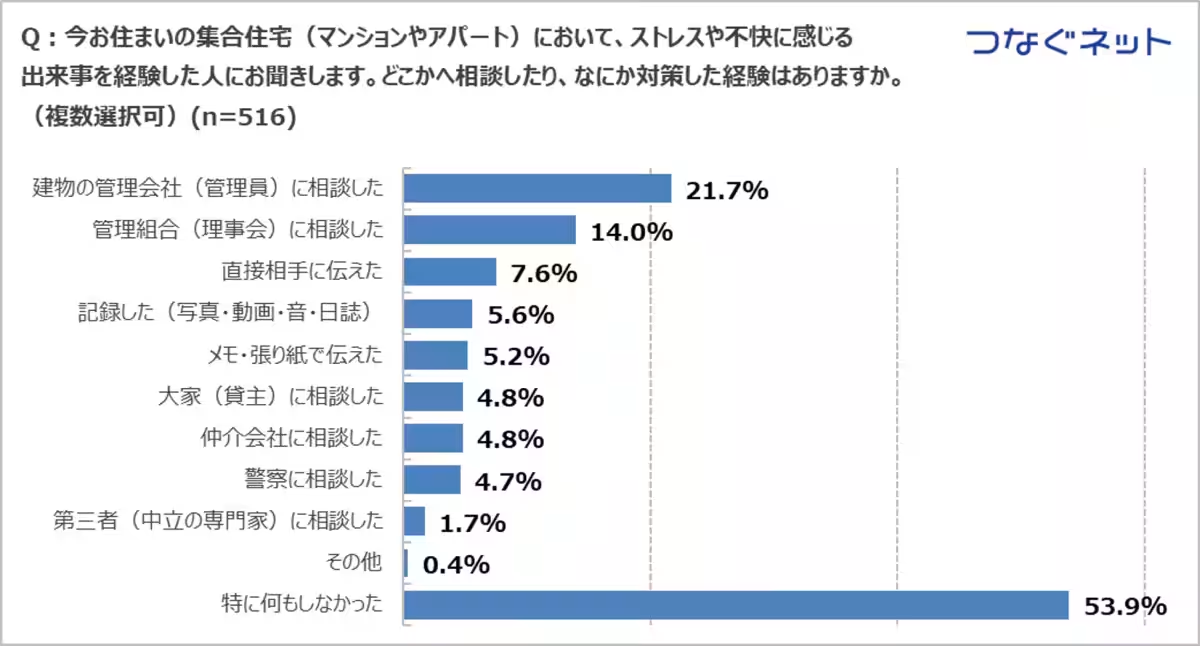
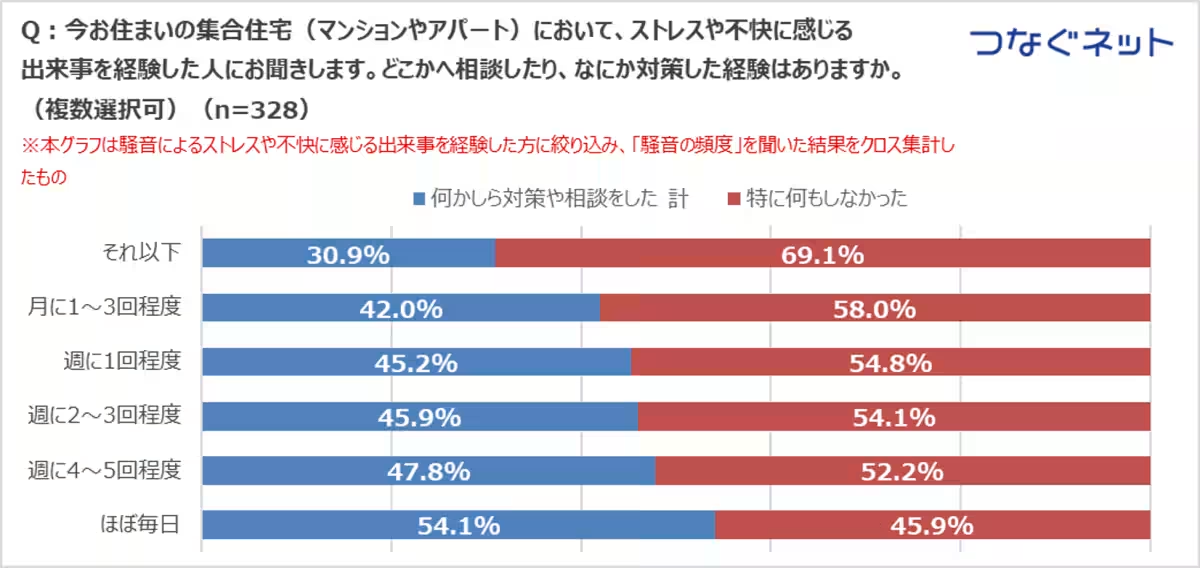
In a further analysis, it was noted that an overwhelming 53.9% of participants reported not taking any action, even when they faced frequent disturbances. Among those exposed to noise four to five times a week, 52.2% chose to do nothing, while 45.9% remained inactive despite daily disturbances.
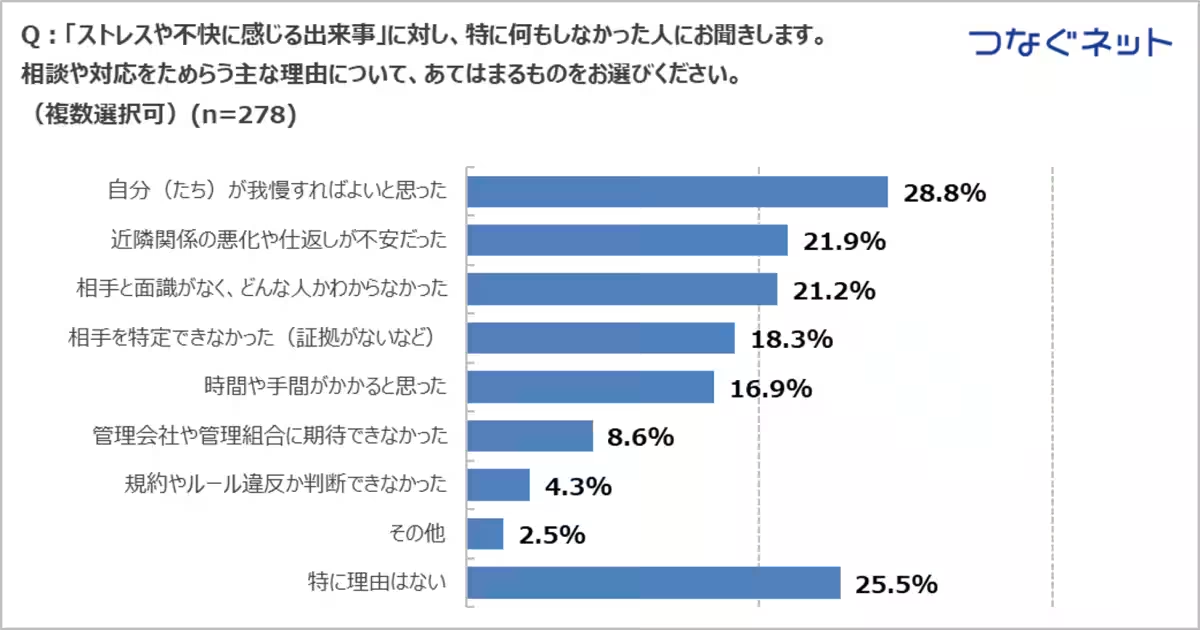
The reasons behind this inaction varied, but the most common were:
- - 28.8% believed they could simply endure the situation,
- - 21.9% were afraid of damaging relationships with neighbors, and
- - 21.2% felt uncertain about who their noisy neighbors were. This suggests psychological and social barriers significantly influence residents' actions.
Demand for Effective Support Mechanisms
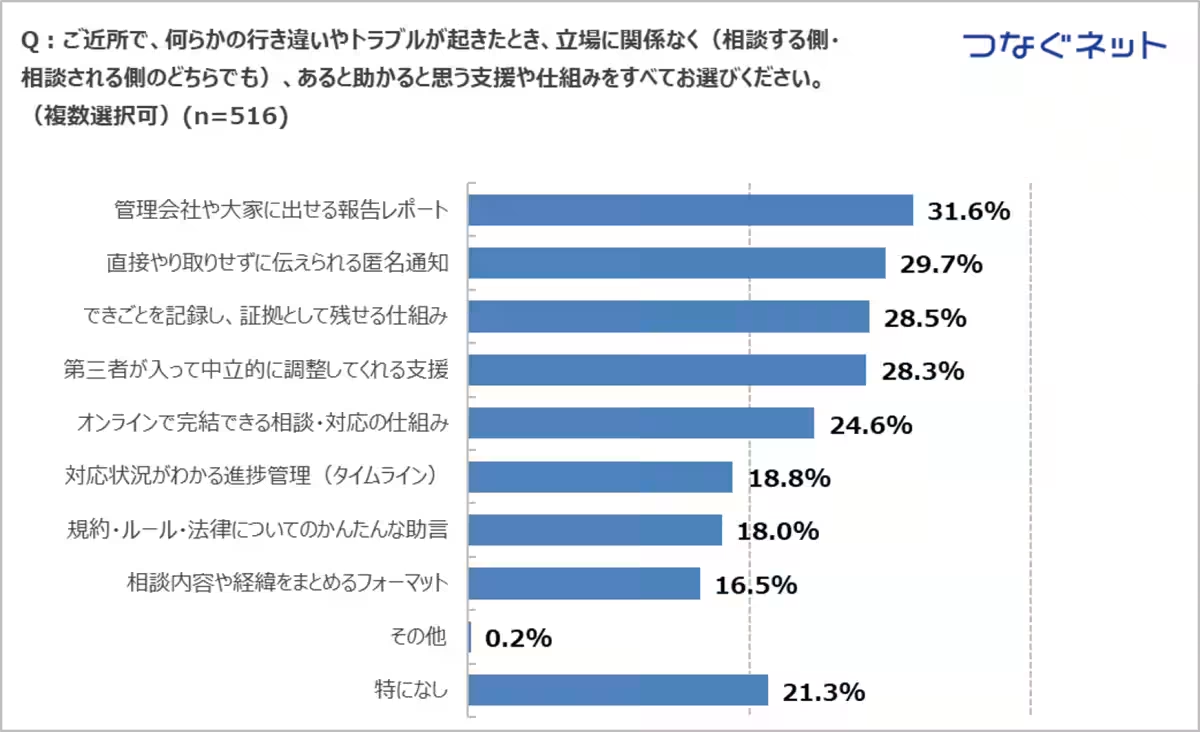
Respondents expressed a strong need for systems that could assist them without exacerbating tensions. The top desired solutions included:
- - 31.6% requested reports to provide to property management,
- - 29.7% desired anonymous notifications that could communicate issues without direct confrontation, and
- - 28.5% looked for tools to document and preserve evidence of disturbances. This points to a clear demand for objective methodologies to address disputes without direct confrontations.
Tsunagu Net’s Initiatives
In response to the findings, Tsunagu Net has developed ICT solutions aimed at improving communication and management in apartment settings:
Mcloud: Streamlined Apartment Management
One notable product is Mcloud, a groupware specialized for managing apartment associations. It empowers management by digitalizing reporting and communication processes, thus simplifying operations and allowing residents to submit feedback while maintaining records effectively.
GOKINJO: Community Engagement
In addition, the GOKINJO platform, designed for community support, enables residents to share information and communicate anonymously about their apartment living experiences. This contributes to alleviating anxieties about neighbor relations.
Conclusion
The survey sheds light on the pressing need for a supportive environment where residents can report disturbances or seek intervention in a manner that feels safe and unobtrusive. Tsunagu Net aims to create a harmonious living experience in apartments by leveraging technology and fostering better collaboration between management and residents.
For more detailed survey results, visit Tsunagu Net’s Apartment Lab.
Company Overview
Tsunagu Net Communications, Inc.
- - CEO: Takeshi Ugamune
- - Location: Otemachi, Chiyoda, Tokyo
- - Founded: January 24, 2001
- - Website: Tsunagu Net
Please note that the information included in this article was current as of the time of publication.
Topics People & Culture)








【About Using Articles】
You can freely use the title and article content by linking to the page where the article is posted.
※ Images cannot be used.
【About Links】
Links are free to use.