



Formation of Consortium Aiming to Expand JCM Credits Utilizing Intermittent Irrigation Technology
Formation of a Consortium to Promote JCM Credits through Intermittent Irrigation Technology
In a significant collaboration aimed at promoting the Joint Crediting Mechanism (JCM) credits, Idemitsu Kosan Co., Ltd. has announced the formation of the "Rice Paddy JCM Consortium" alongside several key partners, including Osaka Gas Co., Ltd., Kanematsu Corporation, Green Carbon Co., Ltd., Sompo Japan Insurance Inc., Toho Gas Co., Ltd., Fuyo General Lease Co., Ltd., and Mitsubishi UFJ Trust and Banking Corporation. This consortium aims to expand the reach of rice paddy-derived credits under the JCM framework, particularly in the Philippines.
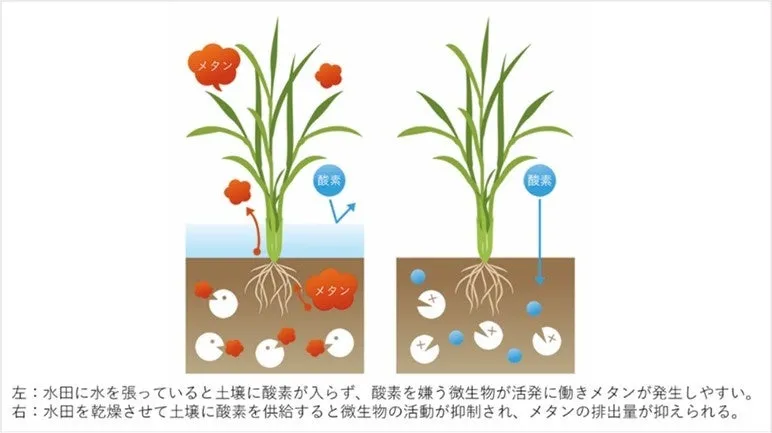
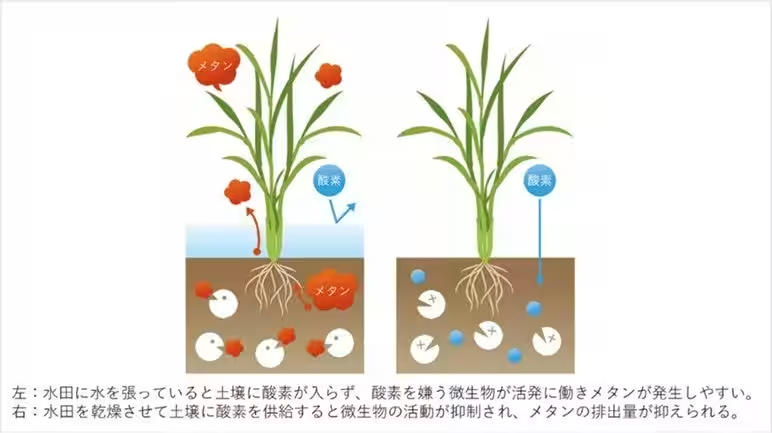
The consortium's core initiative will leverage the Alternate Wetting and Drying (AWD) technology in rice cultivation, analyzing how this innovative approach impacts rice yield and the influence of weather patterns on its implementation. Essentially, AWD involves managing water levels in rice paddies by periodically draining fields to dry the soil before flooding them again. This method is known to reduce methane emissions compared to continuously flooded fields, with some studies suggesting a possible reduction of around 30%, while also improving rice yields.
Yet, a significant challenge remains: the implementation of AWD is highly susceptible to weather conditions, and there has not been enough thorough analysis regarding this correlation. Thus, one of the primary objectives of the consortium is to systematically analyze data from various projects utilizing AWD in the Philippines, disseminating insights regarding value and risk involved in these initiatives.
The expected outcome is not merely the promotion of rice paddy-derived JCM credits but a robust understanding of the multifaceted value brought by increased yields and the practical merits highlighted through real data, directed toward government officials and farmers in partner countries. By bridging this knowledge gap, the consortium seeks to inspire further interest and expectation surrounding JCM.
Furthermore, the consortium will analyze the correlation between precipitation, typhoons, and AWD technology, aiming to illuminate previously ambiguous weather risks. This proactive approach is designed to heighten predictability for projects, thereby fostering investment. An additional goal is to provide transparent information to credit consumers so they can confidently engage in transactions.
Committed to expanding its reach, the consortium will not only rely on its eight founding members but will also consider accepting additional members that share its objectives. As an added layer of oversight, Japan's Ministry of the Environment and the Ministry of Agriculture, Forestry, and Fisheries will participate as observers.
Idemitsu is particularly focusing on the application of AWD in Isabella Province, Philippines, as part of its verification efforts in creating JCM credits. By collaborating within this consortium, it aims to leverage insights and data across all projects to drive forward the validation of carbon credit generation initiatives. This will entail not just the spread of AWD technology but also a broader impact on greenhouse gas emissions reduction in partner nations.
Comments from Government Ministries
Both the Ministry of the Environment and the Ministry of Agriculture, Forestry, and Fisheries have recognized the pivotal role of AWD technology in significantly reducing greenhouse gas emissions, underscoring its importance as a nature-based solution. The ministries applaud the initiative where private enterprises are taking the lead and collaboratively addressing common challenges to develop a vibrant market.
Through this endeavor, they envision deepening communication with stakeholders, including partner government entities, and addressing challenges that may arise in the JCM adoption of AWD projects. The consortium will remain open to new participants beyond the initial members to ensure sustainable development of these initiatives.
In conclusion, the venture dubbed "private JCM," devoid of governmental funding, prioritizes private companies at the forefront, with support from the entire Japanese government aiming for increased formation of such private-led JCM projects.
Topics Other)
【About Using Articles】
You can freely use the title and article content by linking to the page where the article is posted.
※ Images cannot be used.
【About Links】
Links are free to use.