



Has the Logistics Industry Changed After Two Years Post 2024 Problem? Examining LogiOS's Approach
Analyzing Changes in the Logistics Industry Two Years After the 2024 Problem
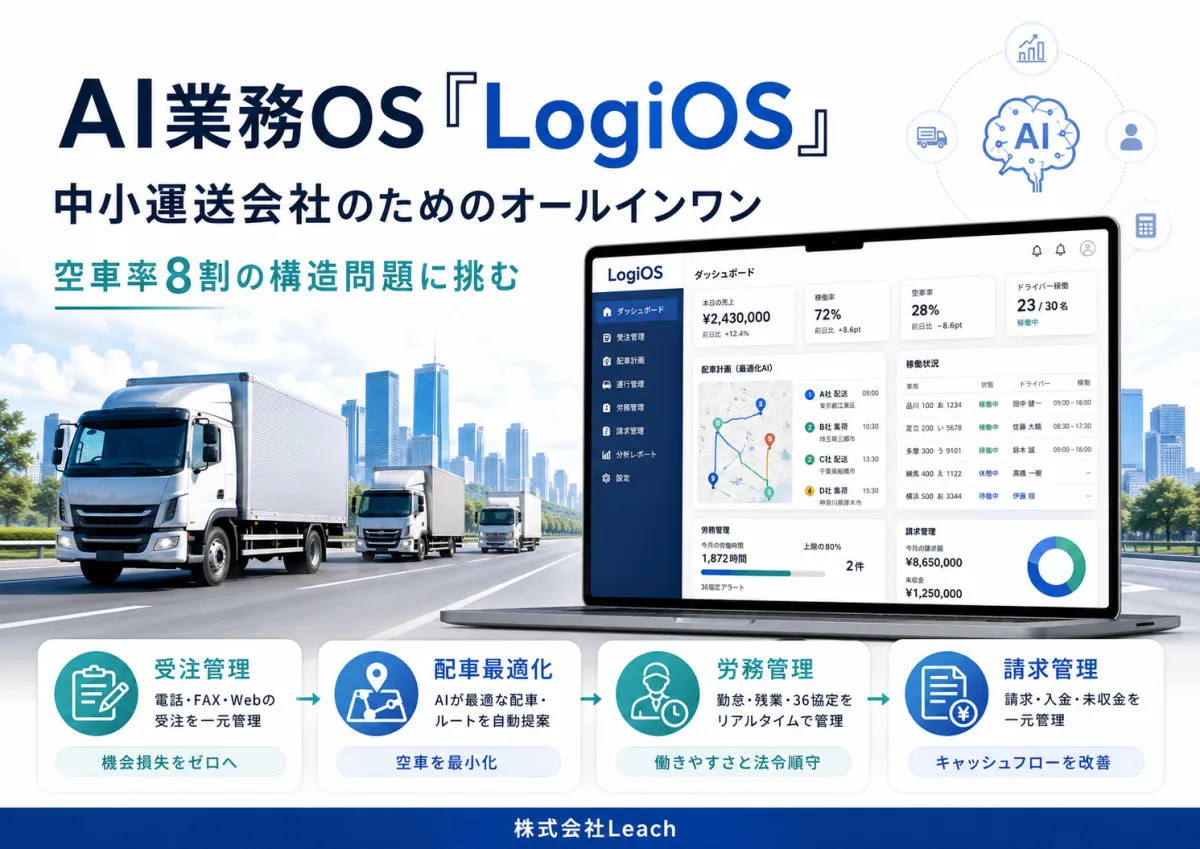
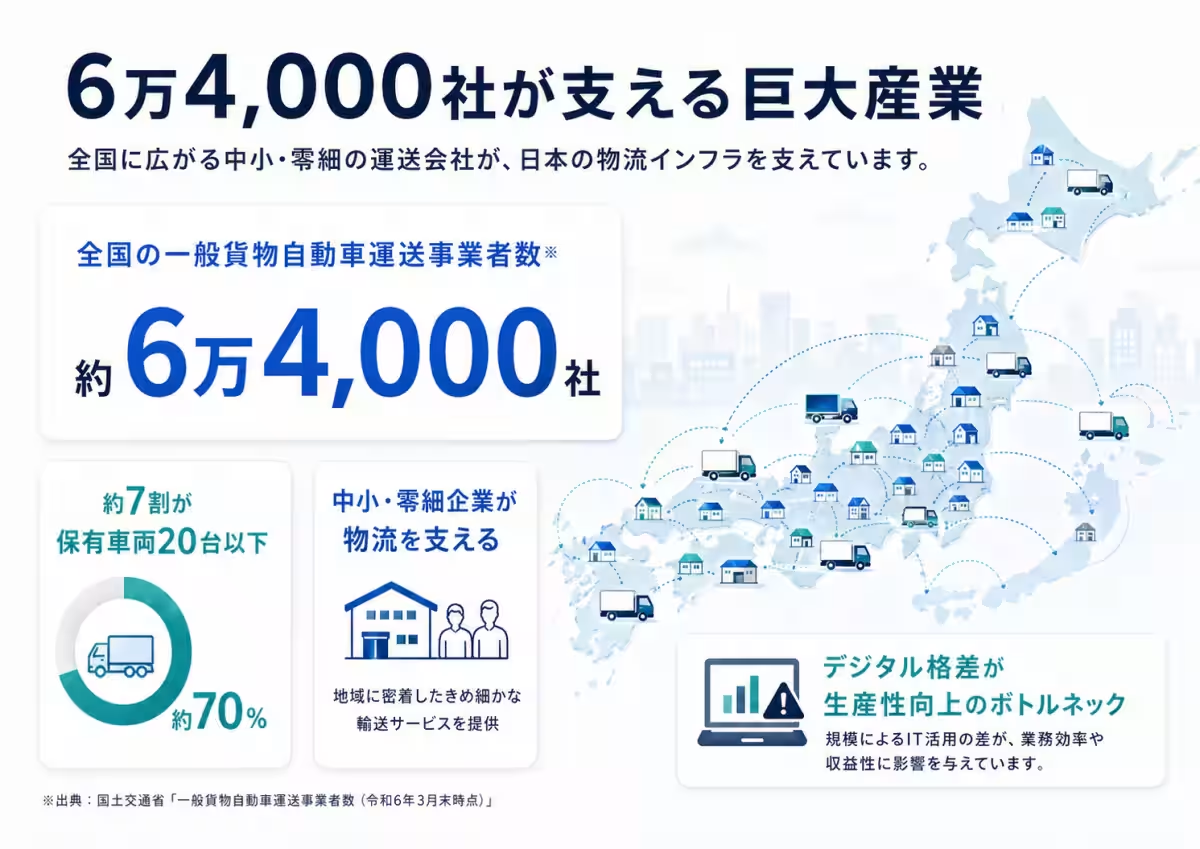
As we move further into 2024, a critical question arises regarding the logistics industry: Have things changed for small transportation companies? With around 64,000 freight transportation businesses operating in Japan, this sector is not only vast but also complex, encompassing a myriad of small to medium-sized enterprises (SMEs). In a recent development, Leach Corporation has begun pre-registration for LogiOS, an all-in-one AI business operating system aimed explicitly at helping these companies adapt to the evolving landscape.
Current Landscape of the Industry
The sheer scale of Japan's freight transportation industry is staggering, boasting more operators than convenience stores. However, it is crucial to recognize the imbalances within this extensive network. Approximately 70% of these companies operate fewer than 20 vehicles, and near half have annual revenues of under 100 million yen. Therefore, the industry is heavily reliant on small and micro-sized firms.
These small companies possess unique advantages, such as the ability to effectively meet local shipper needs by maintaining long-lasting relationships. However, they also face significant vulnerabilities. Many lack the bargaining power to pass on rising fuel and labor costs, placing them in challenging financial positions.
On the contrary, larger operators have invested heavily in technology, with dedicated teams working on route automation and management. In contrast, small companies often struggle with basic operational tasks, resulting in a significant digital divide that stunts industry-wide productivity improvements.
The Reality of Empty Vehicles
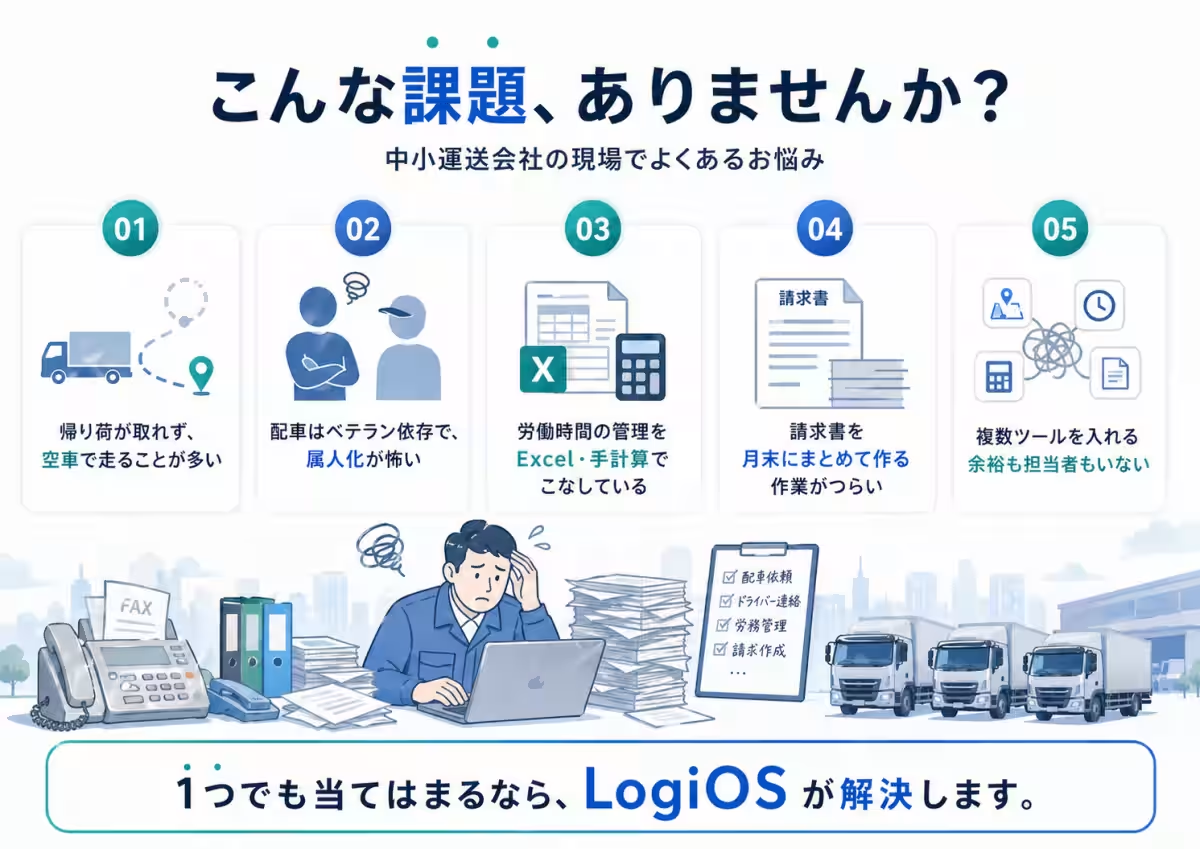
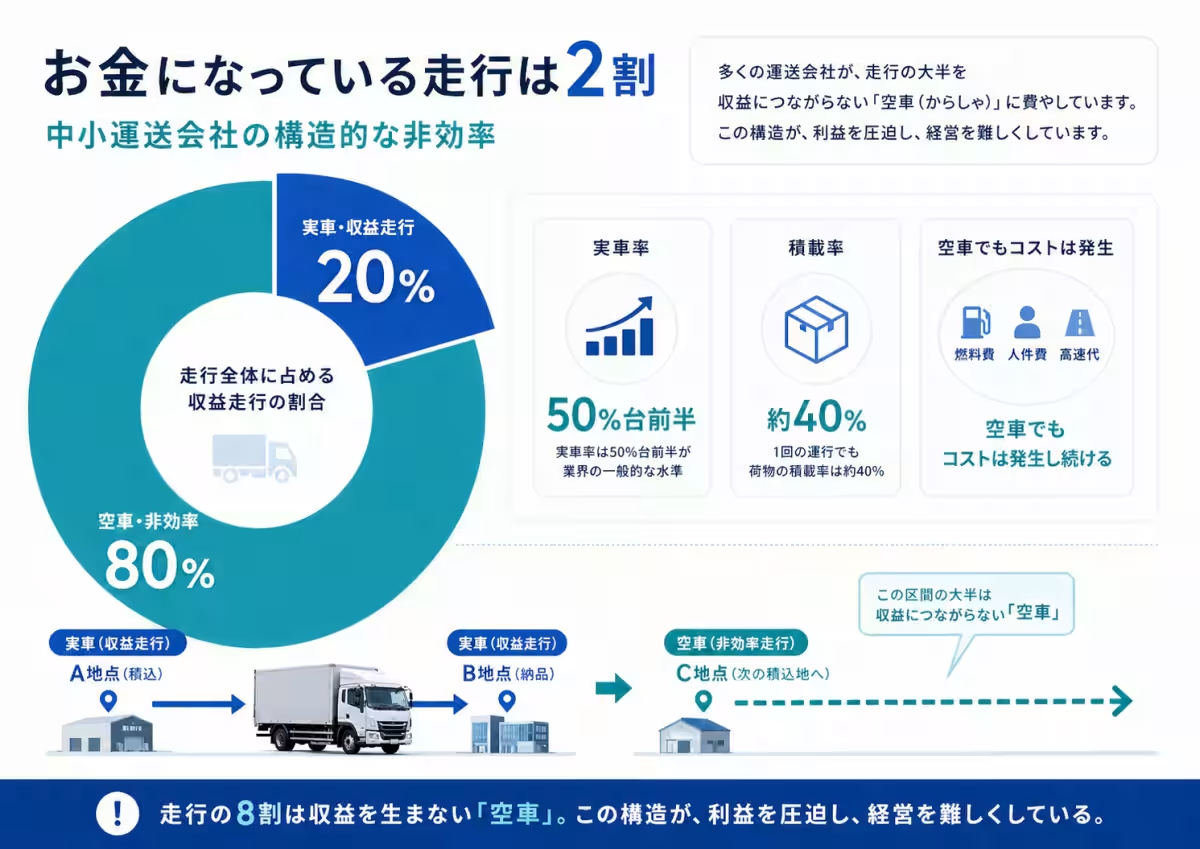
A shocking revelation surfaced during interviews with industry insiders: the empty vehicle rate is exceedingly high, with many trucks operating empty or only partially loaded. One industry veteran noted that only about 20% of their trips are financially compensated due to the nature of freight transport, where only the time spent loaded is billable, leaving all return and empty miles as unrecoverable costs.
A government survey underscores this inefficiency, revealing that actual vehicle use is only at about 50% efficiency, and loading rates hover around 40%. The consequences are dire, as costs continue to accrue on running empty, including fuel, tire wear, highway tolls, and driver wages. Despite the necessity for collaboration among various players for optimizing return loads, limited resources prevent most small transportation companies from expanding their networks and opting for streamlined methods.
Historical Context: Deregulation in the 1990s
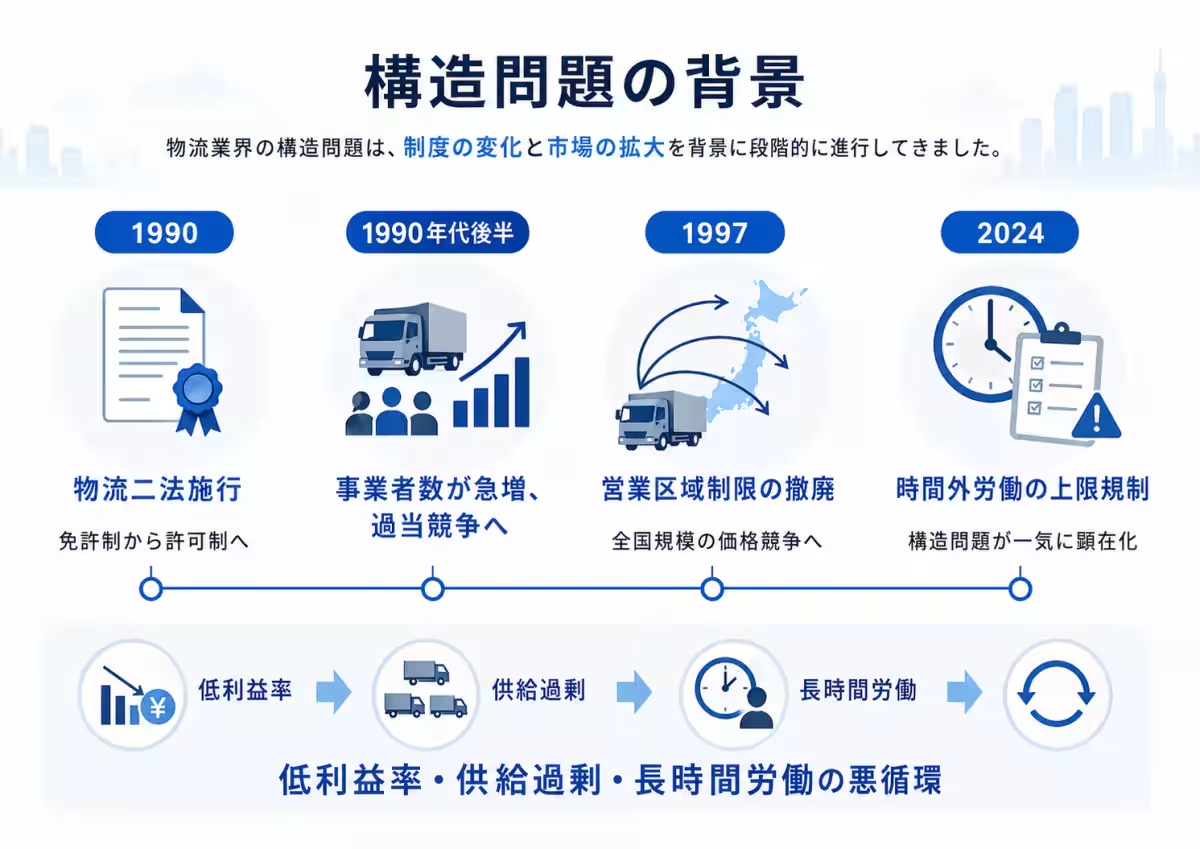
To grasp the current structural challenges, it's essential to go back to the 1990s when deregulation allowed new entrants into the market by reducing barriers significantly. This led to an influx of participants—over 60,000 firms flooded the industry, inciting intense competition and a downward spiral in freight prices. By 1997, the removal of regional restrictions further exacerbated the situation, forcing small operators to compete unfavorably against larger entities.
Such pressures have driven the profit margins of trucking companies down to unsustainable levels, with operational profits lingering between 1-3%. As small firms face the paradox of needing to operate more to stay afloat while accumulating higher costs, many have found themselves in a vicious cycle.
The 2024 Problem: Limits on Overtime Work
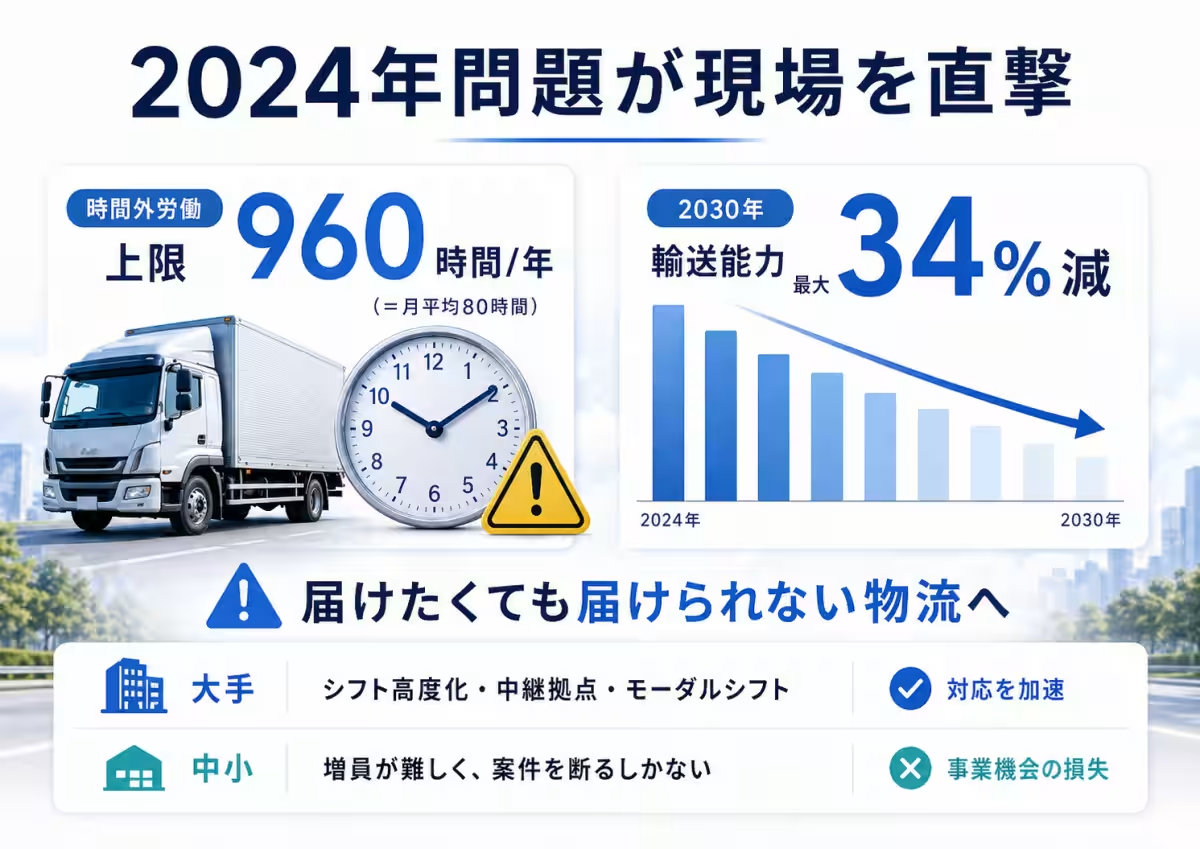
With the upcoming implementation of annual caps on overtime for truck drivers, expected to take effect in April 2024, the implications for small transport companies are especially severe. Preliminary forecasts predict significant reductions in transport capacity, drawing from the premise that without adequate measures, freight volumes could drop as much as 34% by 2030. The impending regulation aims to enhance driver health and safety but imposes additional burdens on smaller firms that often lack resources for strategic shifts necessary to remain viable within these confines.
Resistance to Adoption of Existing Solutions
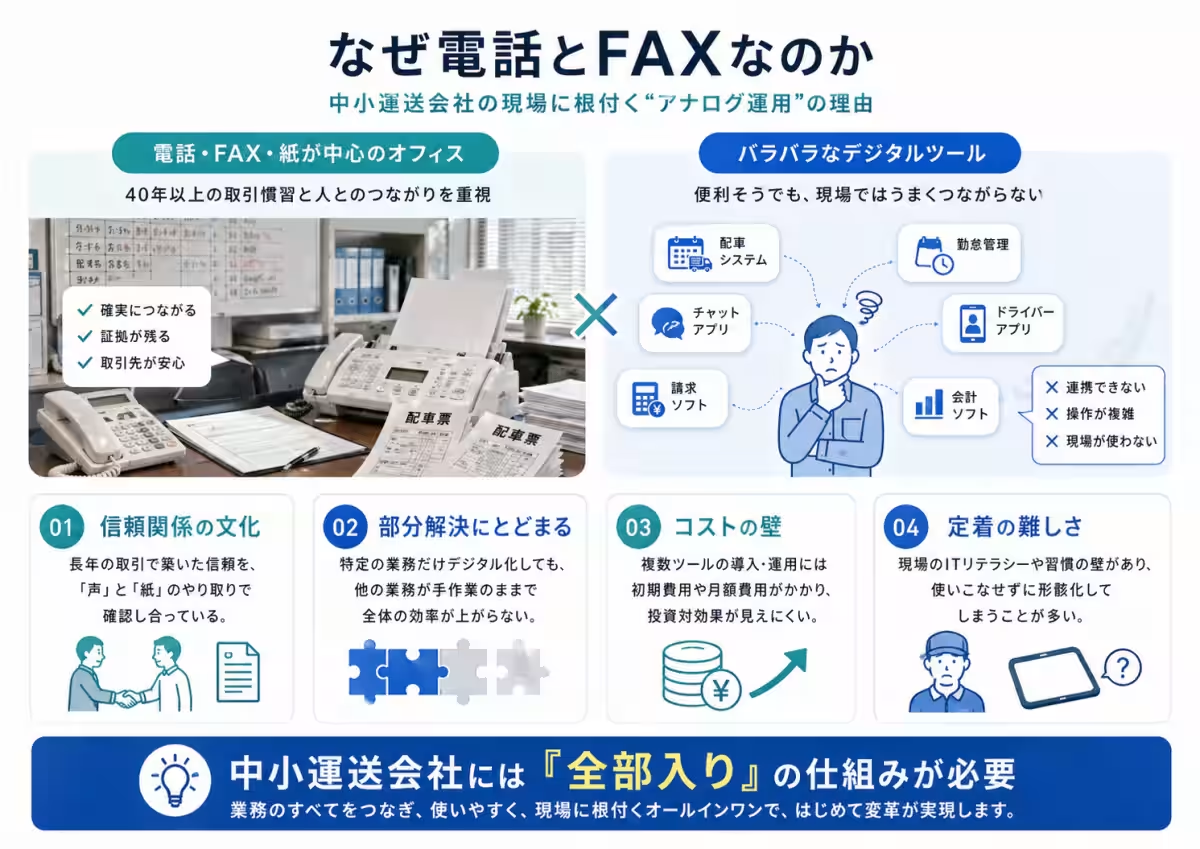
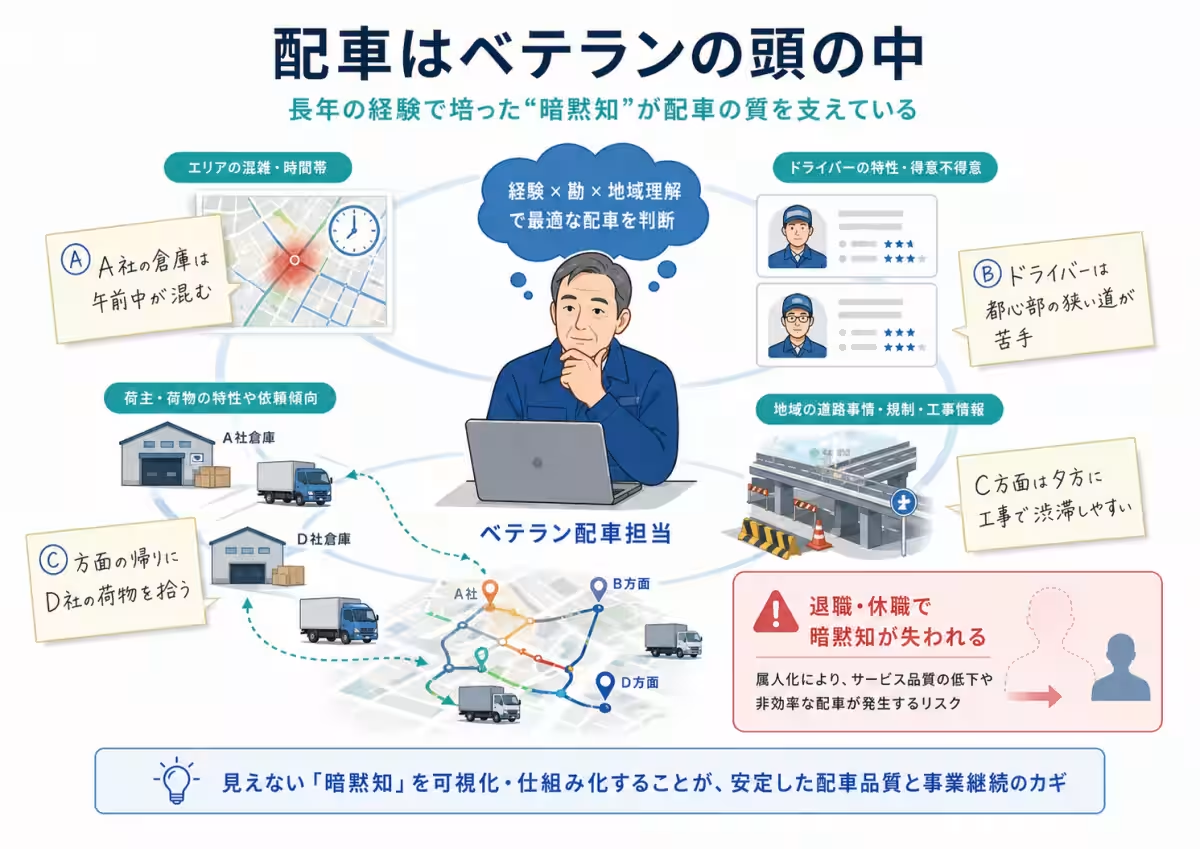
Despite the awareness of inefficiencies, many existing matching and optimization solutions are slow to gain traction in the sector. Traditional methods, such as relying on phone calls and faxes, persist due to deep-seated trust dynamics within the industry. Established relationships dominate, making anonymous platforms less appealing.
Moreover, existing solutions tend to focus on isolated tasks without addressing the entire workflow from order to invoicing. With profit margins so slender, implementing multiple expensive systems becomes a financial burden for SMEs, further stalling the digitization process.
The Urgency of AI Adaptation
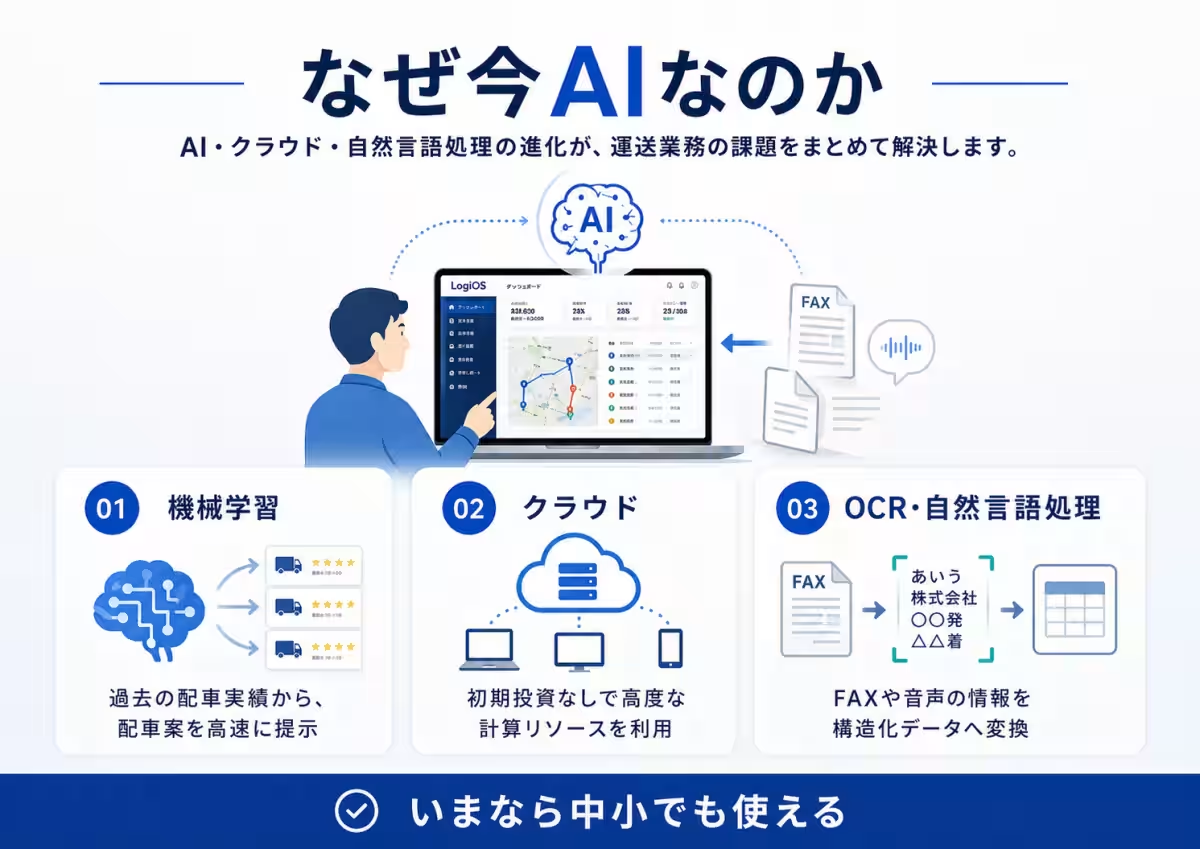
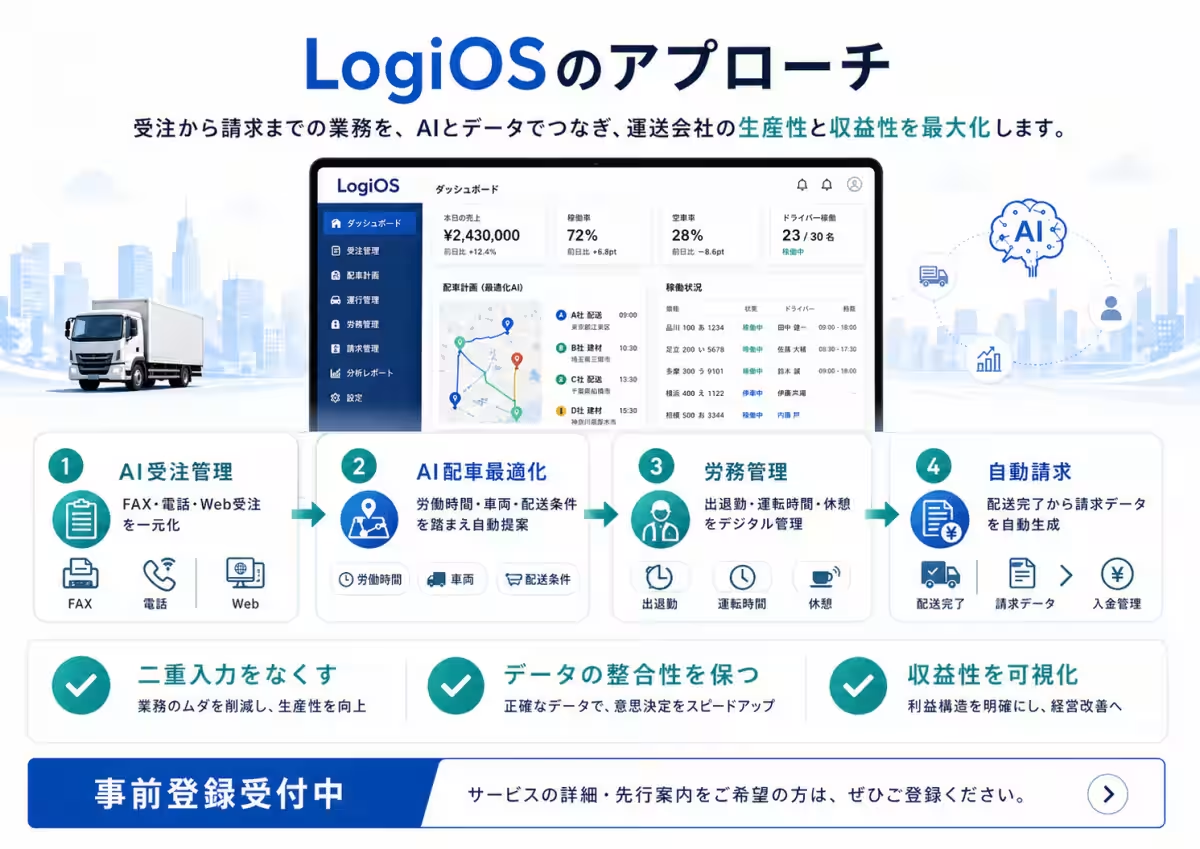
Nevertheless, recent advances in AI technology might be a turning point. LogiOS is positioned to leverage these developments, promising a comprehensive solution that merges order management, optimization, and invoicing into a single system tailored for small companies’ needs.
LogiOS emphasizes the importance of complete integration within its platform, where data flows seamlessly from one function to the next, ensuring reduced redundancies, greater accuracy, and enhanced profitability visibility across various metrics.
In conclusion, the sustainability of Japan's logistics network hinges not solely on technological adoption but also on addressing the core operational challenges that small transport companies face. As Leach Corporation sermonizes through LogiOS, their mission is clear: equip these firms with affordable, impactful tools necessary for continued success in a challenging business environment.
Pre-Registration Open
Leach Corporation is currently inviting pre-registration for LogiOS. By signing up, companies will receive early notifications for the formal launch, ensuring they’re among the first to take advantage of this groundbreaking tool designed for the logistics industry’s future.
Topics Consumer Products & Retail)
【About Using Articles】
You can freely use the title and article content by linking to the page where the article is posted.
※ Images cannot be used.
【About Links】
Links are free to use.