



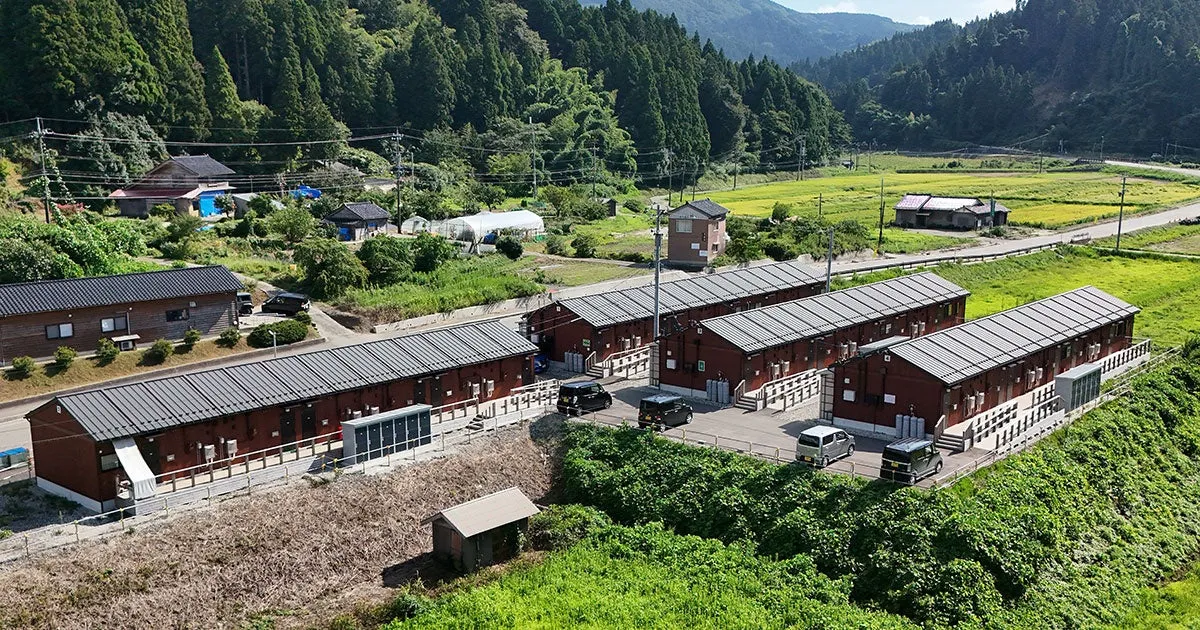
Collaboration to Enhance Disaster Resilience Through Wooden Emergency Housing in Noto Peninsula Earthquake
Introduction
The Japan Off-Site Construction Association (JOSCA) has been highlighted as a key organization in the Ministry of Agriculture, Forestry and Fisheries' (MAFF) report titled "Utilization of Wood in Temporary Housing (Case Studies)" published in April 2023. This publication aims to inform disaster management authorities throughout Japan about the benefits and implementations of wooden temporary housing, particularly stemming from experiences in the Noto Peninsula earthquake.
Context and Background
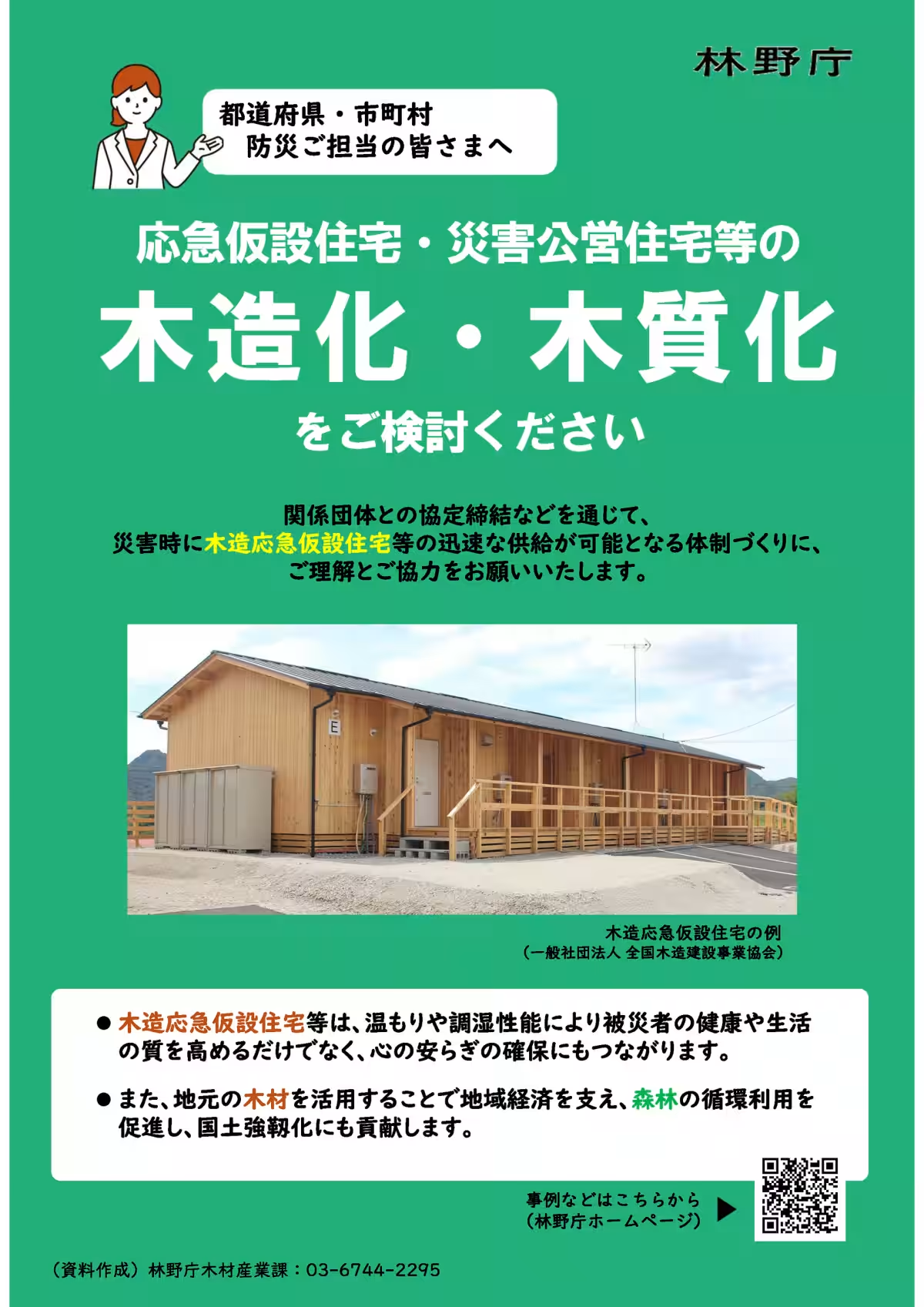
In light of the Noto Peninsula earthquake that struck in 2024, MAFF has emphasized the importance of wooden constructions to aid in disaster recovery, focusing on maintaining the health and well-being of evacuees, promoting psychological comfort, and revitalizing local economies. By advocating for wooden designs for temporary housing, the ministry aims to create a sustainable and environmentally friendly approach to disaster recovery.
Case Study Highlights
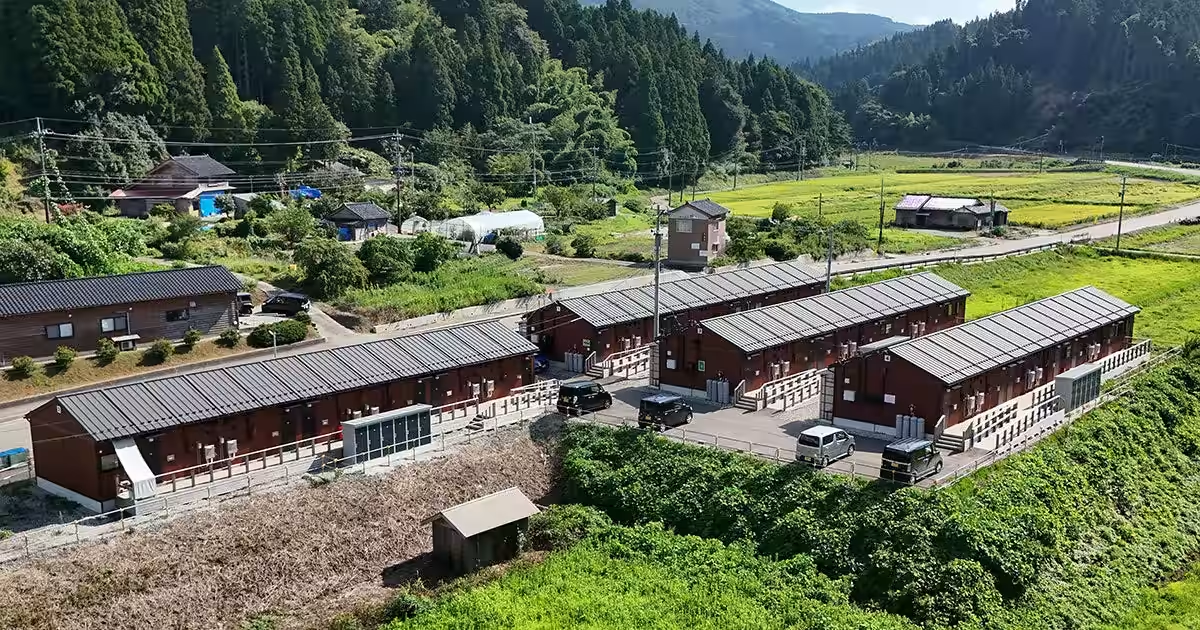
The case studies included in the report feature successful constructions of wooden temporary housing in Ishikawa Prefecture, specifically in cities like Nanao, Wajima, and Noto during the 2024 earthquake. Photographic evidence of these implementations showcases not only the aesthetic appeal but the practicality and rapid construction capabilities of wooden structures under crisis conditions.
Key Features of Off-Site Construction
1. Rapid Relocation and Reusability
One significant advantage of JOSCA's off-site construction method is the ability to quickly relocate and reuse homes. Using modular units that are prefabricated in a factory and transported via trucks allows for swift disassembly and relocation. This method provides flexibility in emergency responses, allowing survivors to return to their communities sooner.
2. High Residential and Environmental Performance
The structures built under this method utilize advanced construction techniques such as frame construction and panelized wall systems. They comply with the energy-saving standards set to be enforced in April 2025, ensuring not only immediate safety during disasters but a reduced environmental footprint in the long run.
3. Promotion of Social Stockpiling
JOSCA is actively developing a platform aimed at operational support for both regular and disaster-related use of off-site construction practices. This initiative enhances preparedness on a social level, ensuring that communities can benefit from these resources when faced with emergencies.
Conclusion and Future Directions
As we reflect on the importance of disaster preparedness and community resilience, the inclusion of JOSCA in MAFF's case study collection underscores our contribution towards building robust disaster response systems through collaboration between public and private sectors. The chairman of JOSCA, Toshinari Nagasaka, expressed pride in being recognized for these efforts. He underscores JOSCA's commitment to ongoing research and development in off-site construction as well as promoting social stockpiling, all aimed at enhancing residential welfare during disasters while fostering a new lifestyle tailored for local revitalization.
With this collaboration, JOSCA not only contributes towards a safer and more secure society but also leads the way in ensuring that communities can recover and thrive in the aftermath of emergencies. As we move forward, the organization looks ahead, ready to adapt to challenges and innovate solutions for disaster resilience in Japan.
Topics Policy & Public Interest)
【About Using Articles】
You can freely use the title and article content by linking to the page where the article is posted.
※ Images cannot be used.
【About Links】
Links are free to use.