



Women’s Health Challenges: Can Individual Efforts Solve It? What Do Companies Need to Support?
Addressing Women's Health Challenges Through Business Support
As societal responsibilities evolve, the focus on women’s health within the workplace is increasingly scrutinized. The PMC Group, which includes PMG Holdings, PMG Partners, and others, has taken the initiative to implement a gut microbiome testing service named "Kenchō Navi" through a partnership with Symbiosis Solutions. This innovation aims to promote health management and prevent illnesses before they manifest. The objective is clear: to provide an environment where employees can maintain and improve their health even before the onset of disease.
The Struggles of Women in the Workplace
Many working women face physical discomforts like menstrual pain, PMS (premenstrual syndrome), and menopausal symptoms regularly. While commonplace, these issues often remain unaddressed due to a work culture that encourages female employees to "tough it out" during tough times. A recent survey conducted by PMG focused on the impact of these women's health issues on workplace performance, highlighting how such physical challenges are frequently overlooked as personal failures rather than systemic problems that organizations should address.
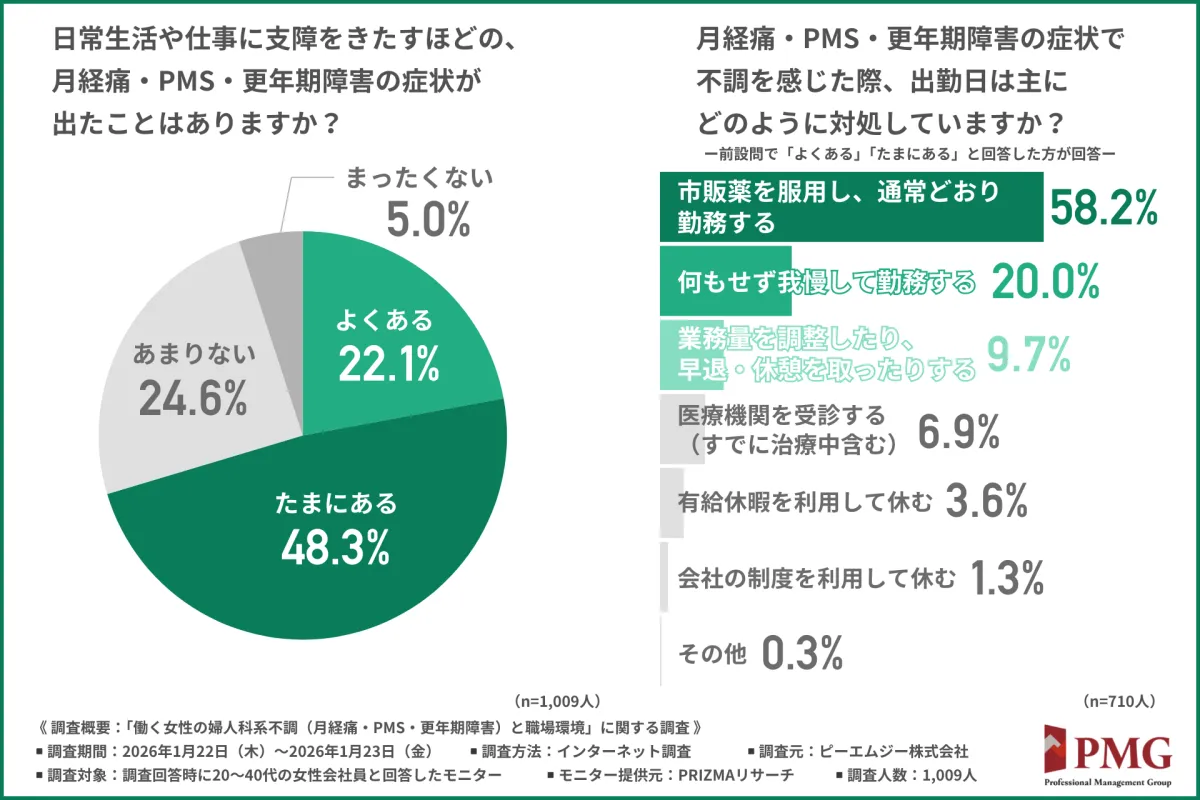
The survey revealed distressing results: nearly 70% of women reported experiencing significant symptoms that affected their daily lives and work. Yet, as evidenced by responses, many continue to push through their discomfort, relying on over-the-counter medications while at work—indicating a possible lack of understanding and support from employers.
The Reality of Coping Mechanisms
When surveyed about how they handle symptoms of menstrual pain, PMS, and menopausal issues while at work, 58.2% of respondents confirmed they take commercial pain relief and work as usual. Meanwhile, 20% endure pain in silence without adjustments, and 9.7% manage workloads to accommodate their discomfort. This coping mechanism underscores a significant gap in workplace support and a culture that can lead to increased mental stress.
Responses from the women shared their frustrations:
- - "I feel uncomfortable discussing menstrual pain with colleagues; I often wonder if taking an early leave is justifiable.” (20s, Osaka)
- - "Working while in pain makes it hard to concentrate on tasks.” (40s, Osaka)
- - “I've lost motivation; simple tasks feel daunting, and I get frustrated at myself for being distracted.” (20s, Kanagawa)
There’s a clear indication that the pain isn't just physical. The combination of discomfort and the stress of workplace expectations leads to a decline in productivity.
Attitudes Towards Women's Health Symptoms
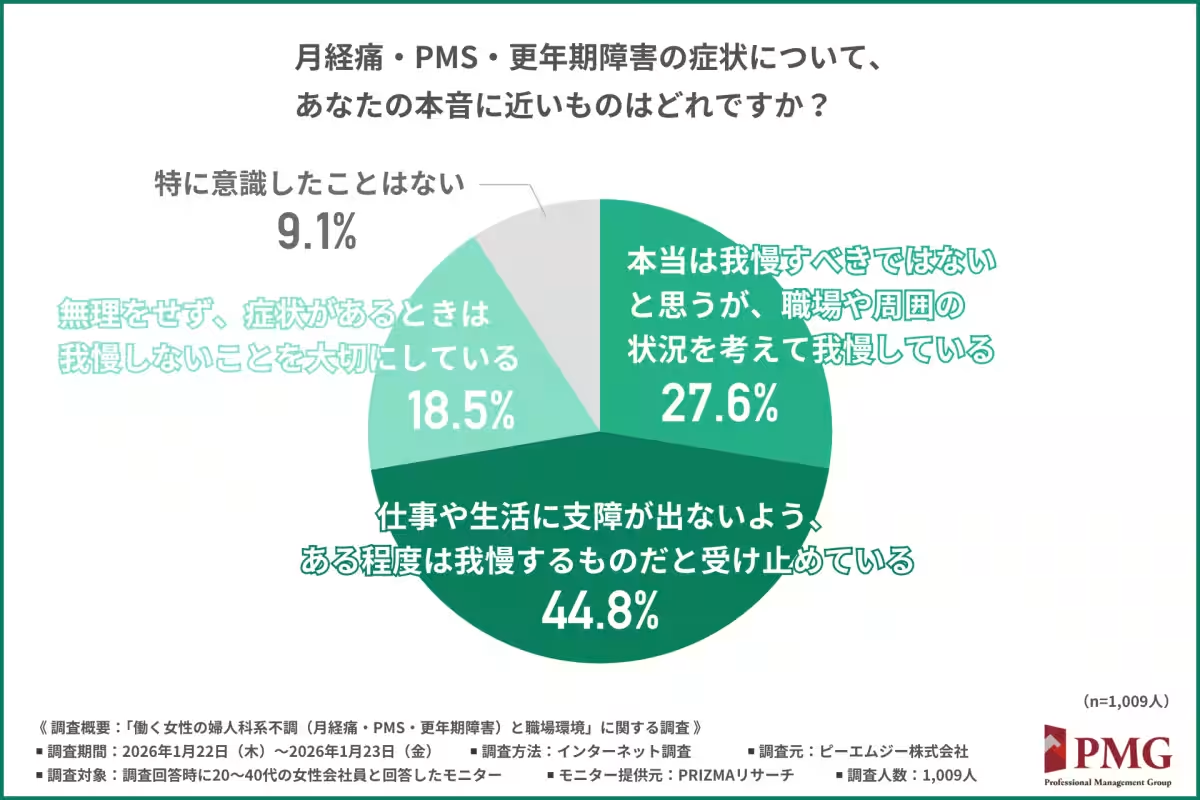
When participants were asked about their feelings towards their physical symptoms, answers varied:
- - "I feel I shouldn't have to endure these symptoms, yet I do because of workplace dynamics." (27.6%)
- - "It's something we manage to an extent for the sake of work." (44.8%)
- - "I emphasize my well-being and avoid unnecessary suffering when I can." (18.5%)
- - "I haven't thought about this much." (9.1%)
From these insights, we see a strong sense of awareness among women regarding their health yet feeling confined by their work environment compels many to disregard their personal comfort.
The Consequences of Underestimating Women's Health Issues
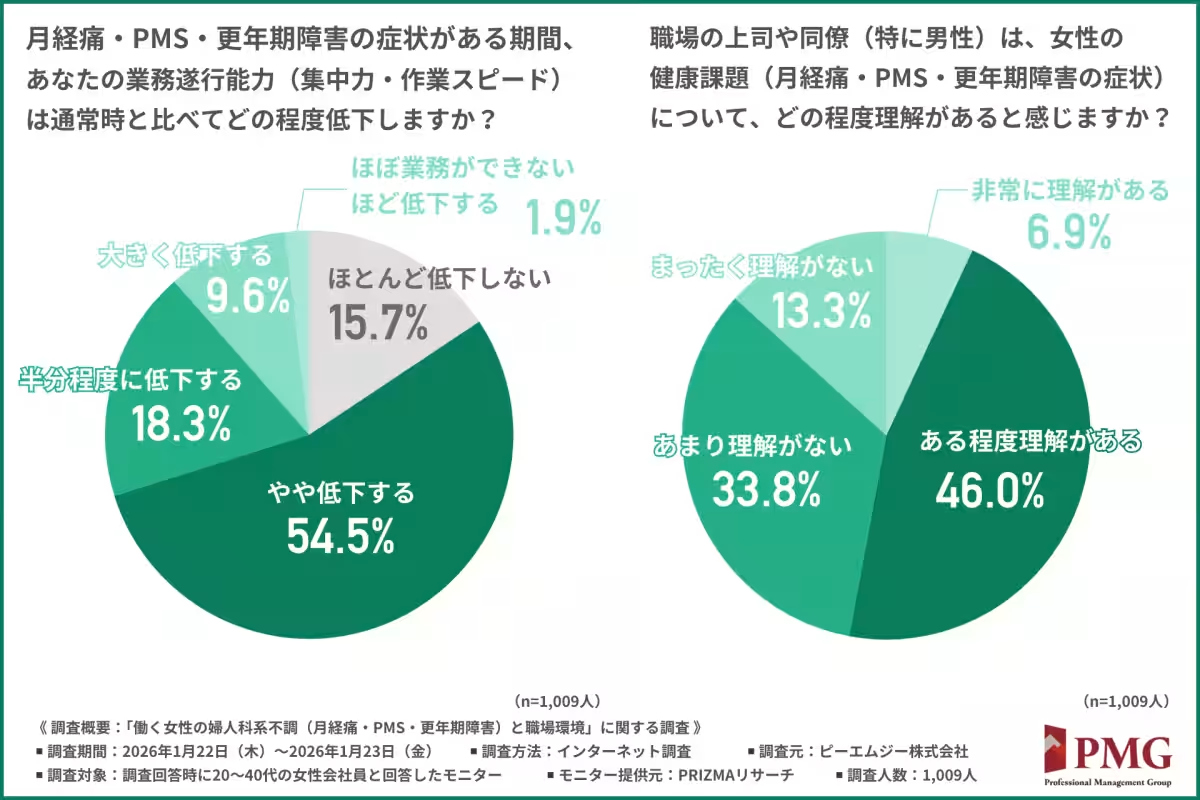
The impact of menstrual pain, PMS, and menopause on productivity is alarming. Approximately 80% of participants reported a decline in work efficacy during symptomatic periods. Notably, over 54% noted a decline of 20% to 30%, indicative of how common health challenges compromise workplace effectiveness. The survey revealed that women often bear physical burdens alone, which can affect overall organizational health.
Breaking Taboos and The Need for Understanding
Interestingly, perceptions of workplace understanding reveal that while over half believe their colleagues understand women's health concerns, a significant number feel otherwise. This gap in perception highlights the crucial need for creating awareness about women's health issues in workplaces where such topics remain veiled.
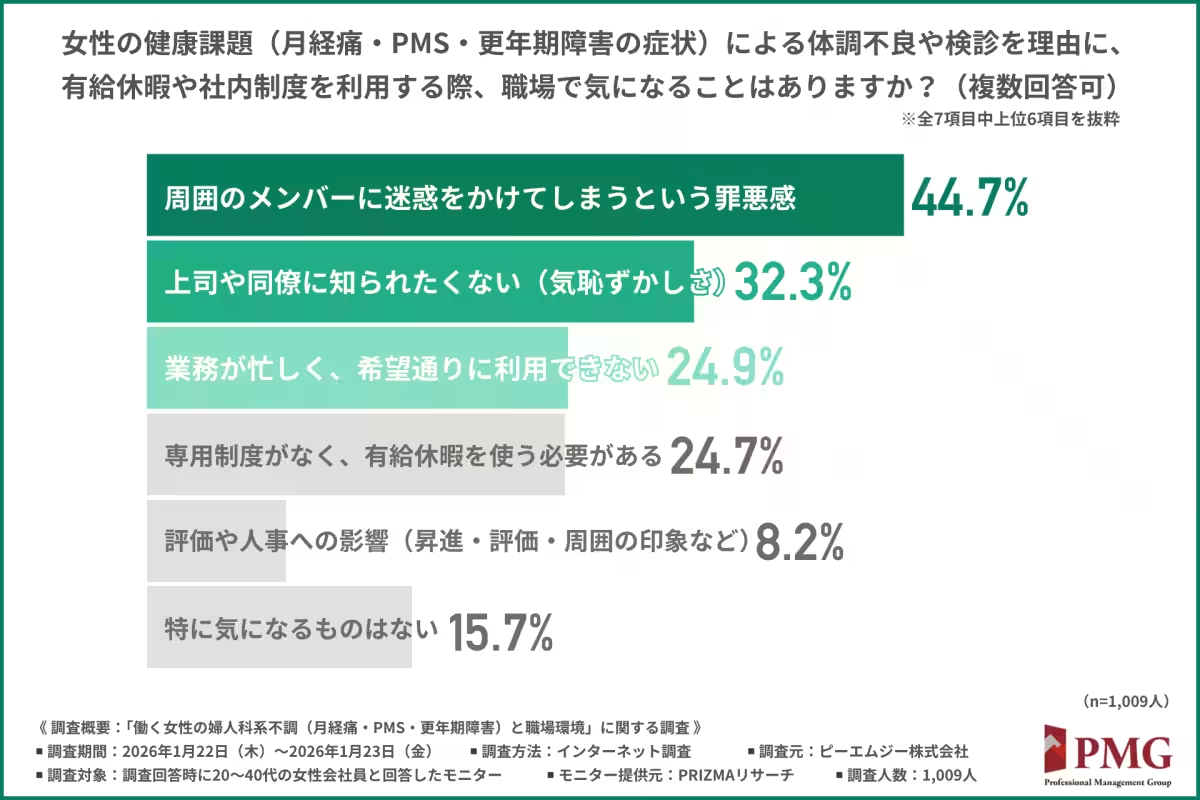
Many women find it challenging to utilize their health-related leave due to guilt about overburdening teammates and fearing judgment from supervisors. These findings illustrate how shared understanding and open dialogue around women's health could ease these pressures.
Healthcare Access and Education
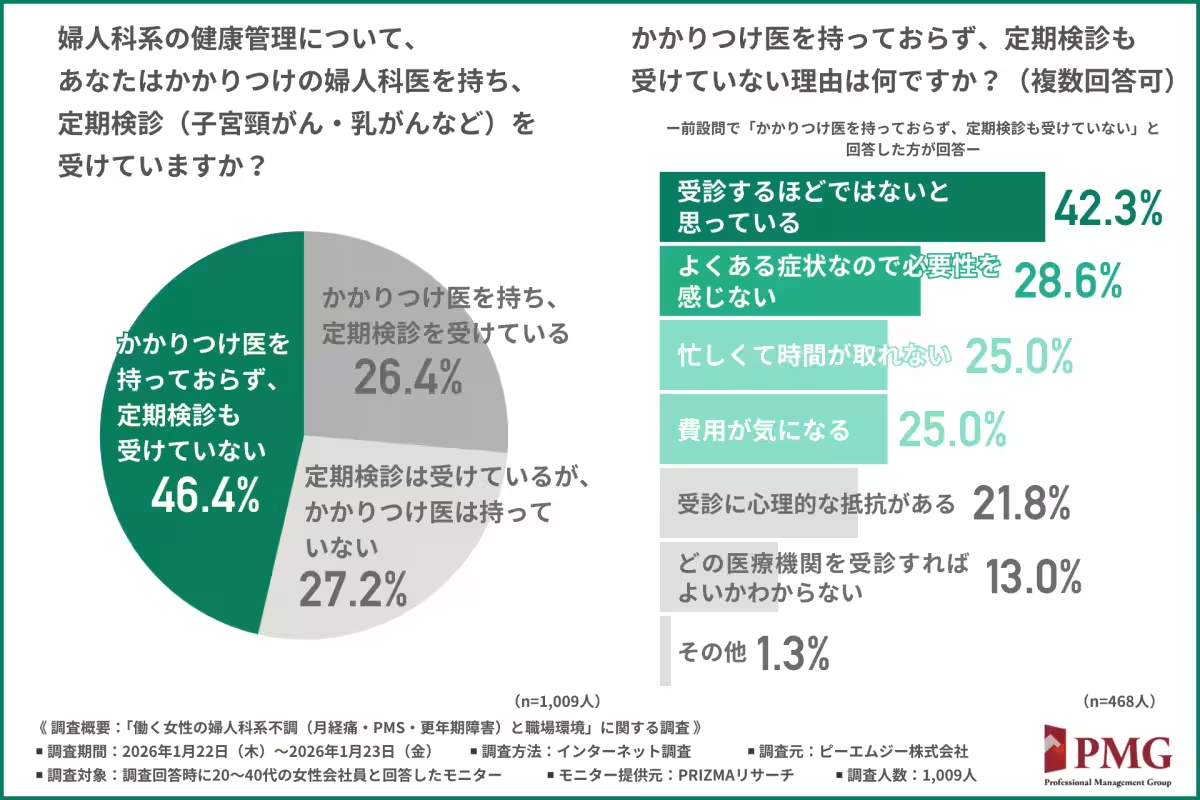
Highlighting healthcare access, almost half of the respondents do not see a gynecologist regularly, with perceived commonality of symptoms being a significant factor. Reasons include the busy nature of jobs, costs, and feeling unwell as acceptable under current circumstances.
A key takeaway from the survey: businesses need to recognize that women's health issues are not merely individual challenges but collective concerns that require organizational efforts to address.
What Support is Essential for Women?
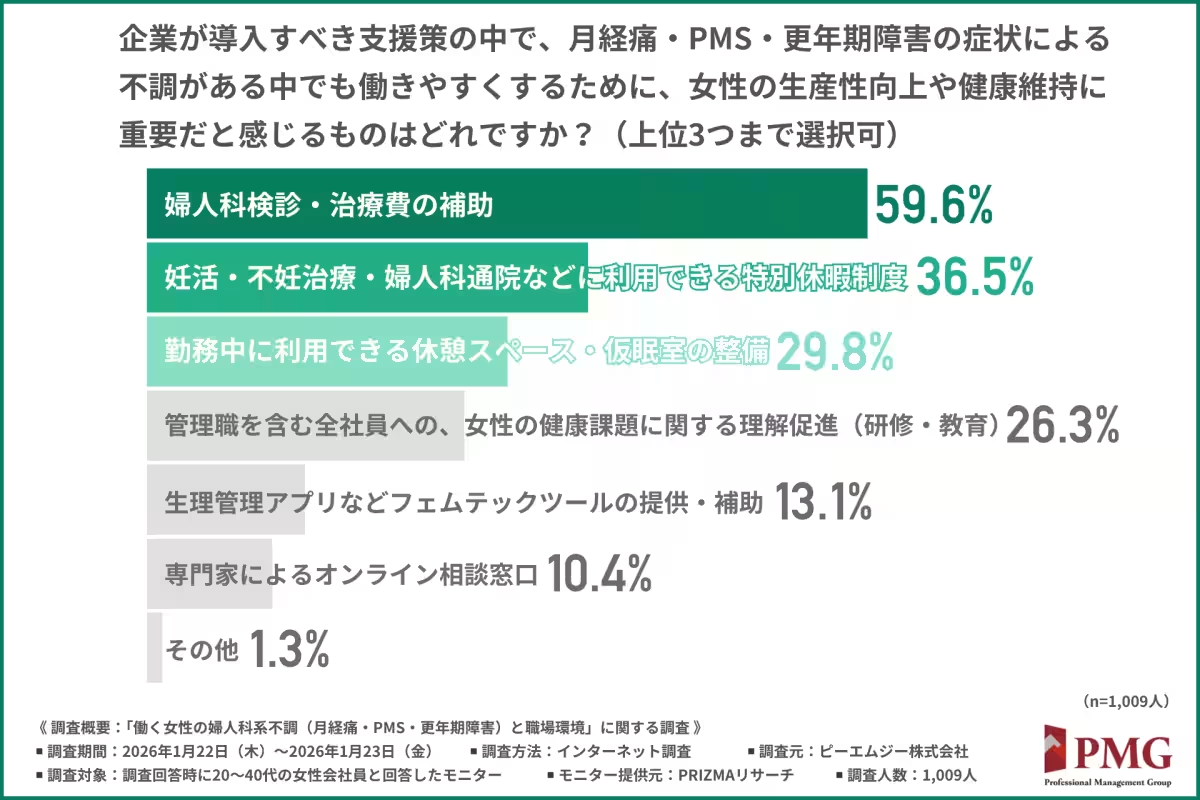
When asked what measures would enhance workplace adaptability, top responses included:
- - Financial assistance for gynecological exams and treatments (59.6%)
- - Special leave for reproductive health considerations (36.5%)
- - Work spaces designed for comfort and breaks (29.8%)
These statistics indicate that while organizations recognize health management’s importance, there needs to be a structural framework in place to translate this understanding into actionable support.
Conclusion
The PMG Group’s initiative, such as the Kenchō Navi, serves as a model showing how proactive health management strategies can foster environments that support women in balancing their work and health challenges. The results from the survey underline a crucial transition from the culture of ‘endurance’ to one of ‘collaboration and support.’ By committing to innovative solutions and acknowledging the needs of working women, organizations can ensure a more health-conscious workforce and ultimately enhance organizational productivity while fostering an ethos of care and understanding.
Topics People & Culture)



【About Using Articles】
You can freely use the title and article content by linking to the page where the article is posted.
※ Images cannot be used.
【About Links】
Links are free to use.