




Understanding the Motivations and Concerns of New Graduates Entering the Workforce
Understanding the Motivations and Concerns of New Graduates Entering the Workforce
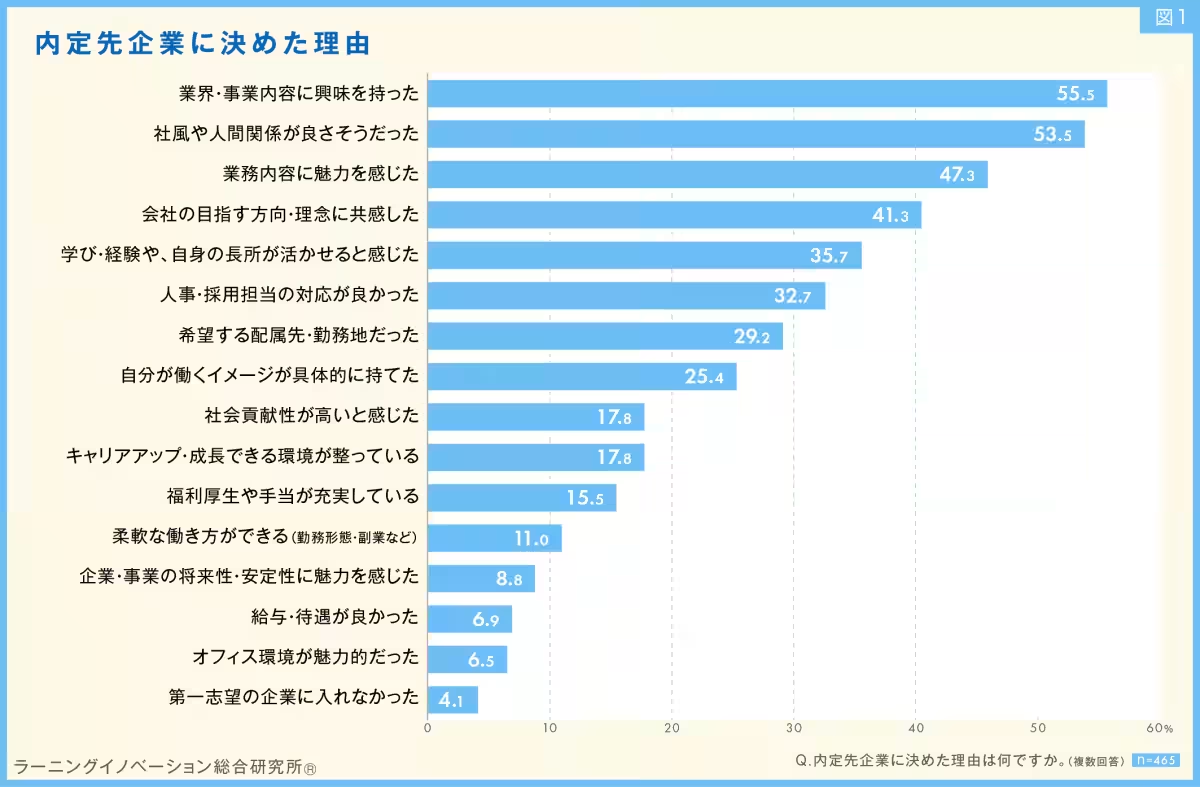
The 2026 new graduate recruitment landscape is markedly influenced by the persistent job-seeker market, prompting candidates to carefully consider their choices in an increasingly diverse employment environment. A recent survey conducted by ALL DIFFERENT Corporation and the Learning Innovation Research Institute surveyed 465 graduating students from the class of 2026 on their motivations and feelings about entering new positions. Here are the critical findings.
Key Motivations for Employment
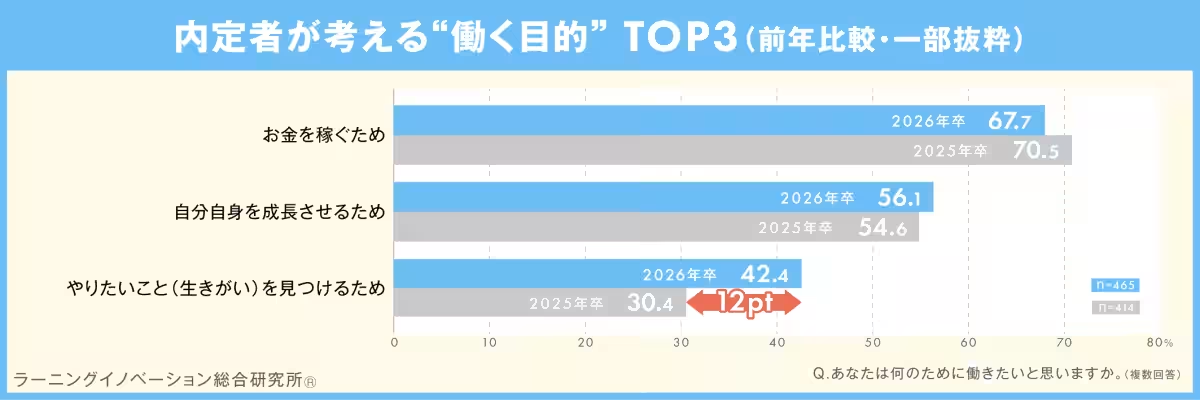
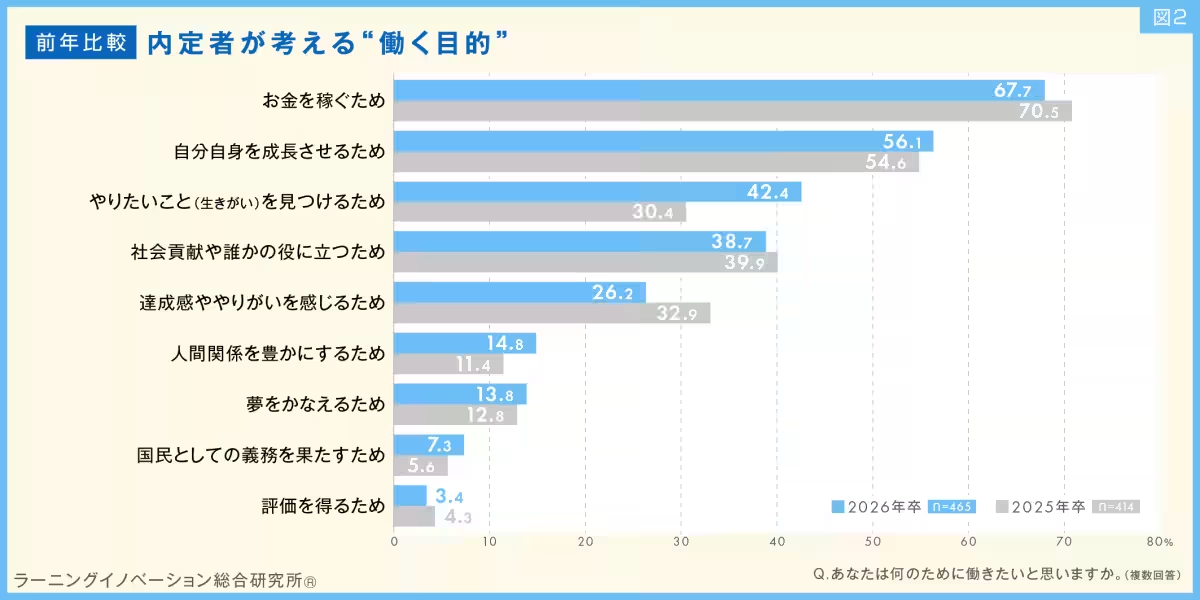
The survey revealed that the top reason for choosing an employer remains financial gain. A notable 67.7% cited earning money as their primary motivation, although this reflects a slight decline of 2.8 points from the previous year. Following closely, 56.1% identified personal growth as a key reason, and 42.4% stated that they are eager to find their passions or a sense of purpose in work, marking a significant increase of 12 points from last year.
This shift highlights a growing desire among graduates to seek meaningful work beyond financial considerations, indicating a more holistic approach to career aspirations.
Feelings About Entering the Workforce
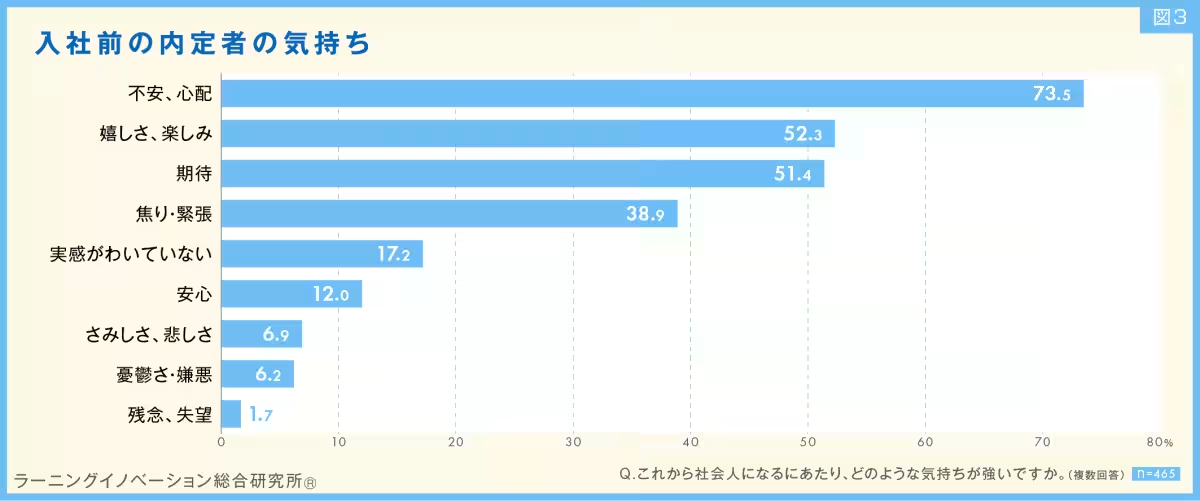
When asked about their emotional state regarding entering the workforce, over 73.5% expressed feelings of anxiety and uncertainty. However, there was also a considerable segment who expressed excitement and anticipation, with 52.3% feeling joy and 51.4% expressing overall optimism about their future work life.
These mixed feelings illustrate a common phenomenon among young professionals—balancing excitement for new opportunities against anxiety about their capabilities.
Anticipated Challenges
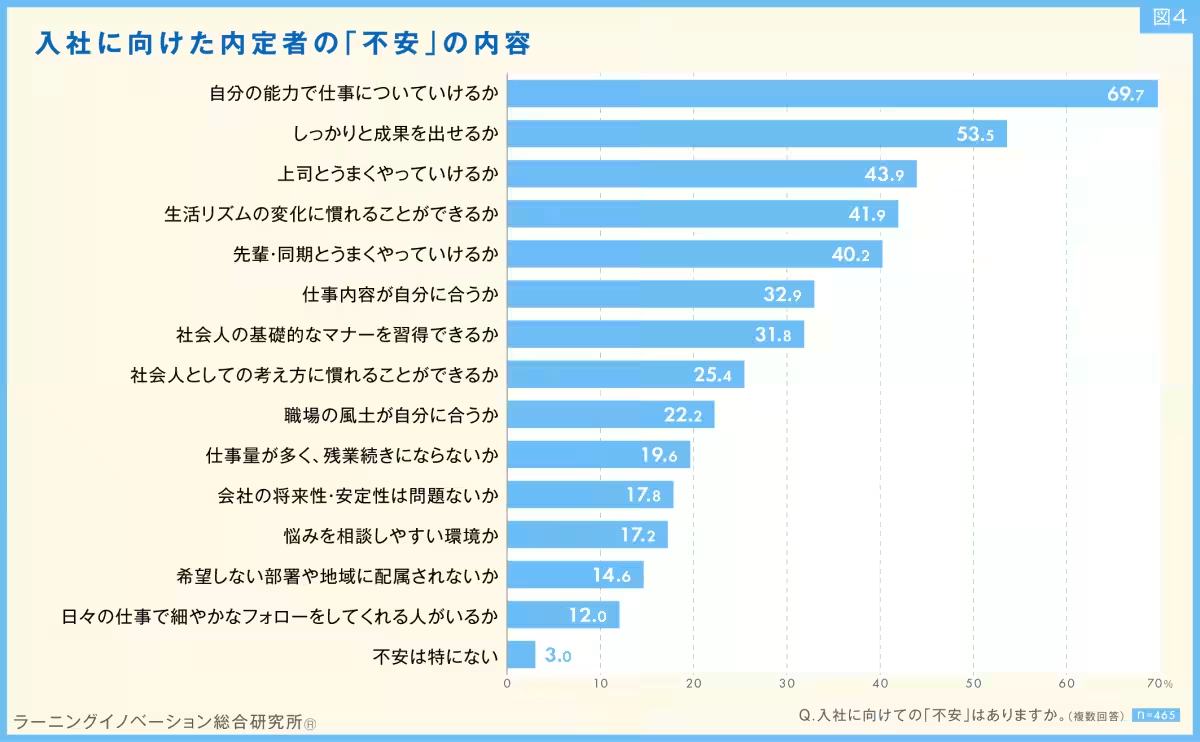
The survey indicated that the primary concern, shared by nearly 69.7% of respondents, revolved around their ability to perform in their new roles. Other significant concerns included the ability to produce satisfactory results (53.5%) and managing relationships with supervisors (43.9%). Surprisingly, only 3% felt no significant fears about the upcoming changes, suggesting that anxiety is nearly universal among this demographic.
Expectations from Employment
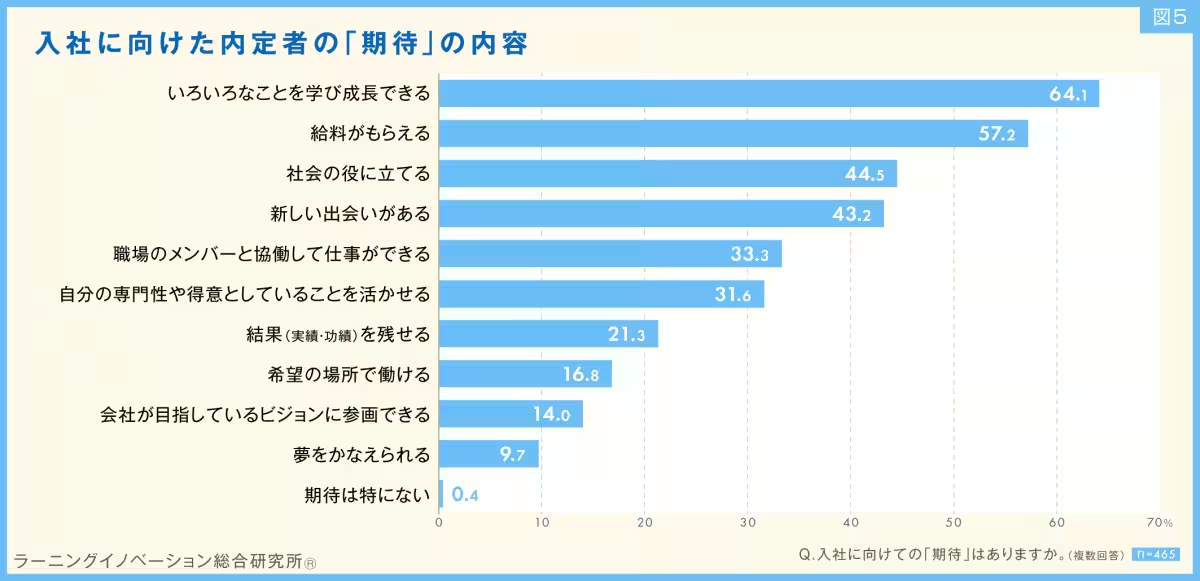
In terms of what new graduates hope to gain from their roles, 64.1% believe they will learn and develop skills that contribute to their personal and professional growth. Additionally, 57.2% expect to receive compensation for their work, while 44.5% are enthusiastic about contributing positively to society. This eagerness to learn reflects an overarching desire among graduates to integrate their personal values with their professional activities.
Future Employment Plans
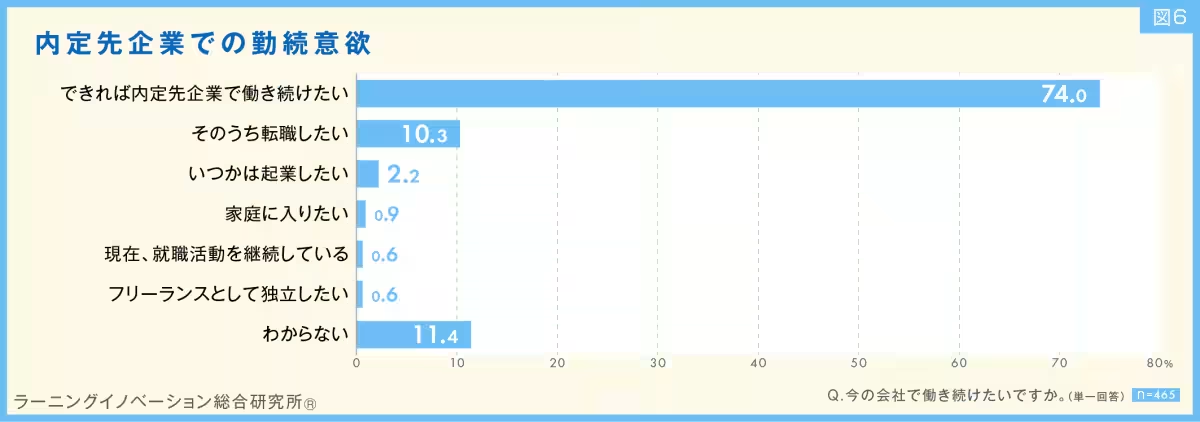
Interestingly, 74% of respondents indicated a desire to continue at their current employers, with only about 10.3% considering a future job change. This reveals a strong inclination towards company loyalty, at least initially.
Insights and Implications
The data revealed through this research offers critical insights into the mindsets of today's new graduates. Despite the prevailing anxieties, their motivations also shine a light on a collective yearning for deeper purpose in their work. The rise in the importance of finding engaging and fulfilling work suggests that employers must rethink their recruitment strategies, focusing on how they can support new talent not only through robust onboarding processes but also through continuous learning opportunities.
To help alleviate the stress faced by new hires, organizations can implement targeted programs aimed at fostering skills development and creating supportive environments conducive to open communication and mentorship. Initiatives such as workshops on career paths, job roles, and peer forums can be instrumental in aiding new employees in navigating their new roles more effectively.
In conclusion, while concerns about their abilities loom large for many new graduates, their aspirations for personal fulfillment in their work are increasingly strong. Organizations must align their practices not only to attract talent but also retain it by appealing to the deeper motivations of this emerging generation of workers.
Daisuke Masaki, CEO of ALL DIFFERENT Corporation, emphasizes, “It’s not enough to simply hire; companies must invest in the growth and well-being of their employees to foster a healthy, engaged workforce.”
This research not only illustrates the inner thoughts of the class of 2026 but also serves as a critical reminder for organizations to continue evolving their practices to match the expectations of their new employees.



Topics People & Culture)



【About Using Articles】
You can freely use the title and article content by linking to the page where the article is posted.
※ Images cannot be used.
【About Links】
Links are free to use.