



Exploring the Human Resource Crisis in Small Construction Firms: Why Higher Salaries Don't Retain Workers
Investigating the Human Resource Crisis in Small Construction Firms
The construction sector in Japan is currently grappling with a pressing labor shortage, particularly among younger workers, which has raised alarm bells within the industry. A detailed survey conducted by Sawamura, a construction company based in Takashima, Shiga Prefecture, aimed to uncover the underlying reasons for the difficulties in attracting and retaining talent in small construction enterprises.
Survey Overview
From July 17 to 18, 2025, 1,008 individuals responded to an online survey regarding labor shortages and reasons for employee turnover in the construction sector. Among the respondents were 501 business owners of small construction firms and 507 employees aged 20 to 50 working in these firms. This dual perspective offers insights into the discrepancies between employer and employee viewpoints.
The 2025 Problem
As Japan's population ages, concerns over labor shortages are intensifying, particularly with the looming 2025 problem, where a significant gap in the workforce is anticipated. As such, capturing and retaining young talent in the construction industry has become increasingly critical.
Reasons Behind Employee Turnover
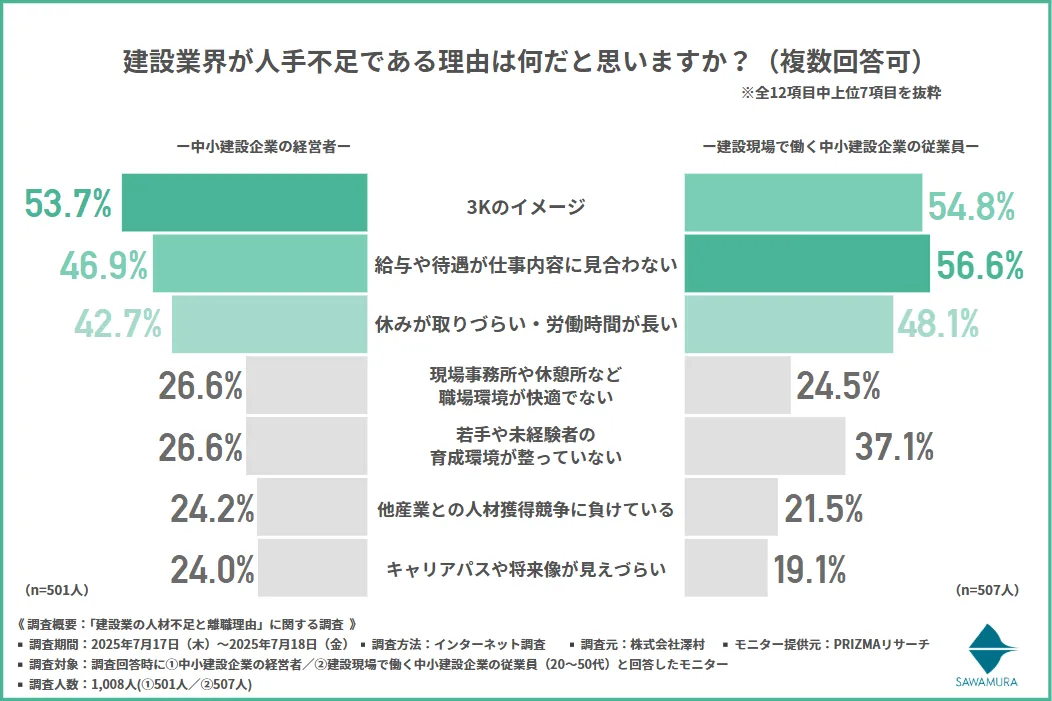
The survey revealed that both employers and employees overwhelmingly identified the so-called '3K' image—representing work as 'hard, dirty, and dangerous'—as the primary reason for labor shortages. Specifically, over 53% of business owners and 54.8% of employees agreed on this point.
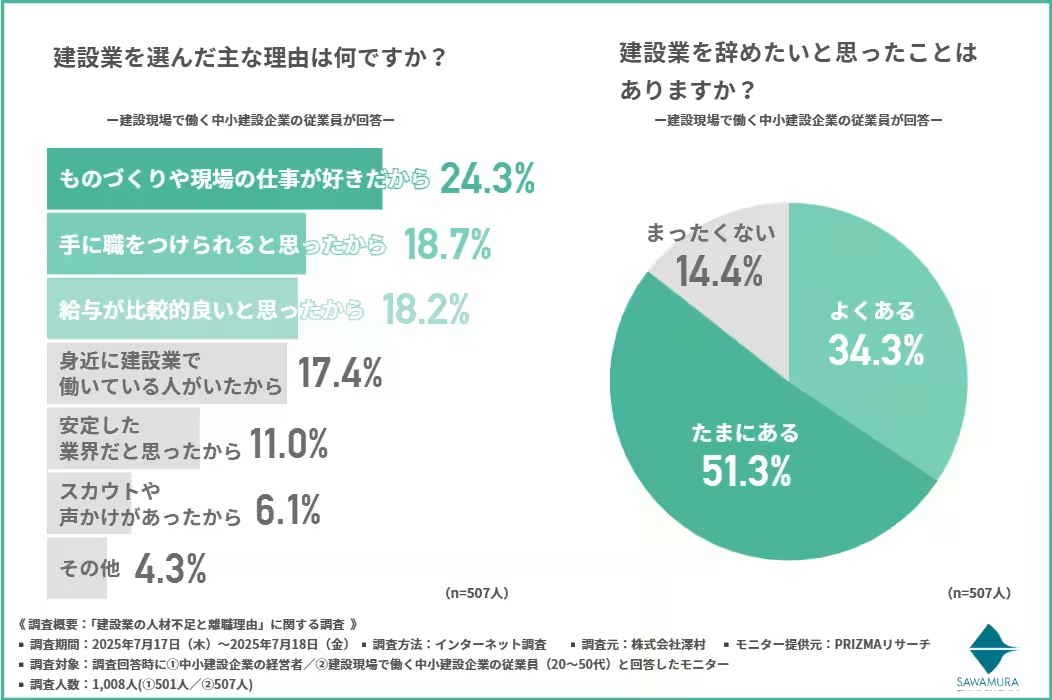
In addition to this pervasive perception issue, both groups noted that issues surrounding pay and working conditions also contribute significantly to turnover. Over 56% of employees expressed concerns that their salaries do not match their job responsibilities, highlighting a potential gap between what the companies believe they offer and what employees feel is reflective of their hard work.
Moreover, the lack of a solid framework for training and nurturing younger and inexperienced workers surfaced as a major point of disparity. A staggering 37.1% of employees felt that the environment for developing new talent was poorly structured, compared to just 26.6% of employers who seemed to recognize this issue.
Conditions on the Ground
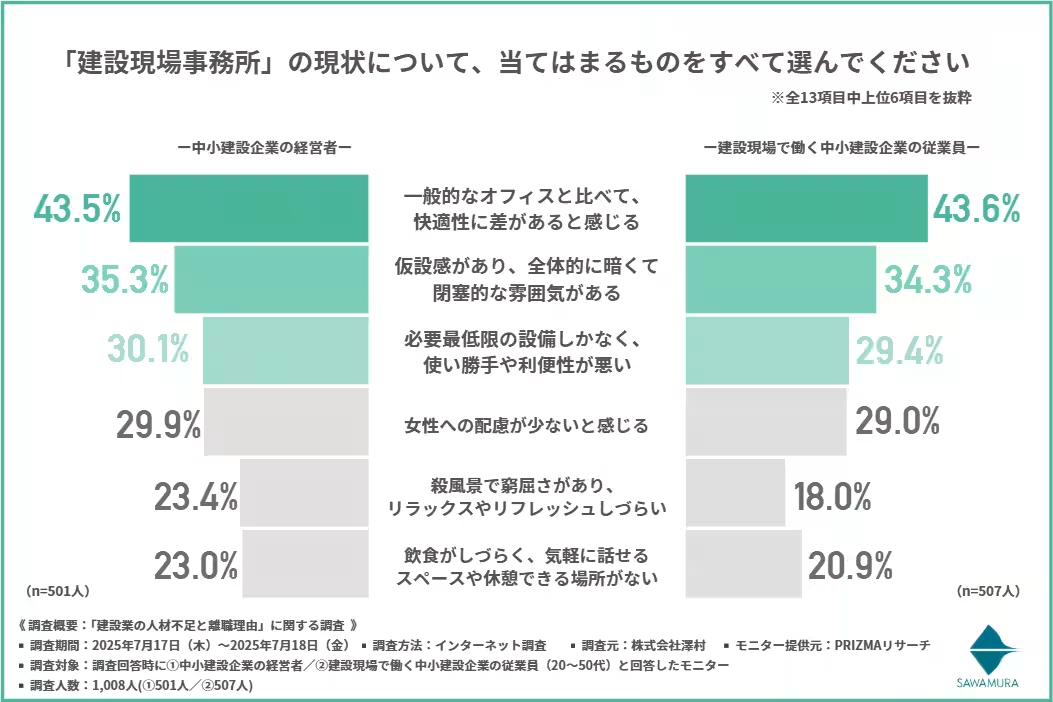
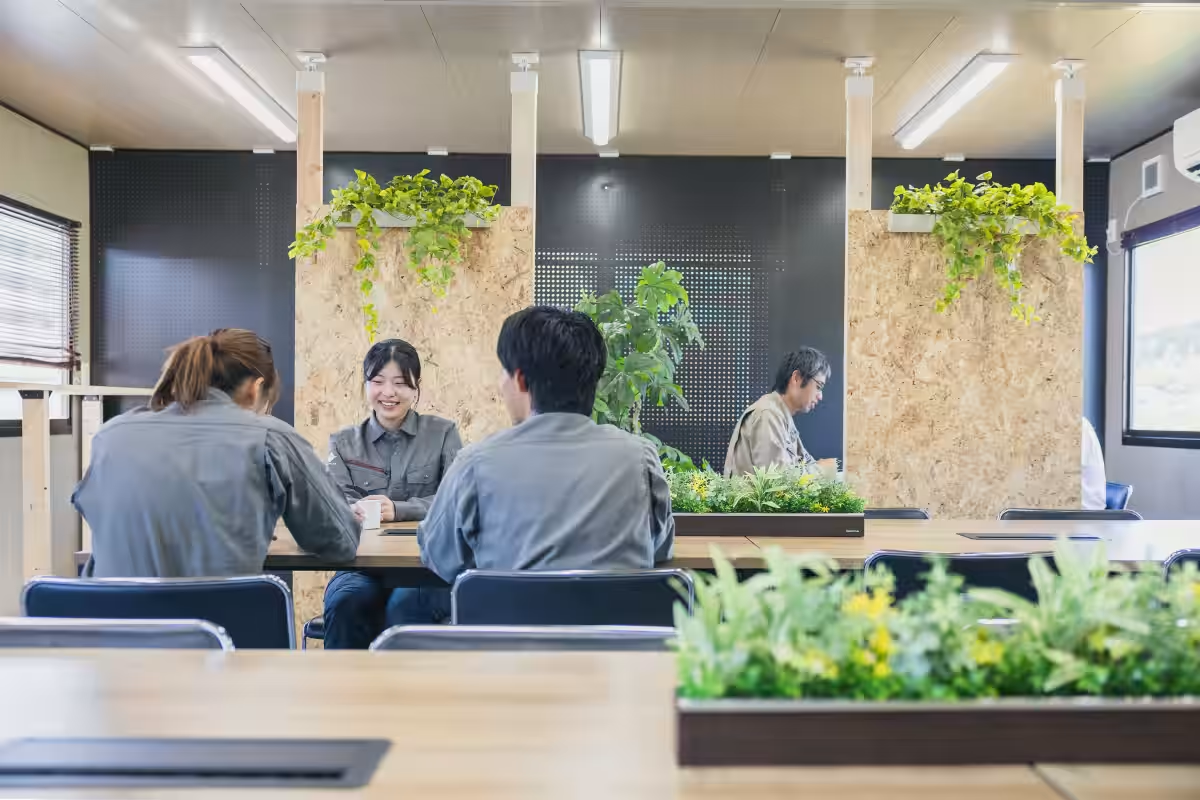
Working conditions are also a concern; over 20% of both employers and employees indicated discomfort with their current work environment, where temporary offices often lack utilities and comfort when compared to standard corporate offices. Approximately 40% of both parties reported that these makeshift offices feel less pleasant and inadequately equipped.
Furthermore, while there is a push to enhance the role of women in the industry, both employers and employees noted a feeling that there is insufficient consideration for women's needs at sites, indicating a need for a more inclusive work environment.
Employer Perspectives on Solutions
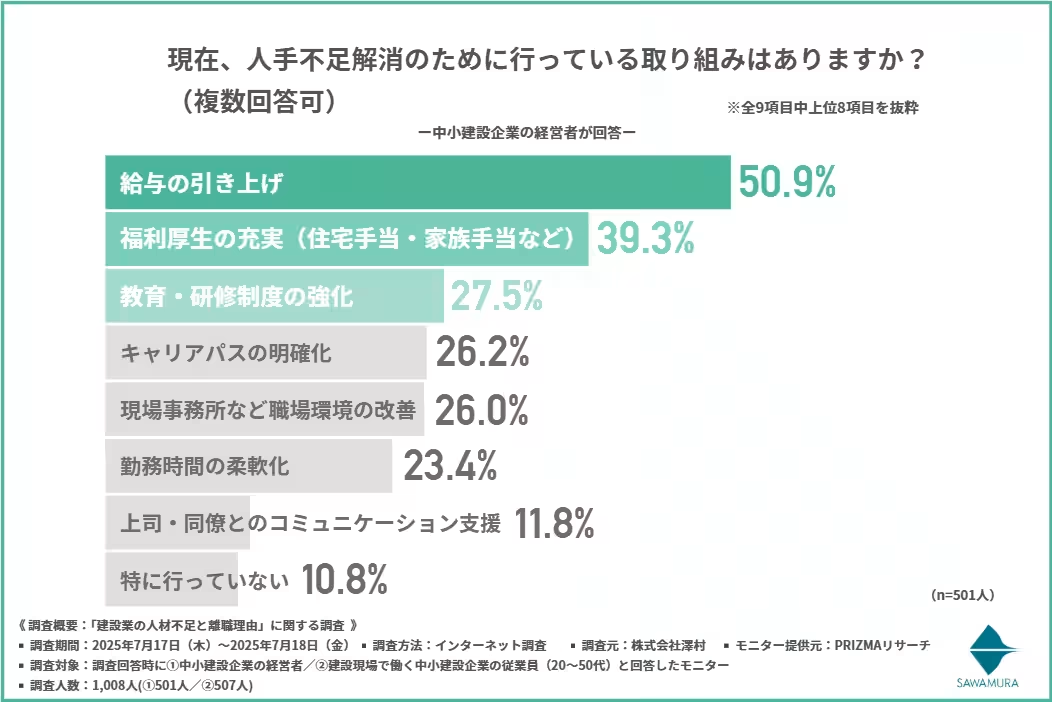
In response to labor shortages, many small construction business owners are focusing on improving pay and benefits, with 50.9% reporting they are raising salaries as a core strategy. Other measures include bolstering welfare benefits and enhancing education and training—yet there appears to be a disconnect between employer perceptions of compensation and actual employee sentiments.
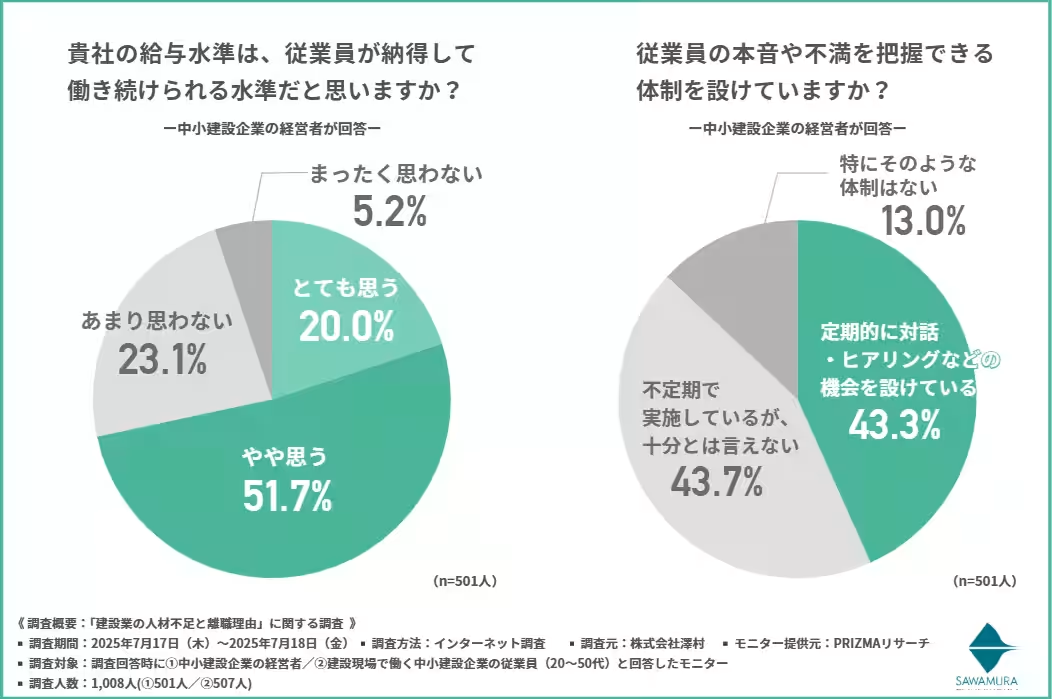
Approximately 70% of business owners believe that their pay scales are satisfactory to their workers, leading to a stark contrast with over half of the employees expressing that their compensation does not align with their work duties. This suggests a significant gap in how employee satisfaction is understood between leaders and their teams.
Employee Voices Matter
The results suggest that while a considerable number of employers may regularly engage in feedback sessions with their employees, a significant portion—over half—lack structured systems to capture employee opinions and concerns. This leads to critical issues festering unaddressed.
The Outlook for Retention
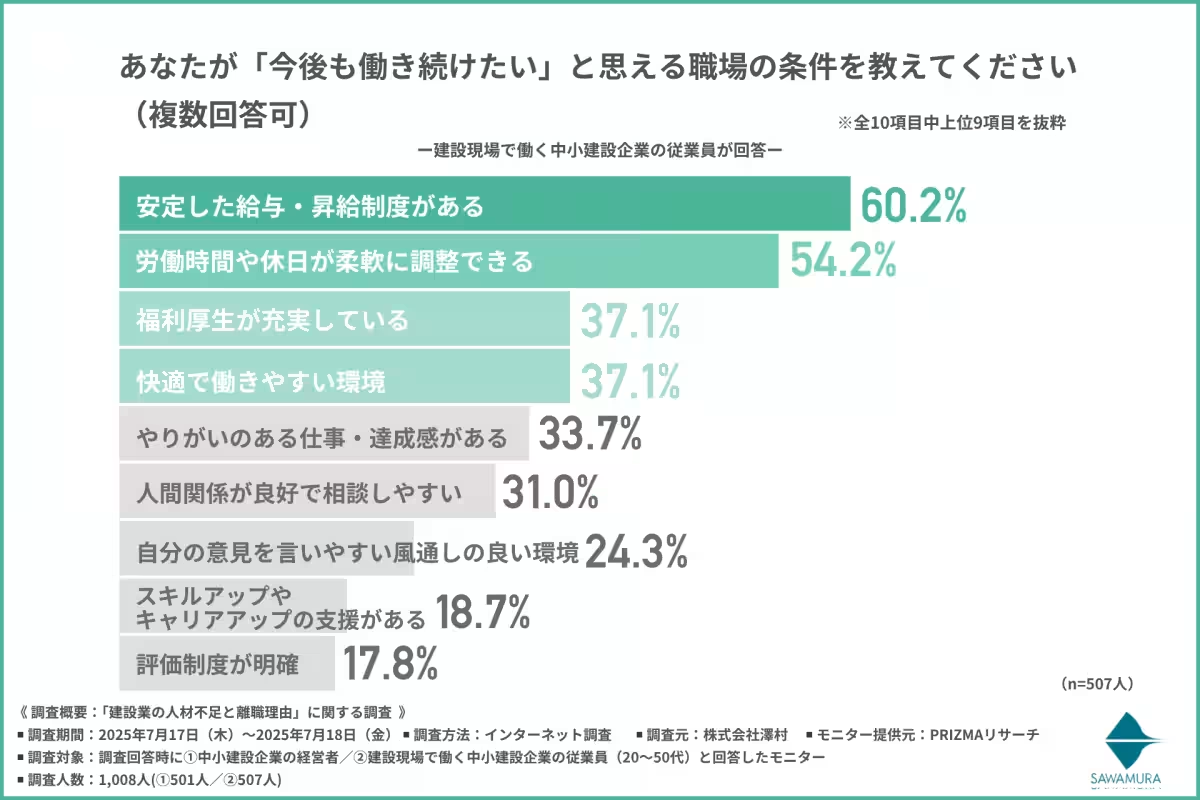
When directly asked what might encourage them to remain in the industry, current employees expressed a desire for stable salaries, flexible working conditions, robust welfare programs, and a comfortable workplace environment. Over 60% emphasized the importance of equitable pay coupled with a positive work-life balance, indicating that while monetary incentives are valued, so too are working conditions that facilitate a healthy work environment.
Conclusion: Addressing Deep-Rooted Perceptions
The survey results pointed towards a systemic issue within the construction industry that necessitates a focused effort on improving both perceptions of the industry and the actual working conditions within it. Moving forward, construction companies must not only address the tangible aspects of employment—like pay and benefits—but also work actively to reshape their image as a welcoming and equitable sector for all workers.
Overall, unless the construction sector aligns the expectations of employers and employees, the ongoing talent crises will persist, along with the challenges they pose.




Topics General Business)
【About Using Articles】
You can freely use the title and article content by linking to the page where the article is posted.
※ Images cannot be used.
【About Links】
Links are free to use.