



The Importance of English Proficiency in Mid-Career Recruitment: Insights from a Study
Importance of English Proficiency in Mid-Career Recruitment
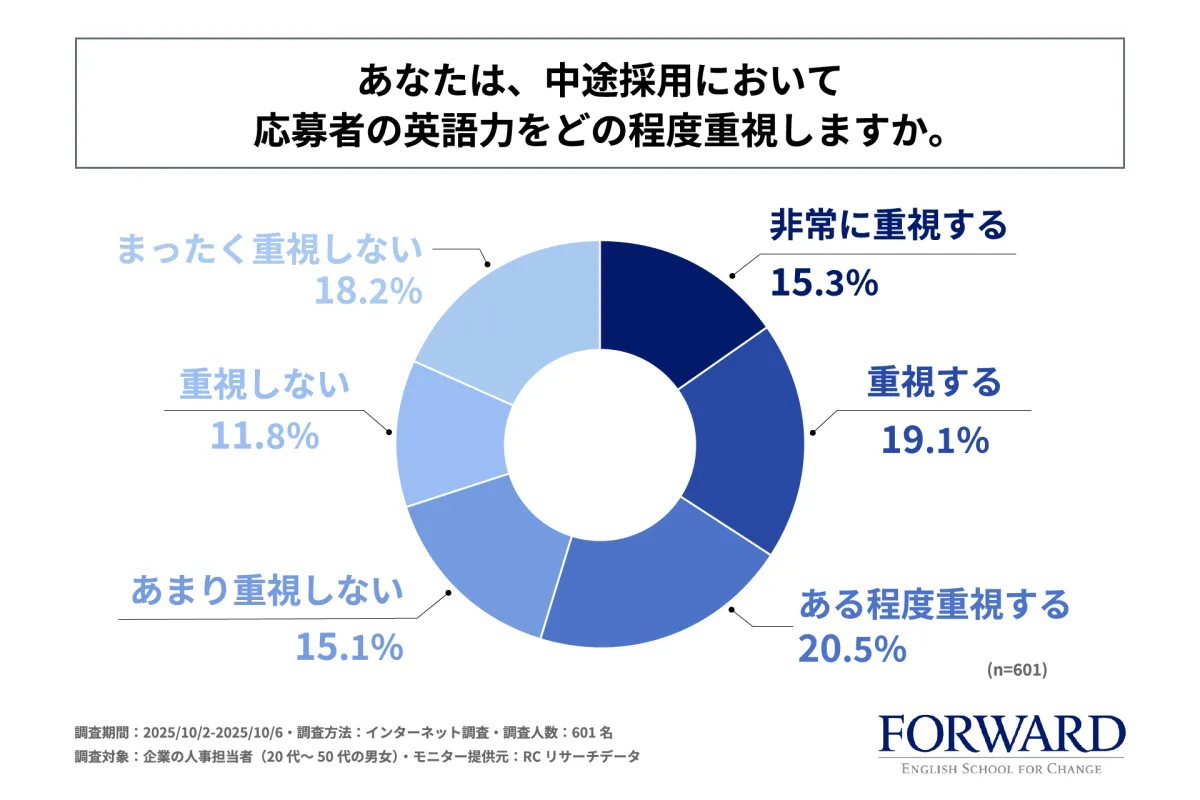
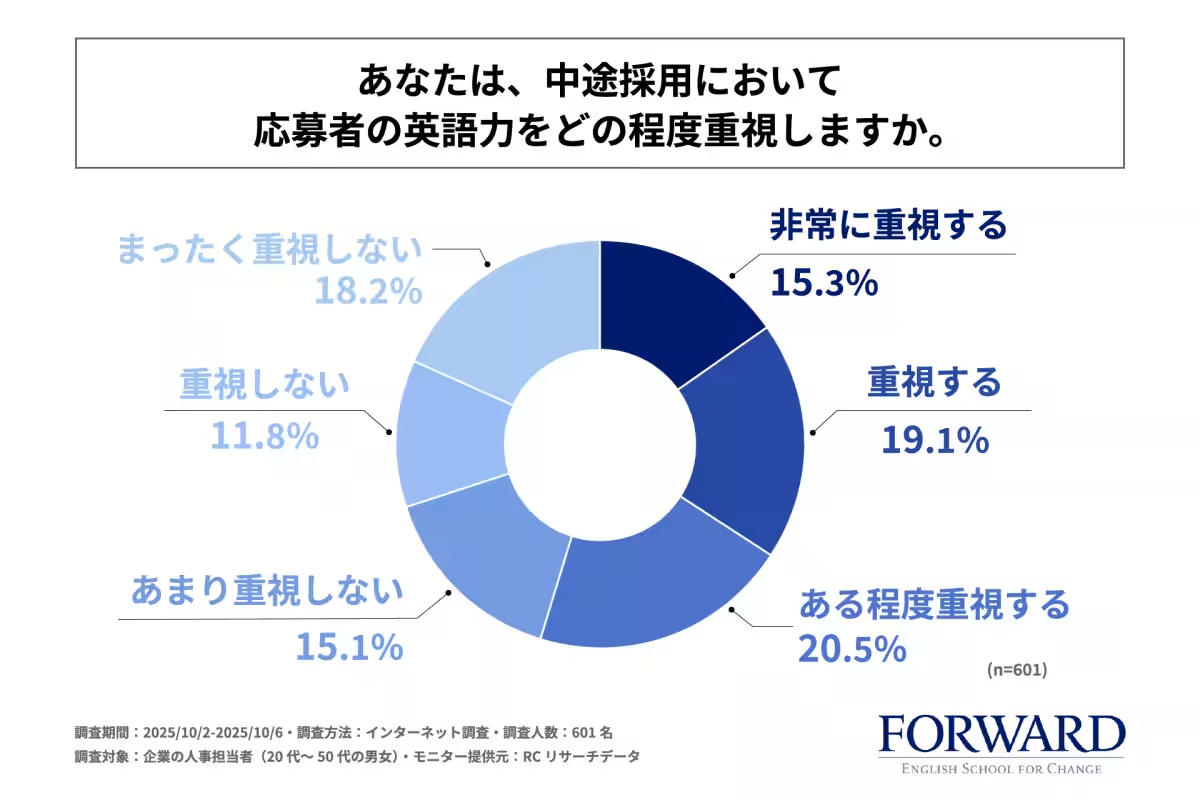
In a recent survey conducted by Language Teaching Revolutions, the significance of English proficiency in mid-career recruitment has been brought to light. Approximately 55% of human resources professionals acknowledged the weight of English skills when selecting candidates, especially amid the growing trend of globalization in business.
Context of the Study
As the business landscape continues to evolve, the necessity for English in various roles has become undeniable. Once primarily relevant for overseas departments, the need for English communication now spans a range of professions, including engineering, marketing, and human resources. This shift suggests that many professionals are now pursuing English learning to enhance their career prospects. However, a potential disparity has emerged between the skills valued by employers and the targets set by learners. To fill this gap, Language Teaching Revolutions conducted a survey to uncover how businesses evaluate English proficiency and its implications for career advancement.
Key Findings from the Survey
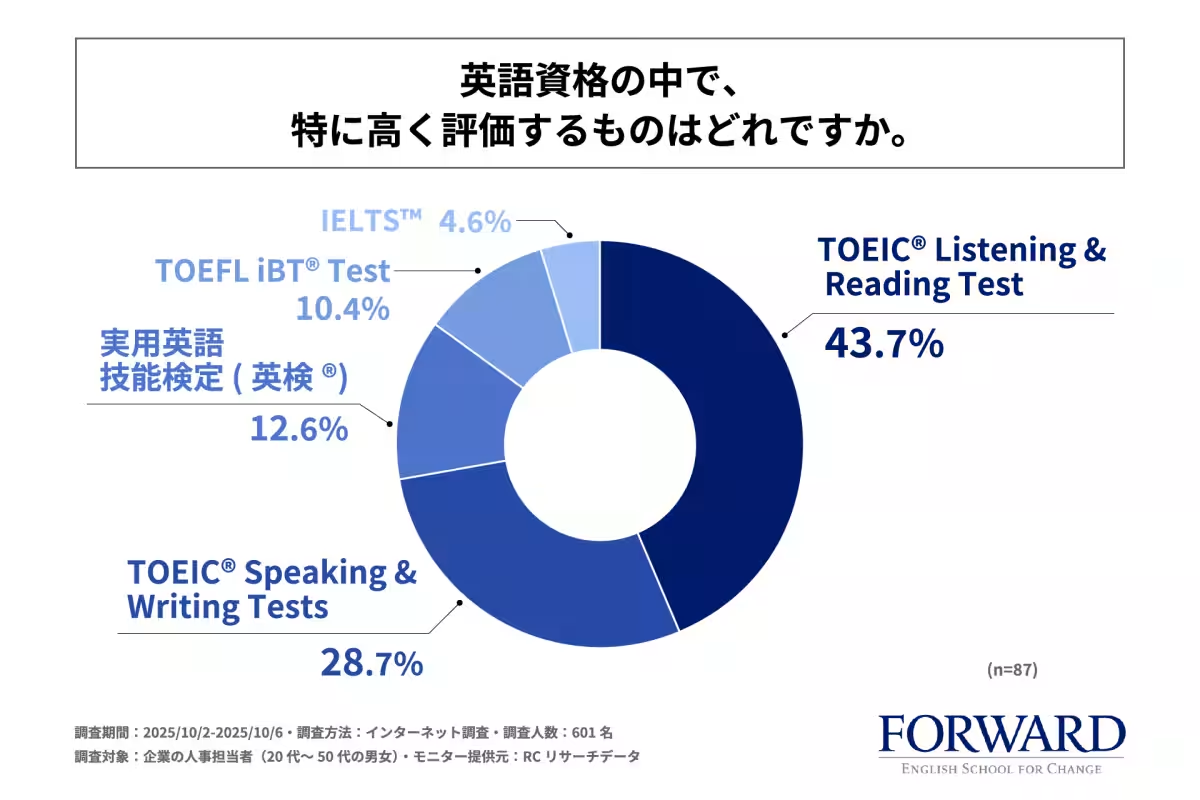
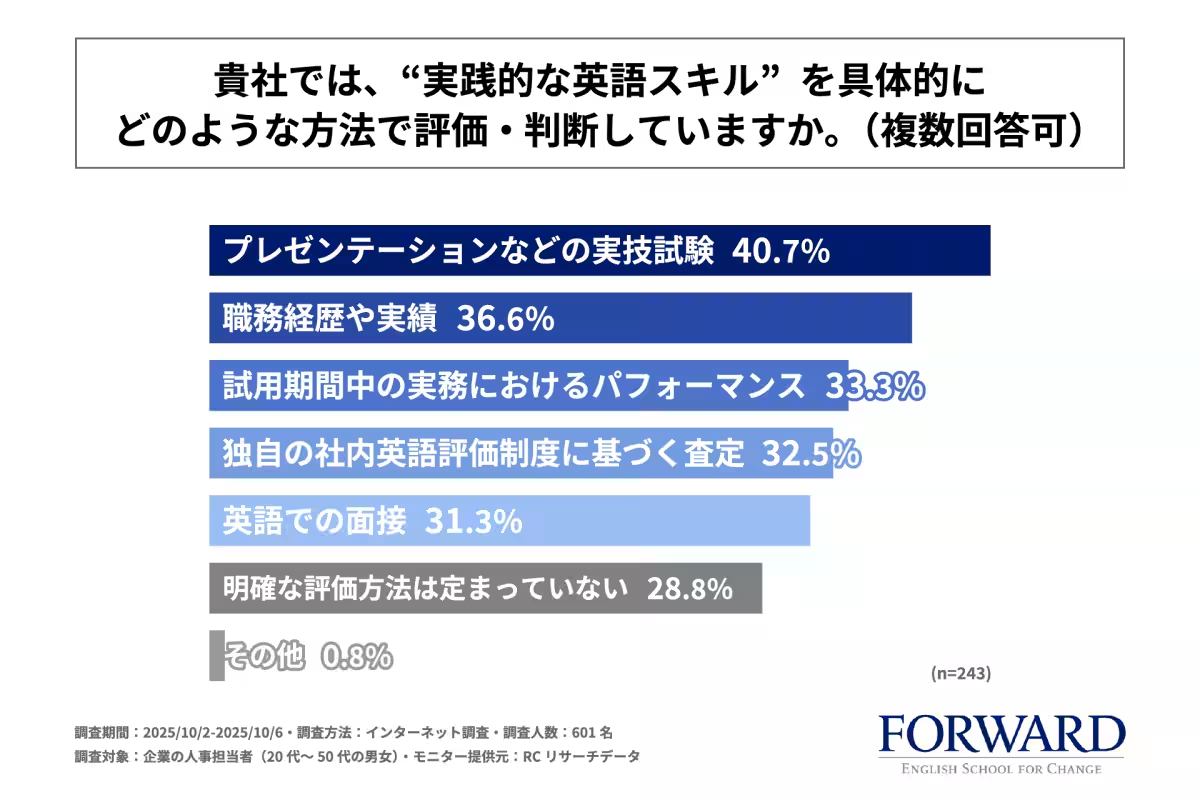
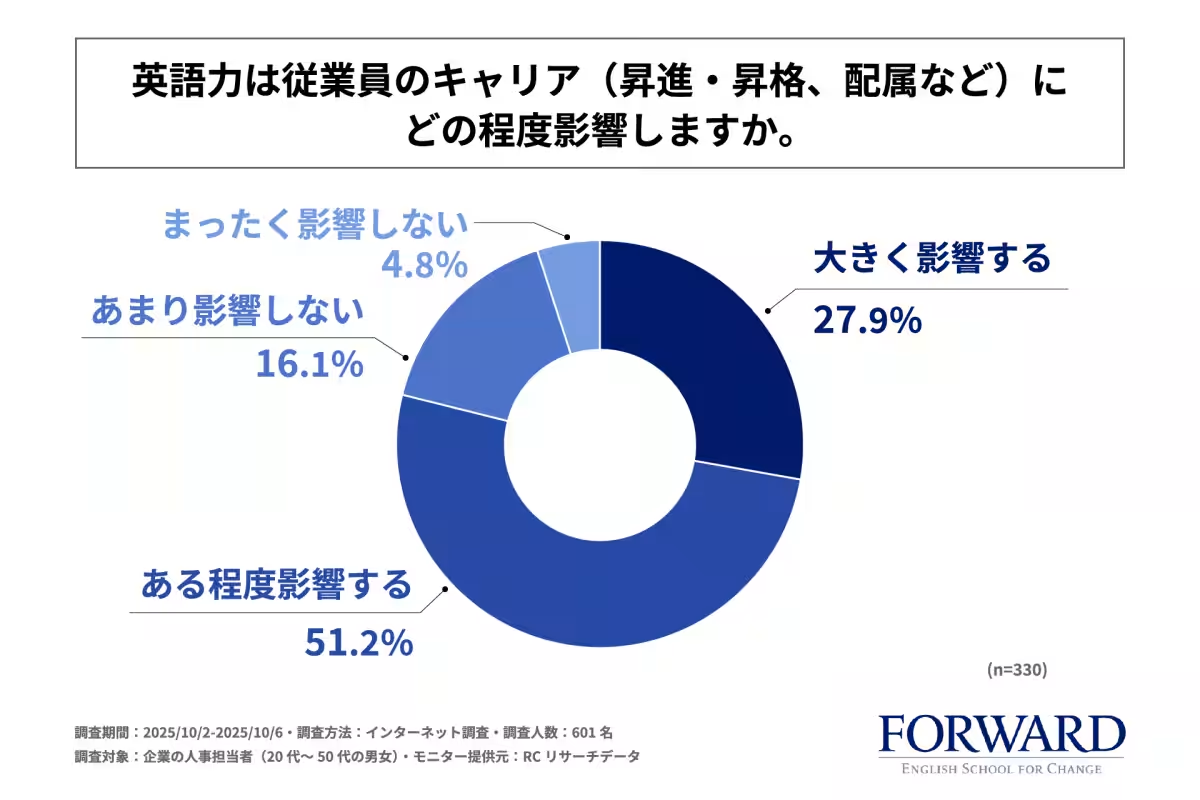
The survey conducted from October 2 to October 6, 2025, gathered insights from 601 HR professionals aged 20 to 50. Here are some of the significant findings:
- - 55% of HR professionals prioritize English proficiency when assessing mid-career applicants. The responses were categorized as follows: 20.5% emphasized its importance to a degree, 19.1% highly valued it, while 15.3% deemed it extremely important, collectively indicating that over half of surveyed HR personnel consider English skills significant in recruitment.
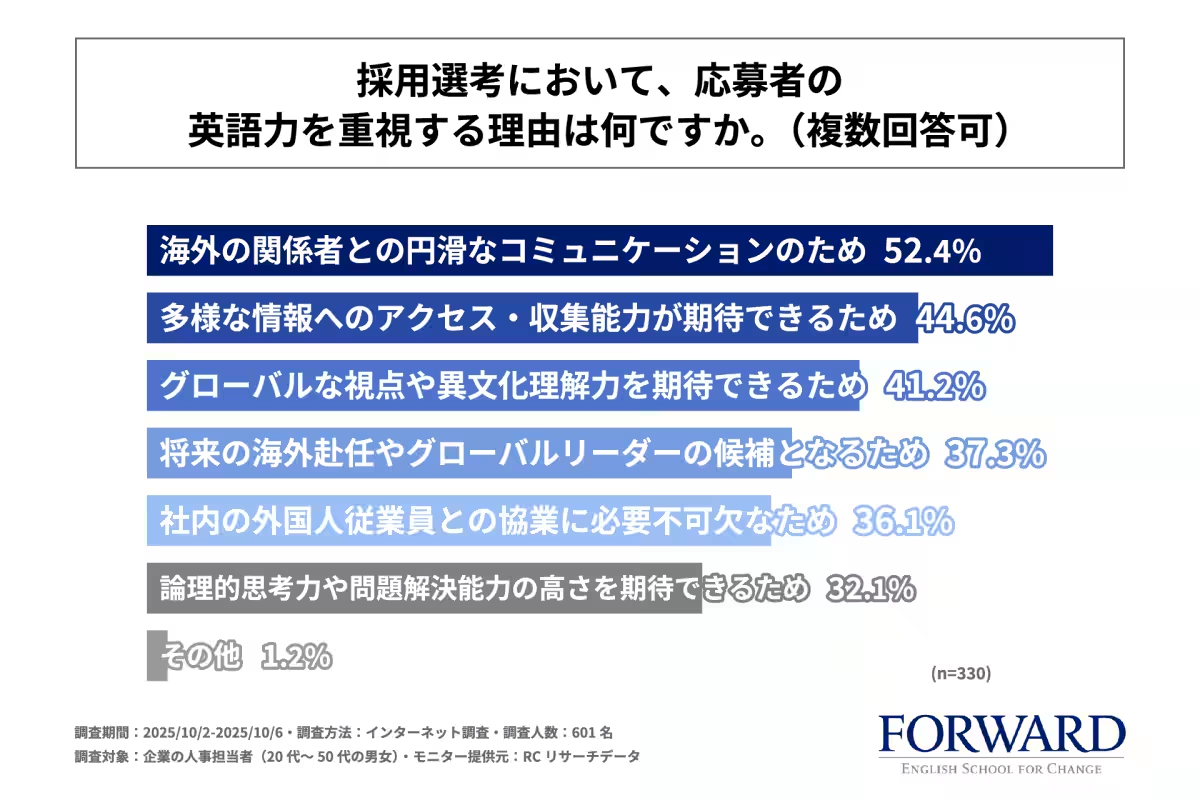
- - The primary reasons for valuing English proficiency include ensuring smooth communication with overseas stakeholders (52.4%) and enhancing access to diverse information and resources (44.6%).
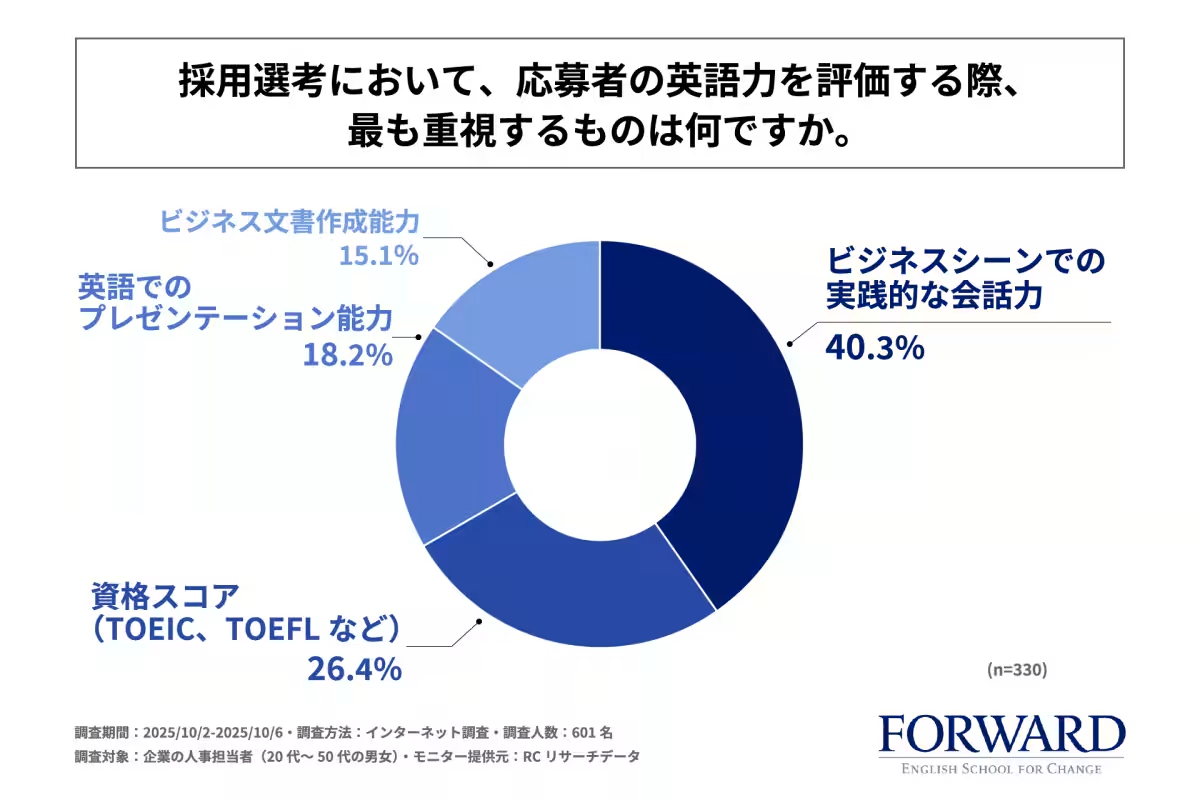
- - When evaluating a candidate's English skills, HR professionals stressed the importance of practical conversational abilities in business contexts (40.3%).
- - Among HR professionals who regard

Topics Other)
【About Using Articles】
You can freely use the title and article content by linking to the page where the article is posted.
※ Images cannot be used.
【About Links】
Links are free to use.