



Greening Learning Spaces Amid Global Crises: A New Initiative for Sustainability
Greening Learning Spaces Amid Global Crises
The global landscape is increasingly affected by climate change, leading to unprecedented crises that threaten education. In response, the organization Education Cannot Wait (ECW) has partnered with Save the Children, Arup, and the World Wildlife Fund (WWF) to create vital new standards for environmentally responsible temporary learning spaces. This ambitious initiative has been launched with a significant grant of $650,000 aimed at enhancing educational opportunities in crisis-hit areas.
The Call to Action
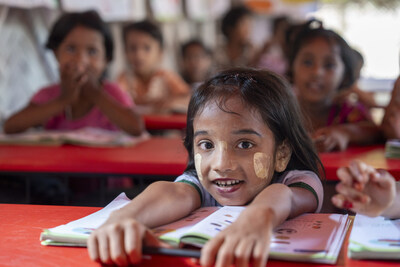
As world leaders gather for COP30 to address urgent environmental challenges, the connection between climate action and education in emergencies has never been clearer. Temporary learning environments serve as lifelines for children caught in crises worldwide, from refugee camps in Bangladesh to flood zones in South Sudan. However, the absence of clear guidelines on the sustainable design and management of these structures can lead to ecological degradation and waste, which in turn adversely affects the quality of education offered to vulnerable children.
Through this grant, ECW is harnessing its expertise in child rights and emergency response alongside Arup's technical know-how and WWF's environmental insights. This partnership blends humanitarianism, engineering, and ecological sustainability to transform the future of educational spaces amid crises.
Insights from Leaders
Marian Hodgkin, the Global Lead for Education at ECW, emphasized the importance of these temporary structures, stating, "Our temporary learning spaces offer stability and hope during crises. However, this hope must extend into sustainable futures, requiring a blend of technical expertise and the voices of children in the design process. By ensuring these spaces are environmentally responsible, we signify a commitment to investing in the future of our youth."
Arup's Hayley Gryc echoed these sentiments, expressing pride in collaborating with ECW and WWF to foster a climate-resilient environment in crisis contexts. She stated, "This initiative is a pivotal step towards rethinking the relationship between education and climate action, ensuring that even under dire circumstances, our temporary learning spaces uphold human dignity and ecological accountability."
Anita van Breda from WWF highlighted the restorative role of temporary educational structures, asserting, "These spaces are sanctuaries that help children regain normalcy after disasters. If not designed with the environment in mind, we risk exacerbating the challenges faced by communities against natural disasters like floods and earthquakes. Through our partnership, we intend to develop practical tools that enhance the resilience, inclusivity, and sustainability of classrooms in crisis settings."
A Comprehensive Approach
This initiative will focus on creating user-friendly guides for educational stakeholders operating in crisis zones. The guidance will encompass the entire lifecycle of temporary learning environments—from design and material sourcing to maintenance and decommissioning—all while promoting low-impact construction and local adaptation. Special emphasis will be placed on integrating children with disabilities and those facing gender barriers.
In collaboration with local and international partners, the project aims to develop global frameworks for greening temporary learning environments, alongside practical recommendations and cost-calculation tools. These resources will undergo testing in various crisis situations to ensure their applicability in emergencies and will be openly disseminated through educational, climate, and humanitarian networks to support widespread adoption and impact.
Commitment to Education and Climate Action
This grant underscores ECW’s strategic commitment to climate-responsive education during emergencies. It emphasizes the urgent need for collective investment in education as a central component of climate action, aligning with calls to action at COP30. This initiative contributes to global efforts to render educational systems more resilient and inclusive in the face of escalating climate and humanitarian risks.
In conclusion, the greening of learning spaces in crisis settings not only addresses immediate educational needs but also lays the groundwork for a sustainable future, demonstrating how investment in education is inextricably linked to environmental stewardship. For further information and visuals, visit ECW Refugee Knowledge and the ECW Logo.
Topics Other)
【About Using Articles】
You can freely use the title and article content by linking to the page where the article is posted.
※ Images cannot be used.
【About Links】
Links are free to use.