




Overcoming the Driving Anxiety Barrier: New Support Program for Inexperienced Drivers
Overcoming the Driving Anxiety Barrier: New Support Program for Inexperienced Drivers
In a recent survey by Tokyo Driving Support, it was revealed that a staggering 60% of drivers report feeling anxiety about resuming driving after a long hiatus. The research indicates that psychological barriers, termed "the resumption wall," are prevalent among urban residents who have been out of practice for years. This situation is prompting a shift towards innovative support methods, including the introduction of a 90-minute driving lesson combined with psychological counseling.
The Social Context: "Licenses Exist, but Driving Does Not"
In Tokyo, it is estimated that approximately 30% to 40% of licensed drivers drive very little or not at all. This equates to hundreds of thousands, possibly even over a million, so-called 'paper drivers' within the city alone. Particularly among women in their 20s and 30s, around 60% to 70% are reported to have nearly ceased driving due to the convenience of public transport. Consequently, as time passes, the psychological barriers to getting back behind the wheel escalate.
The need for driving lessons is expected to rise as many individuals face this "resumption wall"—the mental block preventing them from driving again. Tokyo Driving Support has conducted in-depth analysis, capturing sentiment from 106 Google reviews left by course participants, revealing that a shocking 87% expressed feelings of anxiety, tension, and fear before their lessons.
The Breakdown of Pre-Lesson Anxiety
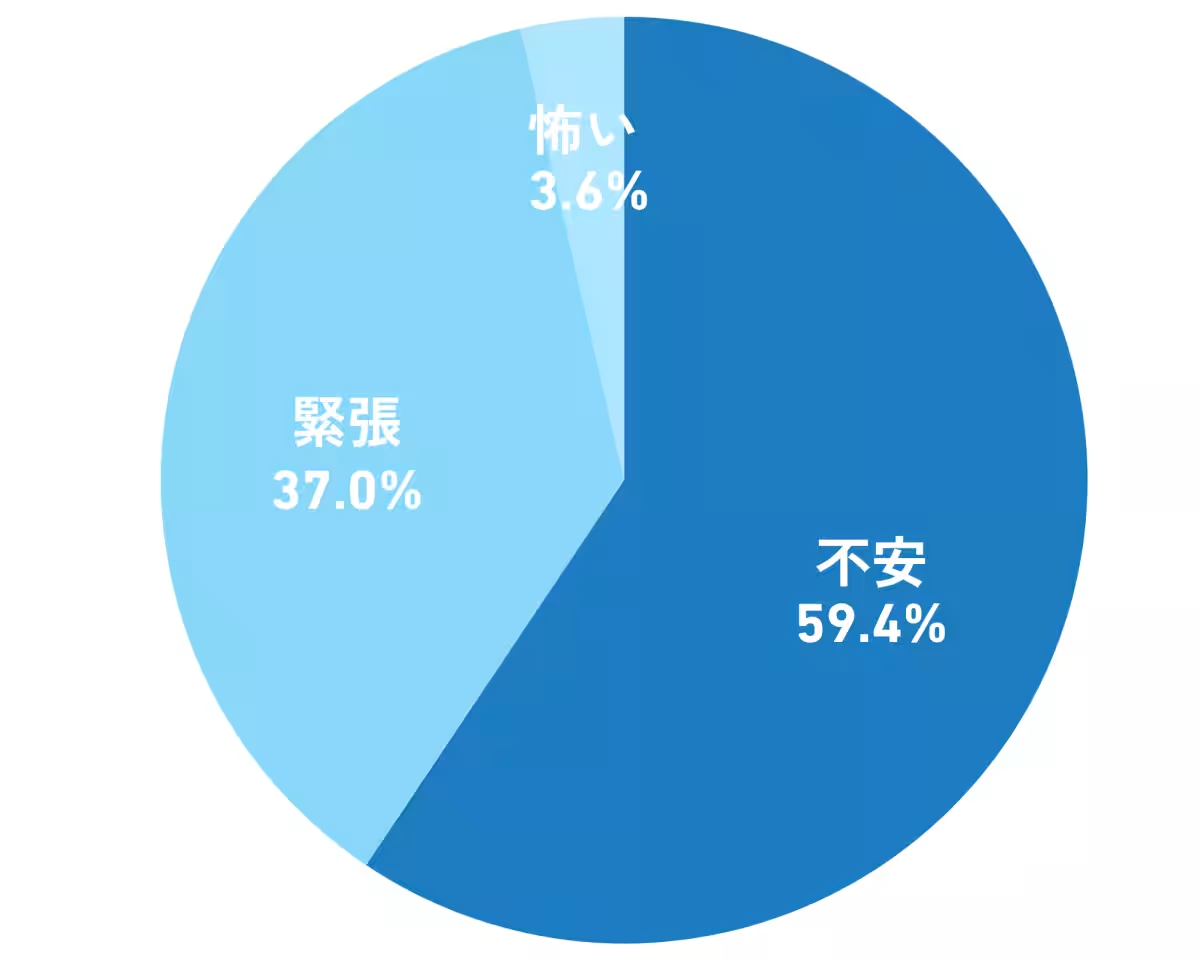
The analysis highlighted pre-lesson sentiments, showing that around 59% of participants experienced anxiety, 37% felt tense, and 3.6% were outright scared about the prospect of driving again. This data emphasized that the issues faced by paper drivers extend beyond mere practical skills, delving into deep psychological territory.
Core Findings From the Analysis
- - 60% of individuals reported feeling anxiety before their lessons.
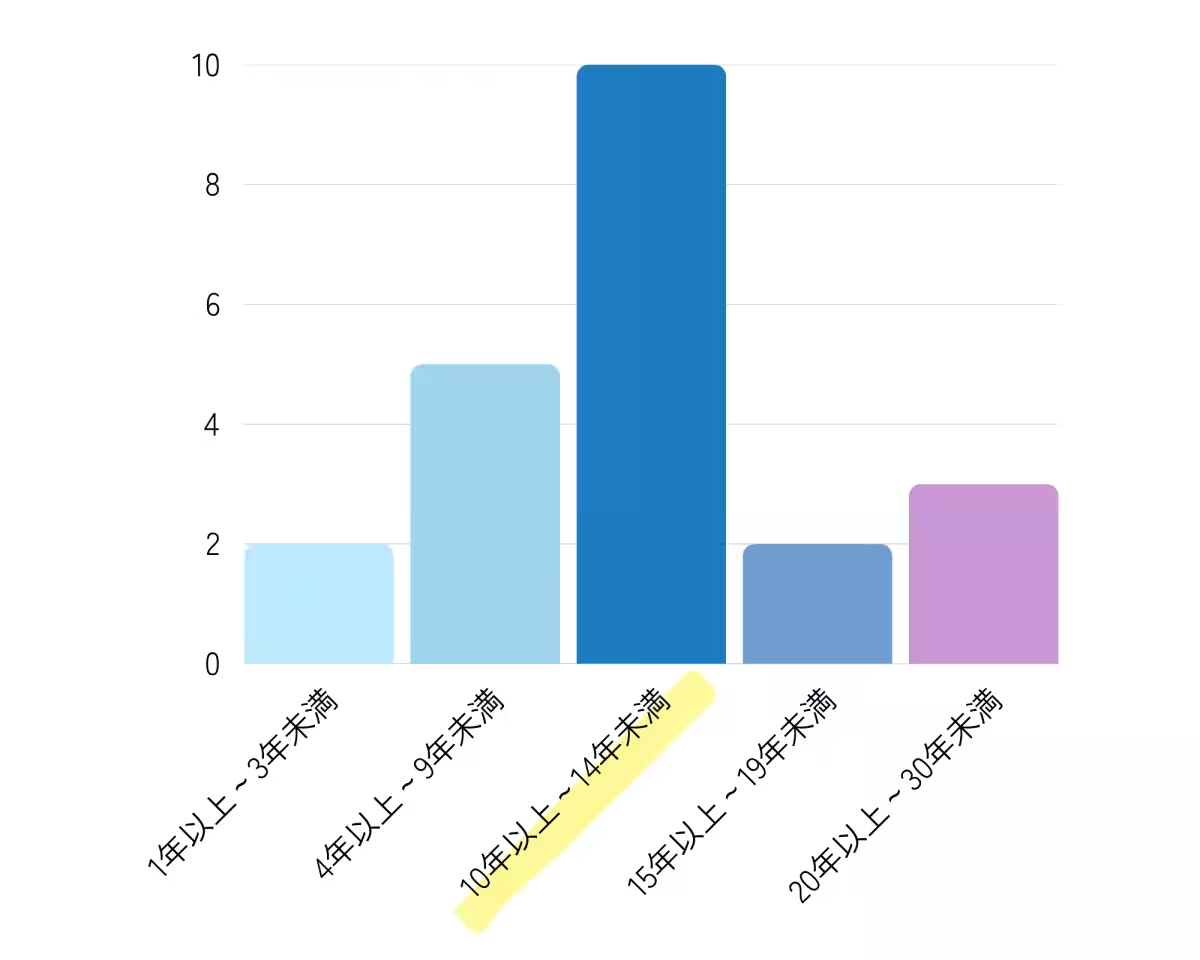
- - Approximately 65% of the participants had not driven in over 10 years.
- - Post-lesson, about 80% of participants stated that they regained their confidence.
These findings indicate that the challenges paper drivers face are not solely technical but are heavily influenced by underlying psychological barriers.
The Shift Toward Emotional Support in Driving Training
The results underscore the necessity for training programs to evolve beyond simply teaching driving skills. Testimonials from participants confirm that the biggest hurdle many face is the loss of confidence, rather than a lack of driving ability. Many shared sentiments such as, “I broke a sweat just starting the engine” or “I couldn’t hit the brakes for fear of being criticized by my family.”
Recognizing this, Tokyo Driving Support introduced the concept of psychological counseling integrated into driving lessons. During the introductory 90-minute session, instead of focusing solely on practical driving exercises, instructors dedicate time to understanding the emotional landscape of each participant.
A Two-Phase Approach
1. Hearing Phase: Instructors spend time engaging with participants to understand their past driving history, reasons for their break, and any anxiety stemming from accidents or trauma. Through empathetic listening and open dialogue, the instructors can help participants articulate their anxieties, creating a space for self-discovery.
2. Practical Phase: In this phase, the driving exercise is targeted toward familiar environments—such as residential areas or parking lots—where participants can face challenges at their own pace. Instead of receiving overwhelming instructions, the approach is to encourage small, manageable success experiences to reprogram their fear into positive reinforcement.
Transforming Fear into Confidence
Feedback from participants indicates significant psychological transformation through these lessons. A 30-year-old mother from Nerima, who hadn’t driven in five years, stated, “I felt terrified about driving kids to daycare, but the instructor’s calming presence made me believe I could give it a try.”
An instructor, Ken Kosa, with over 15 years of experience, emphasizes the importance of restoring confidence first. His methodology is reflective of a broader trend, seeking to move away from traditional authoritative teaching styles toward a collaborative dialogue-based approach.
This shift acknowledges that at the core of inability to drive is not just a lack of skills but a mental block—the “mind’s brakes.”
Innovative Counseling Methodologies in Driving Lessons
Incorporating insights from clinical psychology and counseling techniques, the lessons delve into creating a conducive environment for participants to feel safe discussing their concerns. Here are key strategies:
- - Empathetic Listening: Instructors align their communication style to cultivate a relaxing atmosphere, using eye contact and soothing tones to foster trust.
- - Acceptance Approach: Recognizing and validating past experiences of fear or failure helps alleviate feelings of guilt or inadequacy, which is essential for rebuilding confidence.
- - Cognitive Behavioral Techniques: By reframing thoughts from “I can’t do it” to “I might be able to try this,” participants learn to approach their fears positively.
- - Gradual Exposure Therapy: Rather than jumping to complex driving situations, participants start on calm streets, accumulating successful driving experiences that reshape their thought patterns over time.
Conclusion: A New Standard in Driver Education
Tokyo Driving Support’s innovative integration of psychological support within driving education offers more than just a pathway to reclaim driving skills; it sets a new standard, prioritizing the mental well-being of driving candidates. The current societal concern regarding intimidating instructional methods and emotional distress has led to a paradigm shift towards more considerate and supportive educational approaches.
These training sessions aim to empower drivers, reassuring them and fostering a culture of encouragement and understanding, paving a smoother road toward regaining their driving independence. As societal trends continue to evolve, so too must the methods we employ to engage and uplift those ready to overcome their barriers to driving.

Topics Other)
【About Using Articles】
You can freely use the title and article content by linking to the page where the article is posted.
※ Images cannot be used.
【About Links】
Links are free to use.