



The Untapped Potential of Currency Left Behind by Travelers in the Cashless Era
The Untapped Potential of Currency Left Behind by Travelers in the Cashless Era
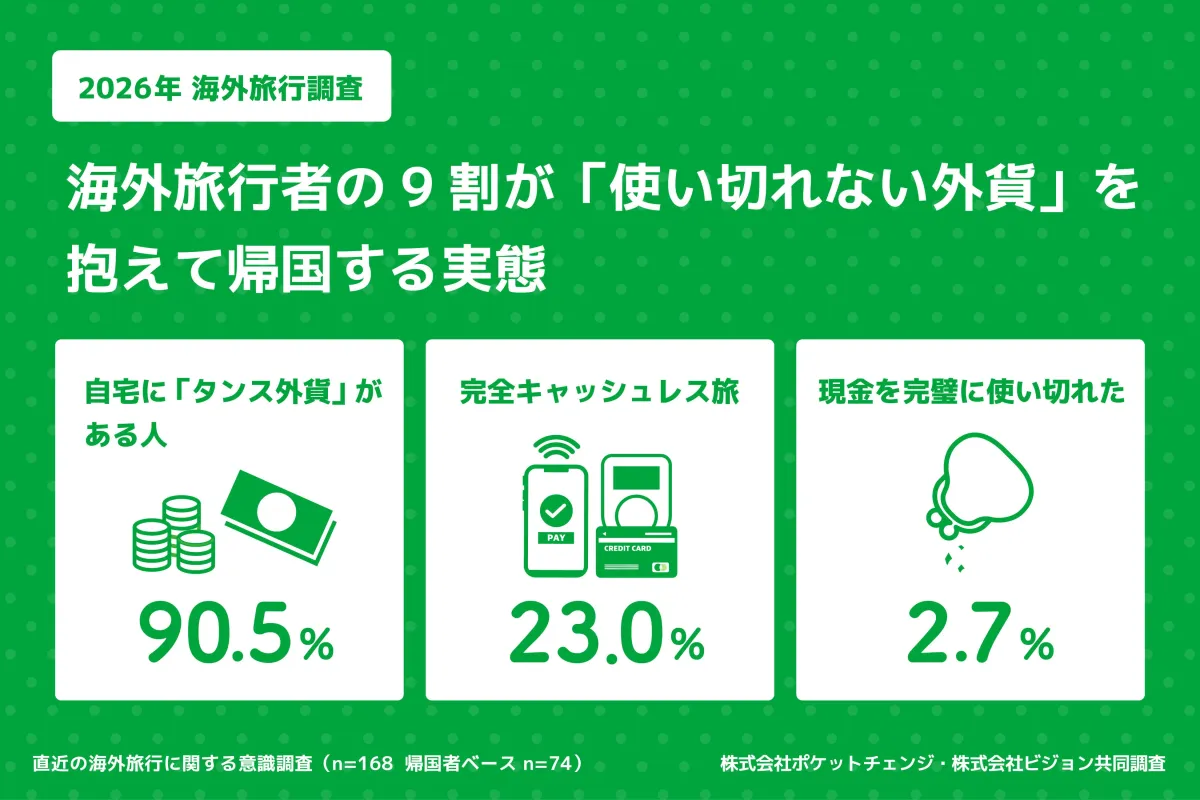
As we entered 2026, cashless payments became the standard for travelers heading abroad, thanks to advancements in technology and growing digital payment options. However, upon returning home, how many of us find ourselves facing challenges with leftover foreign currency? A survey conducted by Pocket Change in collaboration with Global WiFi® aimed to explore this pressing issue, revealing that a staggering 90% of travelers leave their foreign currency unused.
The Survey's Key Findings
The survey collected responses from 168 individuals who recently traveled abroad using Global WiFi®. Conducted through web-based questionnaires between March 14 and June 26, 2026, the aim was to uncover the realities surrounding cash use among travelers in an era where cashless transactions are gaining popularity.
The Challenge of Going Fully Cashless
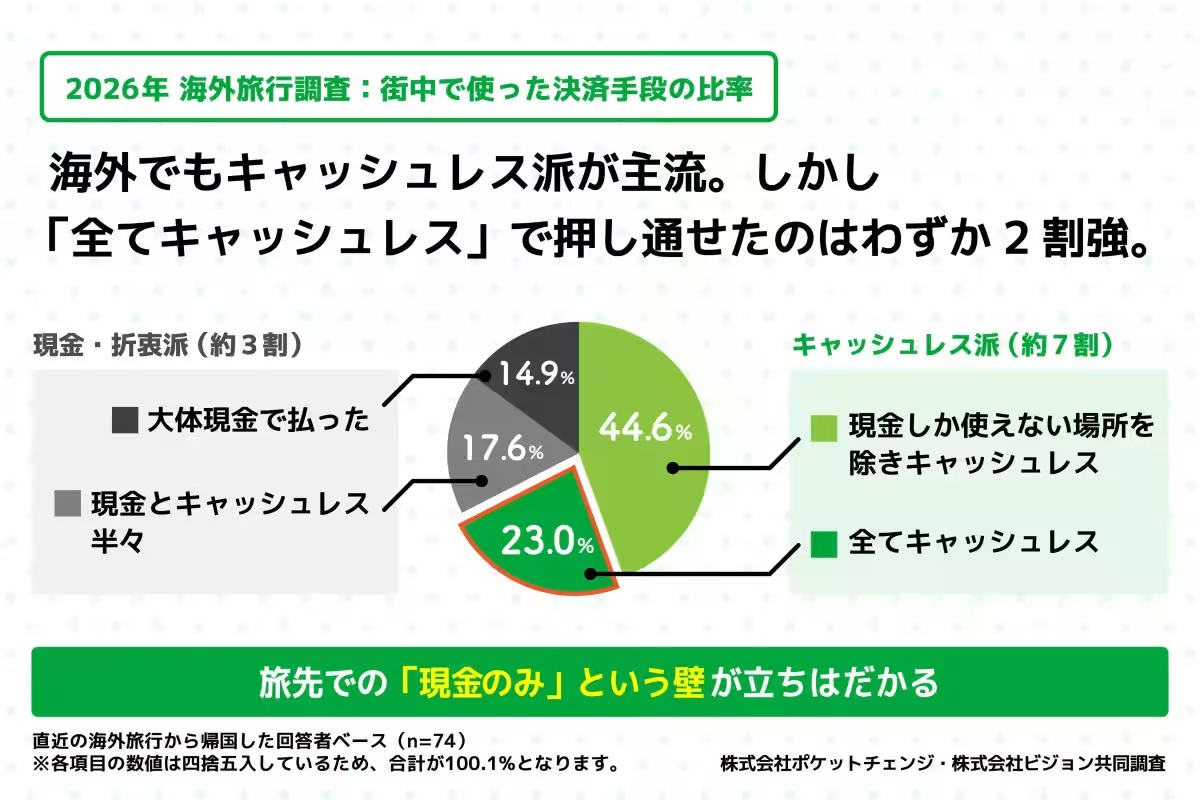
Among 74 respondents who had just returned from overseas, 67.6% indicated they primarily used cashless payment methods during their travels. However, only 23% of these travelers managed to complete their journeys without using any cash at all. This highlights a significant barrier to achieving a fully cashless travel experience despite the advancements in credit cards and mobile payment options.
Situations Requiring Cash
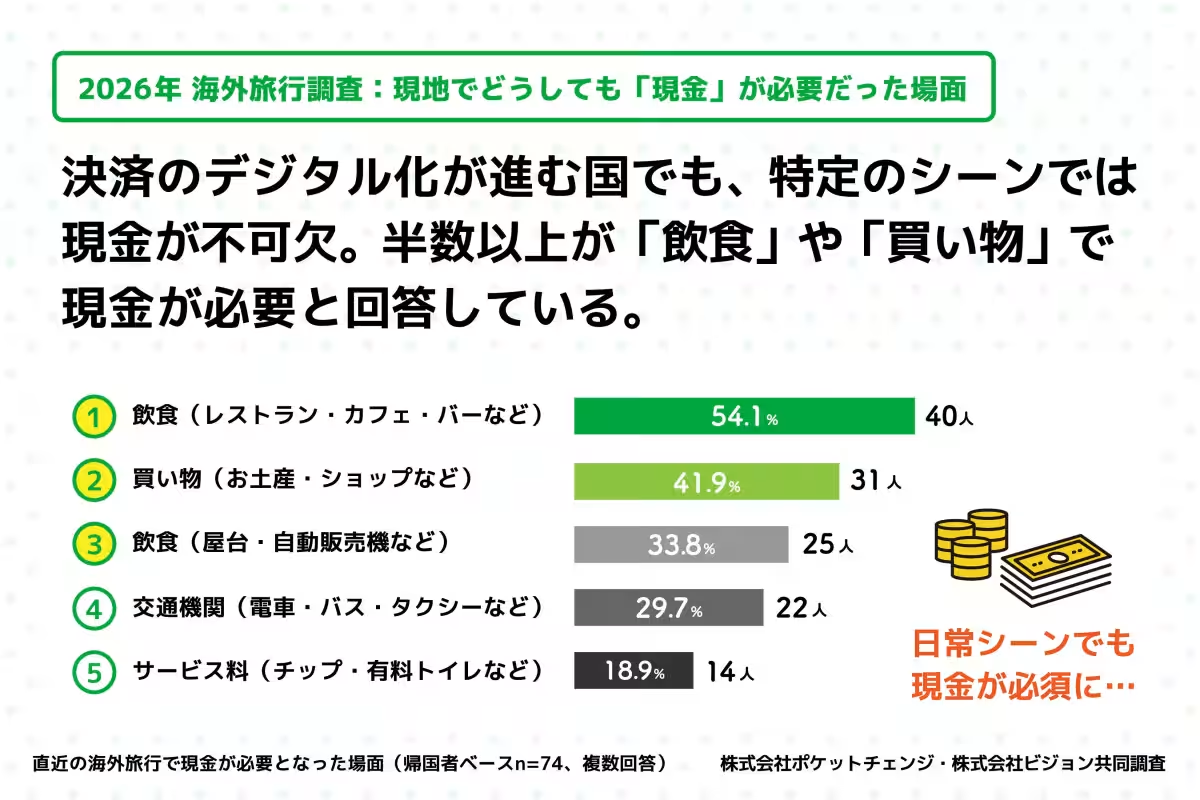
When asked about specific scenarios where cash was indispensable, the results were telling. The most common circumstances included payments for meals at restaurants, cafes, and bars (54.1%), followed closely by shopping (41.9%). Other noteworthy mentions included cash usage for street food and vending machines (33.8%) and transportation (29.7%). Even in countries with advanced digital payment systems, there are essential situations where cash is still required.
Payment Culture Comparison: Asia vs. Western Countries
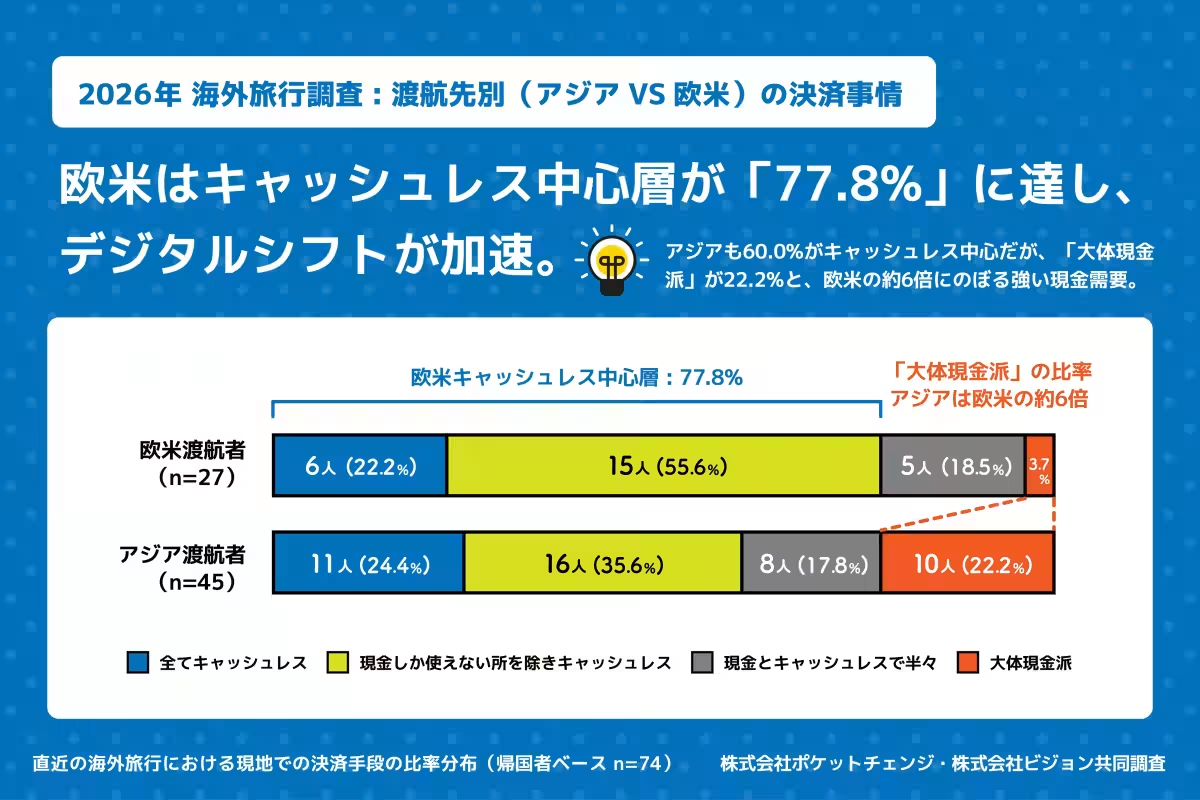
The survey also compared payment habits between Asian and Western travelers. Among Western travelers, a commendable 77.8% primarily utilized cashless options, while this number was slightly lower at 60% for travelers in Asia. Interestingly, 22.2% of travelers from Asia indicated they generally preferred cash, which starkly contrasts with the tiny 3.7% among Western travelers. This suggests a lingering preference for physical currency in many Asian destinations as travelers are inclined to carry some cash for emergencies.
How Much Cash is Actually Spent?
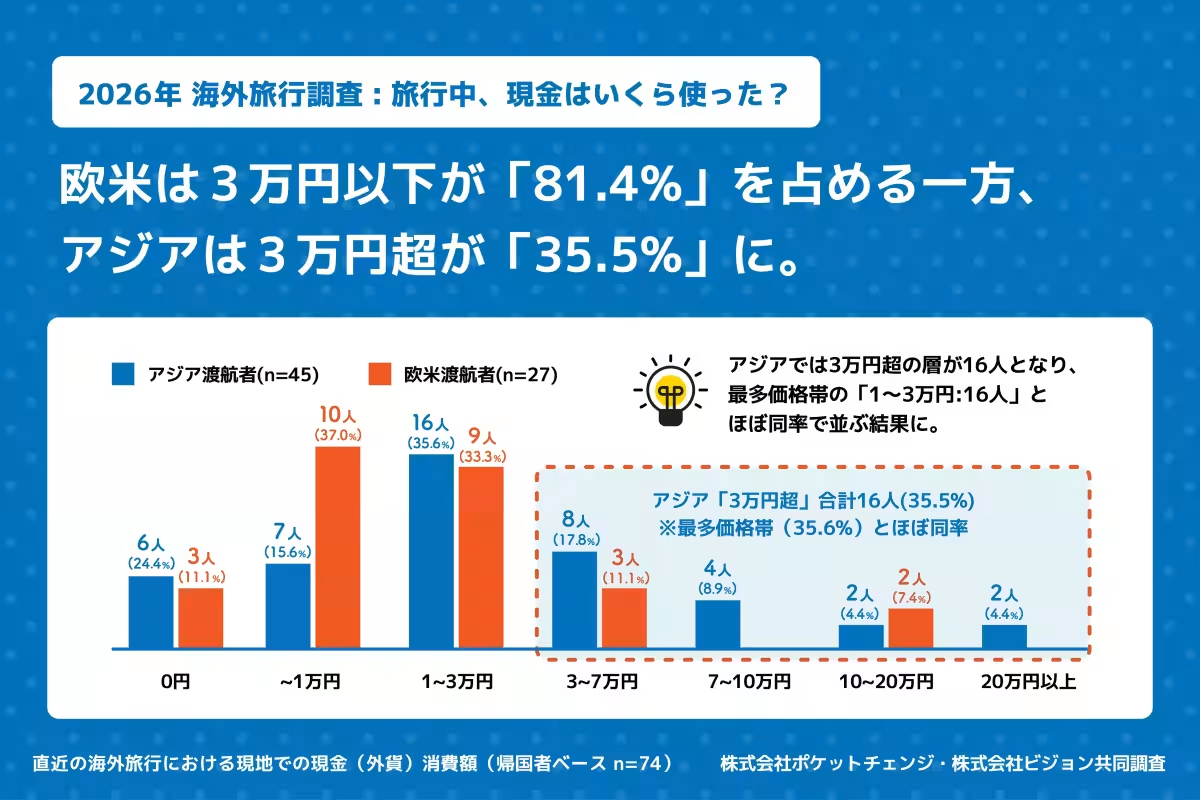
When querying travelers about the total cash spent abroad, it was discovered that 70.3% of respondents spent less than ¥30,000 (approximately $200). This revealed distinct spending habits depending on their destinations. For Western travelers, an impressive 81.4% fell into the lower cash spending category, while Asian travelers demonstrated a more varied approach to cash spending. This indicates that financial habits significantly influence cash usage.
The Unused Currency Dilemma
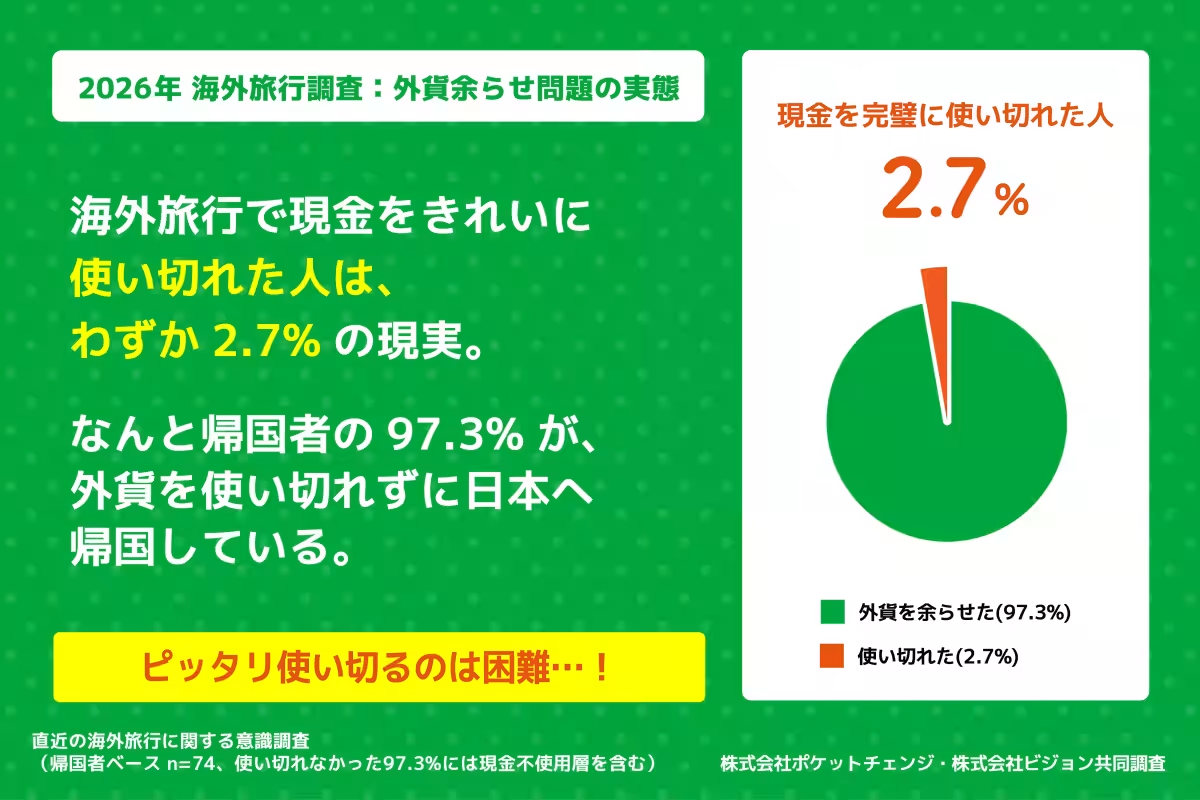
An alarming conclusion from the survey was that only 2.7% of respondents successfully used all their cash abroad. A staggering 97.3% returned home with unused foreign currency, accumulating over time. When asked about the fate of their foreign currency, 81.5% admitted to simply storing it away, deterred by the cost of exchanging smaller amounts back into yen.
The Reality of Stored Foreign Currency
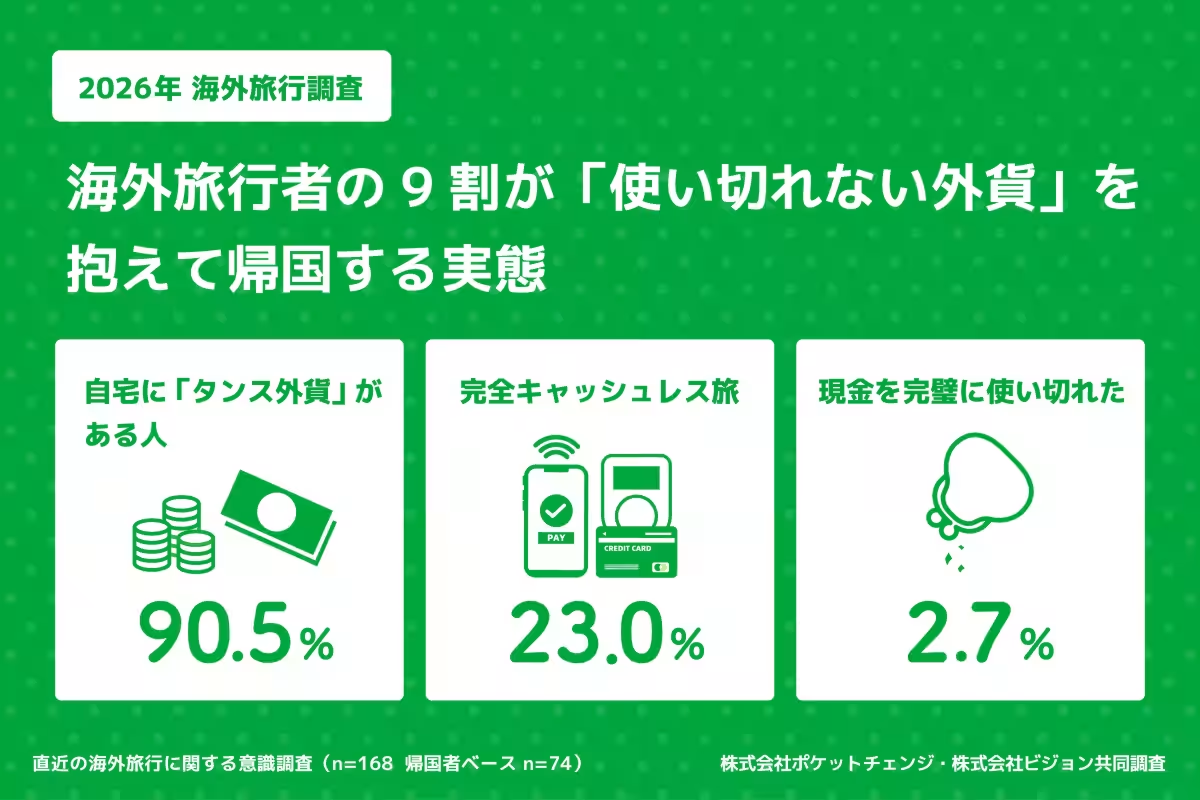
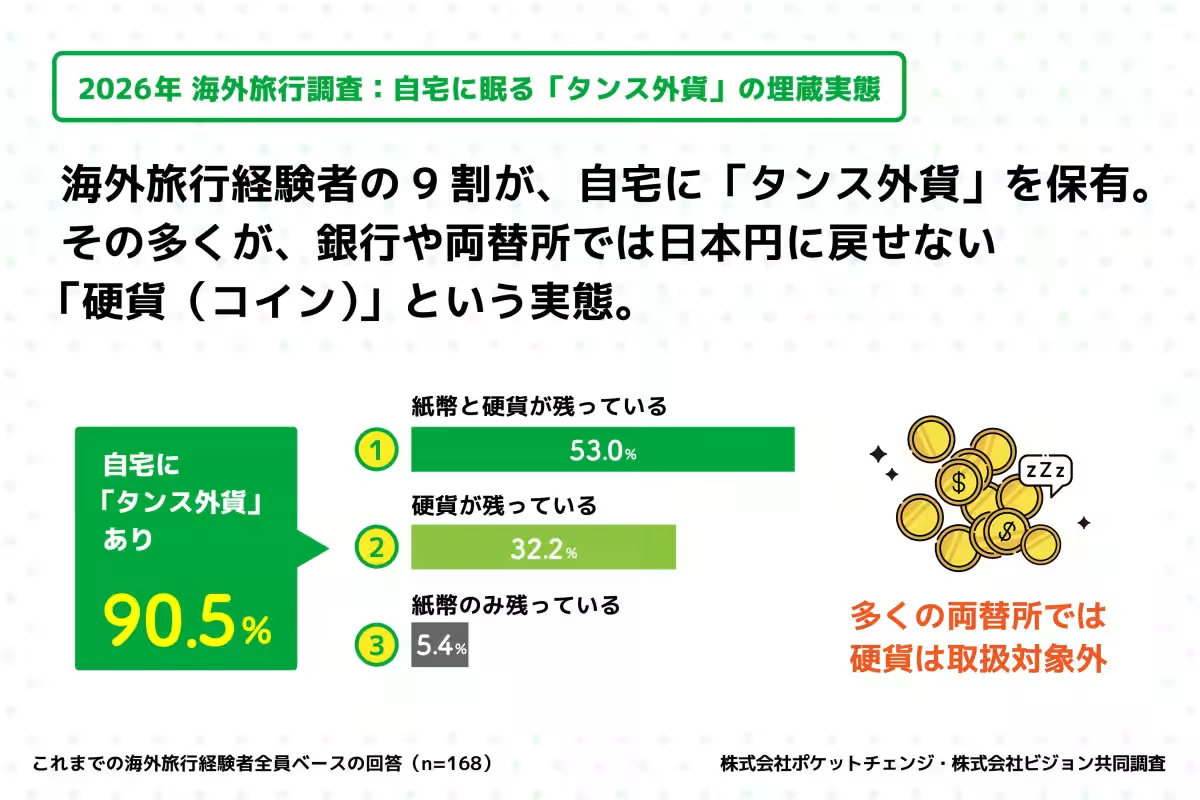
Diving deeper, 90.5% of respondents revealed they had leftover foreign currency from previous travels. Most notably, many of these held various coins that are rarely accepted for exchange, trapping travelers in a cycle of unused funds. Hence, foreign coins largely end up stagnant at home, highlighting a significant challenge for saving and utilizing these resources efficiently.
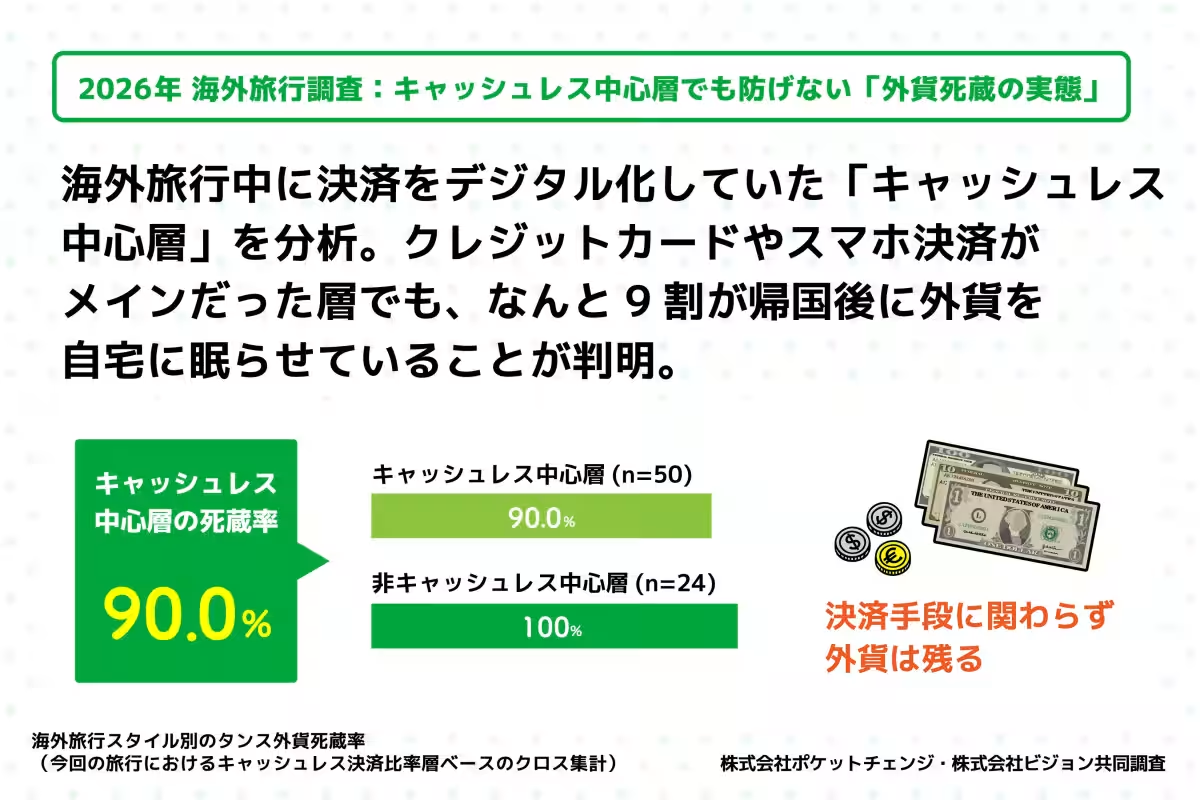
Cashless Travelers Still Face the Issue
Even travelers who identified as primarily using cashless payments weren't immune to the leftover currency conundrum. Among those who rated themselves as cashless-focused, 90% still returned home with foreign currency. This finding underscores a widespread issue affecting all travelers, regardless of their primary payment method abroad.
Introducing Pocket Change: A Solution to Unused Currency
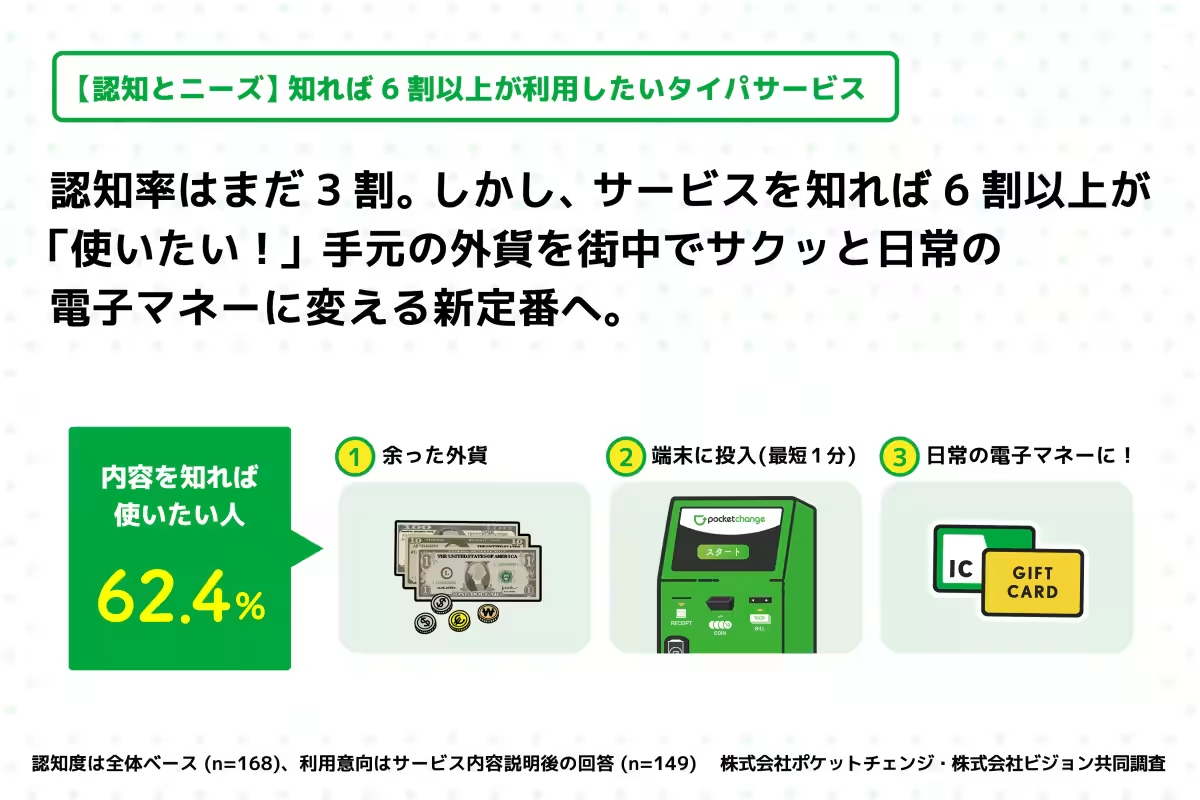
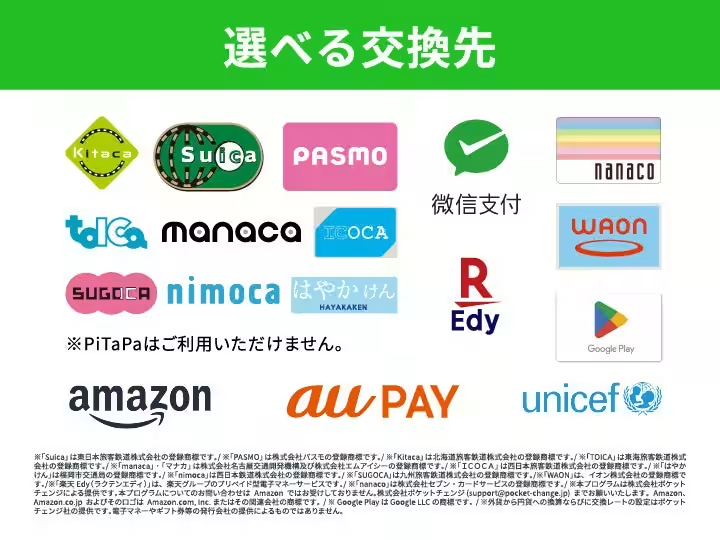
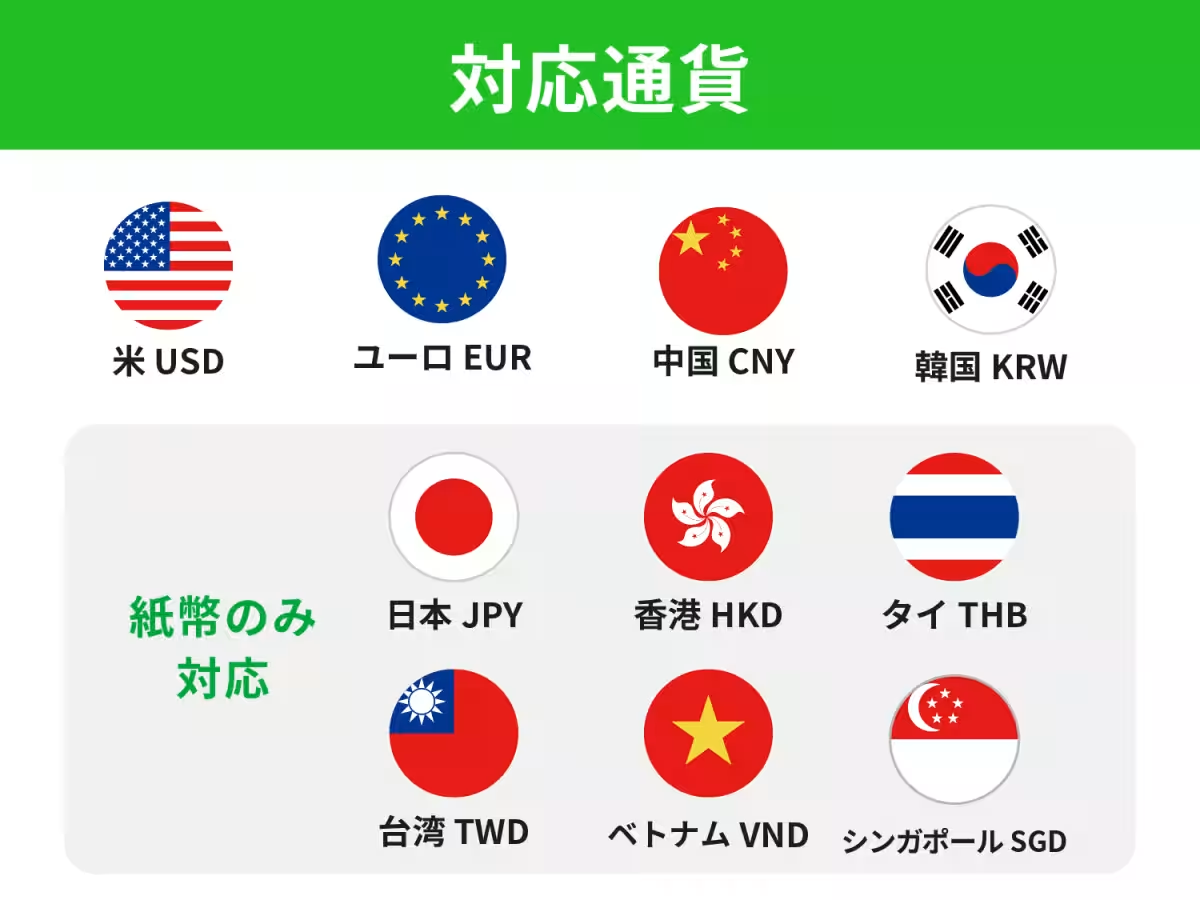
In light of these findings, Pocket Change offers a solution—an innovative service allowing travelers to convert their foreign currency into electronic money. Although recognition of the service among respondents was relatively low (32.7%), 62.4% showed interest in using it after learning about its features. By simply depositing coins and bills into one of the Pocket Change kiosks, users can exchange their leftover foreign currencies for various digital currencies, making it easier to utilize previously wasted resources.
With convenient locations at airports and various commercial establishments, Pocket Change functions without prior registration making it user-friendly for those looking to manage their leftover currency effectively.
For future journeys or when rediscovering stored currency at home, travelers should definitely consider utilizing Pocket Change as a practical solution for their foreign currency management.
Conclusion
As emphasized by Pocket Change, the existence of unused foreign currency can be avoided with strategic solutions that make travel experiences smoother and more efficient. Whether on future trips or during regular home organization, smart currency management can lead to better resource utilization for all travelers.
Topics Travel)
【About Using Articles】
You can freely use the title and article content by linking to the page where the article is posted.
※ Images cannot be used.
【About Links】
Links are free to use.