



High School Students Design a Dinosaur and Mushroom Game from Scratch
Creating a Dinosaur and Mushroom Game
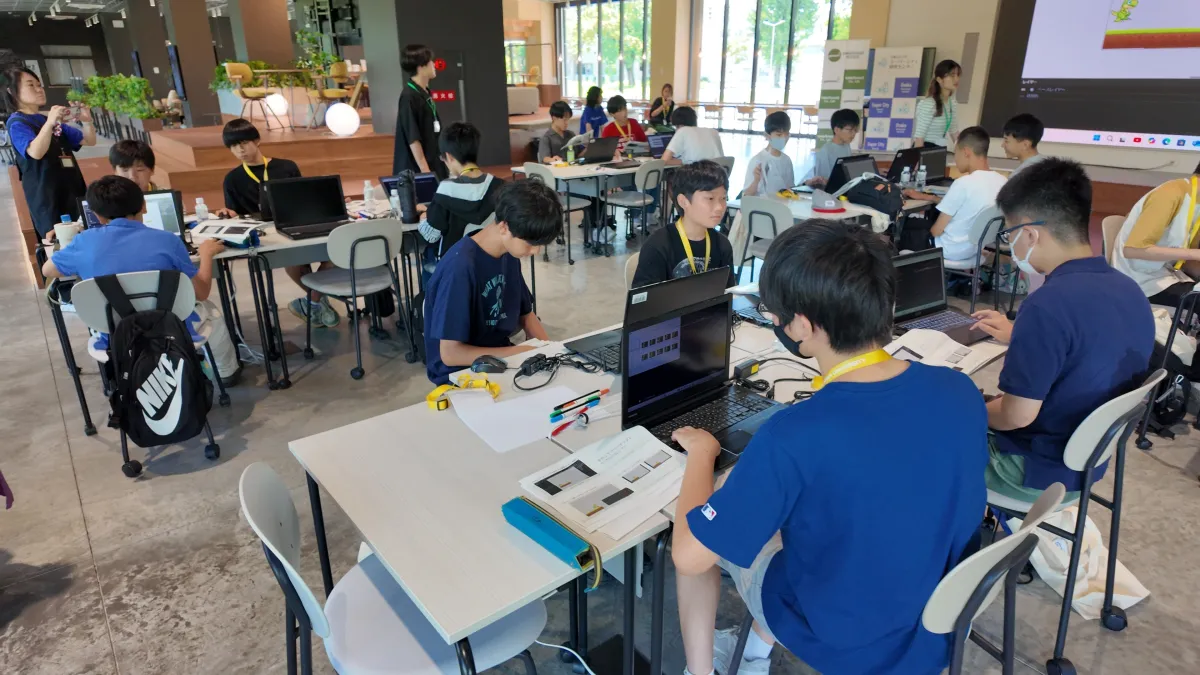
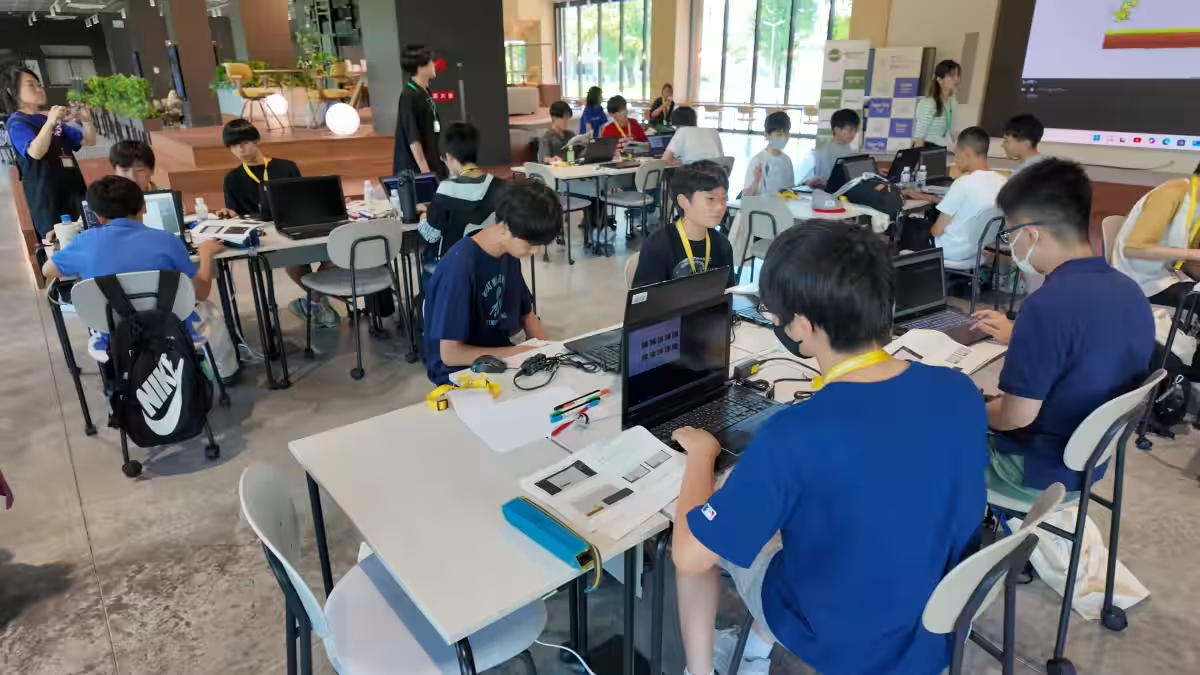
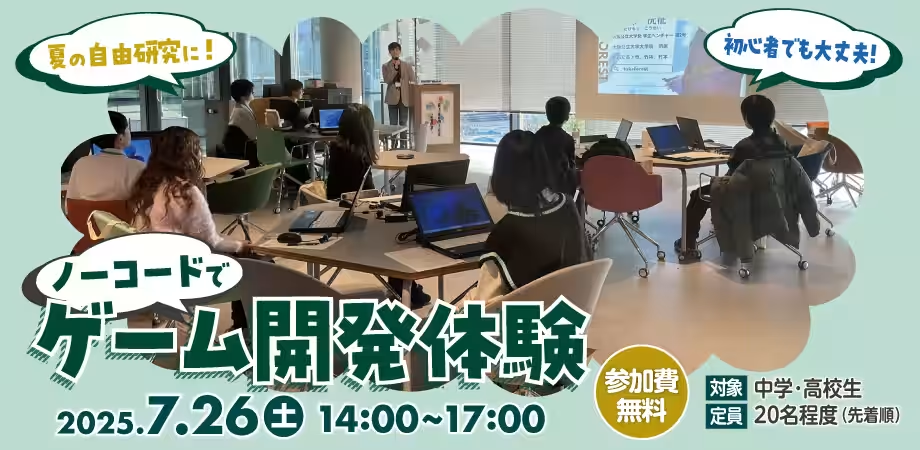
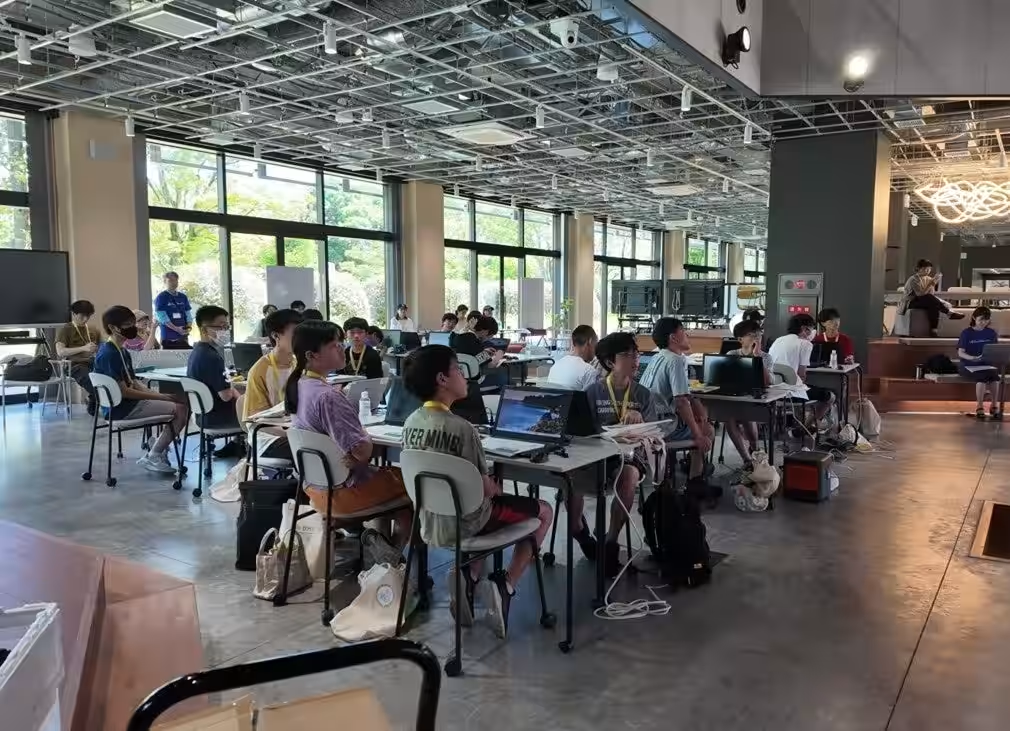
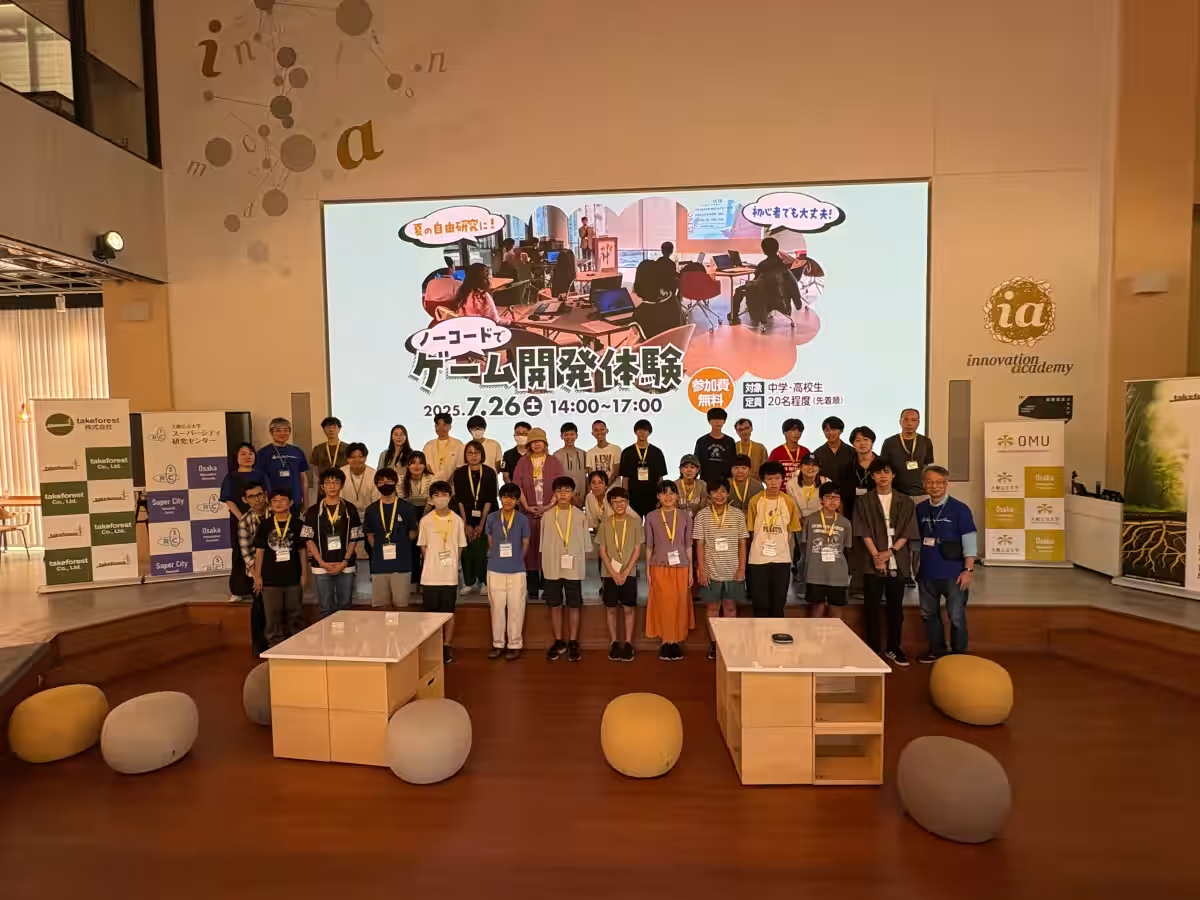
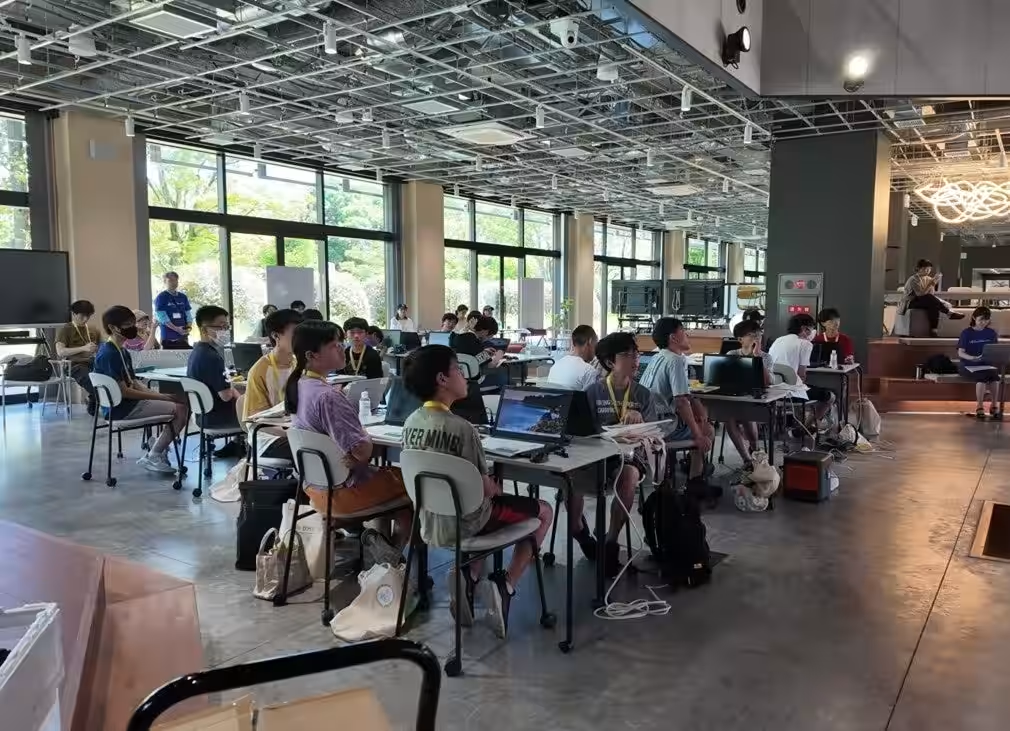
In a groundbreaking initiative, middle and high school students in Sakai City participated in an engaging game development event hosted by Osaka Prefectual University at the Innovation Academy, Smart Energy Building. This event was spearheaded by the Osaka Prefectural University Super City Research Center and was part of the digital human resource development program supported through corporate hometown tax initiatives specific to Sakai City. Furthermore, Takeforest Inc., based in Sakai City, took the helm in planning and managing the workshop that took place on July 26, 2025.
The objective was simple yet profound: to provide these students, many of whom lacked prior programming experience, with a taste of success and empower them to transition from simply playing games to actually creating them. Utilizing unique teaching materials created by Takeforest, the participants learned foundational programming concepts such as event-driven programming and conditional branching in an engaging manner.
Workshop Outline
The workshop was structured step-by-step:
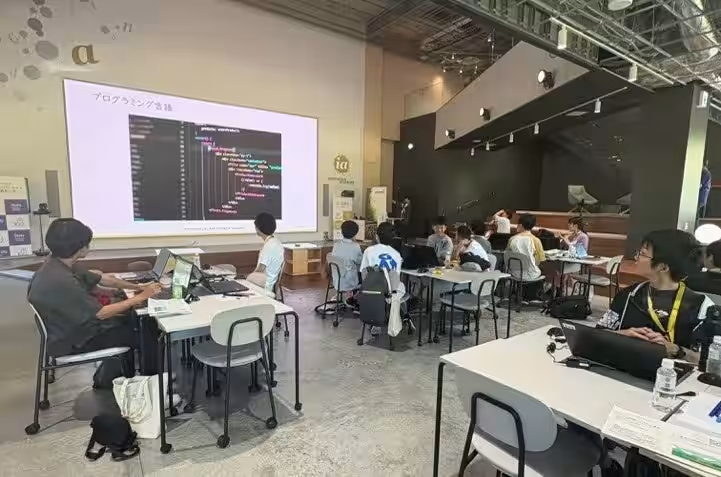
1. Introduction to No-Code Development
The event began with an introduction to no-code development principles. Students learned how to use the necessary tools, understand what no-code is, and explore the interface, including how to appropriately place objects and configure events. This hands-on instruction was critical in ensuring that students grasped the basics of game development without feeling overwhelmed.
2. Collaborative Game Development
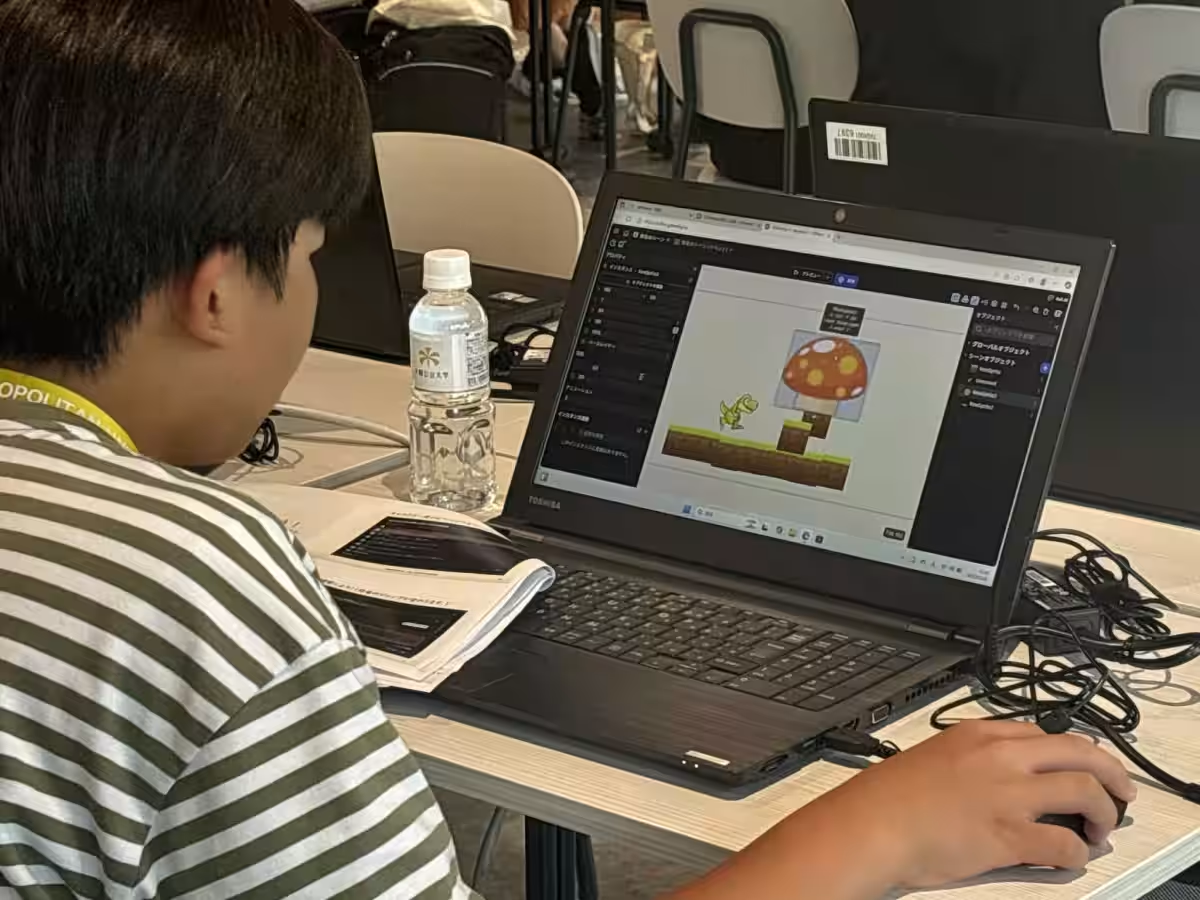
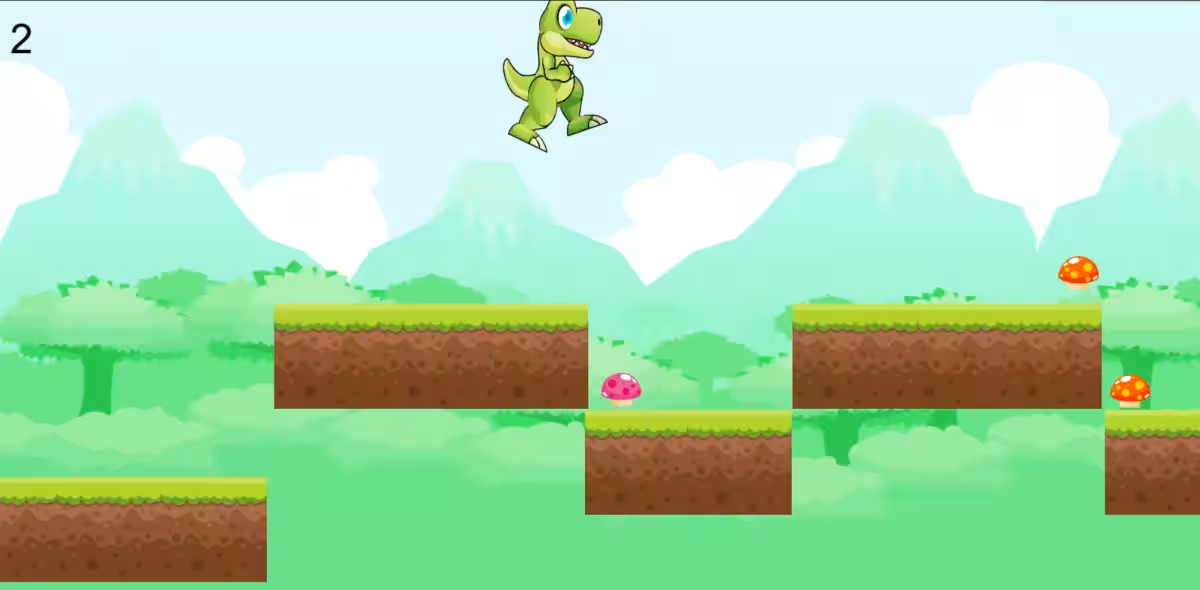
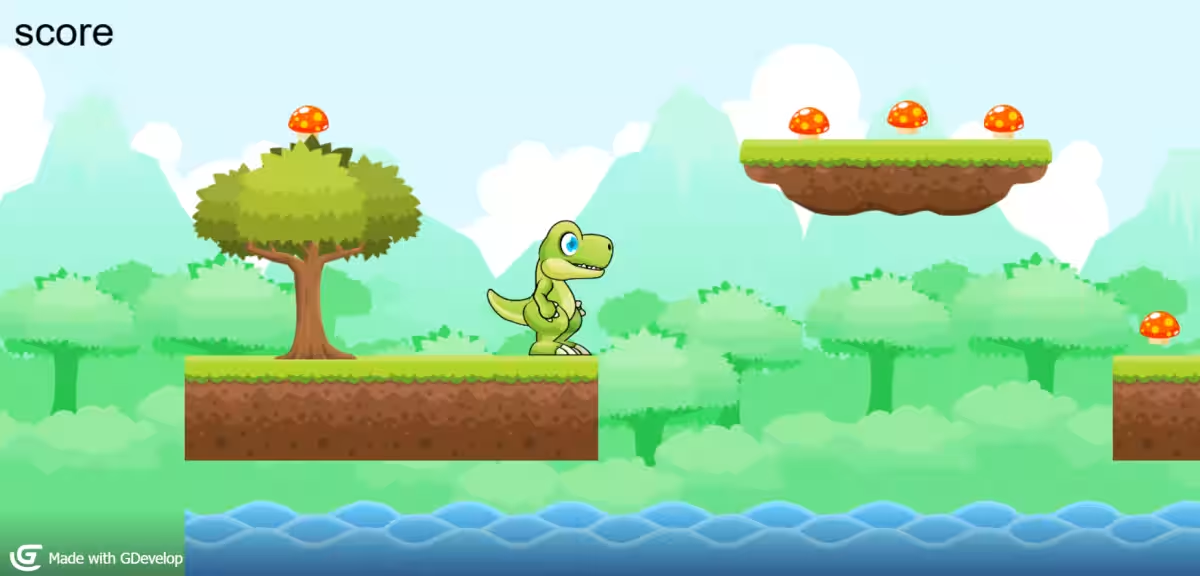
Led by instructors and university student mentors, the participants collectively developed a sample game themed around a dinosaur eating mushrooms. Each function was meticulously constructed, including behaviors triggered when the dinosaur interacted with mushrooms, such as score increases and sound effects. This segment fostered a collective sense of accomplishment, empowering students with the thrilling experience of seeing their game come to life.
3. Personal Game Creation Time
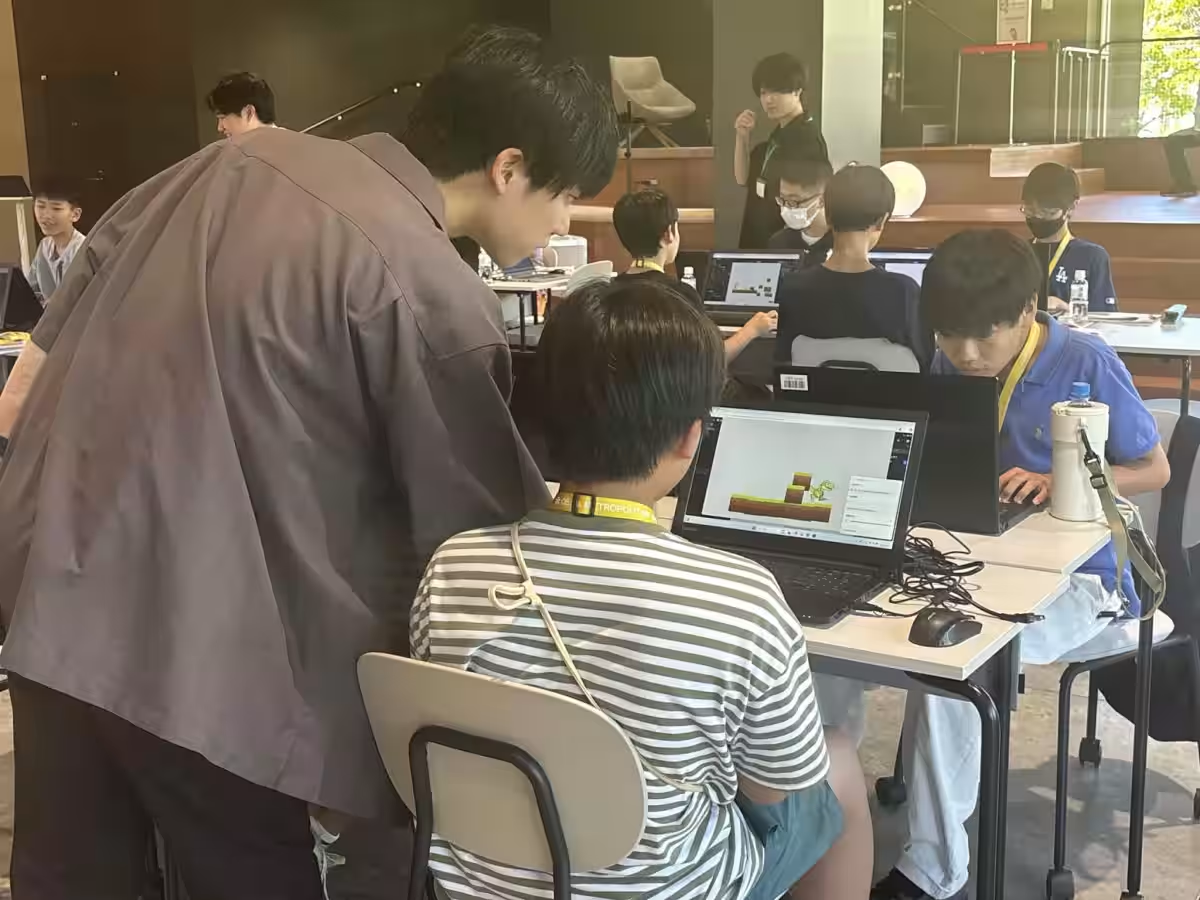
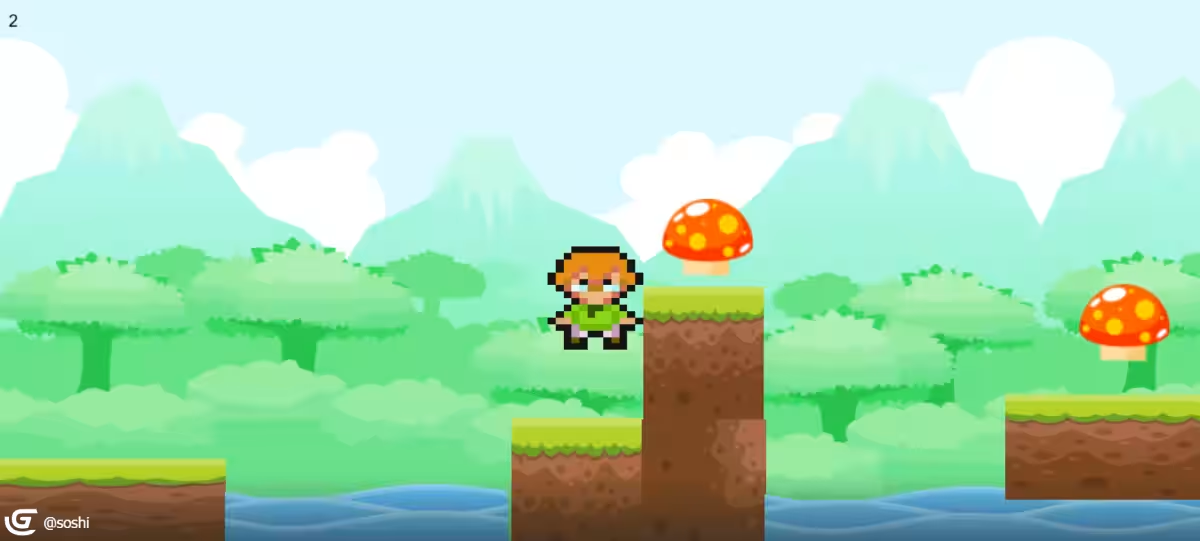
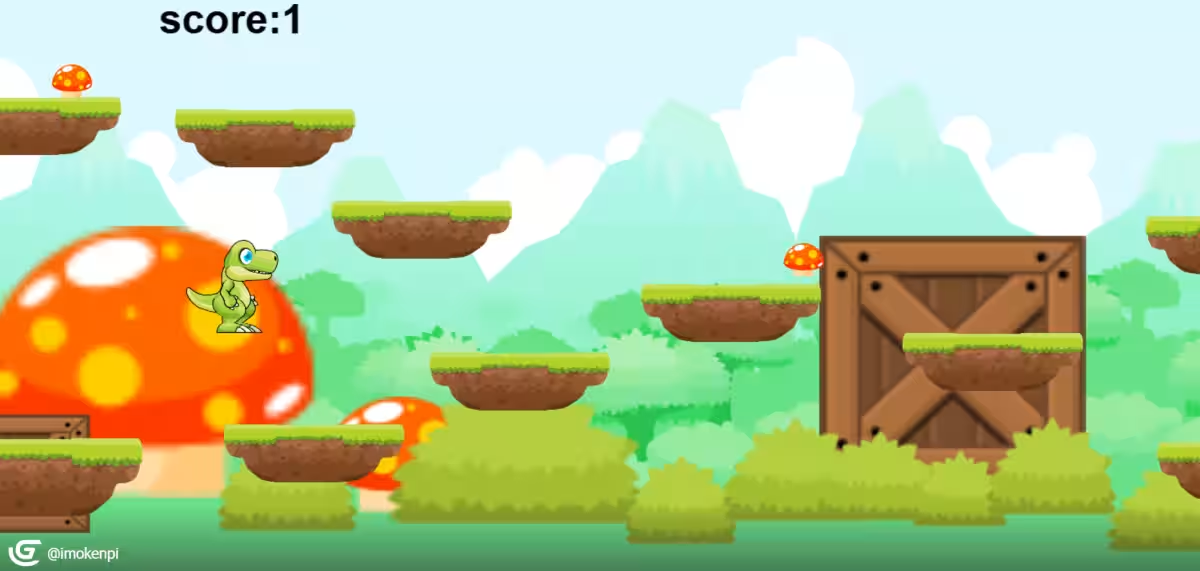
Following the initial collaborative effort, students were encouraged to design and customize their own game levels. They played with terrain placement, mushroom locations and counts, difficulty levels, and scoring systems, allowing their creativity to flourish. Mentors offered guidance without providing direct answers, prompting students to think critically about how to implement their ideas—a methodology that led to unique game elements beyond the original template.
4. Showcase and Reflection
The workshop concluded with a showcase where each student presented their game, explaining the features they had innovatively incorporated. This reflection process allowed participants to connect their gaming ideas with practical functionality, a crucial step in their understanding of game design.
Student Feedback
Feedback included enthusiastic remarks from students, such as:
- - “I appreciated the clear instruction as a beginner; it has sparked my interest in programming!” - 8th grade boy
- - “It was awesome to create my own game!” - 7th grade boy
- - “Working alongside university students was highly enriching, and I enjoyed the challenge of building something unique!” - 7th grade boy
- - “I can’t believe we got to do all this for free!” - 9th grade boy
- - “This was a very productive time; I feel inspired to continue this at home.” - Parent
Project Background and Future Initiatives
This workshop is part of a broader initiative by the Osaka Prefectural University Super City Research Center, specifically leveraging community tax incentives to foster local digital talent. Looking ahead, Takeforest Inc. is excited to announce a follow-up event on September 26, designed to focus on solving community issues through AI applications. This approach aims to build on the skills learned during the game development phase and inspire students to apply their knowledge in practical contexts.
Final Thoughts
竹森洸征, the CEO of Takeforest Inc., expressed his amazement at the creativity displayed by the participating students. For instance, one student turned a common error into a unique feature by creating an invisible block in their game. Such ingenuity reflects the potential of these young coders and the innovative spirit this workshop nurtures. Moving forward, Takeforest is committed to providing opportunities for these students to continue their journey into digital literacy, ensuring that everyone leaves with the empowered feeling of having accomplished something significant.
For inquires regarding this project or future workshops, please contact:
Email: [email protected]

Topics Other)
【About Using Articles】
You can freely use the title and article content by linking to the page where the article is posted.
※ Images cannot be used.
【About Links】
Links are free to use.