



Revolutionizing E-Commerce: The Impact of Social Media and Live Commerce on Consumer Behavior
Revolutionizing E-Commerce: The Impact of Social Media and Live Commerce on Consumer Behavior
In today's digital landscape, the dynamics of shopping are evolving rapidly, and the convergence of social media, reviews, and live commerce is significantly altering consumer buying behaviors. A recent seminar organized by C Channel, a company specializing in social media marketing and TikTok commerce, gathered industry leaders to discuss the integration of social media with e-commerce strategies. The focus of the discussions revolved around topics such as how to effectively connect SNS with e-commerce and the distinctions between products that thrive in live commerce versus those that do not.
The Seminar: Insights and Expert Opinions
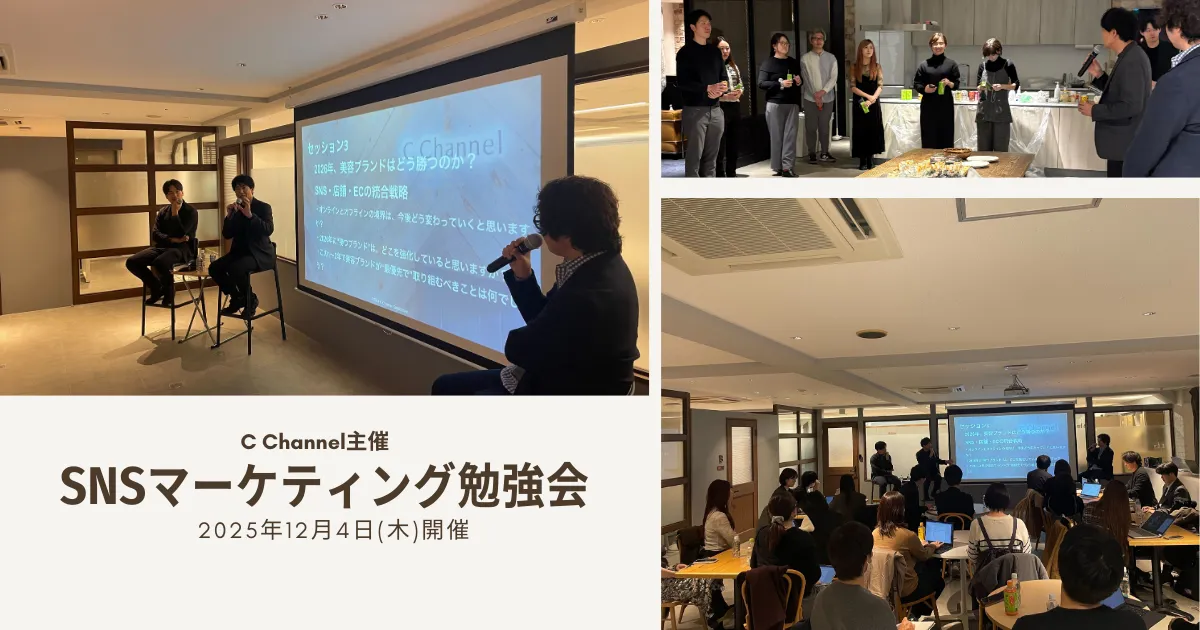
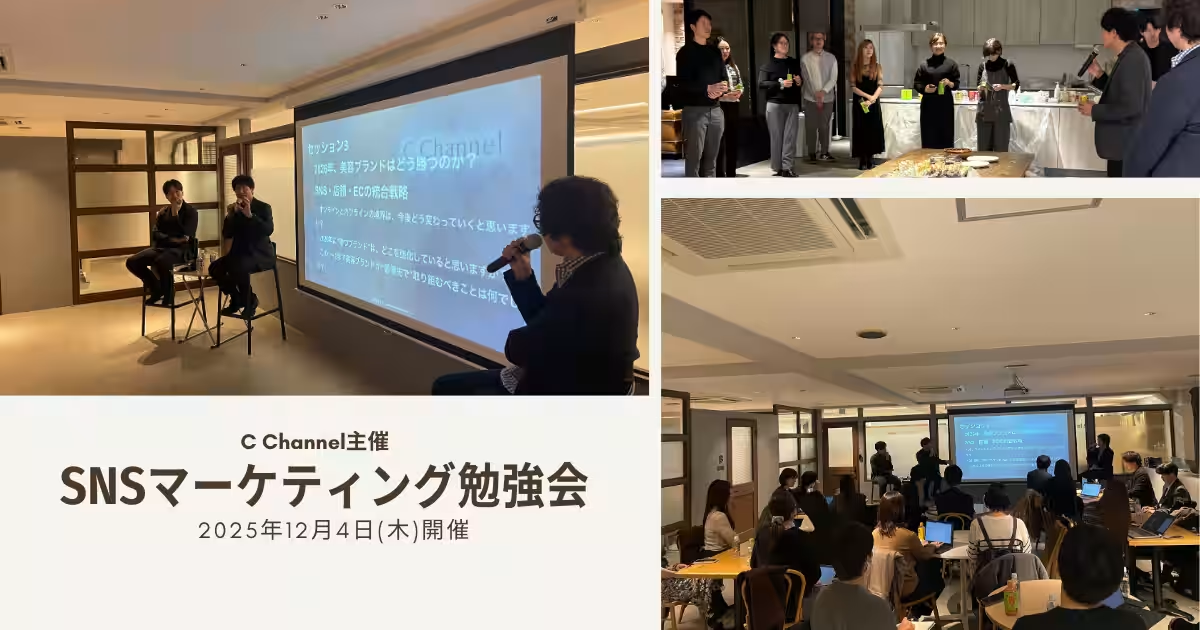
On December 4, 2025, a notable event took place aimed at marketers and e-commerce professionals from beauty and daily goods manufacturers. The seminar showcased three prominent speakers:
- - Hidetaka Namai (former Kao Corporation executive and current head of the Manufacturer EC Commerce Association),
- - Ryota Takahashi (CEO of ULTRA SOCIAL), and
- - Ryo Morikawa (CEO of C Channel).
The theme “Is e-commerce about sales or marketing assets?” served as a springboard for discussions on the evolving purchasing behaviors influenced by a blend of social media, online marketplaces, and physical stores. The speakers shared real-life case studies to shine light on what makes products genuinely sellable in the realm of live commerce, projecting a vision of what may define successful brands by 2026.
Session Highlights
Session 1: The Changing Consumer Buying Process
Namai emphasized that even within the same company, the role of e-commerce varies significantly by product category:
- - For heavy and bulky items like detergents, e-commerce often proves more effective.
- - In contrast, experiential products such as makeup and skincare necessitate a balanced approach that includes physical stores.
Generational differences in how consumers interact with social media were also discussed. Young consumers tend to rely on platforms like TikTok for discovering new products, while those in their 30s and above continue to use Facebook and X (formerly Twitter).
Takahashi echoed this sentiment, noting that live commerce has become particularly popular among women aged 35 and older, which presents unique challenges for marketers trying to engage diverse demographics.
Session 2: The Realities of Live Commerce
Takahashi outlined three crucial elements needed for success in selling through TikTok live:
1. Product description
2. Promotion (presentation)
3. Offers (discounts or perks)
He pointed out that TikTok sales require more than just explanations; they must emulate a one-on-one conversation to engage viewers effectively. Statistics shared during the session revealed important trends:
- - Products priced over 4,000 yen tend to perform well in live commerce.
- - In Japan, TikTok commerce sees food items like rice and crab leading sales.
- - Connecting producers with local live events can achieve single sales totaling hundreds of thousands of yen.
- - In the beauty sector, the perceived closeness of the cast plays a pivotal role.
- - Emotional engagement (e.g., moments of crying or surprise) can also drive purchasing decisions.
Namai stressed the importance of creating a structure that encourages ongoing consumer engagement, asserting that discounts should be assessed based on their ability to drive repeat purchases.
Session 3: Winning in 2026 - The Blurring Lines of Online and Offline Experiences
Looking to the future, Namai highlighted that brands capable of integrating various internal departments—connecting e-commerce, social media, and physical retail—will likely emerge victorious. He underscored the necessity of creating seamless experiences that allow consumers to transition effortlessly between online and offline channels.
Moreover, Takahashi pointed out that strong product brands must expand their touchpoints with consumers to cultivate stronger relationships. He shared compelling examples, such as the viral success of unique products promoted via social media and the innovative utilization of AI-generated content that captures audience attention.
All three speakers concluded that the momentum behind social media-driven purchases will continue to accelerate, with AI playing a crucial role in the future of commerce.
C Channel's Commitment to E-Commerce Advancement
C Channel provides comprehensive support for:
- - TikTok Shop management
- - Live commerce assistance
- - Short video production
- - UGC promotion and affiliate marketing strategies
Their unique three-step design combines live commerce, short videos, and advertising boosts to efficiently increase brand visibility and sales on TikTok.
Interested parties seeking more information about C Channel's services can reach out to Fukunaga at [email protected].
Company Profile
C Channel, Inc.
Location: 7-1-5 Minami Aoyama, Minato-ku, Tokyo
CEO: Ryo Morikawa
Website
Topics Consumer Technology)
【About Using Articles】
You can freely use the title and article content by linking to the page where the article is posted.
※ Images cannot be used.
【About Links】
Links are free to use.