



Exploring the Impact of In-Game Experiences on Brand Perception Among Youth
The Evolution of Advertising: In-Game Experiences vs. Video Ads
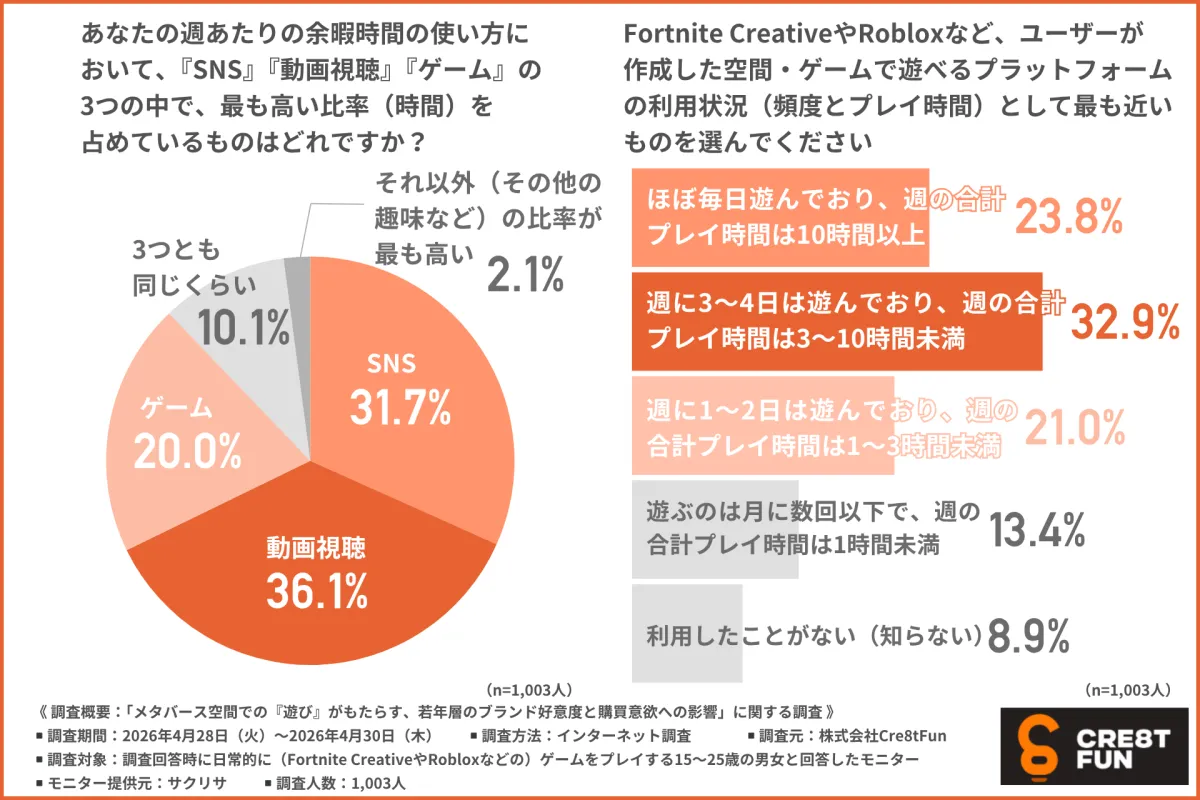
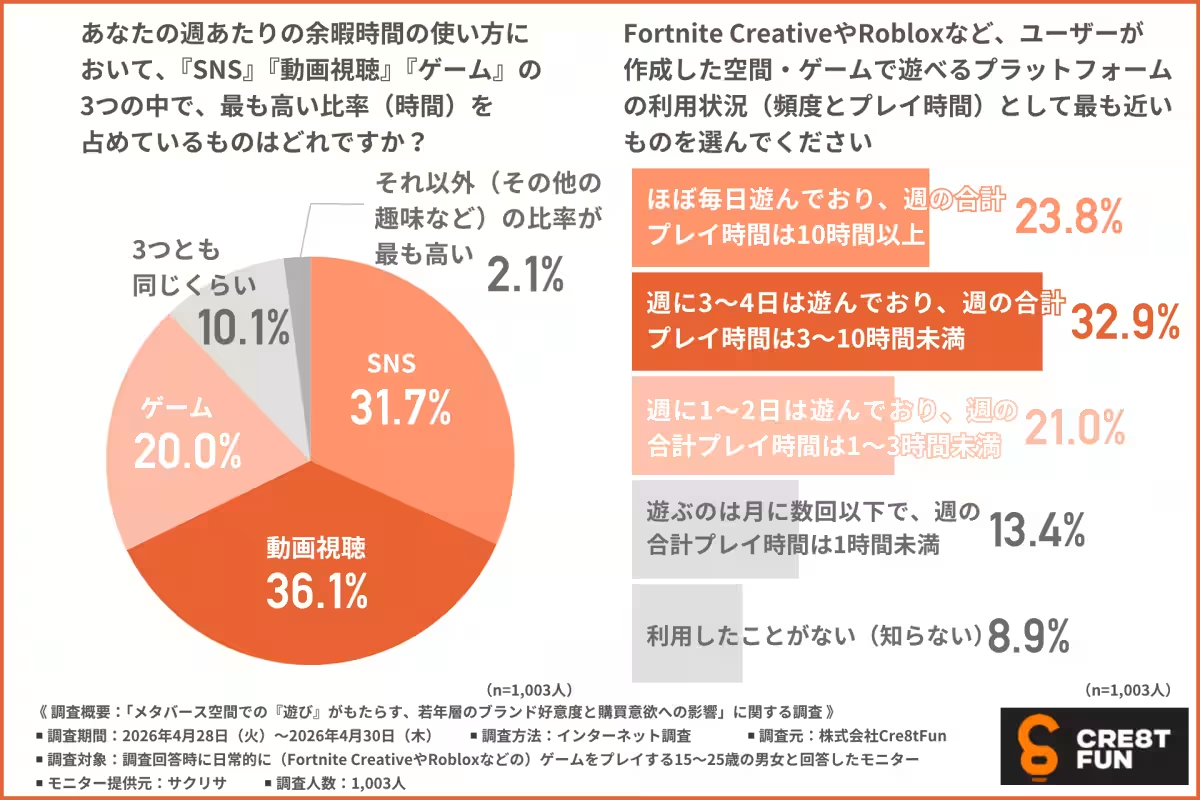
In a rapidly changing digital landscape, companies are searching for innovative ways to engage the youth market. Recent findings from a study conducted by Cre8tFun, a Tokyo-based firm specializing in metaverse development, indicate a significant shift in preferences among young individuals aged 15 to 25. The survey focused on those who regularly play games like Fortnite Creative and Roblox, gathering insights into their perceptions of brand experiences within immersive environments.
The Shift in Youth Engagement
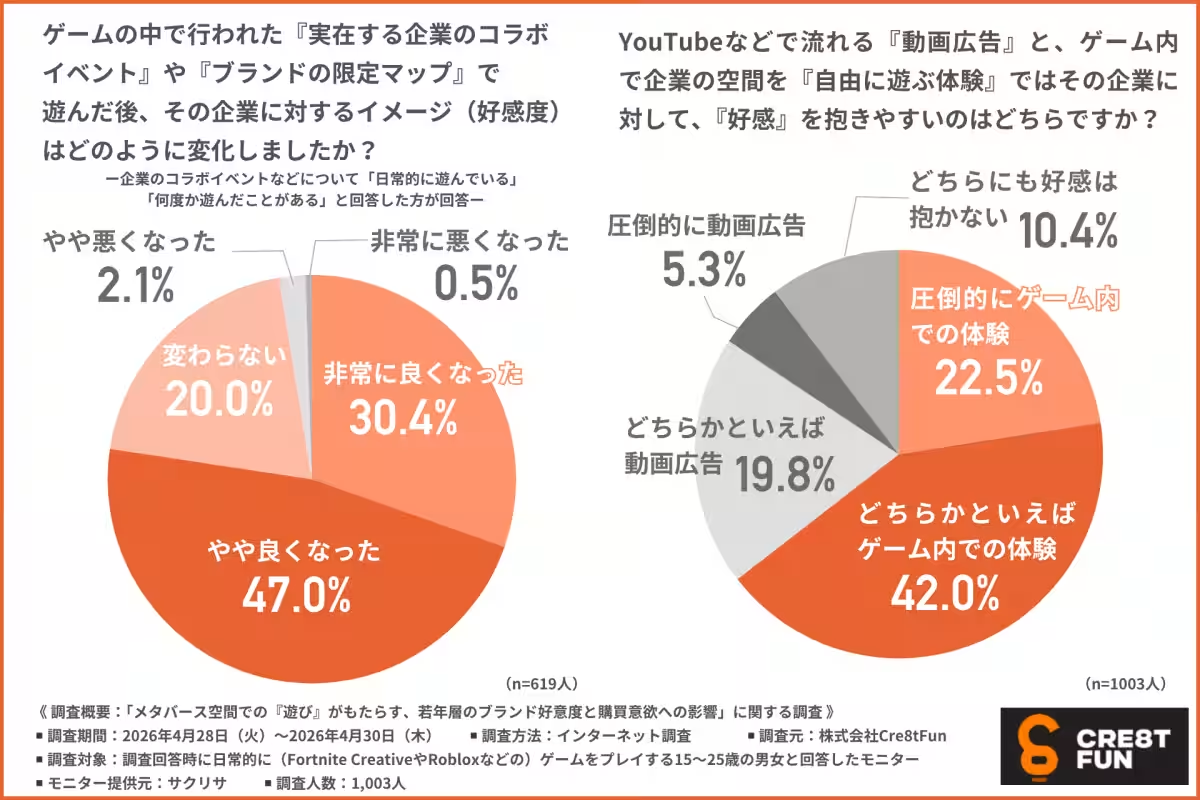
The results suggest that traditional advertising methods, particularly video ads on platforms like YouTube, are increasingly less effective with Gen Z and Alpha generations. The research indicates that nearly 60% of respondents find in-game experiences to be more favorable compared to conventional video advertisements. This preference highlights a critical pivot towards interactive and engaging marketing strategies that resonate with younger audiences.
With an overwhelming majority of respondents acknowledging that they find in-game advertising, especially through brand collaborations in their favorite gaming environments, to be more appealing, it becomes evident that brands must adapt to meet these evolving expectations. The immersive nature of these experiences enables users to interact actively rather than passively consuming ads.
Insights from the Study
Conducted between April 28 and April 30, 2026, the study included responses from 1,003 participants who engage daily with creative gaming platforms. The inquiry sought to understand how their gaming experiences influence their perception of brands, particularly regarding willingness to buy and overall brand affinity.
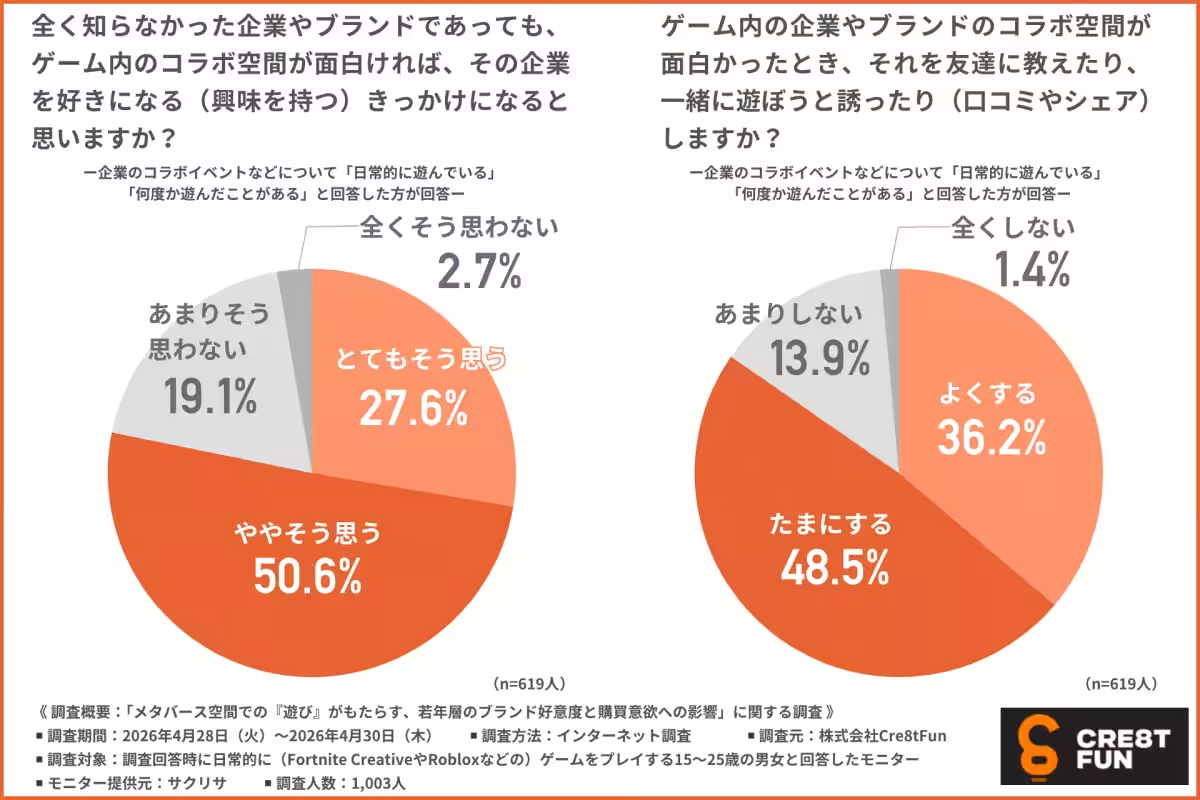
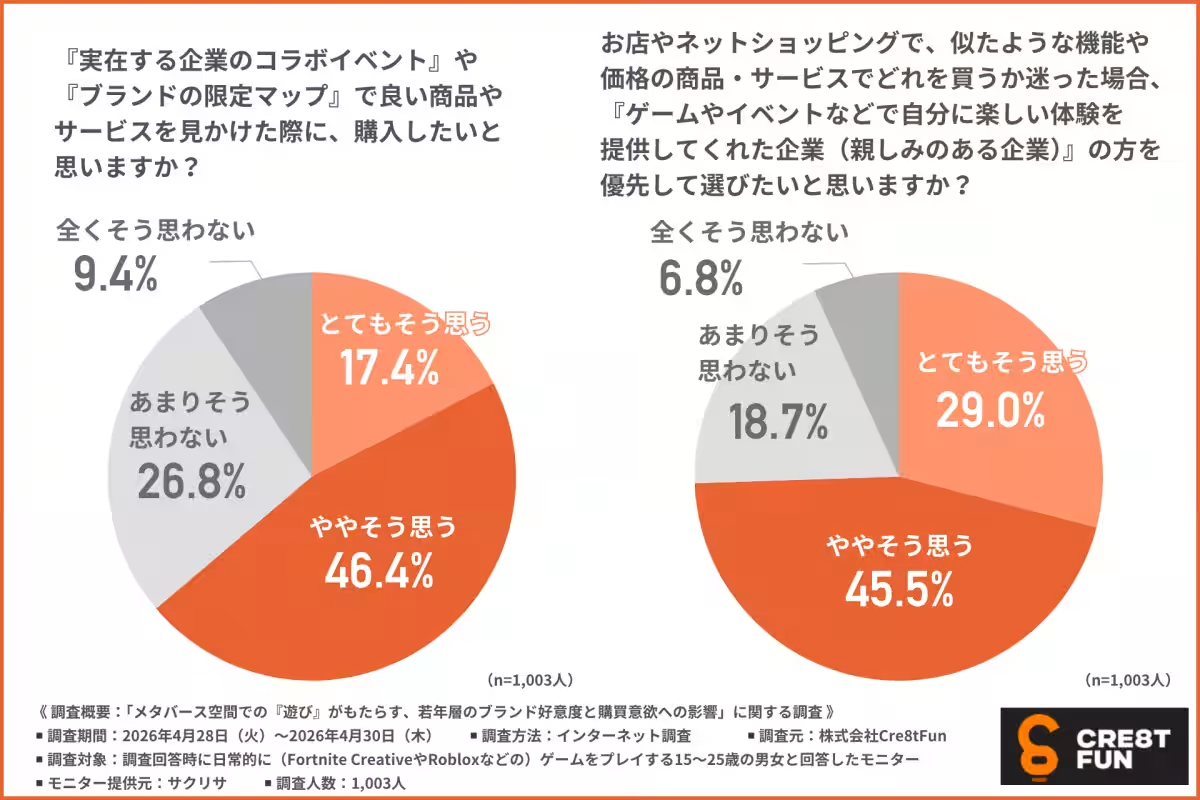
Among the findings, around 80% of participants reported an improved perception of brands after engaging in co-branded experiences within games. Such statistics underscore the effectiveness of playable advertisements in fostering positive brand perceptions. When asked if encountering a brand’s products in an engaging game made them more likely to consider purchasing those products, approximately 64% affirmed this sentiment, illustrating the connection between enjoyable gameplay and enhanced purchasing intent.
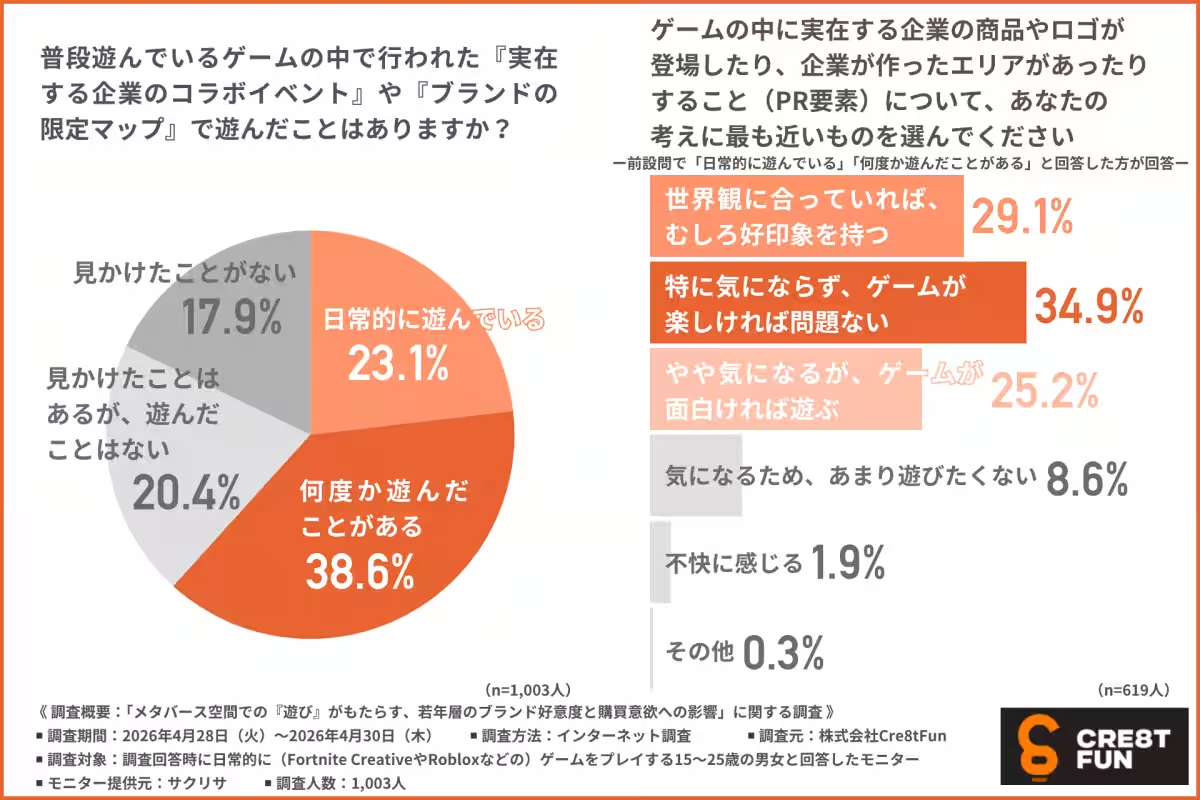
Furthermore, the presence of brands within these gaming spaces must seamlessly blend into the game’s narrative and environment. An impressive 89% of gamers who had experienced brand collaborations did not view the promotional elements as intrusive, as long as they maintained an entertaining game experience. Such findings highlight the importance of integrating branding into gameplay rather than utilizing traditional overt advertising methods that may lead to user resistance.
Social Sharing and Word-of-Mouth Impact
The study also explored how brand experiences in-game could lead to social sharing. Significantly, about 84% of respondents indicated that they often share memorable in-game experiences with friends, which not only amplifies brand reach but also creates organic conversations around these experiences.
This word-of-mouth potential represents an invaluable marketing opportunity; enjoyable gaming experiences foster community engagement and discussions, leading to heightened brand awareness. Given that many players still express a desire to prioritize products from brands they have previously enjoyed interacting with in-game, building a relatable brand identity through engaging experiences can yield significant returns on investment.
Concluding Thoughts
The research conducted by Cre8tFun reveals a crucial transformation in how young consumers interact with brands. As traditional advertising methods continue to falter in engaging Gen Z and Alpha audiences, the rise of immersive experiences within popular gaming platforms provides an exciting frontier for marketers. Brands that prioritize user engagement, foster enjoyable experiences, and integrate seamlessly into the gaming narrative are more likely to build lasting relationships with young consumers.
The take-home message for brands is clear: if you want to capture the attention of the young consumer base, invest in creating enjoyable and immersive in-game experiences that align with their interests—doing so will not only enhance brand affinity but can also lead to tangible purchasing motivation.

Topics Consumer Products & Retail)
【About Using Articles】
You can freely use the title and article content by linking to the page where the article is posted.
※ Images cannot be used.
【About Links】
Links are free to use.