



Exploring the Emotional Divide in Returning to In-Laws: A Study Highlights Gender Differences
Emotional Divide in Returning to In-Laws
As couples prepare for family reunions, the terms "homecoming blues" and "in-law anxiety" are increasingly echoed in various media. A study conducted by Mizukara, a coaching company based in Tokyo, sheds light on the emotional landscape surrounding visits to in-laws. The survey, involving 500 married individuals aged between 25 and 59, reveals striking differences in attitudes between husbands and wives when it comes to returning to their in-laws.
Key Findings of the Study
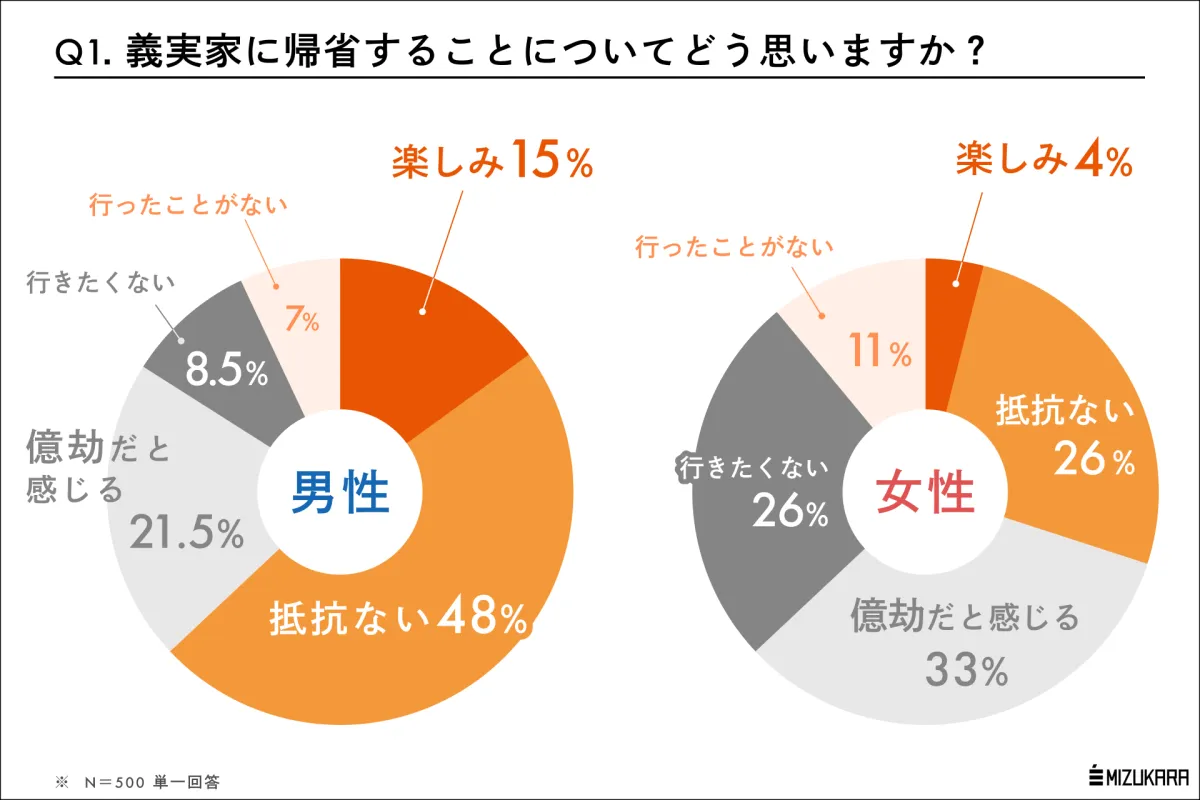
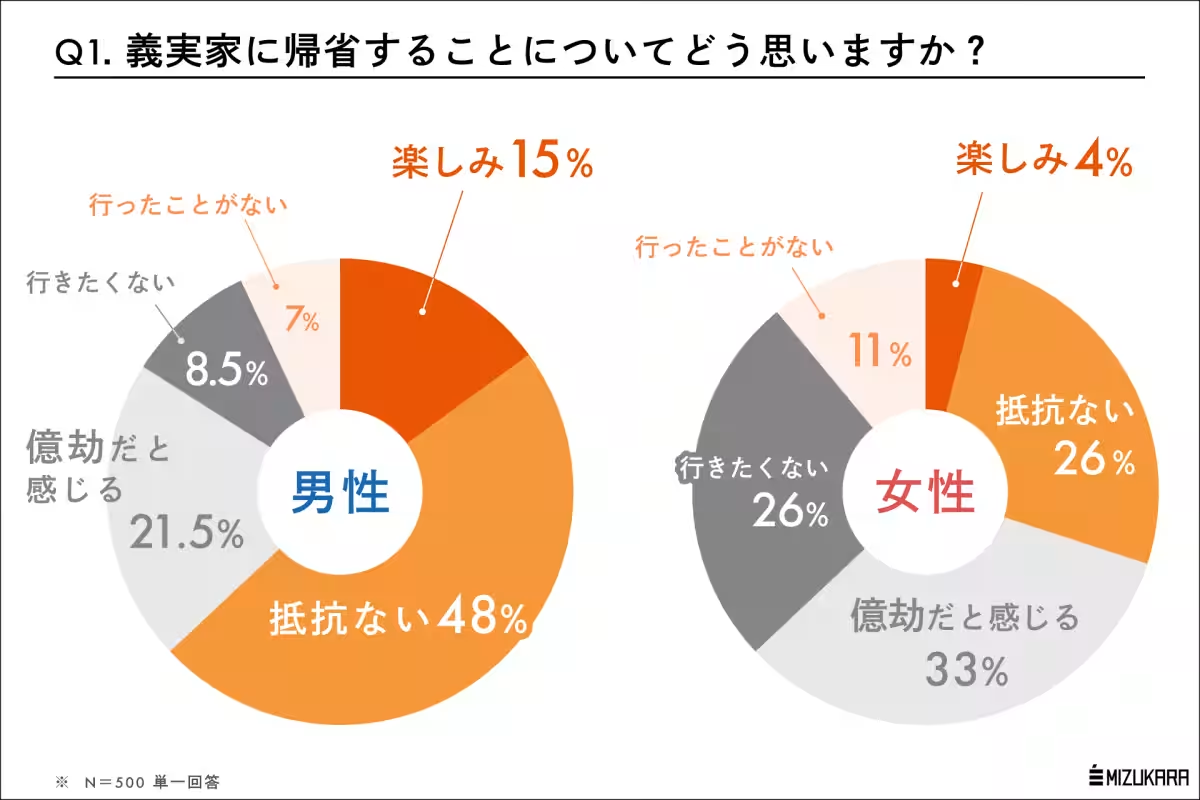
The survey aimed to explore how married couples face the unique challenges posed by in-laws while simultaneously addressing personal and professional growth. Respondents were asked about their feelings associated with visiting their in-laws. The results indicated that only 4% of wives look forward to these trips compared to 15% of husbands. This means that men are approximately 3.75 times more likely to enjoy visiting their in-laws than women. Unfortunately, the majority of wives—around 70%—report feelings of reluctance or anxiety towards these visits, highlighting that those who don't mind returning to their in-laws make up a minority.
In the context of these visits, many men find joy in reconnecting with childhood friends or reminiscing about their upbringing, creating an opportunity to reflect on their life and career trajectories. However, it's essential for them to recognize the stress their partner might be experiencing during these visits. The assumption that a wife is comfortable with the situation can often be misleading.
The Impact of In-Law Visits on Career Choices
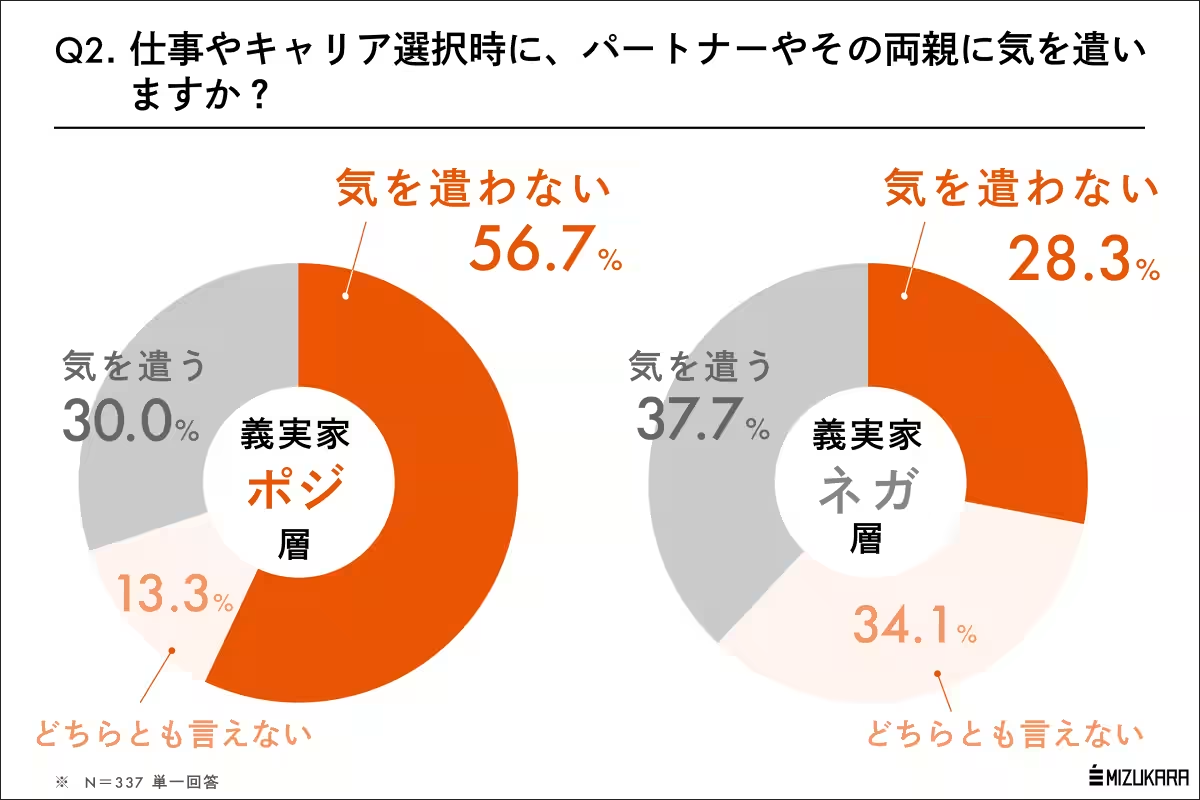
While some men express reluctance about visiting their wives' families, it raises an important question: does this discomfort influence their career choices? When comparing the more optimistic husbands, who eagerly anticipate their in-laws' visits, to their less enthusiastic counterparts, an evident disparity in perceived freedom in career decisions emerged. Those who enjoy these visits demonstrate significantly greater career autonomy than those who do not.
Men excited about returning to their in-laws often possess strong interpersonal skills. Approximately 60% of them pursue their career paths without worrying about others' judgments, which fosters a productive cycle of confidence and motivation.
Careers and the In-Law Connection
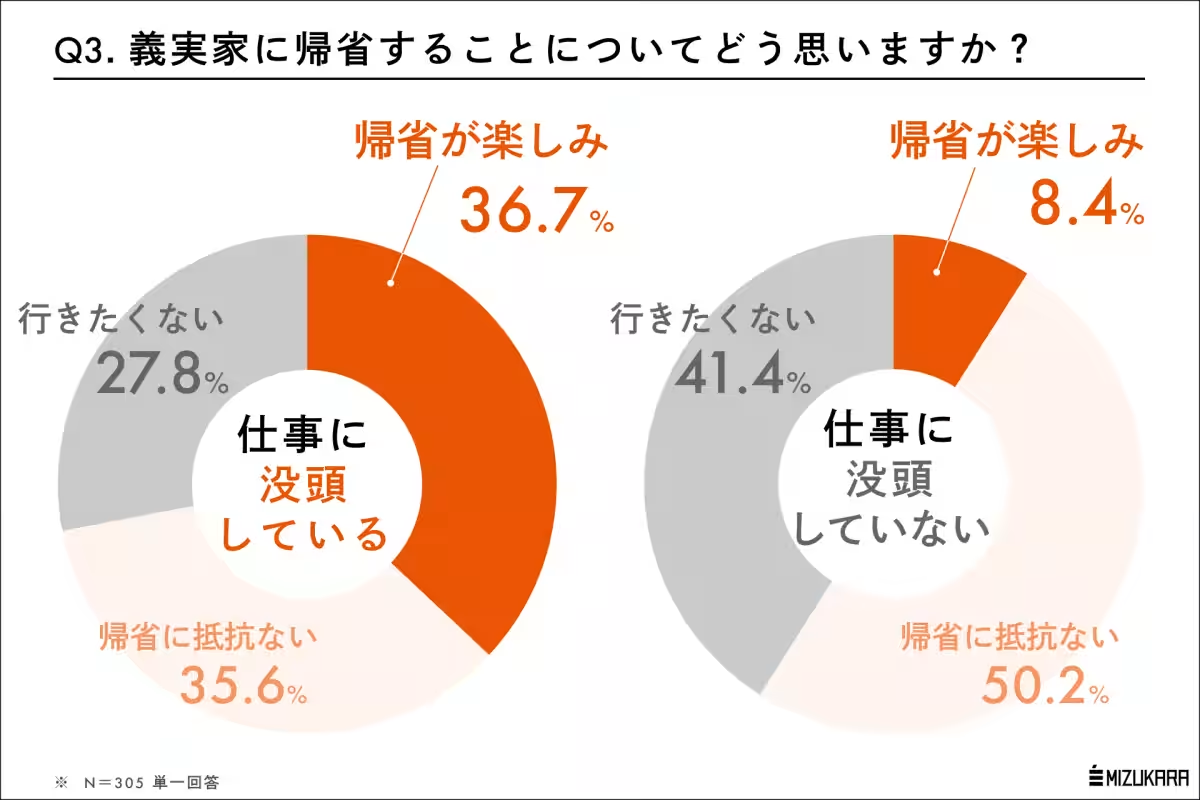
Evidence supporting these conclusions can be drawn from responses related to work engagement. Among the men surveyed, those fully consumed by their careers prioritized in-law visits 4.4 times more than their less-engaged peers (36.7% vs. 8.4%). This indicates that a fulfilling work life is crucial to feeling accomplished and content. By gaining recognition in the workplace, men bolster their self-esteem and create a sense of security that enables them to face new challenges, gaining approval from their in-laws as well.
Balancing Work and Family Perspectives
However, there exists a cautionary note regarding intense focus on one's career. Work devotion can sometimes heighten blindness to essential elements surrounding one's life. As summer vacations approach, it presents an opportune moment for individuals to reconsider their career paths while reflecting on the close relationships they share with partners and family members. Despite a gradual shift in societal roles, the outdated structure where husbands are treated as guests while wives take on the homemaker role persists, as evidenced by the study's findings.
As men return to their families, allowing their partners the same status as guests can instigate a paradigm shift. This simple action can significantly enhance the dynamics at home and ensure that both partners feel valued and respected during their visits.
Conclusion
In conclusion, the dynamics of visiting in-laws reveal critical insights that extend beyond family gatherings. The emotional disparities between husbands and wives underline the need for open communication about feelings towards these visits. By fostering an environment where both partners can express their preferences and concerns, couples can better navigate the complexities of family life and career aspirations, ultimately leading to a healthier balance in their relationships.
- ---
About the Research
- - Study Name: Survey on Attitudes Towards In-Laws and Life/Career Perspectives
- - Sample Size: 500 married individuals aged 25-59 in Japan
- - Survey Period: July 30-31, 2025
- - Methodology: Online survey
About Mizukara Co., Ltd.
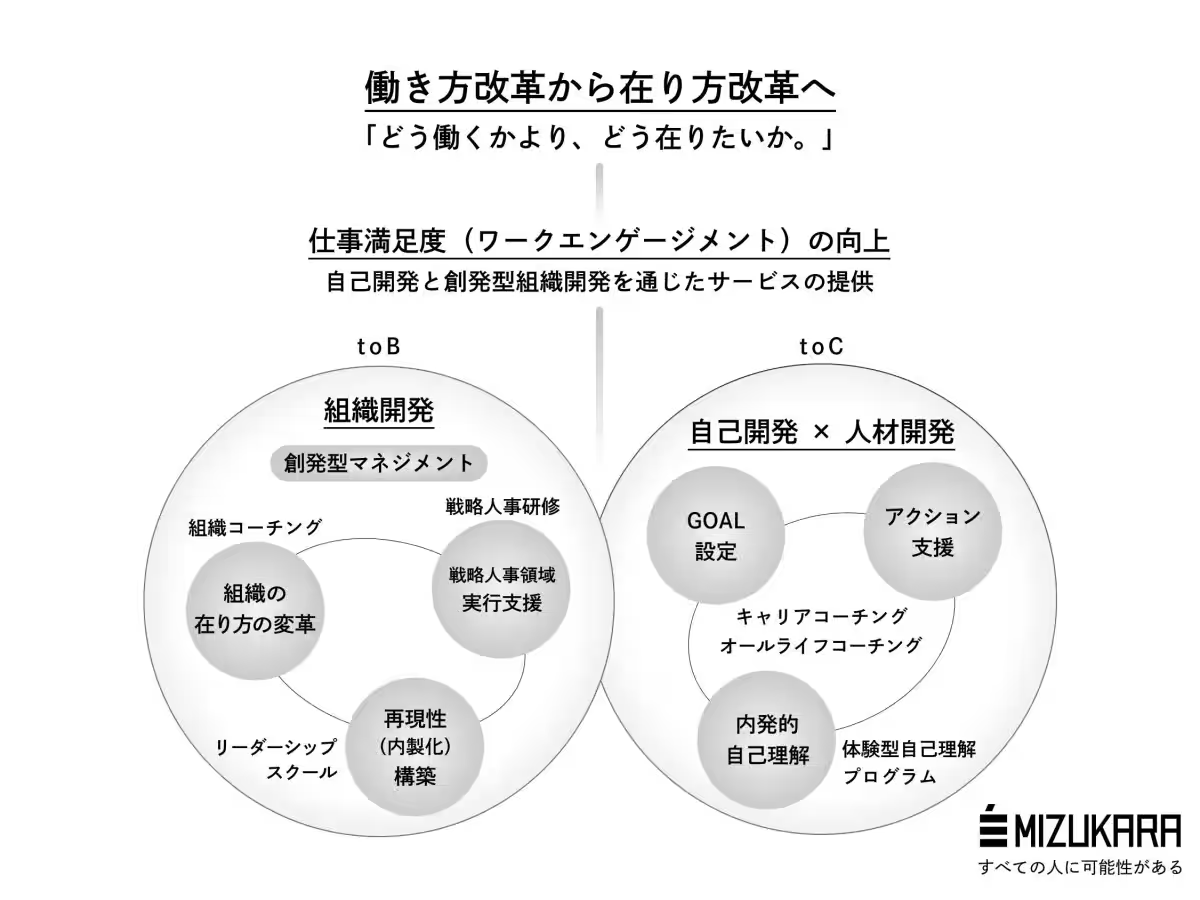
Mizukara is a coaching company that promotes the belief that everyone has the potential to succeed. Through various coaching services for individuals and organizations, the company aims to enhance work engagement and personal development.
For more information, please visit Mizukara
Topics People & Culture)



【About Using Articles】
You can freely use the title and article content by linking to the page where the article is posted.
※ Images cannot be used.
【About Links】
Links are free to use.