



Innovative Demonstration of Flying Car Operations in Tokyo: Shaping the Future of Urban Mobility
Tokyo's Groundbreaking Flying Car Project
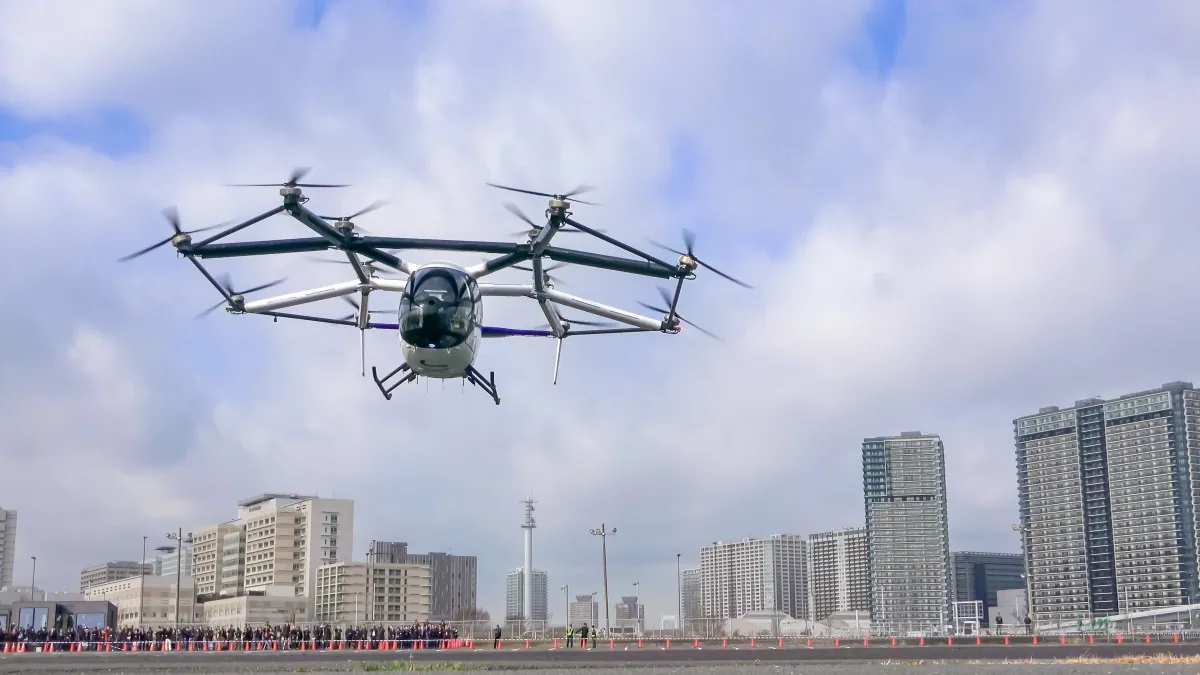
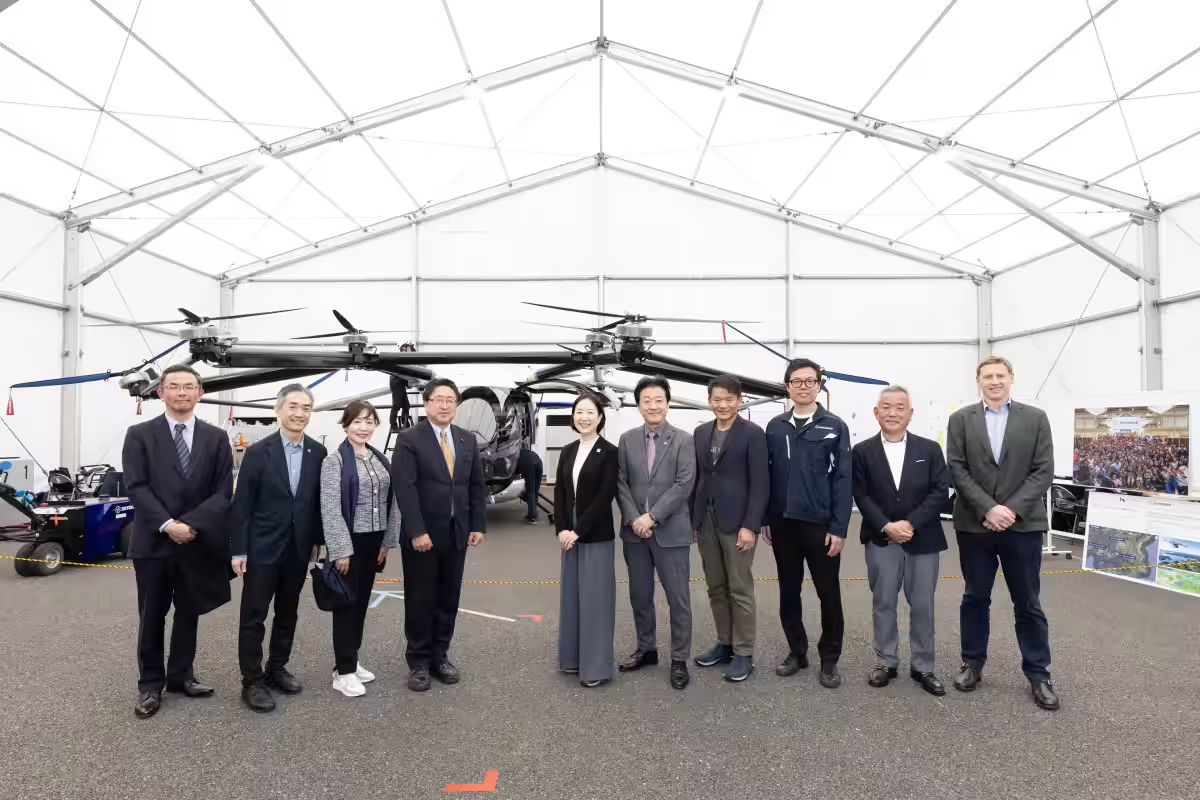
In a remarkable showcase of innovation, Tokyo is paving the way for the future of urban mobility with its first flying car demonstration. From February 24 to 28, 2026, a collaboration between Mitsubishi Estate Co., Kanasu Co., and SkyDrive Inc. took place at the Tokyo Big Sight's temporary outdoor parking area. This event is part of a larger subsidy project that aims to construct a business model utilizing flying cars, officially endorsed by the Tokyo Metropolitan Government.
Aiming for Real-World Applications
The demonstration involved a realistic operational simulation of flying cars and showcased the use of the Vertiport Automation System (VAS), designed specifically for managing vertiports – the designated landing and takeoff zones for flying vehicles. This initiative stands out as Japan's first attempt to practically implement flying cars within urban areas, focusing on identifying operational challenges before the technology is deployed on a broader scale.

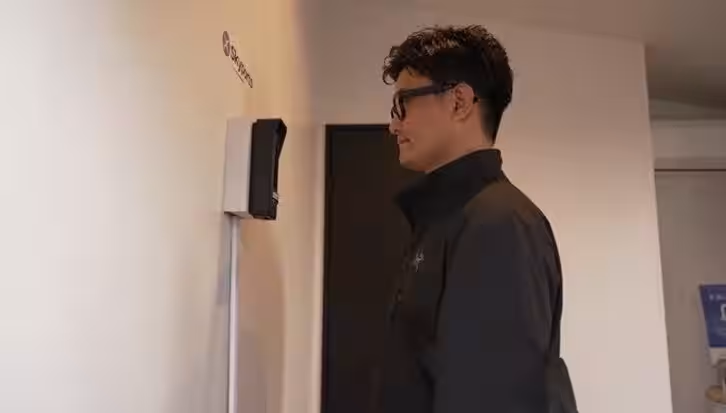
The VAS encompasses a range of functions, enabling automated and optimized operations at vertiports, including the management of landing spots and monitoring surrounding airspace, thus ensuring safe and frequent operations for flying vehicles. By digitizing essential management tasks, it also enhances customer experience by streamlining the check-in process and managing passenger information.
Enhancing Passenger Experience
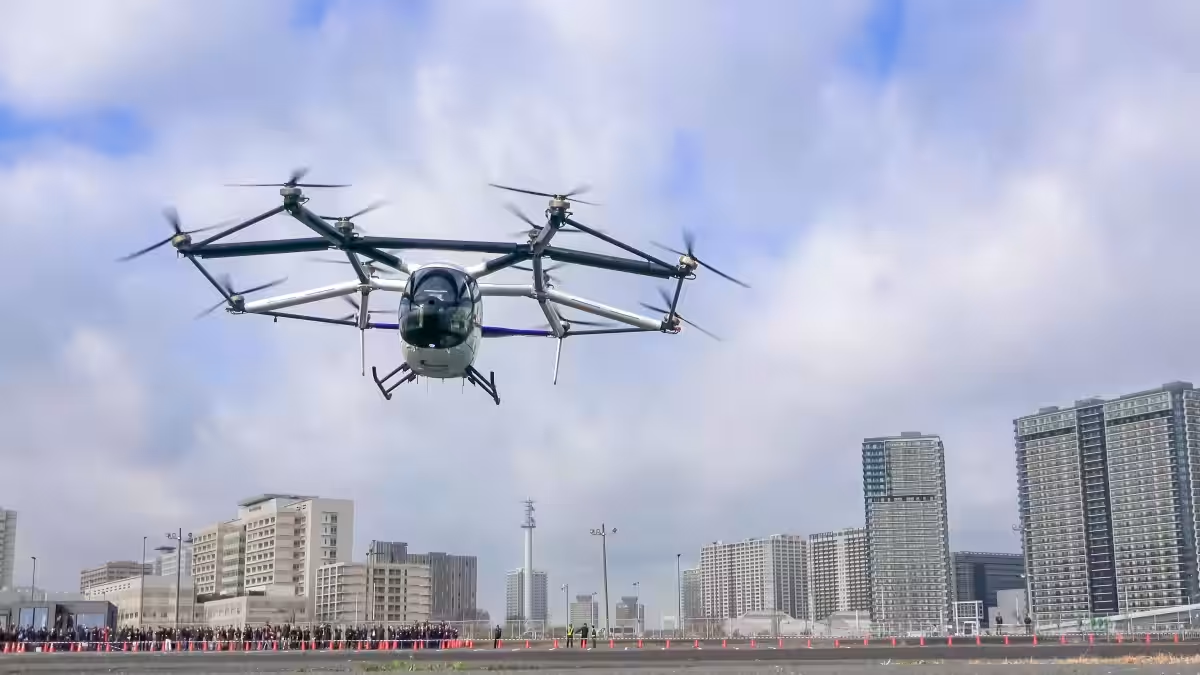
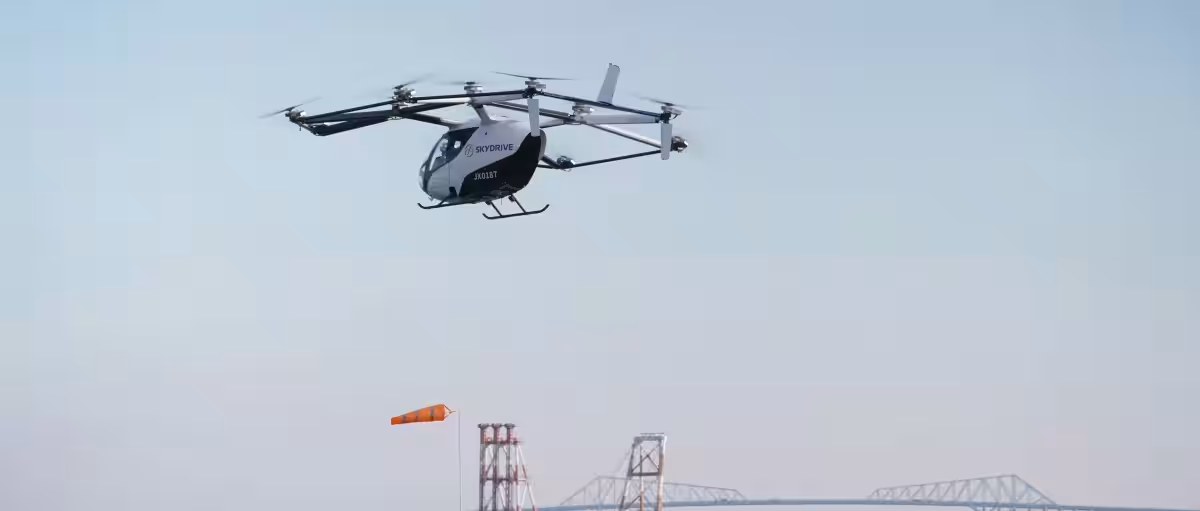
During the terminal demonstration phase, the organizers invited members of the public to participate as monitors for various essential procedures, including facial recognition check-ins and security screenings. Feedback gathered from this experience will be utilized to improve operational efficiency and convenience for future implementations. The prototype used for the demonstration, SkyDrive's SD-05 model, marked a significant milestone as the first domestically manufactured flying vehicle operated remotely in Tokyo's airspace.
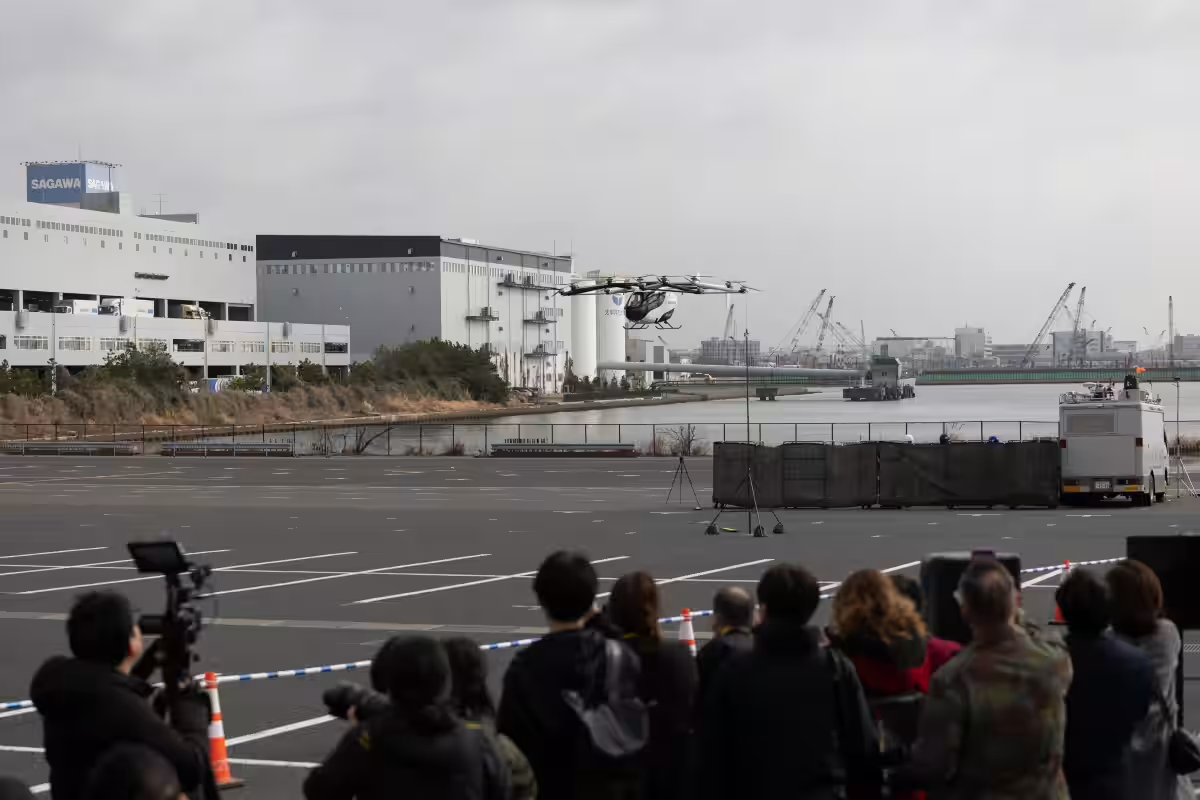
Simultaneously, public tours provided an opportunity for over 1,500 attendees to learn about the functionalities of flying cars. They observed live demonstrations of takeoff, landing, and the overall operational facilities that are integral for managing flights and passenger terminals.

The Next Steps in Urban Air Mobility
The three collaborating companies are committed to further discussions on establishing real-world applications and services for flying mobility. As urban areas continue to grow, integrating advanced transportation technologies can address congestion and optimize travel efficiency. The Tokyo demonstration not only targeted innovative practices but also emphasized the importance of education and public acceptance regarding the future of air mobility.
The Terminal: A Fusion of Design and Technology
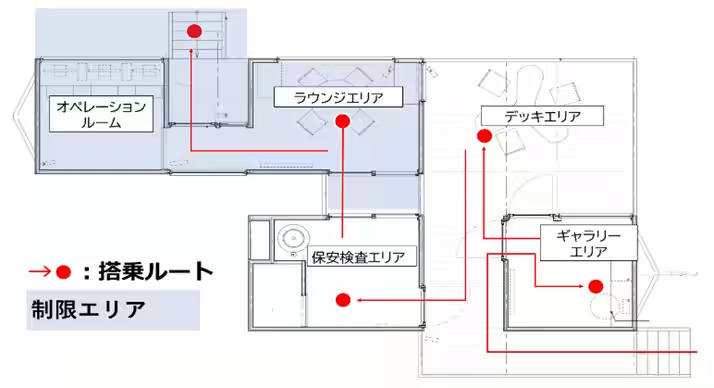
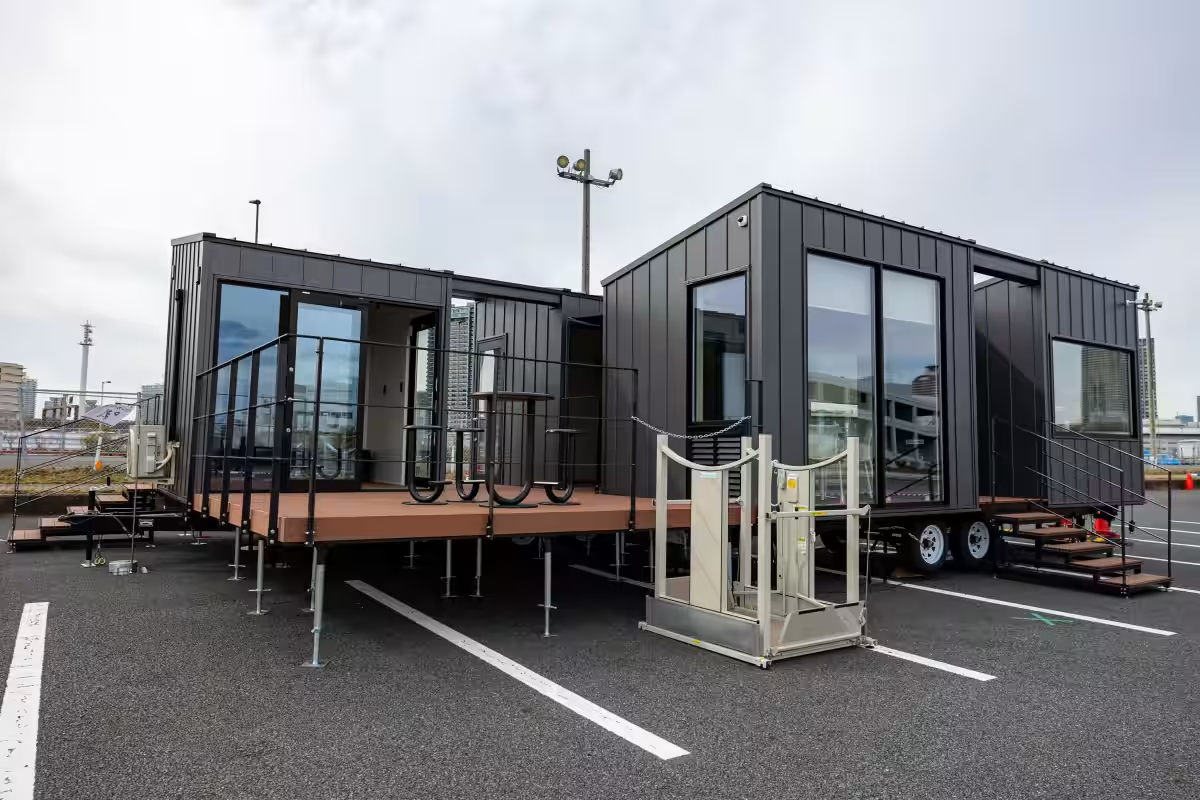
The designated terminal showcased a movable structure utilizing trailer homes, covering approximately 54 square meters and incorporating various functionalities aimed at improving passenger experience. The interior was designed to facilitate a seamless check-in process with facial recognition technology and provided amenities including a waiting lounge and an operation room for air traffic management. Feedback from participants in this terminal testing phase is seen as essential for refining the overall design and operational protocols for future use.
Conclusion
Tokyo's pioneering project for flying cars is a significant stride towards revolutionizing urban transportation. As we move closer to a future where flying vehicles become a reality, collaborative efforts among governmental bodies and private companies will be crucial in overcoming challenges and realizing this vision. The successful execution of this demonstration sets the foundation for more extensive flying car services, aimed to launch by 2028, establishing Tokyo as a leader in this transformative mobility era.
For a closer look at the demonstration, check out the video provided by SkyDrive: Demo Video.
Topics Other)
【About Using Articles】
You can freely use the title and article content by linking to the page where the article is posted.
※ Images cannot be used.
【About Links】
Links are free to use.