



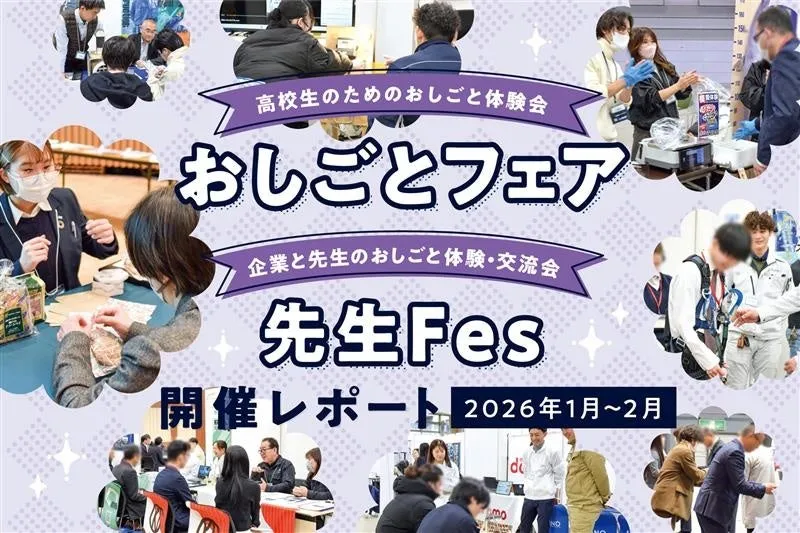
Experience Workshops for High School Students and Teachers Held in February 2026
Summary of the Job Experience Events
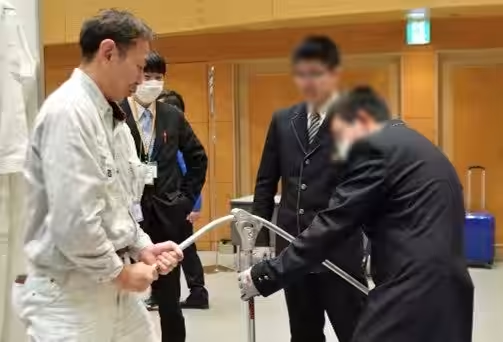
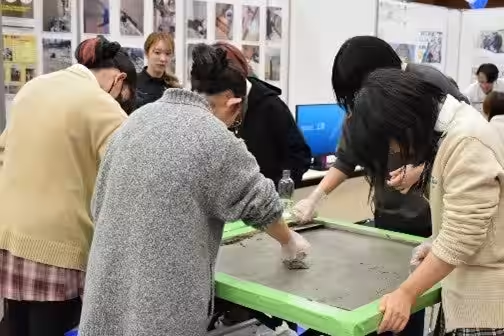
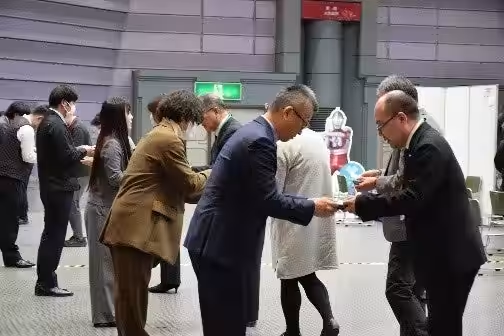
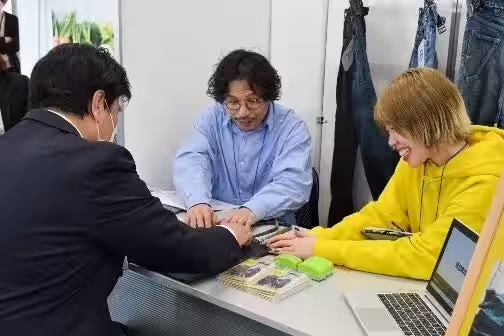
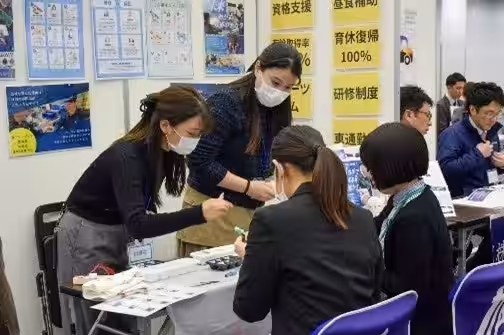
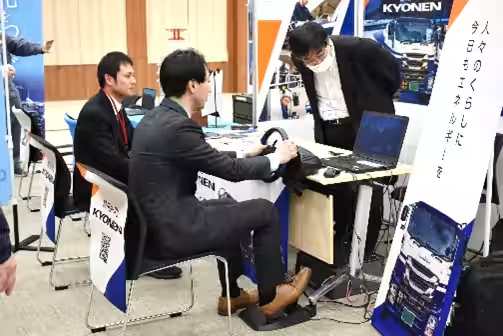
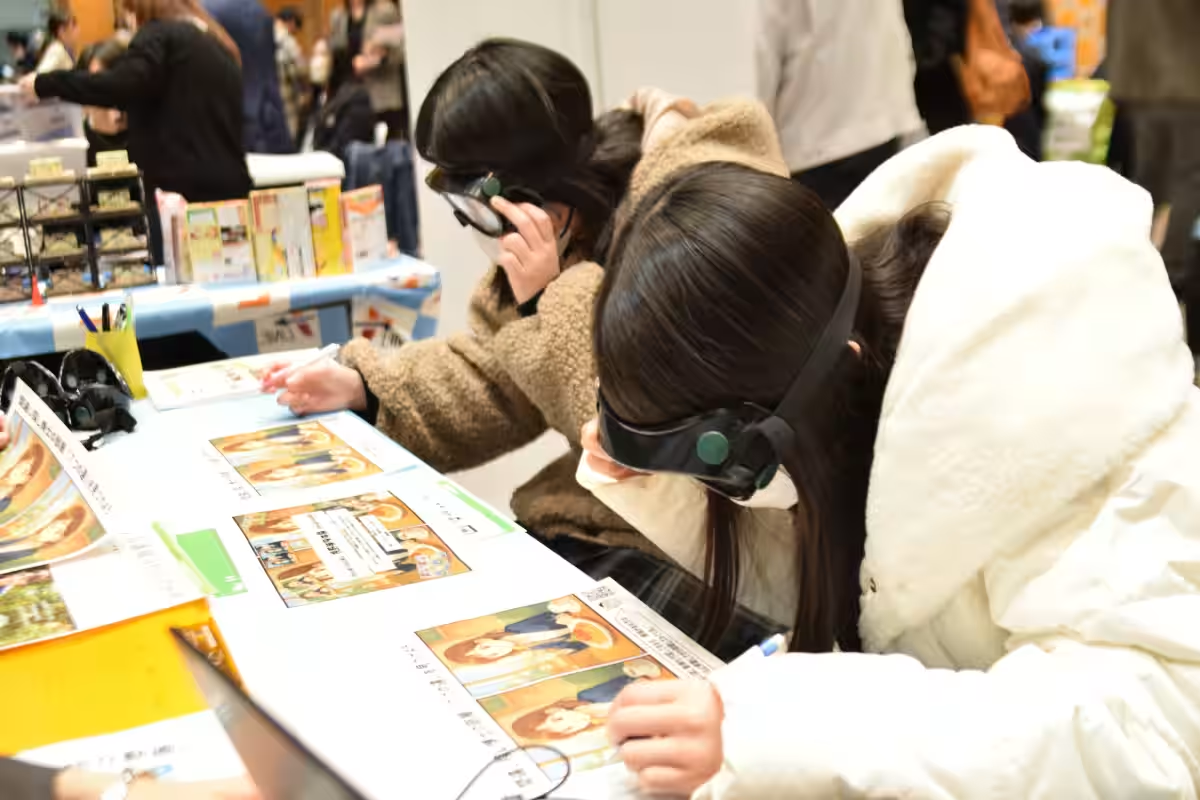
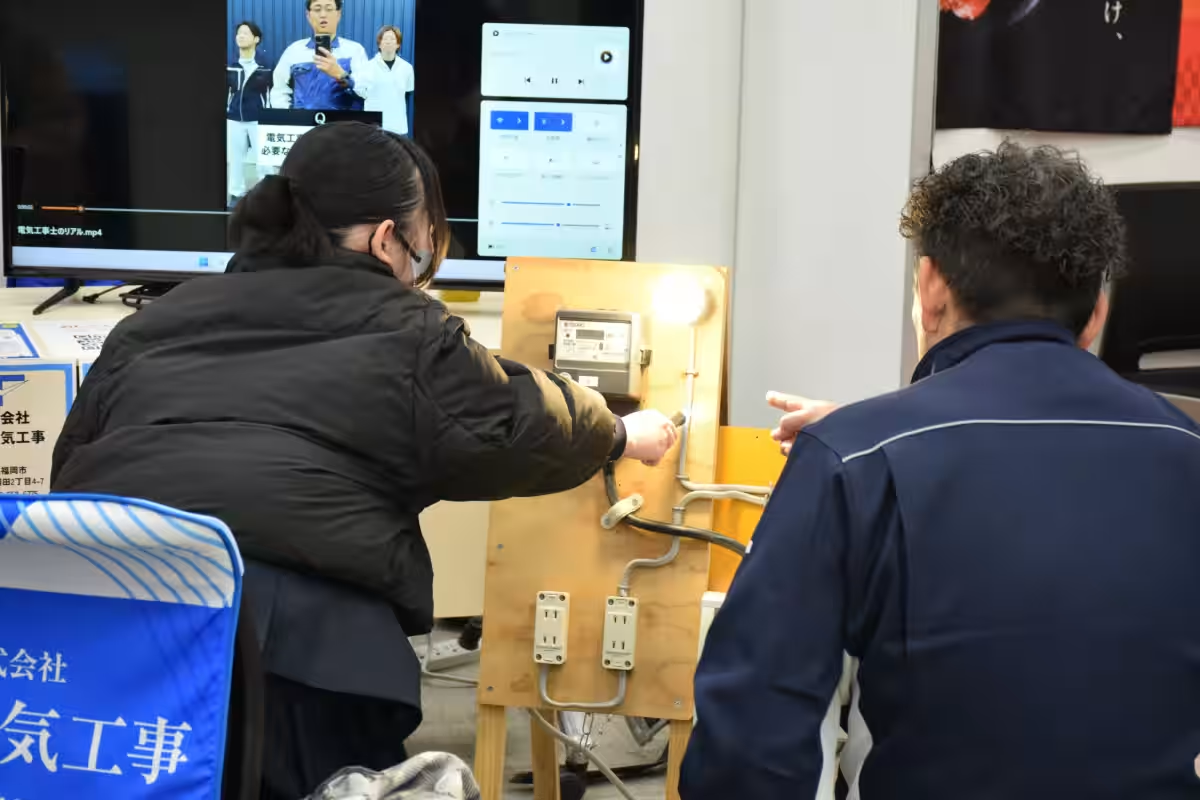
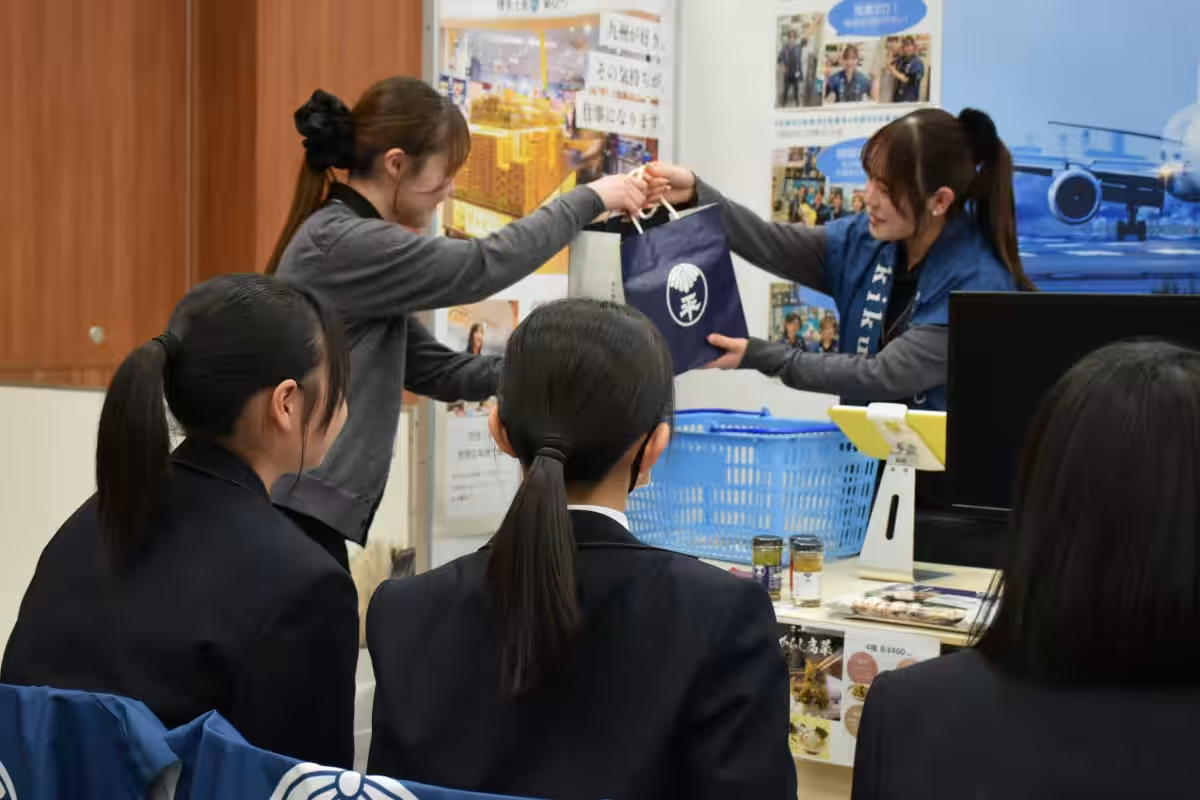
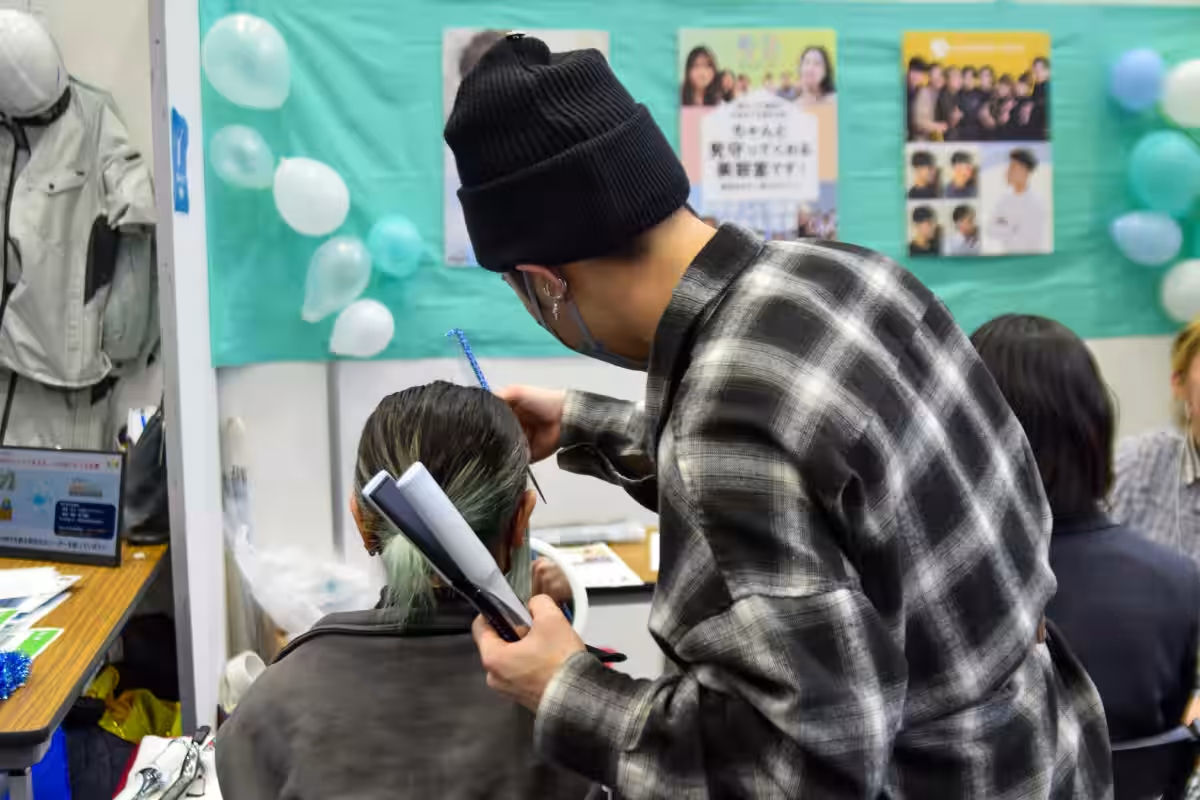
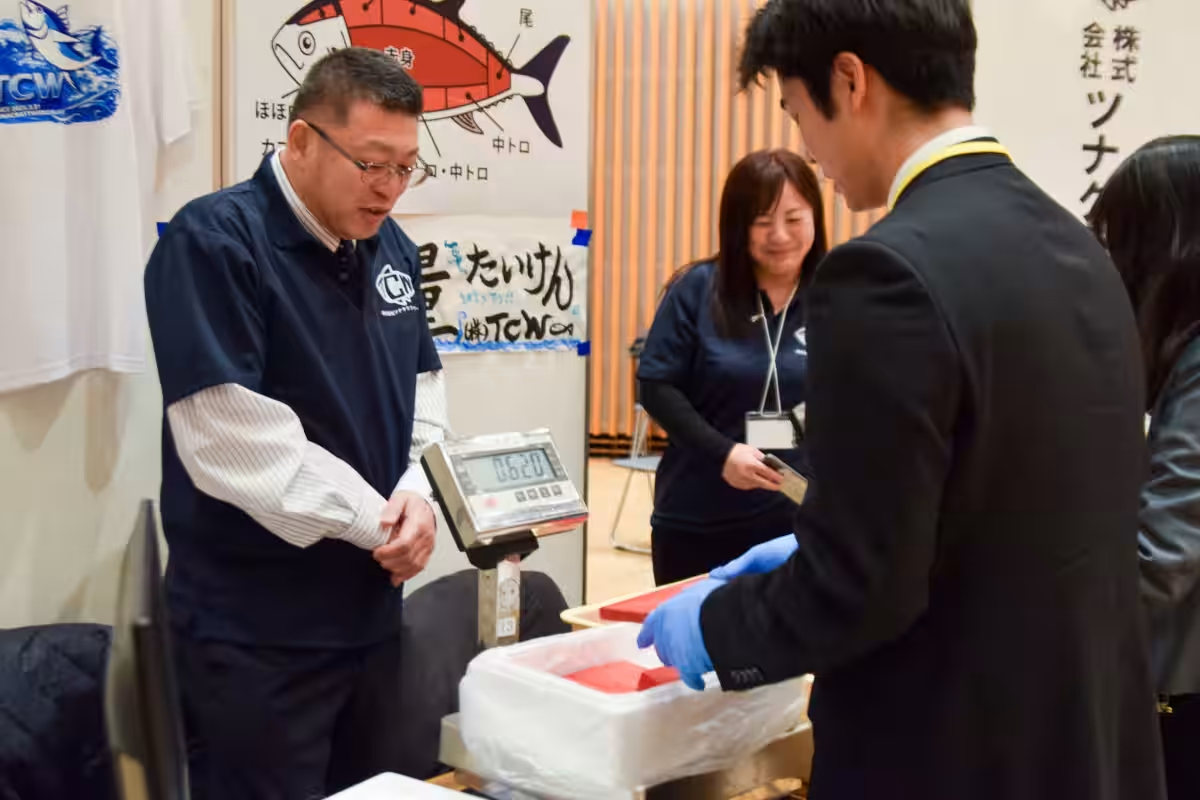
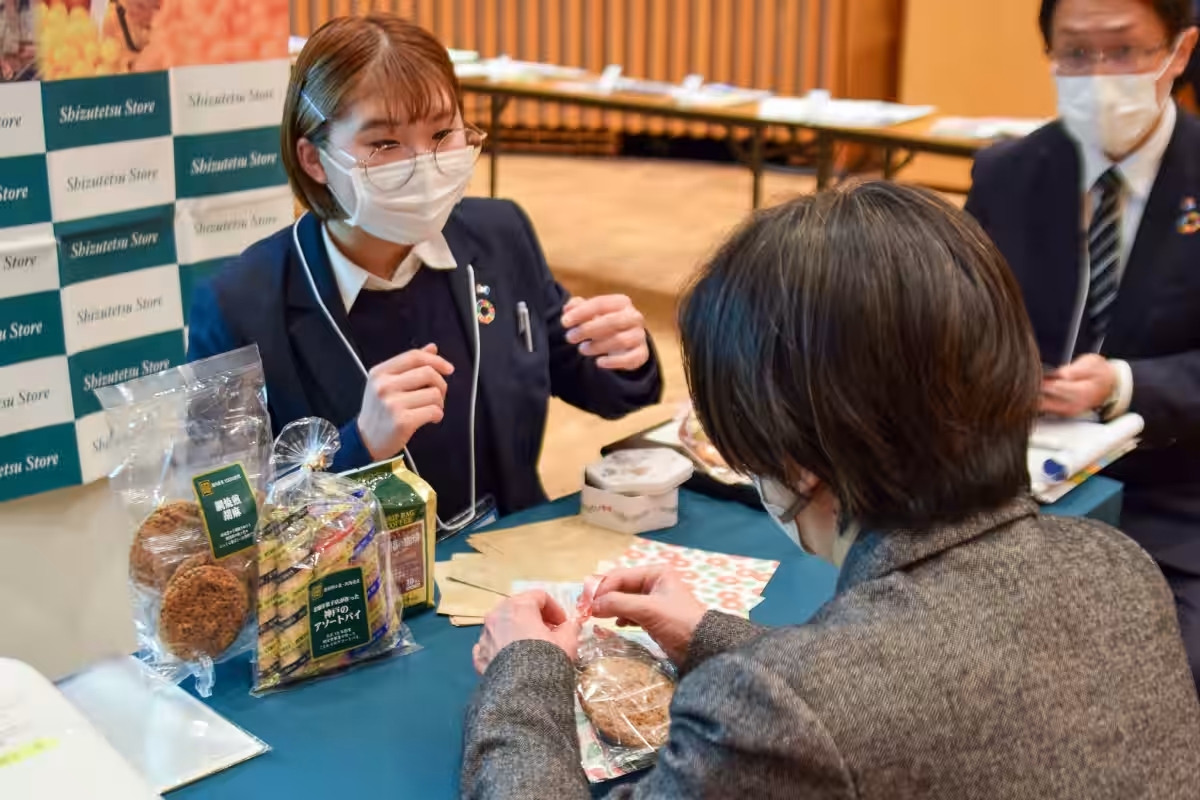
In February 2026, Jinjib, focusing on employment support for high school students in Osaka, hosted two innovative job experience events: the "Job Fair" and "Teacher Fes". These were held from January to February at 24 venues across Japan, targeting high school students graduating in March 2027 and their teachers. This nationwide initiative, which included 7 locations for the Job Fair with 1,334 total participants (1,192 students and 142 teachers), marked the first time the event was held in February. The Teacher Fes attracted 247 educators across 17 venues, bringing the total number of participants to an impressive 1,581.
Survey Summary
A survey of the participants revealed the following insights:
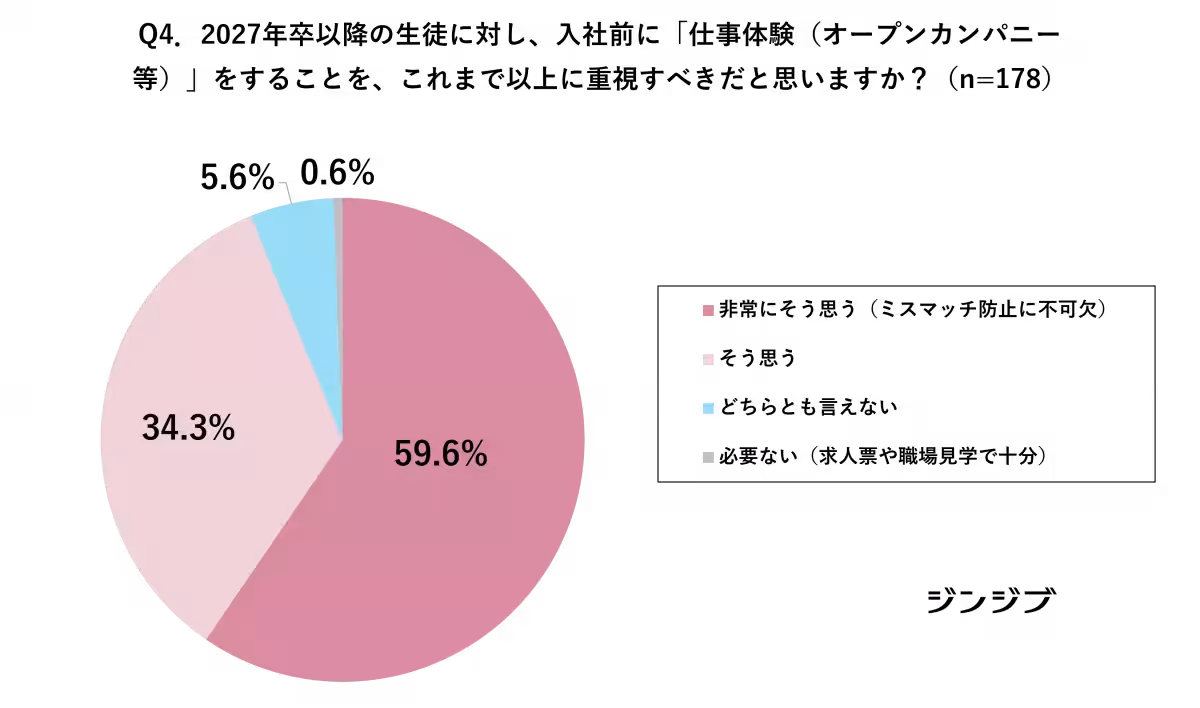
- - A total of 93.9% of participating high school teachers emphasized the importance of prioritizing job experience before employment.
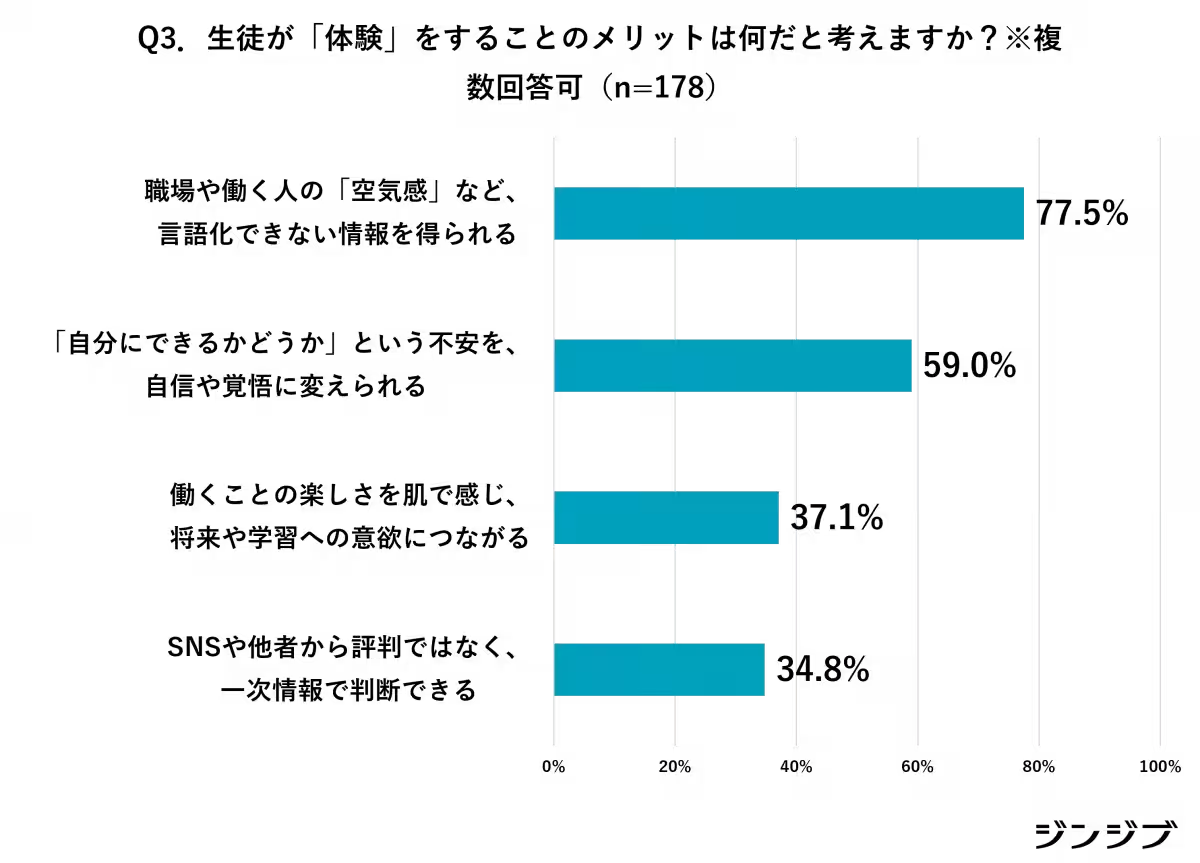
- - Educators noted the benefits of these experiences include gaining invaluable insights that cannot be articulated and transforming anxiety into confidence.
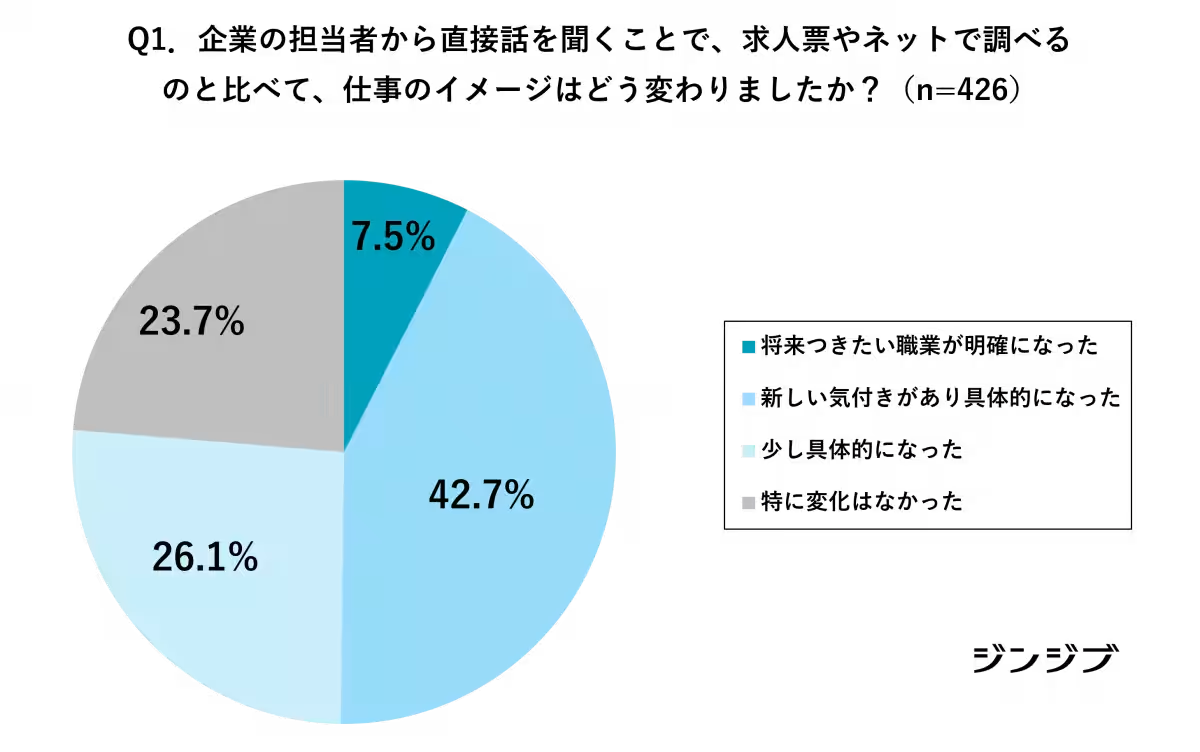
- - Moreover, 76.3% of high school students acknowledged that the experiences positively reshaped their understanding of work.
Background of the Events
As of September 2026, the job offer ratio for high school students graduating in March 2027 reached an impressive 3.94, reflecting a strong demand for recruits driven by labor shortages. However, the short job hunting period has made it challenging for students to conduct adequate research about potential employers, often leading to mismatches post-employment. Consequently, there have been calls within administrative and educational circles to revisit rules governing students' career exploration periods. Nevertheless, the recruitment announcement for March 2027 graduates will follow the existing schedule, with openings announced on July 1 and applications commencing on September 5.
With significant feedback from teachers—93.9% advocating for enhanced pre-employment experiences—there is a clear call for early career education in the academic arena. Approximately 60% of high school graduates who entered the workforce felt they should have gathered more information during their job hunting process. To facilitate better career exploration before the new academic year, these job experience events were executed in February.
Feedback from Teachers
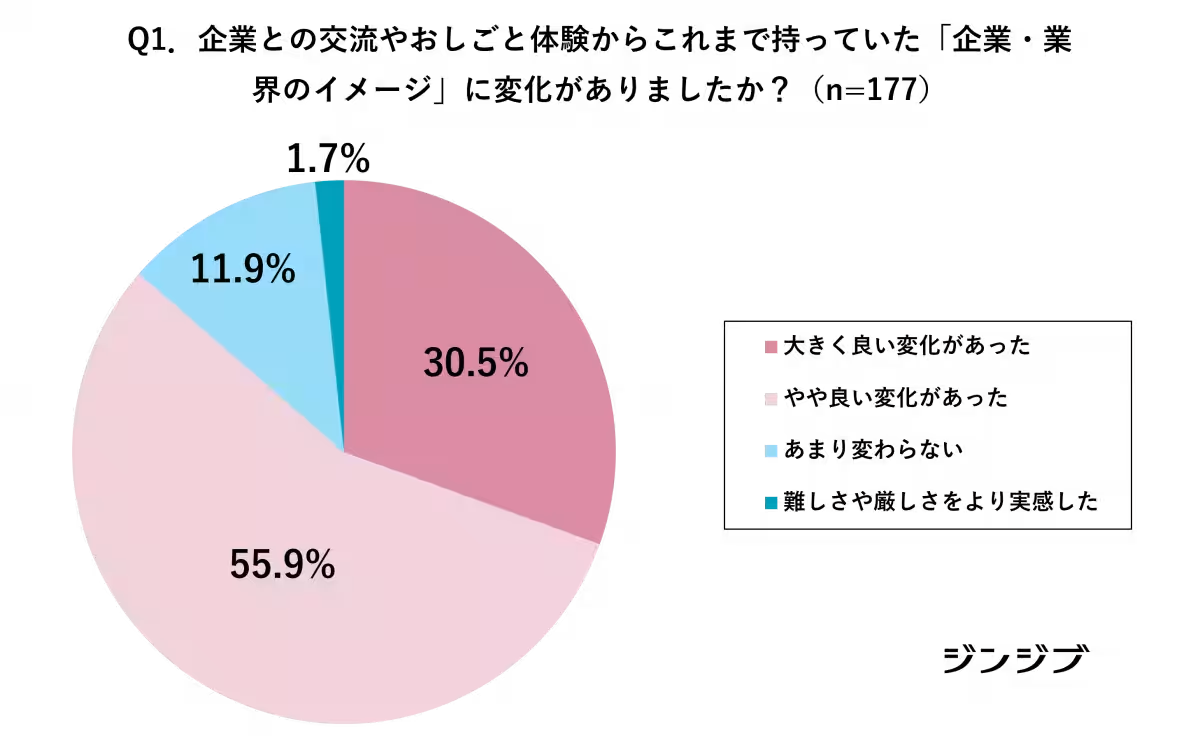
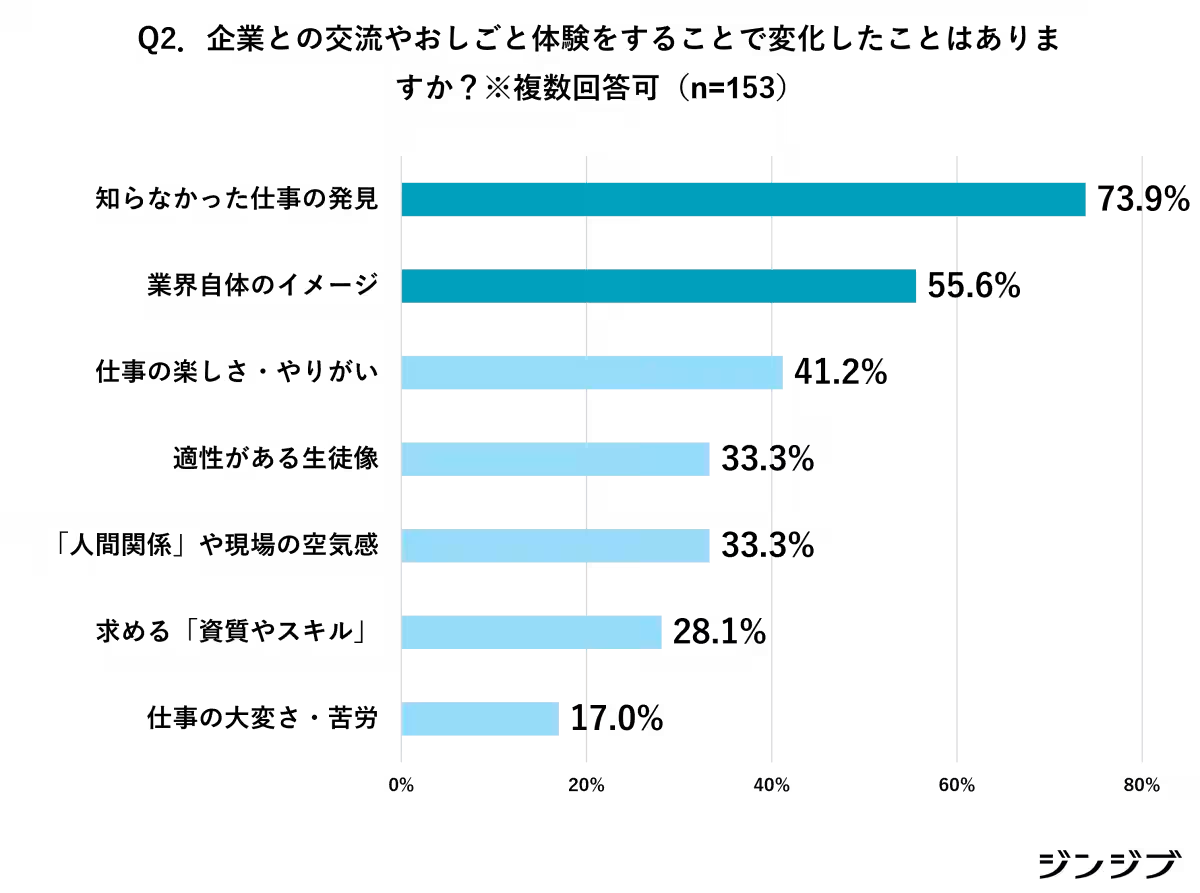
Surveys conducted from January 30 to February 25, 2026, with 178 teachers from the Teacher Fes, revealed transformational insights. When asked if their perception of companies had changed through interactions and experiences, 86.4% reported positive shifts. The primary discovery was that 73.9% found previously unknown job opportunities, along with 55.6% stating an improved perception of industries. This highlighted the experiential learning gap often obscured in conventional job listings.
Teachers recognized several benefits for students through these experiences, with 77.5% acknowledging that students gain intangible insights about workplace culture and dynamics. Furthermore, 93.9% of teachers expressed the belief that job experience prior to employment should be prioritized for students graduating in 2027. This perception underscores the importance of reducing mismatches and fostering a more informed career choice process.
Responses from High School Students
From February 3 to February 25, 2026, a separate survey was conducted with 426 high school students who participated in the Job Fair. Notably, 76.3% indicated that discussions with company representatives significantly shifted their understanding of job roles, revealing the limitations of relying solely on job postings and online searches.
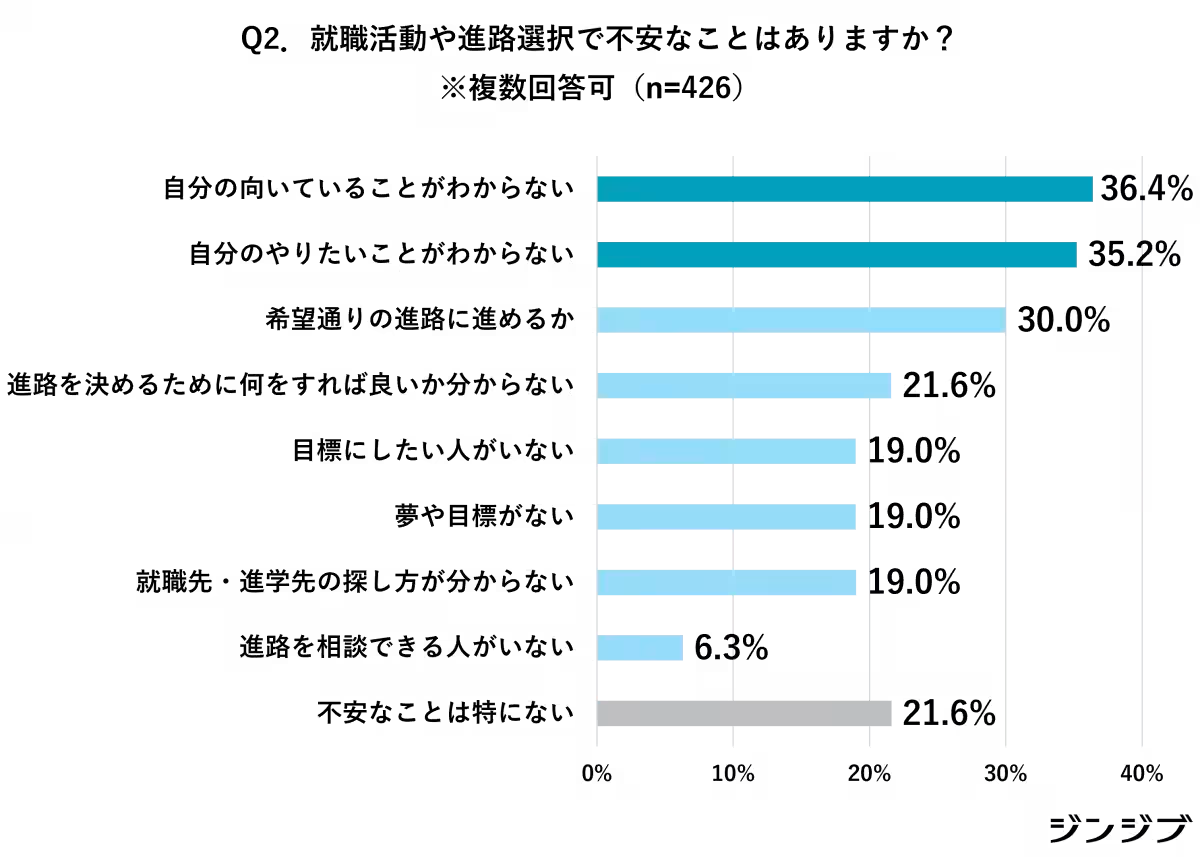
Concerns about career decisions predominated, with 36.4% of students unsure about their aptitudes and 35.2% questioning their career desires, underlining an overall deficiency in self-awareness. The attractiveness of companies was notably linked to workplace atmospheres (62.7%) and positive interactions with staff (39.4%), both critical factors influencing students' career choices.
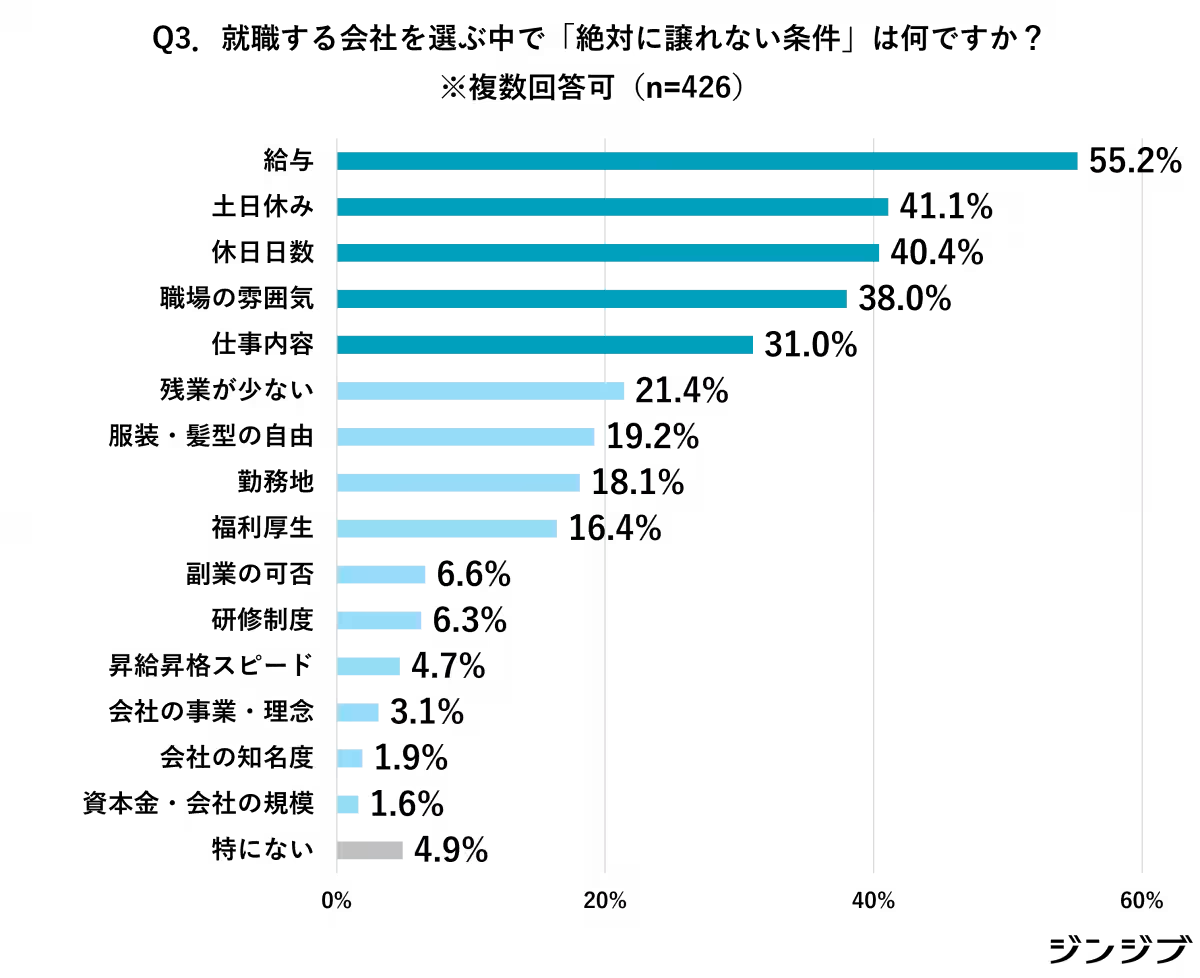
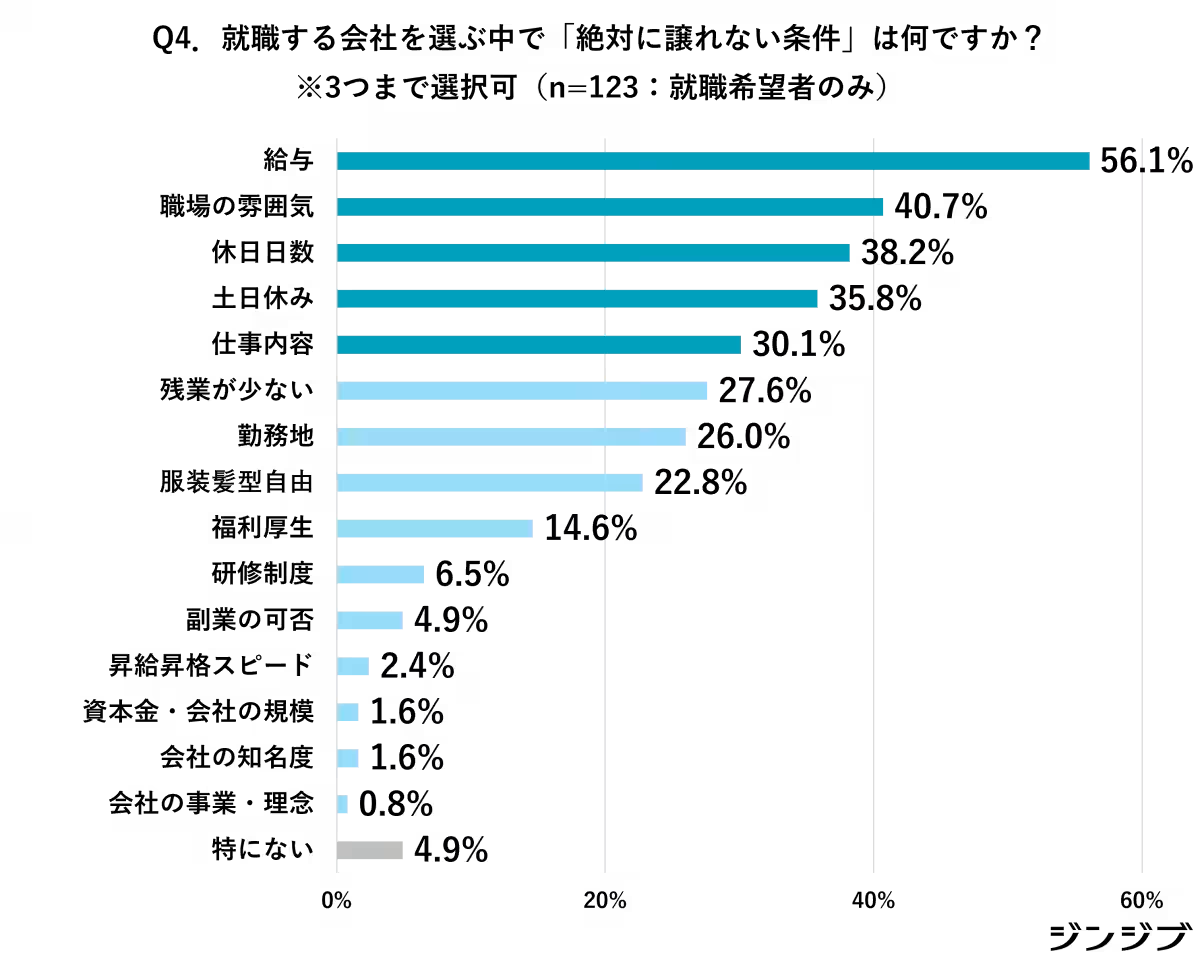
Additionally, when asked about the uncompromising conditions for choosing future employers, factors such as salary, workplace culture, and days off were prioritized, indicating a strong desire for work-life balance.
Conclusion
The Job Fair and Teacher Fes exemplify a growing response to student employment needs, highlighting the importance of proactive career education in high schools. As Japan navigates a competitive labor market, the insights gathered from these events will inform future initiatives aimed at bridging the gap between education and employment, ultimately supporting more informed and confident career decisions among students.
Topics Other)



【About Using Articles】
You can freely use the title and article content by linking to the page where the article is posted.
※ Images cannot be used.
【About Links】
Links are free to use.