



Exploring the Culinary Art of Potato and Mayonnaise at the 78th Nissen Conference
Seminar Report: The Blissful Marriage of Potatoes and Mayonnaise
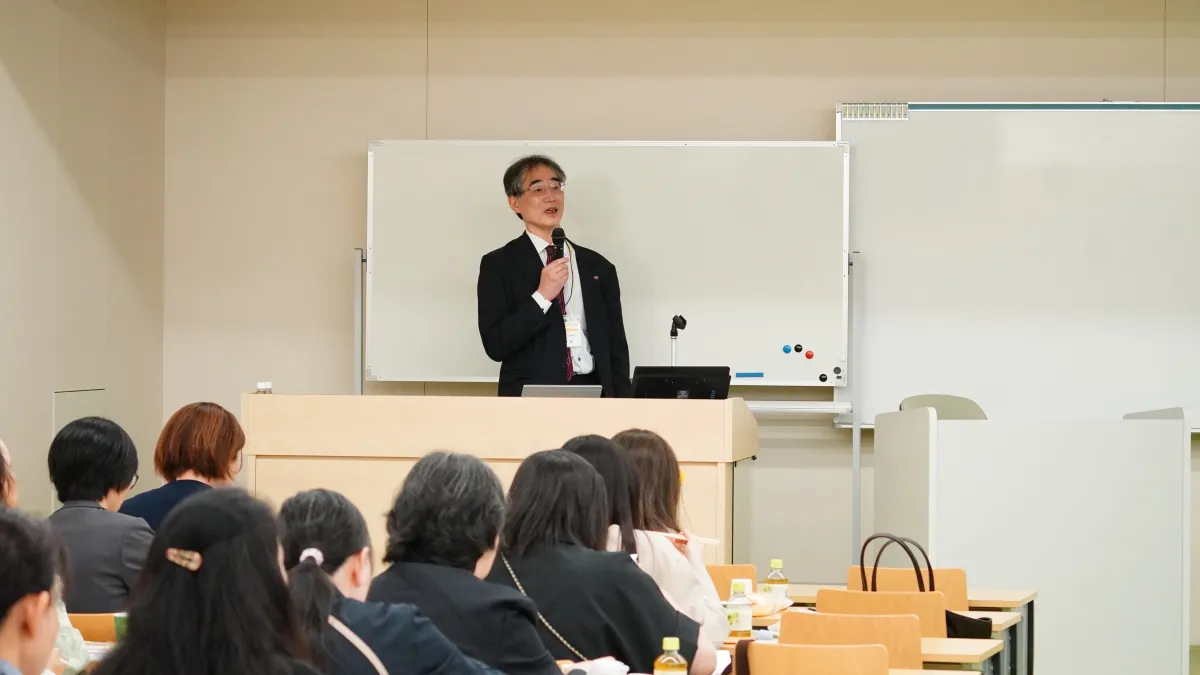
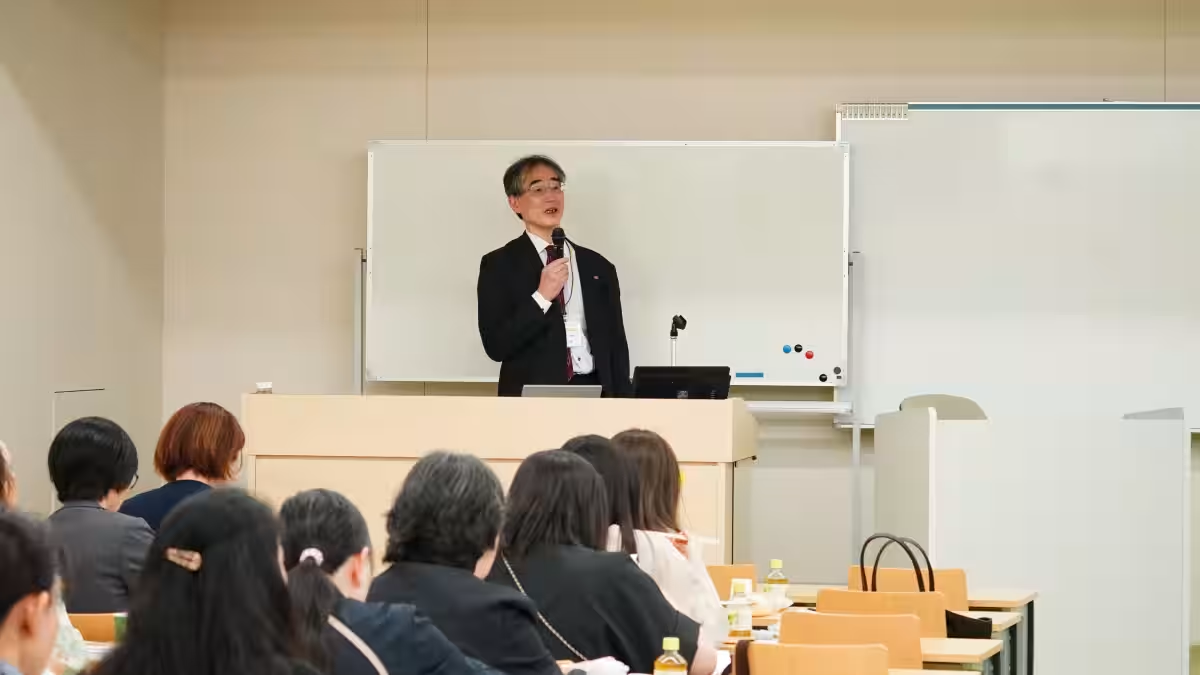
On May 24, Kenko Mayonnaise Co., Ltd. held a luncheon seminar titled "The Blissful Marriage of Potatoes and Mayonnaise" at the 78th Nissen Conference, hosted at Kyoto Women's University. With a primary focus on promoting the understanding of potatoes—an essential ingredient in their famous potato salad—50 participants attended the seminar, engaging in a rich discussion about the history and culinary significance of these two ingredients.
Introduction to Mayonnaise and Cream Dressings
The seminar commenced with an exploration of how mayonnaise and cream-based dressings were introduced to Japan in the Meiji era, originally brought through Britain. Early mayonnaise was primarily made with olive oil, making it prone to separation—quite different from our modern formulations. At that time, it was considered a luxury item, typically reserved for meat and fish dishes. For salads, people used creamy dressings made from ingredients like eggs, milk, wheat flour, and butter, known for their saltiness and acidity. Over time, the shift from olive oil to vegetable oil, and the advent of industrial manufacturing methods, have modernized mayonnaise production significantly. Participants had the opportunity to sample Kenko's delicately textured and light "Kenko MR Mayonnaise Type" as a demonstration of this evolution.
Experimental Mayonnaise Mixing Techniques
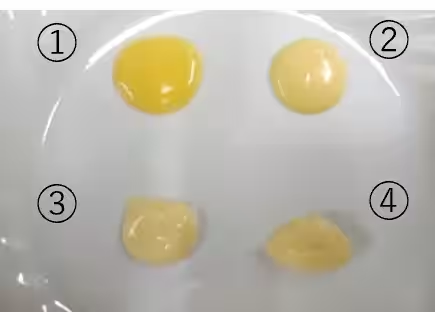
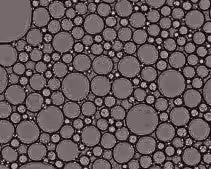
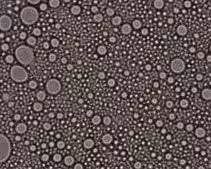
A significant portion of the seminar was dedicated to hands-on experimentation with various mayonnaise mixing techniques. Attendees were shown four distinct mayonnaise preparations, each created by altering the mixing method (from hand-whipped to machine-blended). Two types of potato preparations—mashed and sliced—were used to observe how they interacted with mayonnaise. Results indicated that the state of the potato affects its propensity to separate when mixed. Mashed potatoes separated easily, while sliced potatoes showed more stability, suggesting that older recipes favored the latter texture for a more consistent potato salad.
| Mixing Method | Viscosity (Pa·s) | Particle Size (μm) |
|---|---|---|
| ---- | ---- | ------- |
| Hand Whipped (1) | 27 | 28 |
| Moderate Whip (2) | 48 | 10 |
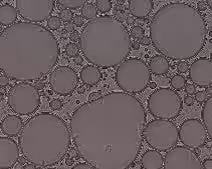
| Light Machine (3) | 149 | 4 |
| High Machine (4) | 186 | 2 |
The Evolution of Mayonnaise Production
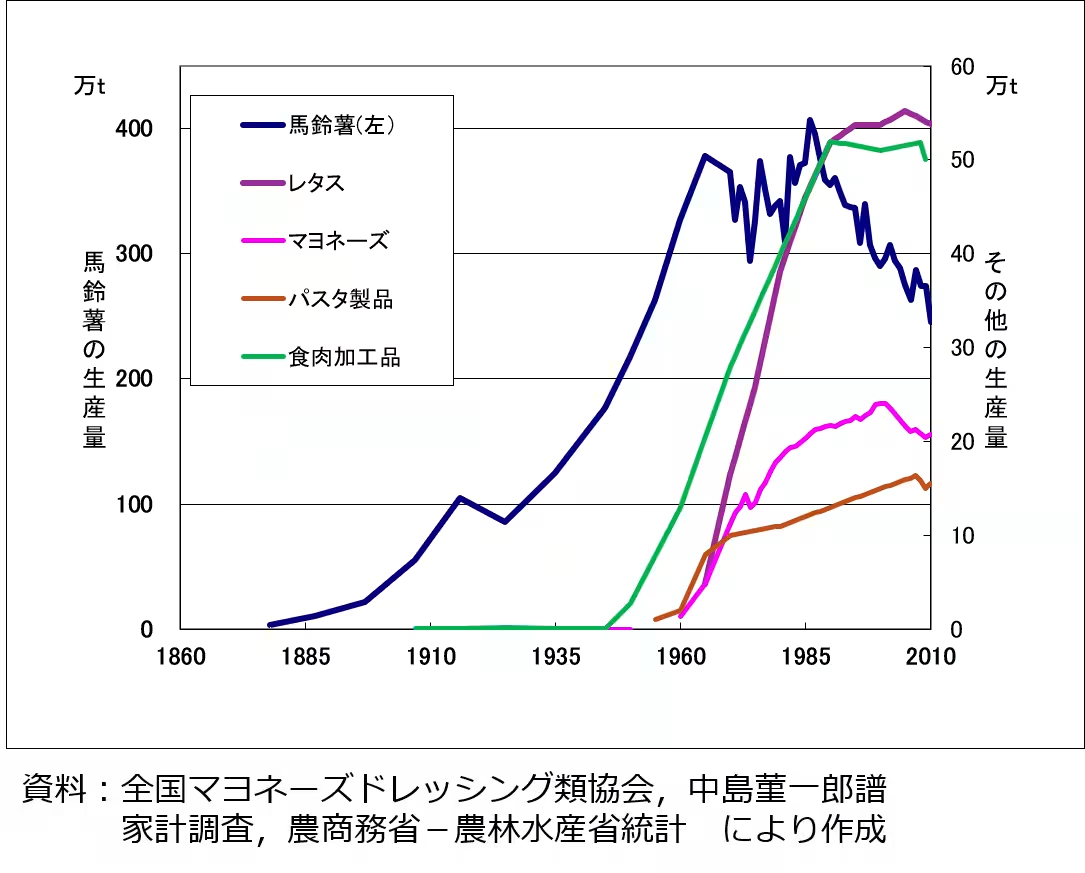
Since 1955, with the introduction of new emulsifying machines and egg breaking equipment, mayonnaise production has surged. Previously, manual egg cracking and emulsification led to low production quantities. The arrival of machinery marked a significant technological leap, allowing for a more stable and easily accessible mayonnaise product in homes. Today’s industrial mayonnaise features finer emulsion particles, reducing separation and allowing home chefs to create potato salads with mashed potatoes more easily.
Engaging Discussions and Takeaways
After the seminar, attendees expressed curiosity about the changes in raw materials used for mayonnaise, highlighting their eagerness to learn. Kenko Mayonnaise also gave out samples of their popular "Kenko Mayonnaise Restaurant Taste" as souvenirs, further introducing participants to their product range. Kenko's commitment to its philosophy of contributing to society through food and nurturing both body and mind was evident throughout the event. Kenko Mayonnaise Co., Ltd. continues to play a vital role in the evolution of culinary arts, promoting awareness and appreciation for the foundational ingredients in our diets.
Summary of the 78th Nissen Conference
- - Organizer: Japan Society of Home Economics
- - Date: May 24, 2026
- - Venue: Kyoto Women's University
Kenko Mayonnaise remains dedicated to fostering culinary innovation while enhancing public understanding of the essential ingredients that elevate our meals, like potatoes and mayonnaise.

Topics Consumer Products & Retail)
【About Using Articles】
You can freely use the title and article content by linking to the page where the article is posted.
※ Images cannot be used.
【About Links】
Links are free to use.