




How Chinese Tourists Are Transforming Travel Plans with AI for 2026
The Rise of AI in Travel Planning among Chinese Tourists to Japan
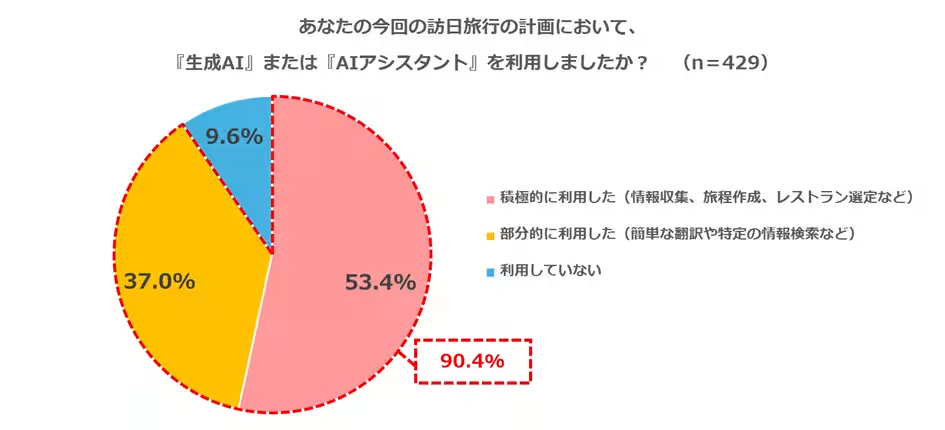
In a recent survey conducted by Intersect Communications, a Tokyo-based company specializing in inbound tourism promotion, it was found that more than 90% of Chinese tourists planning to visit Japan for the 2026 Spring Festival intend to use Artificial Intelligence (AI) tools for their travel planning. This significant trend underscores a radical transformation in how travel itineraries are being organized and suggests a shifting preference from traditional search methods to AI-assisted planning.
Highlights from the Survey
The survey, which garnered 3,995 valid responses from residents across major Chinese cities including Beijing, Shanghai, and Guangzhou, aimed to explore the burgeoning role of AI in shaping travel plans among potential tourists to Japan.
Key findings include:
- - Over 90% (90.4%) of respondents reported using generative AI or AI assistants to create travel plans.
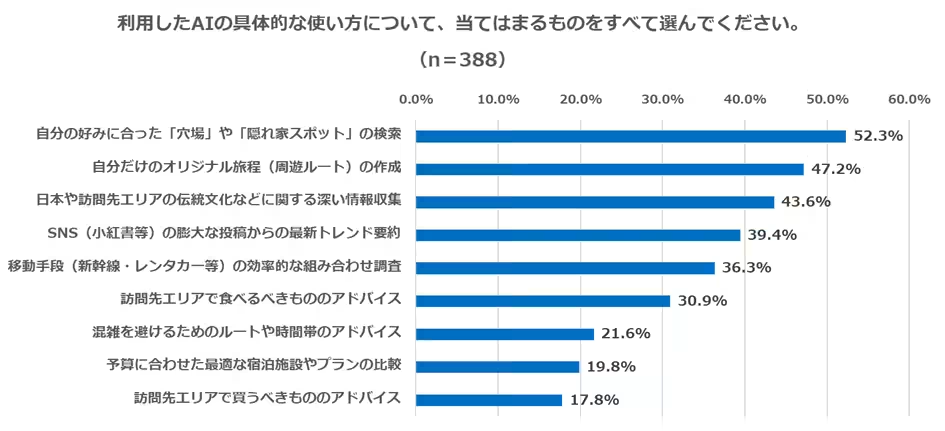
- - AI is being primarily utilized for searching hidden gems, creating personalized itineraries, and gathering cultural information about Japan.
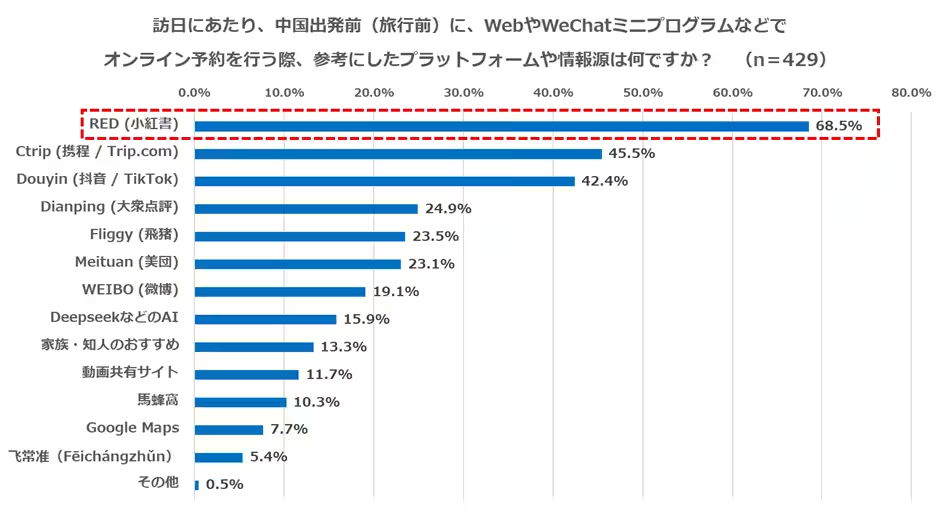
- - The leading platform for online resource and booking during pre-travel stages is RED (小紅書), cited by 68.5% of users.
- - Approximately 40% of AI users reported using AI to summarize the latest trends from social media platforms, indicating a new wave of personalized travel planning.
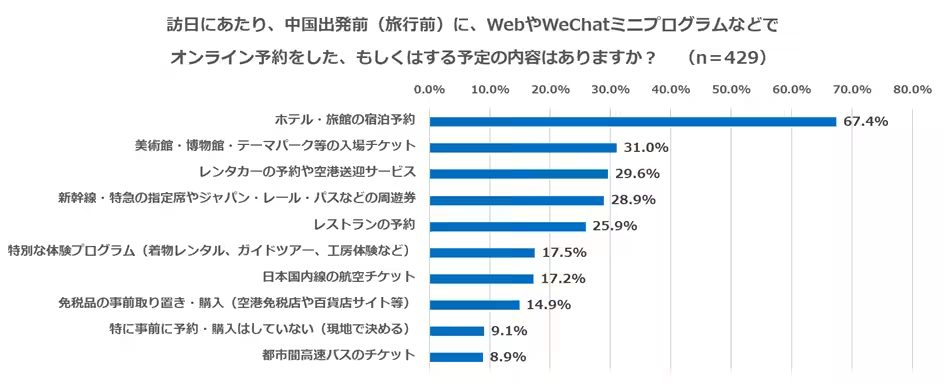
In terms of booking methods, two-thirds of respondents (67.4%) stated that they reserved accommodations prior to their arrival, and many tend to arrange multiple services in advance, such as entrance tickets and transportation services.
Changing Landscape of Decision-Making
The statistical data reflects a clear trend where youthful travelers aged 18 to 30 lead in AI utilization for travel planning—94% usage among this demographic. This indicates a significant reliance on technology that could reshape the tourism industry.
Most respondents (52.3%) reported using AI primarily for finding off-the-beaten-path spots, followed closely by creating unique travel itineraries (47.2%) and conducting thorough research on Japan’s traditions (43.6%). Furthermore, almost 40% noted they leveraged AI for summarizing vast social media content, which suggests a growing trend of tailoring travel information to personal preferences using AI technologies.
Social Media Influence
The significance of social media cannot be overstated in this evolving travel landscape. Particularly, RED stands out as a critical platform where young Chinese travelers gather and share experiences. This site serves not just as a source of inspiration but also plays a pivotal role in shaping actual travel itineraries based on real user-generated content.
Importance of Information Design
As the landscape shifts, the implications for tourism stakeholders—government bodies, destination marketing organizations (DMOs), and businesses—are profound. The traditional methods of attracting visitors through social media and search engines may not suffice if essential information regarding destination names or services is not prominently recognized by AI algorithms.
In an era where travelers consult AI systems for their decisions, it becomes crucial for tourism-related entities to ensure they are appropriately indexed and recognized within AI frameworks. Therefore, engaging in AI Optimization (AIO)—the process of ensuring information is accessible and recognizable to AI systems—is rapidly becoming an essential strategy for attracting inbound visitors.
Conclusion
The findings from this survey indicate the substantial shift towards AI in travel planning among Chinese tourists. As they increasingly seek personalized experiences supported by intelligent technology, tourism stakeholders must adapt their strategies to accommodate these changes. In this AI-driven era, providing reliable, accessible information that resonates with travelers’ preferences will be crucial to influence their decisions and enhance their experiences in Japan.


Topics Travel)
【About Using Articles】
You can freely use the title and article content by linking to the page where the article is posted.
※ Images cannot be used.
【About Links】
Links are free to use.