




Toyo University and Asmark Collaborate on Innovative PBL Education Program with 10,000 Participant Data
Final Report on PBL Education Collaboration Between Toyo University and Asmark
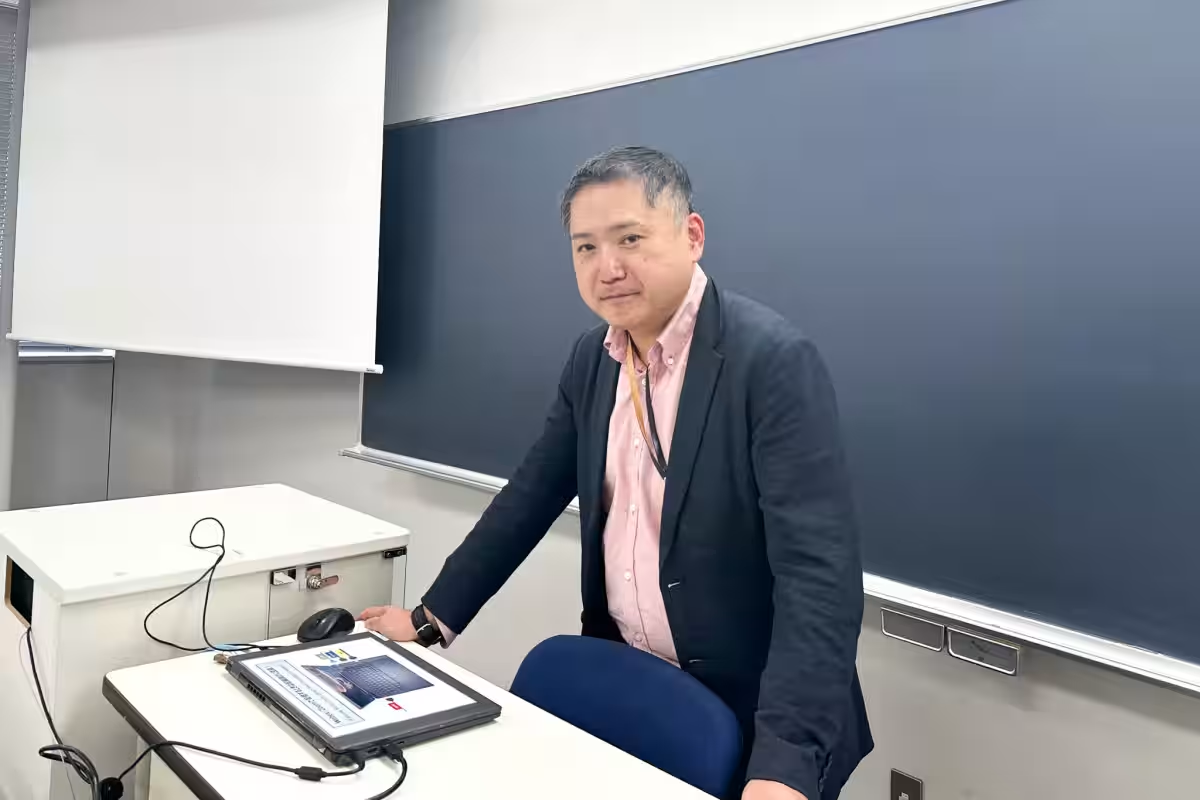
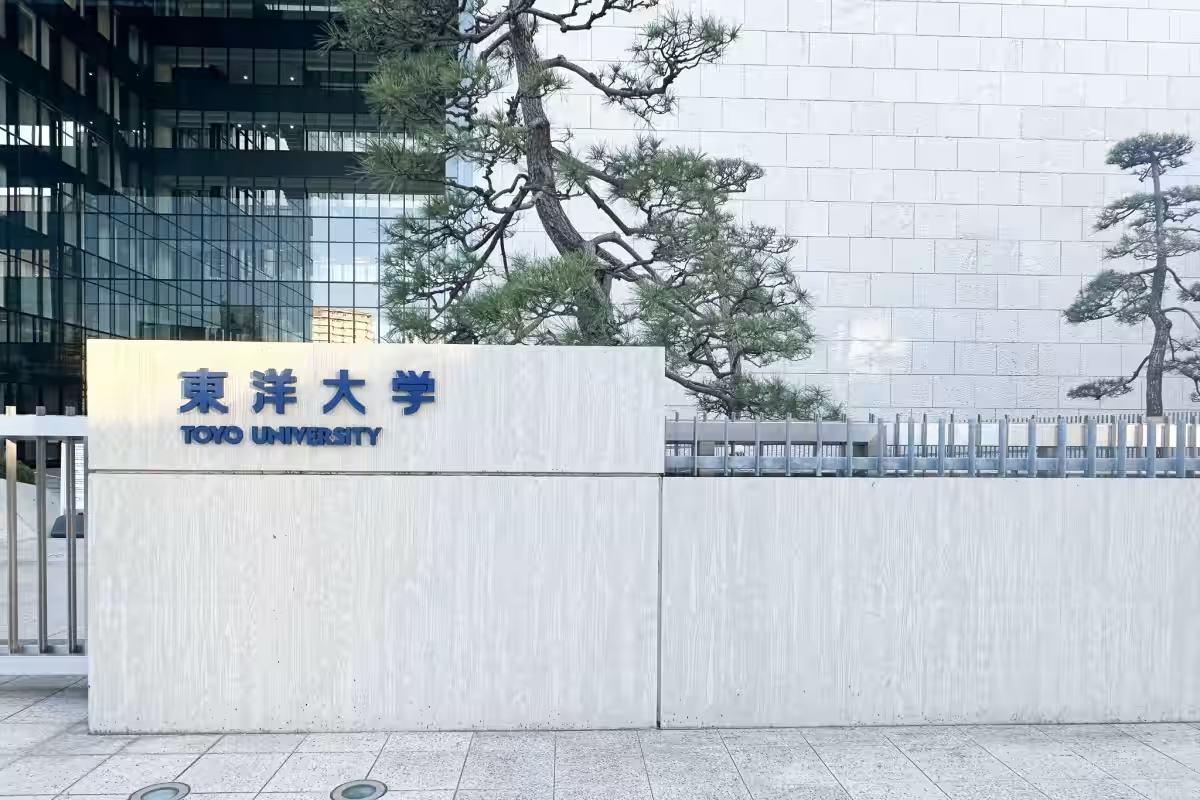
Toyo University and Asmark have marked a significant milestone in Project-Based Learning (PBL) by concluding a unique educational program that utilized real-world data from over 10,000 participants. This initiative, led by Professor Takashi Nishimura from Toyo University's Business Administration department since September 2025, aimed to enhance education by providing students with empirical data to tackle contemporary human resource challenges.
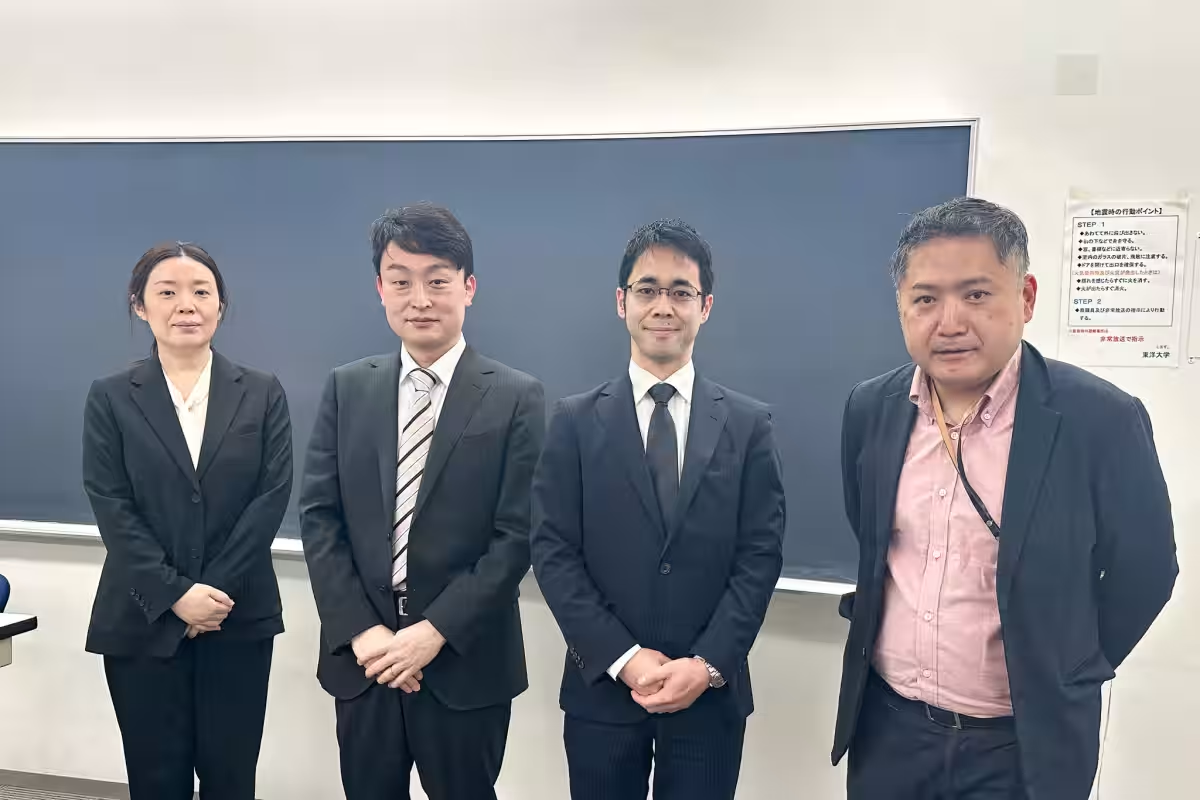
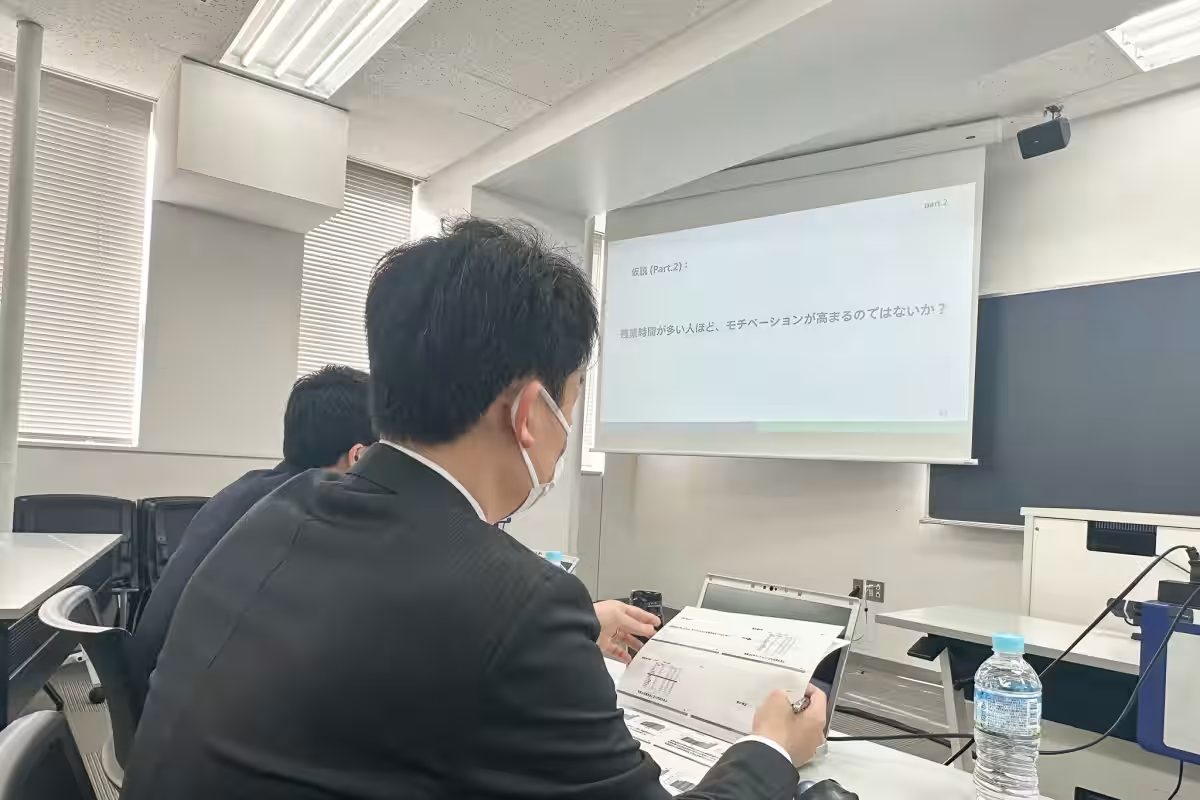
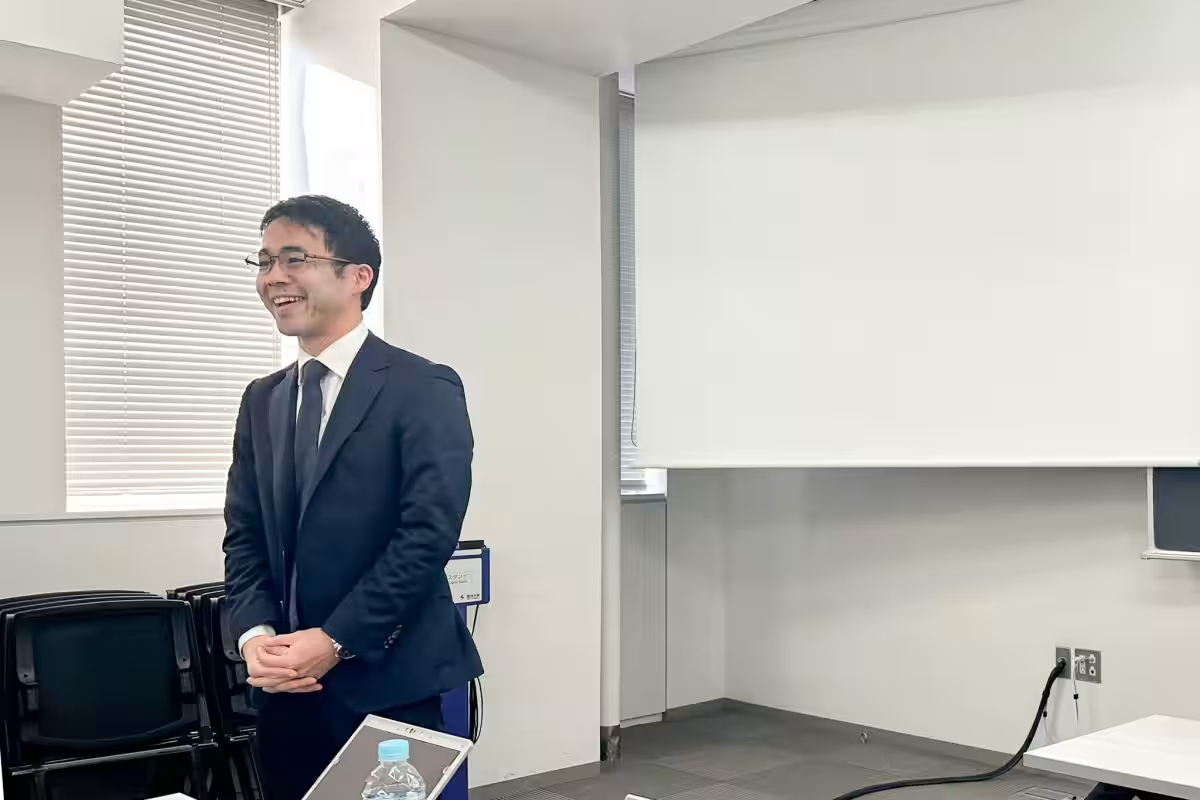
The culmination of this project was celebrated on January 30, 2026, during a presentation event, where students reported their findings, showcasing the essential intersection between education and real business applications. The investigation provided insights into pressing HR issues, including the psychological backgrounds of employees who prefer stable positions over managerial roles, along with the impacts of workplace harassment and overtime on employee retention and motivation.
Key Findings from Student Teams
During the report presentation, several student groups shared their analyses:
1. Non-Managerial Career Strategy Team: This group explored the characteristics of employees who do not aspire to managerial roles yet exhibit a low intention to leave their jobs. They identified common trends that suggest a psychological comfort in stability while addressing the rising burdens and decreased opportunities for promotions within Japanese corporations.
2. Workplace Environment Improvement Team: They revealed how workplace harassment significantly influences individuals' decisions to change jobs or resign. The team documented personal observations of peers encountering harassment and linked these to findings that suggest greater hazards in smaller companies, reinforcing the need for companies to proactively address issues of bullying and harassment.
3. Talent Retention Strategy Team: This group examined the relationship between overtime and motivation's effect on resignation intentions. They found a complex, non-linear relationship between motivation, overtime, and the willingness to leave a job, suggesting that excessive overtime can lead to burnout and eventually decreased job satisfaction.
Educational Impact and Insights
The project not only aimed to solve real-time HR challenges but also provided immense learning experiences for the participating students. They engaged in practical data analysis, fostering skills crucial for their future careers. The exploration of hypotheses led to unexpected findings, prompting students to adapt their research directions and refine their analytical approaches rapidly.
Professor Nishimura emphasized the importance of this educational approach, stating that it helps students gain a structured understanding of problem identification beyond just seeking immediate solutions. By applying rigorous data analysis, students developed a deeper appreciation for the complexities of human resource management and organizational behavior.
The Future of Collaborative Education
Asmark's involvement ensured the integration of robust empirical knowledge into the curriculum, bridging the gap between theory and practice. This collaboration is set to continue, as both parties are committed to providing substantial data and insights, paving the way for further collaborative educational ventures in the future.
Moreover, this partnership highlights the role of academic institutions and businesses in nurturing talent that is not only aware of theoretical constructs but also proficient in applying those constructs to real-world challenges. The positive feedback from students and faculty alike indicates a promising avenue for PBL education that can evolve based on empirical data, preparing future leaders for the workforce.
In conclusion, the project exemplified how collaboration between academia and industry can create valuable educational experiences while addressing pertinent social issues in human resource management. Asmark's continued support illustrates their commitment to fostering educational growth and improving workplace dynamics through data-driven insights.


Topics Other)
【About Using Articles】
You can freely use the title and article content by linking to the page where the article is posted.
※ Images cannot be used.
【About Links】
Links are free to use.