



Impact of Car Sharing Services on Young Drivers in Tokyo Revealed
Exploring the Rise of Car Sharing Among Young Drivers in Tokyo
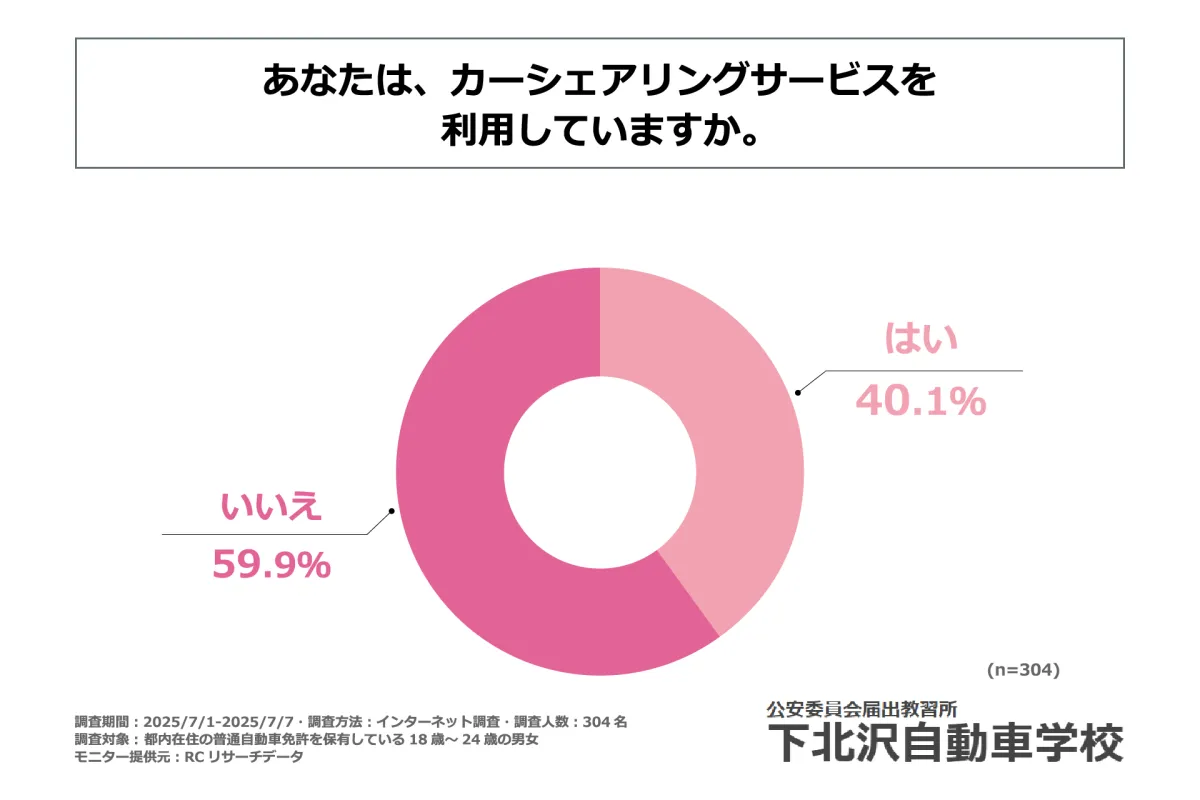
In a fascinating study conducted by Shimokitazawa Driving School, it has been revealed that approximately 40% of young licensed drivers residing in Tokyo utilize car-sharing services. This insight not only sheds light on the mobility trends among the youth of the metropolis but also highlights a significant shift in the traditional perception of car ownership.
Background of Car Sharing Trends
As digital innovations and the sharing economy gain momentum, there has been a considerable shift in societal values regarding car ownership. Traditionally, possessing a personal vehicle symbolized status and autonomy, especially in urban areas. However, in Tokyo, the emergence of car-sharing applications has made vehicle access easier than ever, allowing the younger demographic to seamlessly integrate cars into their lifestyle without the burden of ownership. The financial strain from rising living costs, particularly in vehicle maintenance, further enhances the practicality of renting a car only when necessary.
Survey Highlights
The survey, conducted between July 1 and July 7, 2025, targeted 304 young adults aged 18 to 24 who possess a driver’s license. Here are some key findings:
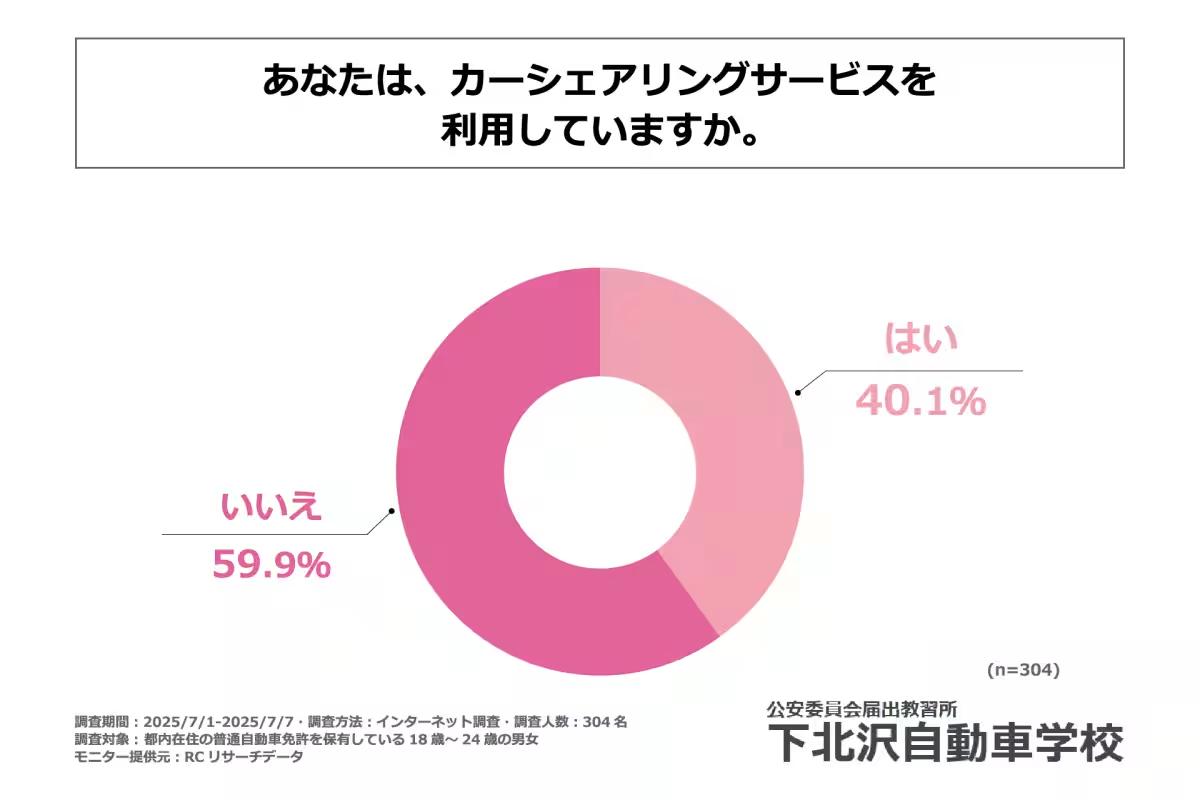
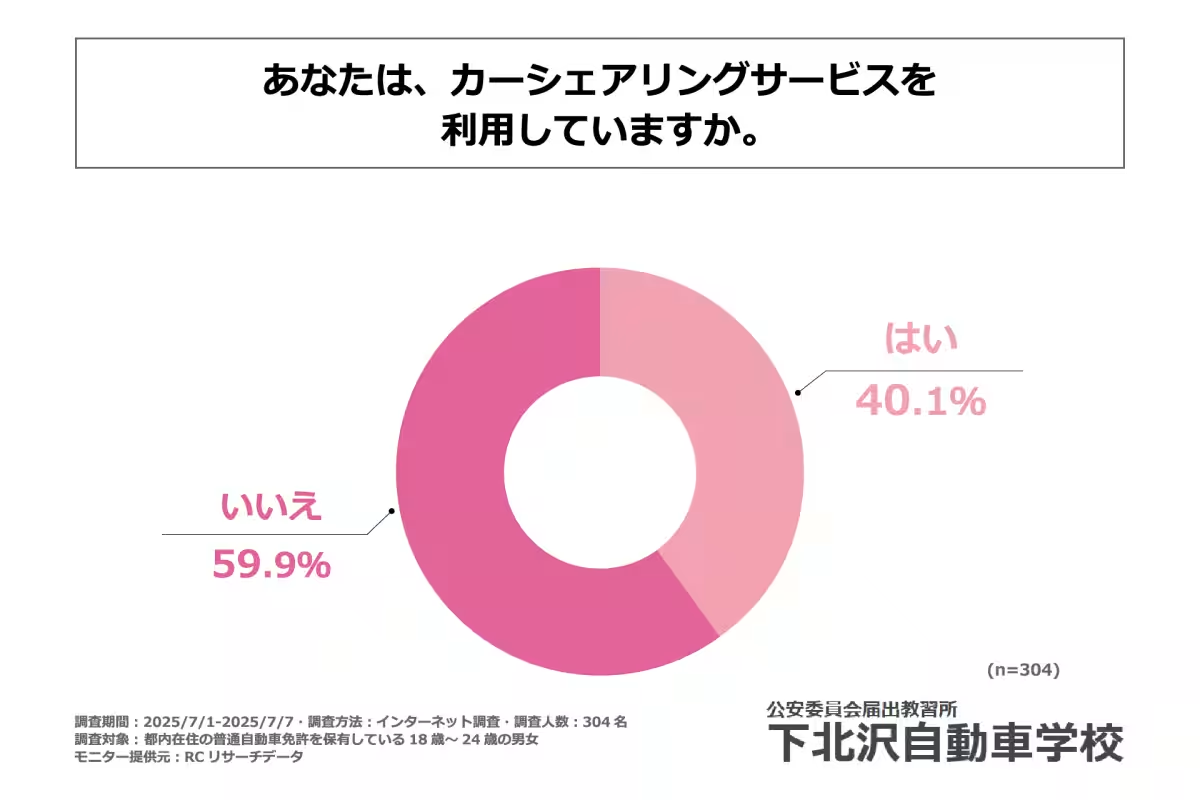
- - Utilization Rate: About 40.1% of the respondents reported using car-sharing services, indicating a significant acceptance among this age group.
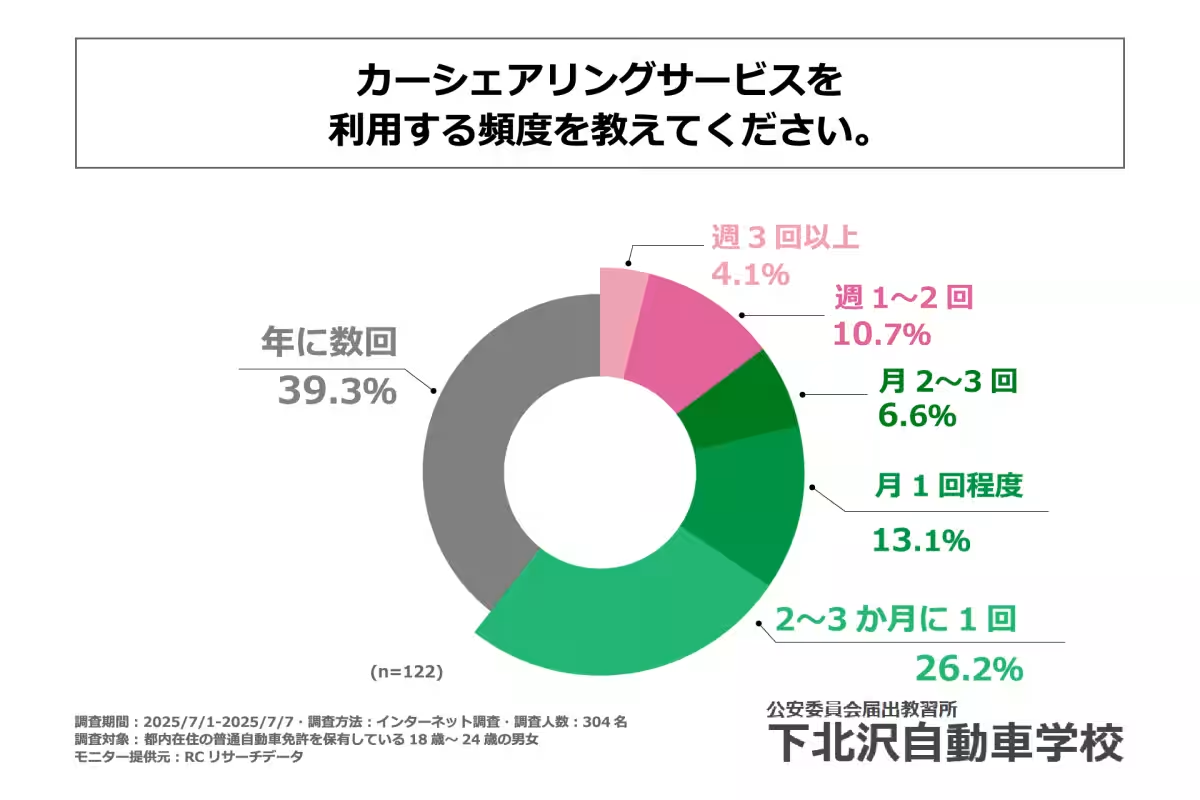
- - Frequency of Use: An impressive 60.7% of these young licensed drivers utilize car-sharing services at least once every two to three months. The most common usage patterns include:
- Every two to three months: 26.2%
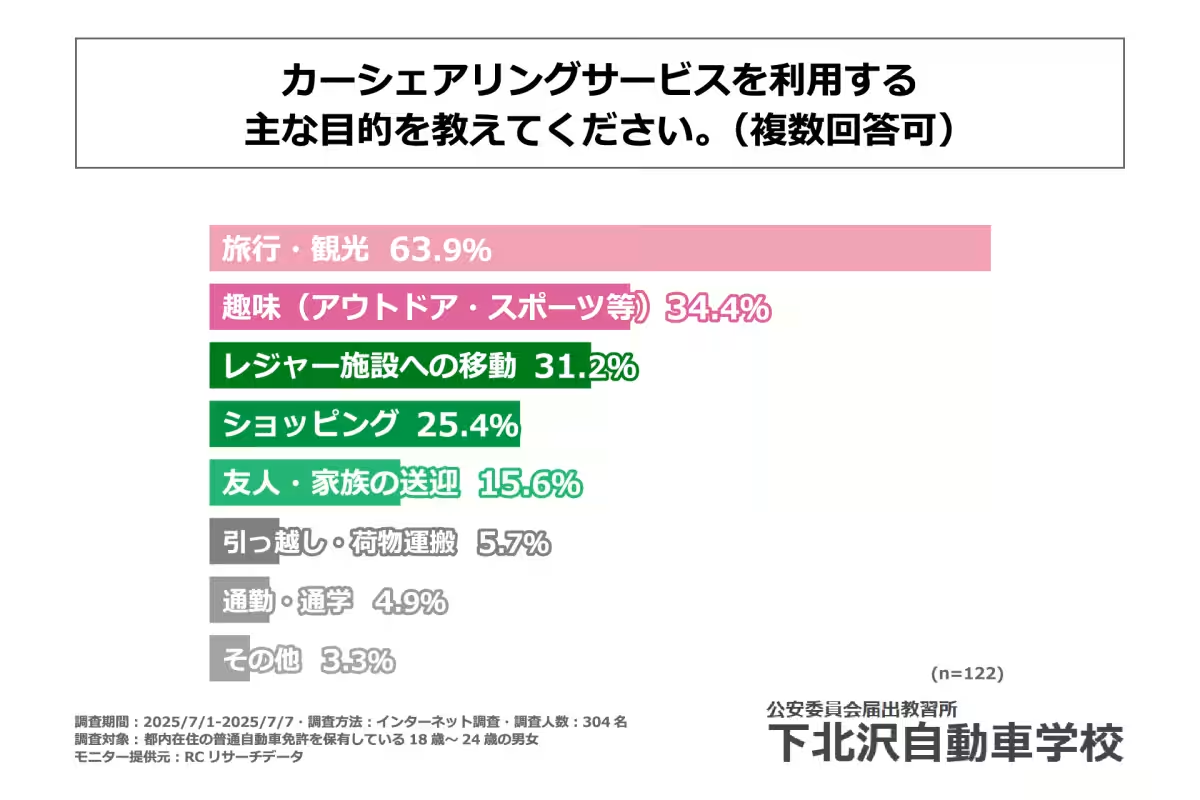
- - Primary Purpose: The leading reason for using car-sharing services is for travel and tourism, chosen by 63.9% of the respondents. Other motivations includes hobbies (34.4%) and commuting to leisure facilities (31.2%).
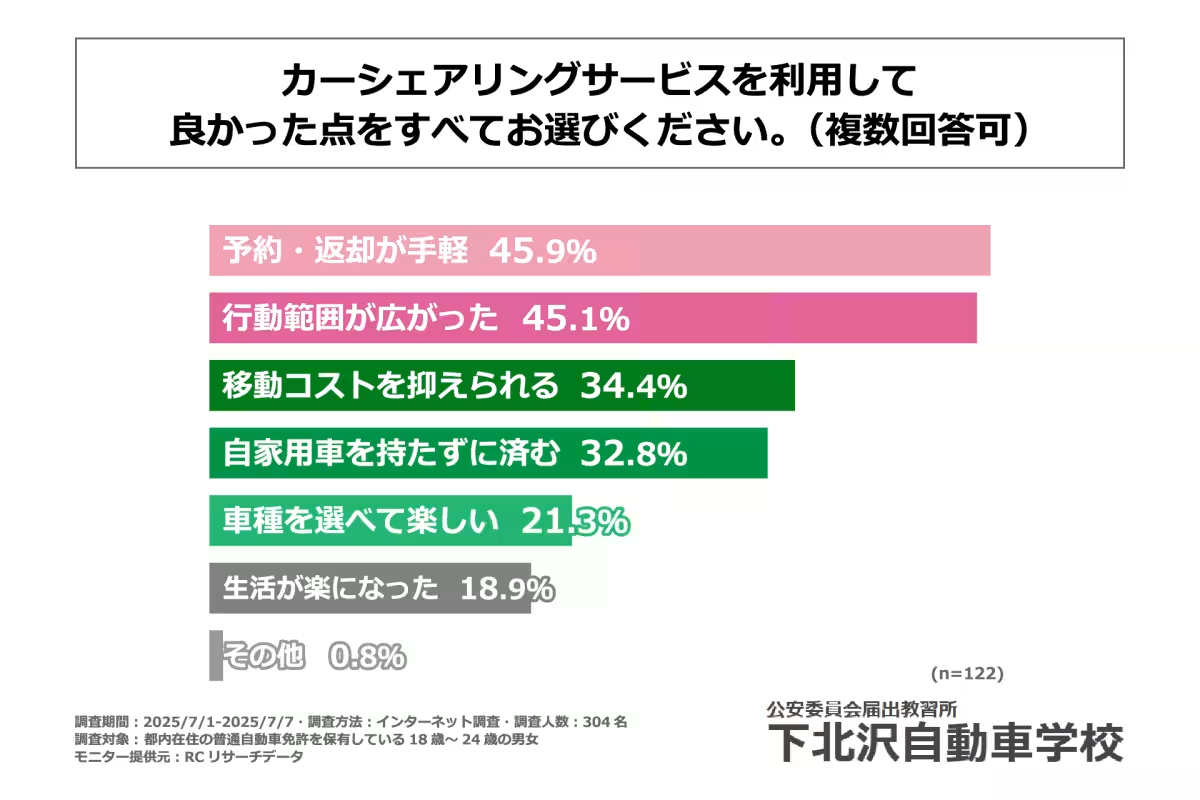
- - Advantages of Car Sharing: Nearly half of the users appreciate the ease of booking and returning vehicles (45.9%) and acknowledge that car-sharing has extended their mobility (45.1%). Additionally, 34.4% feel that it helps reduce travel costs.
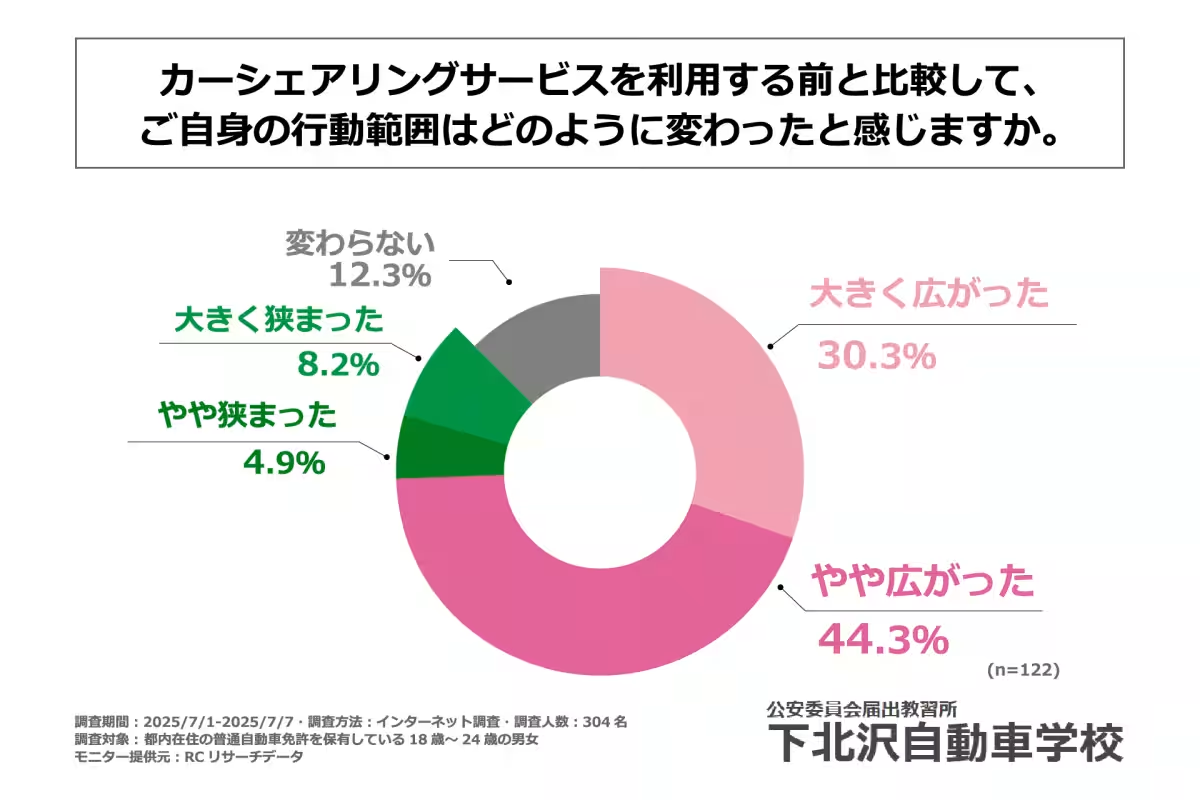
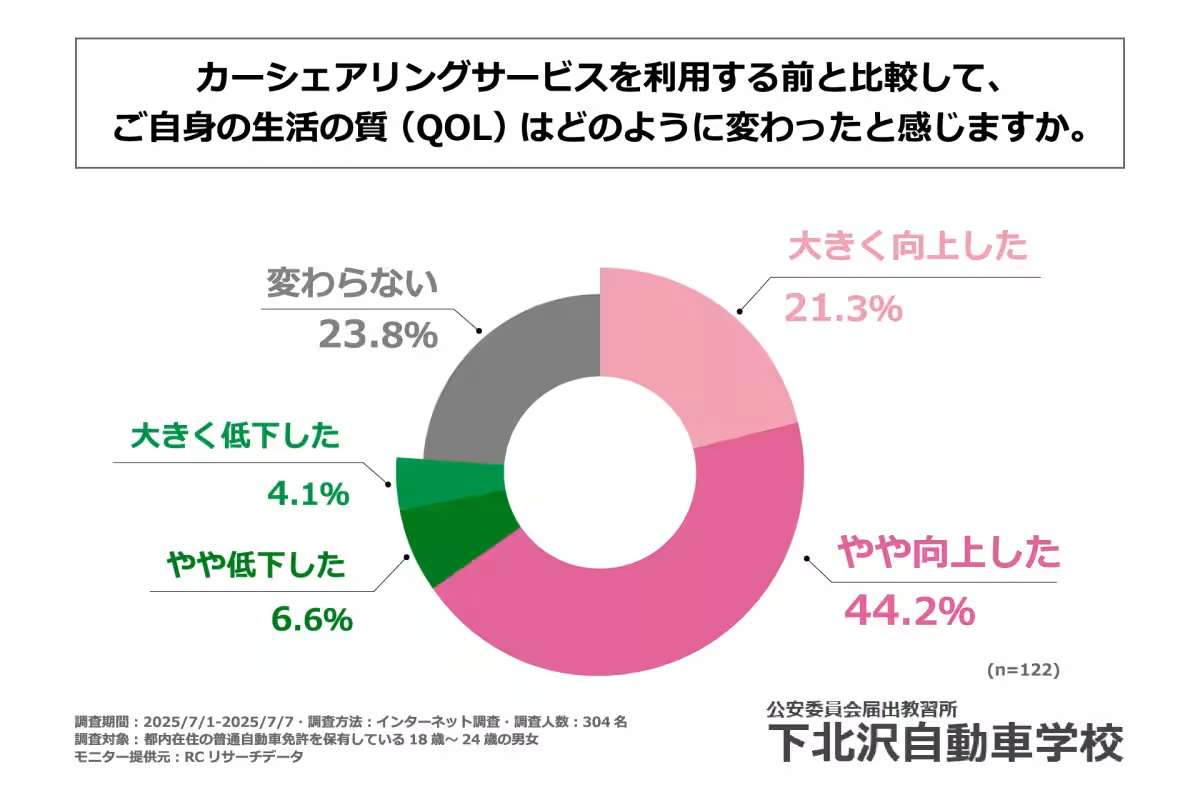
- - Quality of Life Improvement: Approximately 75% of the car-sharing users noted an expanded range of activities following their use of these services, with 65% asserting an improvement in their overall quality of life (QOL).
Implications for Young Drivers
This data reveals a striking transformation in how young licensed drivers view their mobility options. Not only are they embracing car-sharing as a viable alternative to ownership, but many are also experiencing enhanced freedom and quality of life. About 44.2% reported minor improvements in their living standards, while another 21.3% felt significant advancements thanks to the conveniences afforded by car-sharing.
Conclusion
In conclusion, the results of this survey from Shimokitazawa Driving School highlight that a substantial number of young drivers in Tokyo are benefiting from car-sharing services. This shift points to an evolving mindset where ownership is less important than accessibility. The findings underscore the catalyzing role of car-sharing in enhancing mobility and quality of life for this demographic. Shimokitazawa Driving School is committed to fostering a new generation of drivers, supporting them in obtaining their licenses in a short time frame and at a low cost, while also preparing them for a lifestyle enriched by the conveniences of modern transportation options.
For further details about the Driving School and enrollment, visit Shimokitazawa Driving School.

Topics Other)
【About Using Articles】
You can freely use the title and article content by linking to the page where the article is posted.
※ Images cannot be used.
【About Links】
Links are free to use.