



Empowering the Voices of Youth: Policy Proposals from 3,942 Participants in Japan's SDG4 Campaign
Empowering the Voices of Youth in Education Policy
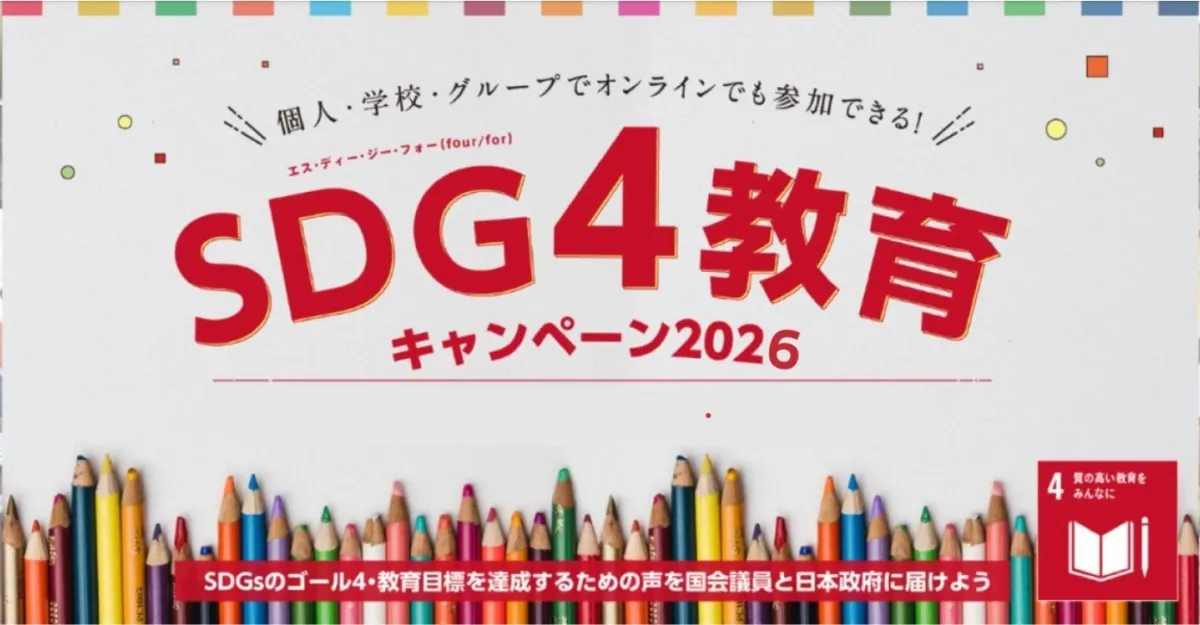
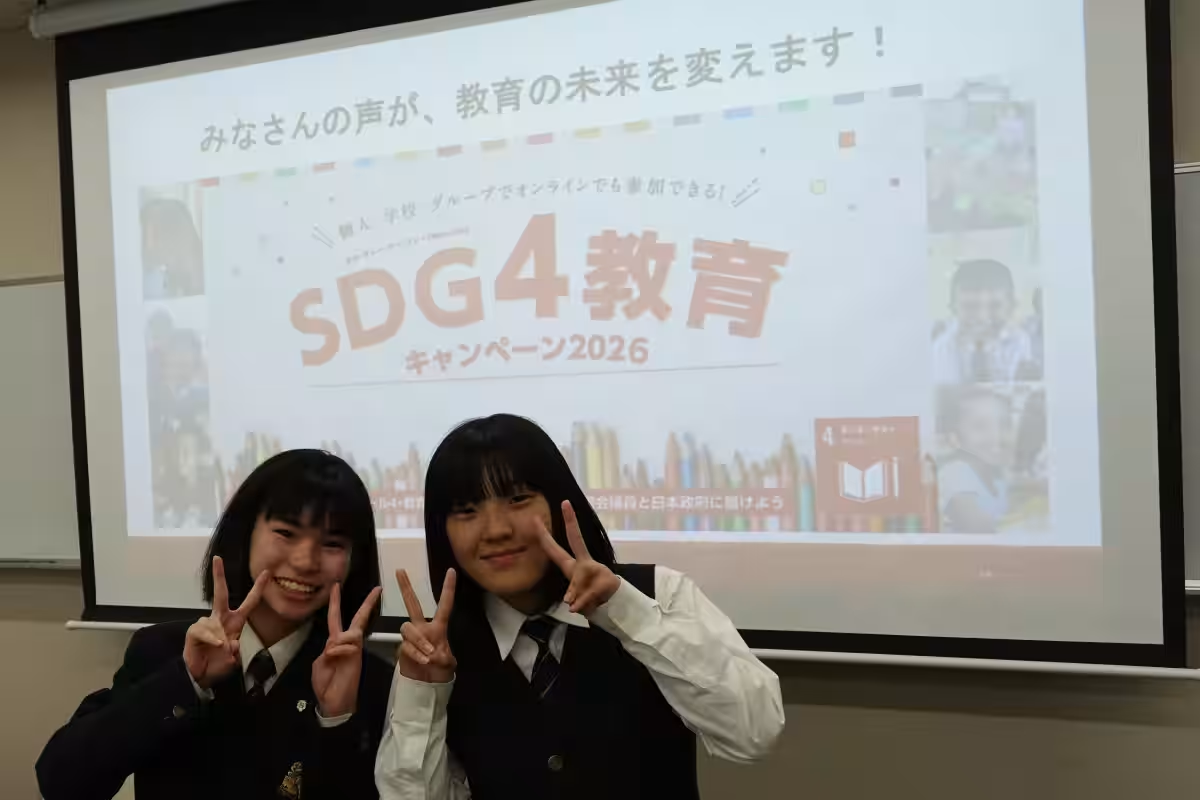
In a remarkable initiative aimed at amplifying the voices of young people in Japan, the NGO Network for Education Cooperation (JNNE) recently shared the findings from their campaign entitled "SDG4 Everyone's Voice Action." This campaign, part of the broader SDG4 Education Campaign 2026, collected insights from an impressive 3,942 participants, including children, students, and citizens across the nation. Their perspectives on both Japanese and global educational challenges were transformed into policy proposals by a group of 18 children and youth members selected through public solicitation.
What is the SDG4 Everyone's Voice Action?
The SDG4 Everyone's Voice Action is a participatory campaign to promote the fourth Sustainable Development Goal (SDG4), which seeks to ensure quality education for all. Throughout 2026, the campaign is structured around four critical themes: 1) Promoting children's rights education, 2) Ensuring educational rights for children of foreign roots, 3) Expanding support for education in emergencies (Education Cannot Wait), and 4) Encouraging the Japanese government to endorse the "School Protection Declaration."
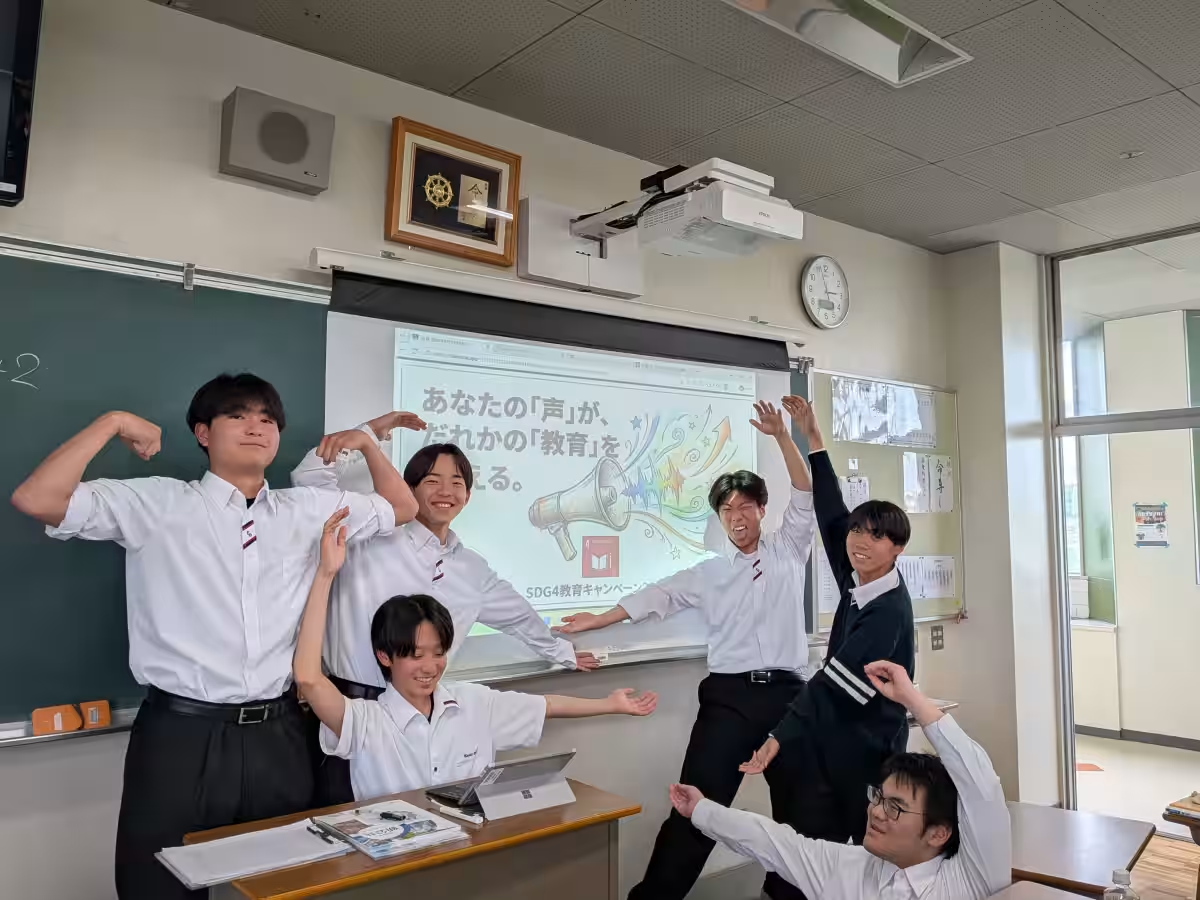
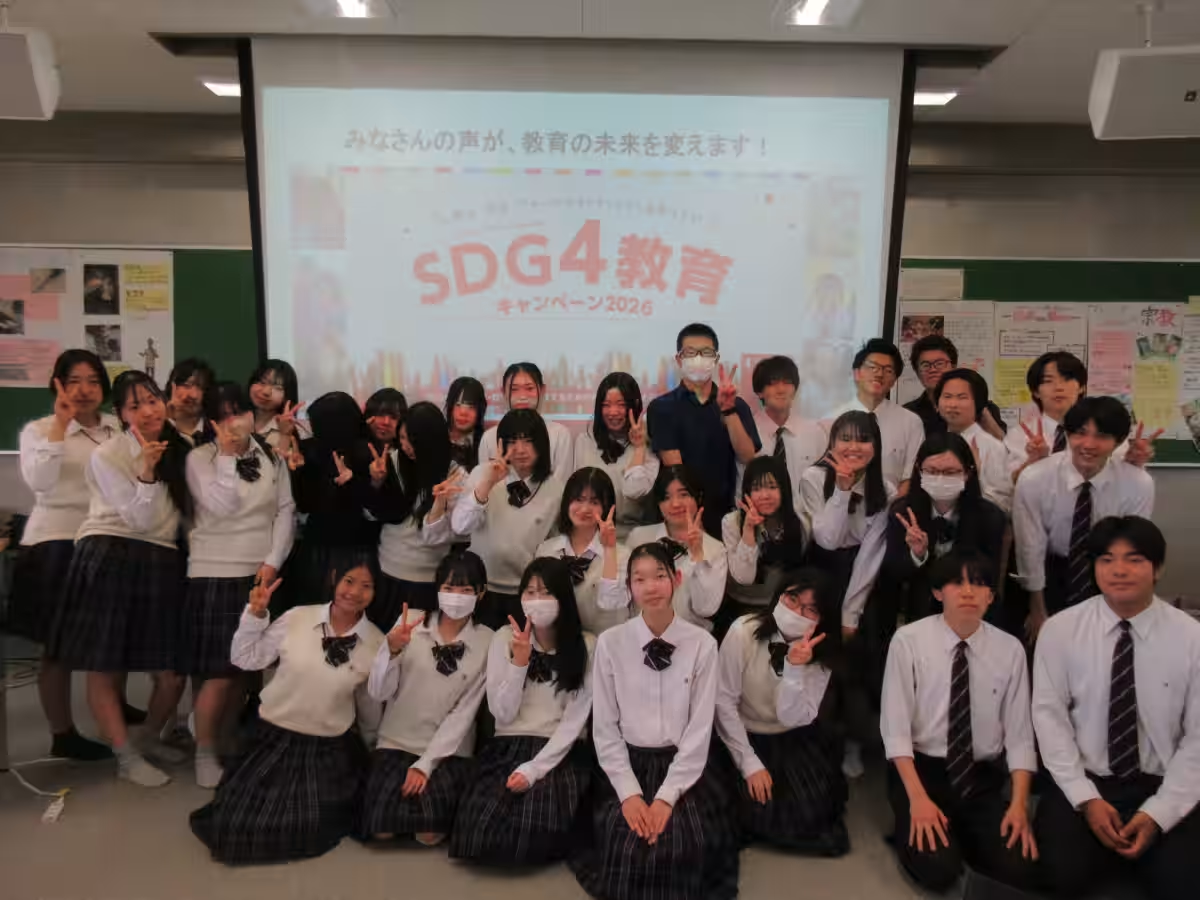
The campaign's outreach included online surveys, classroom discussions, and workshops, resulting in significant engagement from participants nationwide. These themes resonate profoundly with ongoing global conversations on education, illustrating the pressing need for these issues to be addressed in policy-making.
Overview of the Findings
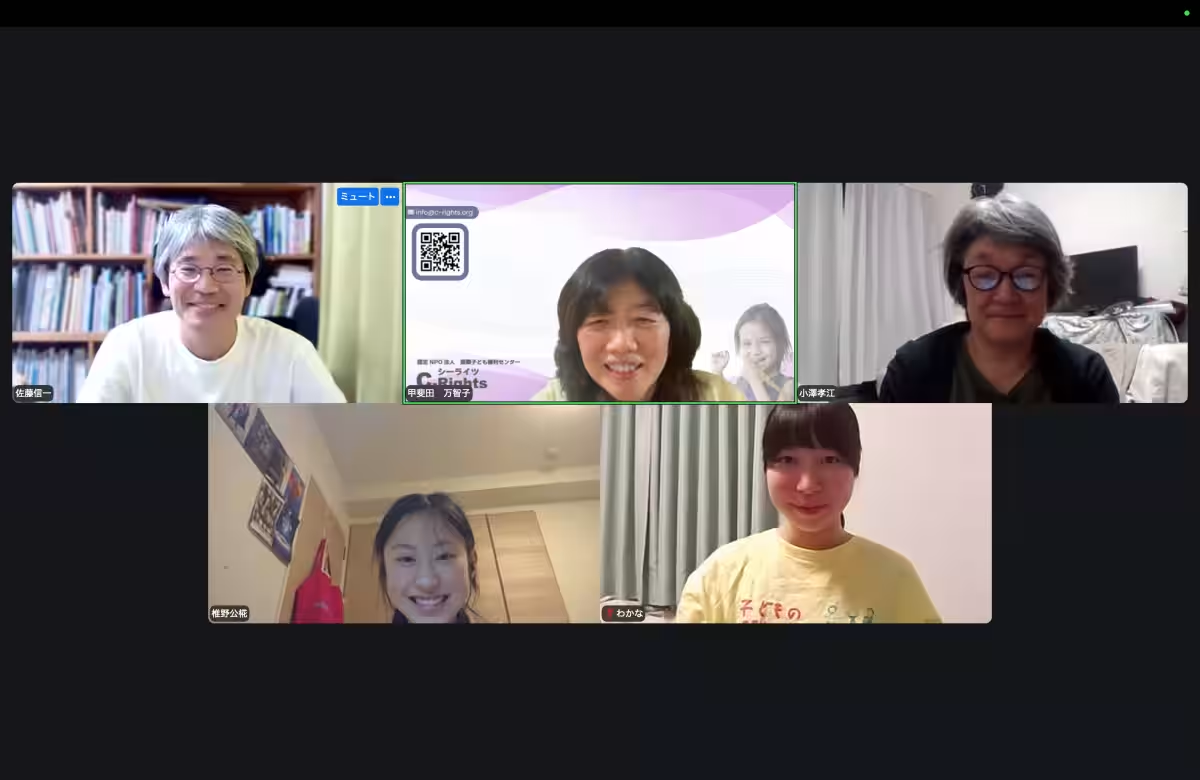
The compilation of responses from the campaign offers rich insight into the sentiments and ideas of the participating youth. The voices gathered include those who have experienced difficulties in education, such as school dropouts, and those from multicultural backgrounds. This diversity of experience has shaped the discussions surrounding their recommendations. The group of 18 youth lobbying members deliberated extensively to formulate their demands, collaboratively crafting a message that reflects their collective experiences and aspirations.
In their statement, the youth emphasized that education is crucial for individual character development and fostering diverse values, asserting it as a fundamental human right necessary for everyone to live with dignity. Their advocacy champions the vision of “leaving no one behind,” which is central to sustainable development goals.
Specifically, their policy proposal encourages the Japanese government to intensify efforts to tackle domestic and international educational inequities. They called for enhanced educational support for children in crises, a protective framework for schools, and stronger advocacy for the educational rights of children from immigrant backgrounds.
Engaging Politicians and Government Departments
From June to July, JNNE, alongside its youth members, will engage in dialogues with various political parties and relevant government departments. They aim to ensure that the voices of the 3,942 participants, along with their proposals, are communicated effectively to decision-makers. This initiative seeks to guarantee that education, as a fundamental right, is prioritized in policy discussions and actions.
The activities spearheaded by JNNE strive to create a society where the aspirations of its citizens, particularly children and youth, are reflected in educational policy. The organization plays an essential role in advocating for a system that values and responds to the voices of a diverse and young populace.
About the SDG4 Education Campaign
The JNNE is a network organization comprised of international cooperation NGOs focused on educational issues. Each year, they organize the SDG4 Education Campaign in conjunction with the Global Action Week for Education, conducting awareness and policy advocacy activities that emphasize the right to education.
The future of Japan’s education system is brighter when the voices of its youth are not just heard, but prioritized. This campaign, driven by passionate young individuals eager to enact change, sets a powerful precedent for youth engagement in policy-making, proving that when empowered, they can lead the charge for transformative educational reform.
Topics People & Culture)

【About Using Articles】
You can freely use the title and article content by linking to the page where the article is posted.
※ Images cannot be used.
【About Links】
Links are free to use.