



S-PORT: Japan's New Semiconductor Talent Development Center Launch Event in Sasebo
S-PORT: Launching a New Era of Semiconductor Talent Development in Japan
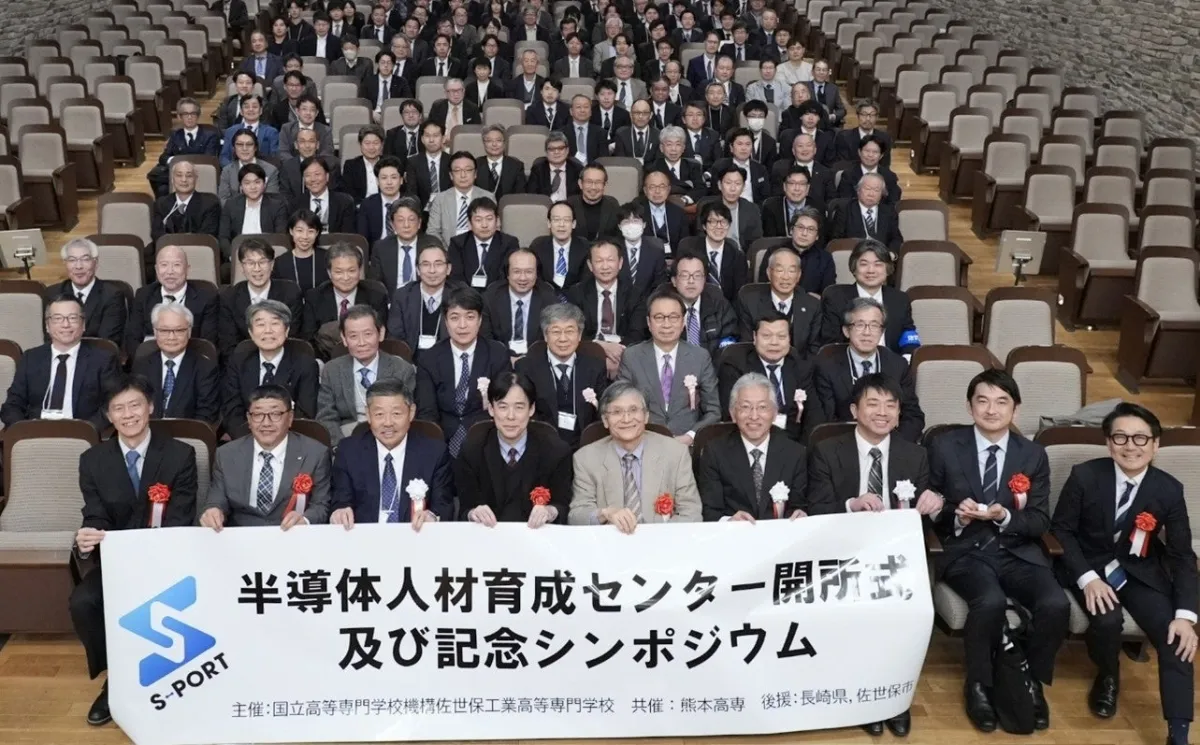
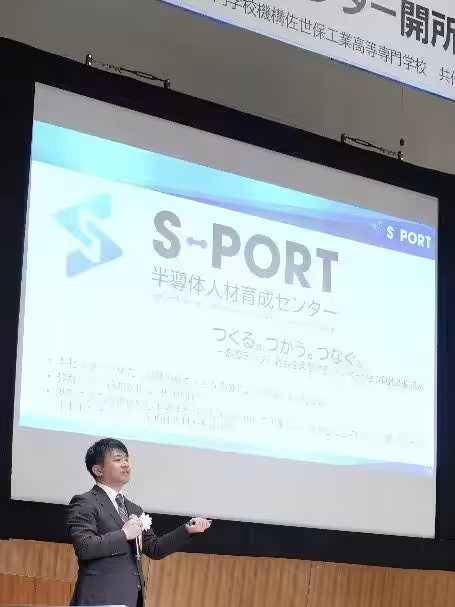
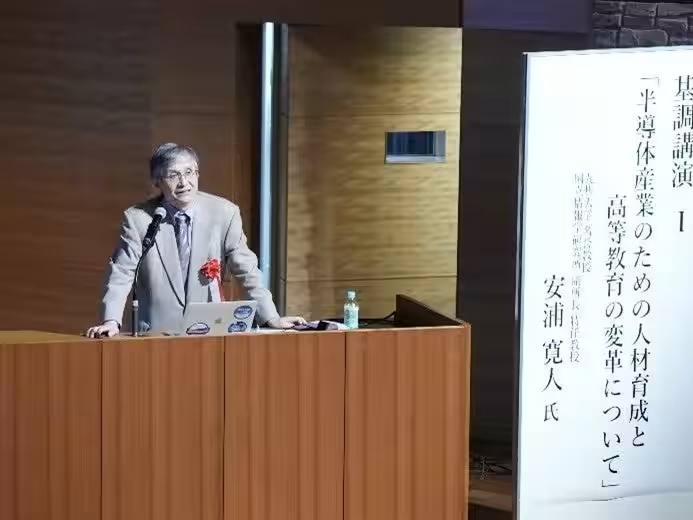
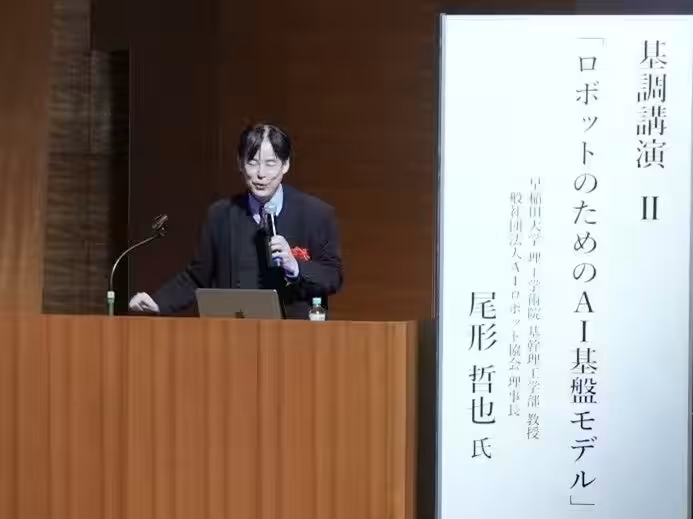
On March 17, 2023, the S-PORT (Semiconductor Education Platform for Orchestrating Resources & Talents) opened in an event attended by approximately 200 participants from various sectors. This includes representatives from 45 semiconductor companies, 4 financial institutions, and various government agencies, all coming together at the Arukas Sasebo to discuss the urgent need for skilled professionals in Japan’s semiconductor industry.
The establishment of S-PORT comes amid growing concerns over global semiconductor supply shortages and a significant skills gap in the field. This new center aims to cultivate not just individuals with manufacturing technology expertise but also those who possess a comprehensive understanding of the industry.
The Essence of S-PORT
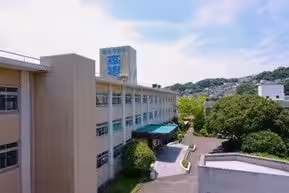
The acronym S-PORT emphasizes an educational platform that synergistically consolidates people, resources, talents, and knowledge. Built upon the findings from the COMPASS 5.0 initiative, launched in collaboration with Kumamoto National College of Technology in the 2022 academic year, S-PORT is positioned as a core site within Japan’s higher technical education framework specializing in semiconductor talent development.
Insights from Government Officials
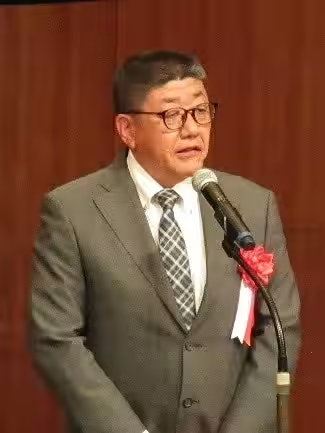
During the opening ceremony, key stakeholders from government, industry, and academia expressed their optimism regarding the center:
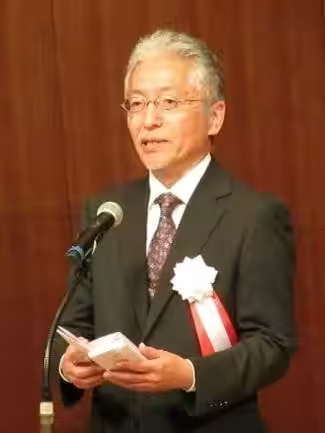
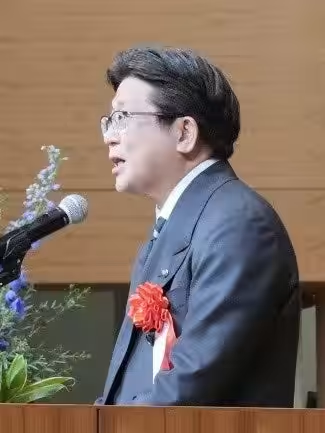
- - Sadayuki Shimoda, Principal of Sasebo National College of Technology, stated, “From here, we will cultivate semiconductor professionals who can lead globally.” He highlighted the center's foundation on the achievements of the COMPASS 5.0 initiative, aiming for an open educational ecosystem integrated with the immediate demands of the workforce.
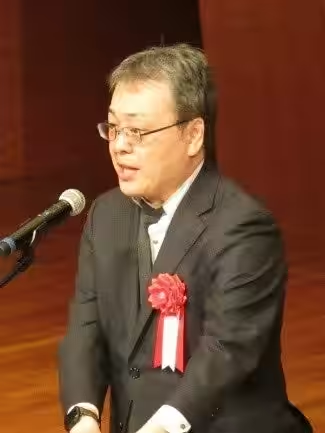
- - Hidetoh Matsumoto, Director at the Ministry of Education, reiterated that S-PORT is a vital key in national semiconductor workforce development, stating that it will bolster the connection between higher education and the industry.
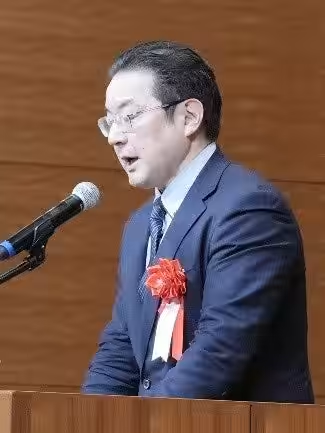
- - According to Makoto Kusunoki, Director at the Kyushu Bureau of Economy, Trade, and Industry, the initiative aims to support semiconductor growth in Kyushu, reflecting the region’s significance in Japan's semiconductor manufacturing sector.
A Vision for the Future
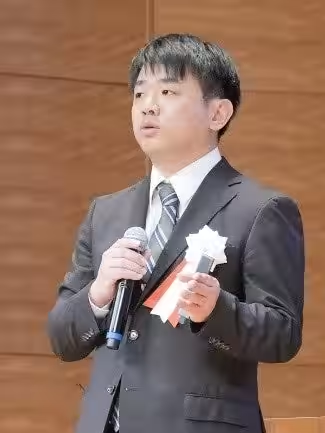
S-PORT’s objectives are to develop a workforce that embodies the capabilities to “create, use, and connect” within the semiconductor domain as articulated by S-PORT Center Head, Takeshi Inohara. This model underscores the need for professionals who can design semiconductor devices, apply AI and robotics, and facilitate the integration of cyber-physical systems.
The center also aims to eliminate barriers, encouraging the realization of innovative solutions through collaborative efforts among various stakeholders, including academia, industry, and local governments.
SASEBO's Unique Offering: Minimal Fab
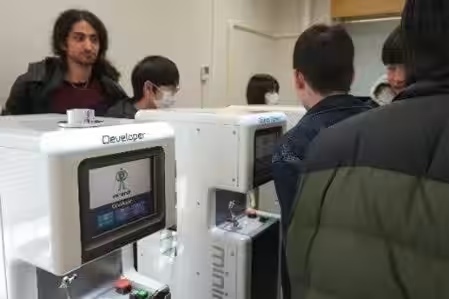
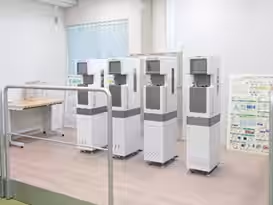
A distinctive feature that sets Sasebo National College of Technology apart is its “Minimal Fab,” a facility that encourages students to design and prototype devices without the need for extensive industrial-scale manufacturing. This will empower students to not only conceptualize but also bring their ideas to fruition, ultimately contributing to the development of competent semiconductor engineers.
Next Steps for S-PORT
The future trajectory for S-PORT includes:
1. National Expansion and Network Deepening: Collaborating with 51 national colleges to distribute knowledge, teaching materials, and training environments across Japan.
2. Reskilling as Social Infrastructure: Providing reskilling opportunities for both students and incumbent professionals to meet evolving demands in the industry.
3. Development as an Industry-Academia Collaboration Hub: Facilitating joint research, commissioned projects, and talent exchange to enhance Japan’s semiconductor sector’s competitiveness.
Celebrating Student Contributions
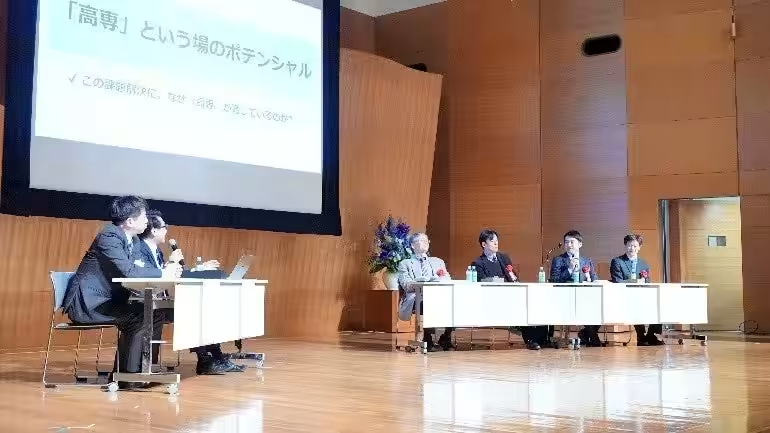
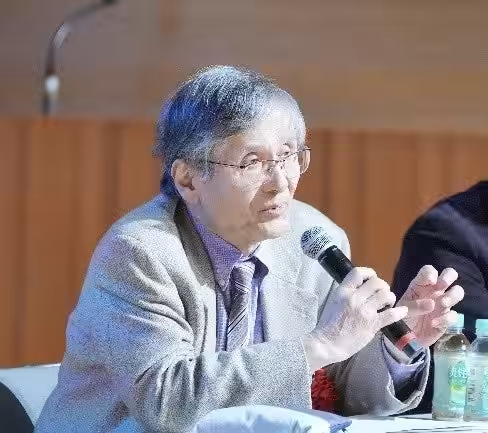
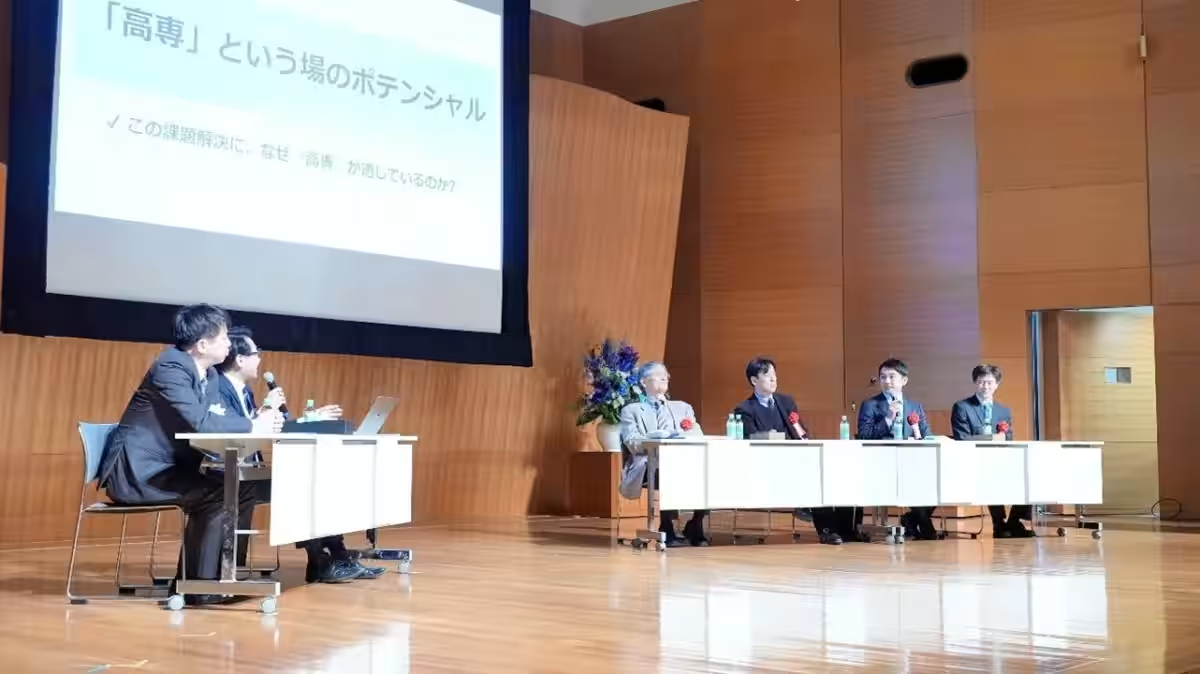
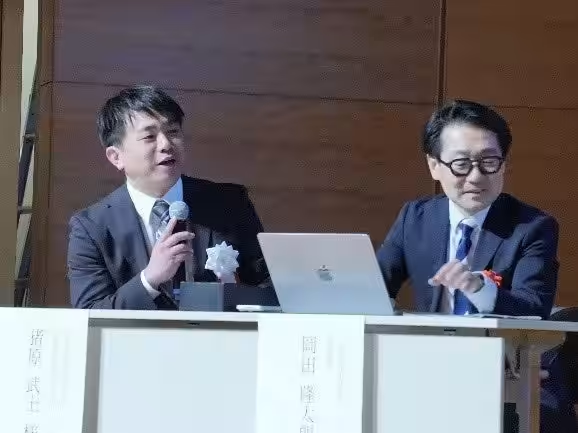
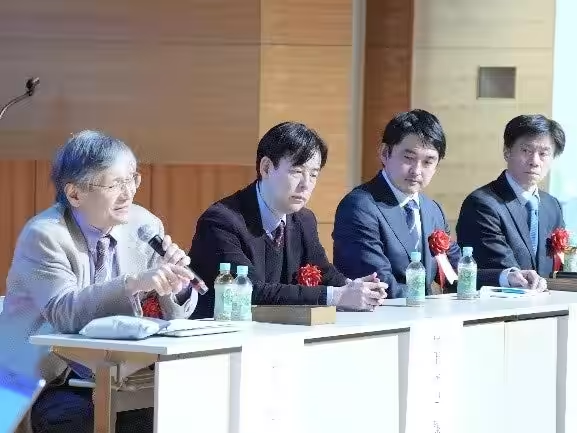
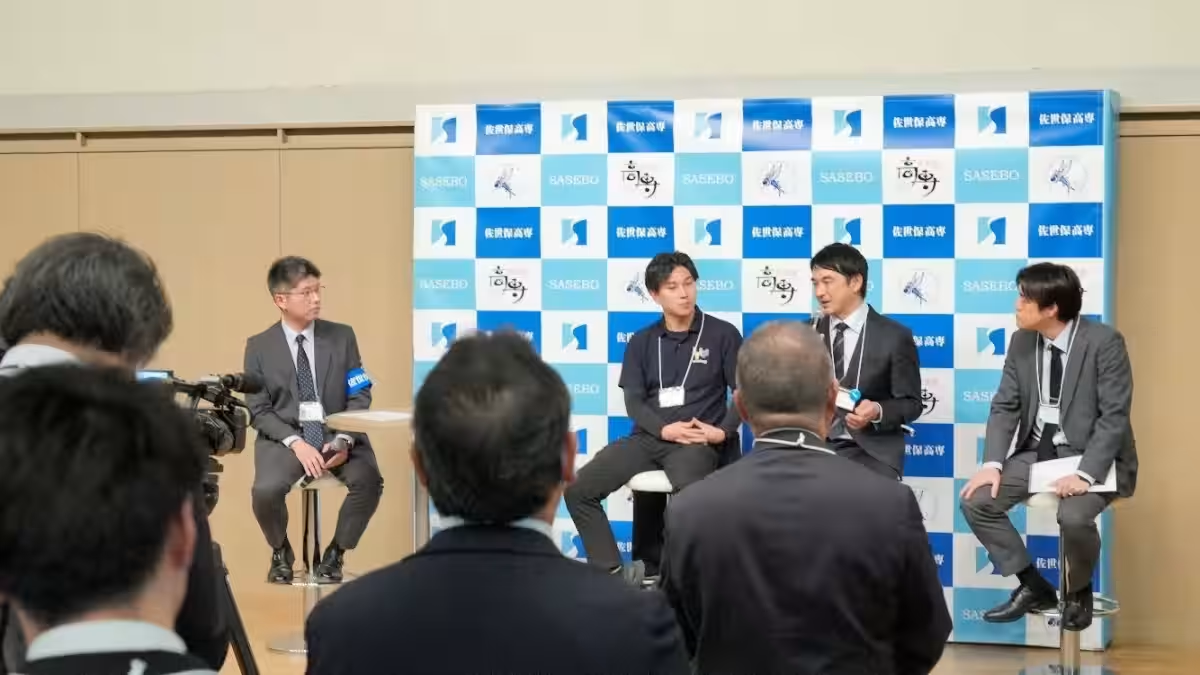
The opening ceremony was followed by a symposium featuring a lively panel discussion among leading professionals in fields relating to semiconductors, AI, and robotics, emphasizing the transformative potential of education and industry collaboration.
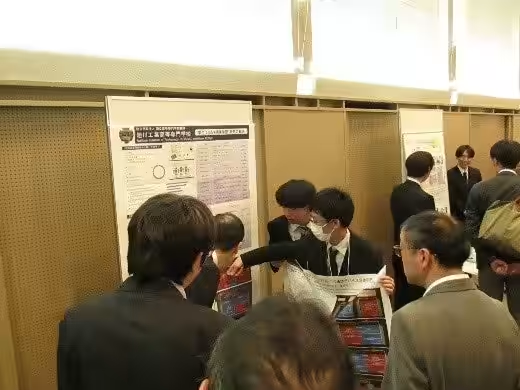
In addition, one of the highlights of the event was the “Kosen Future Co-Creation Session,” where students presented their research and experiences. This engaging forum enabled direct interaction with industry leaders, allowing students to showcase their potential as the next generation of engineers.

Topics Other)
【About Using Articles】
You can freely use the title and article content by linking to the page where the article is posted.
※ Images cannot be used.
【About Links】
Links are free to use.