




Significance of Acknowledgment in Women's Work Satisfaction: Insights from a Survey
Importance of Recognition in Women's Job Satisfaction
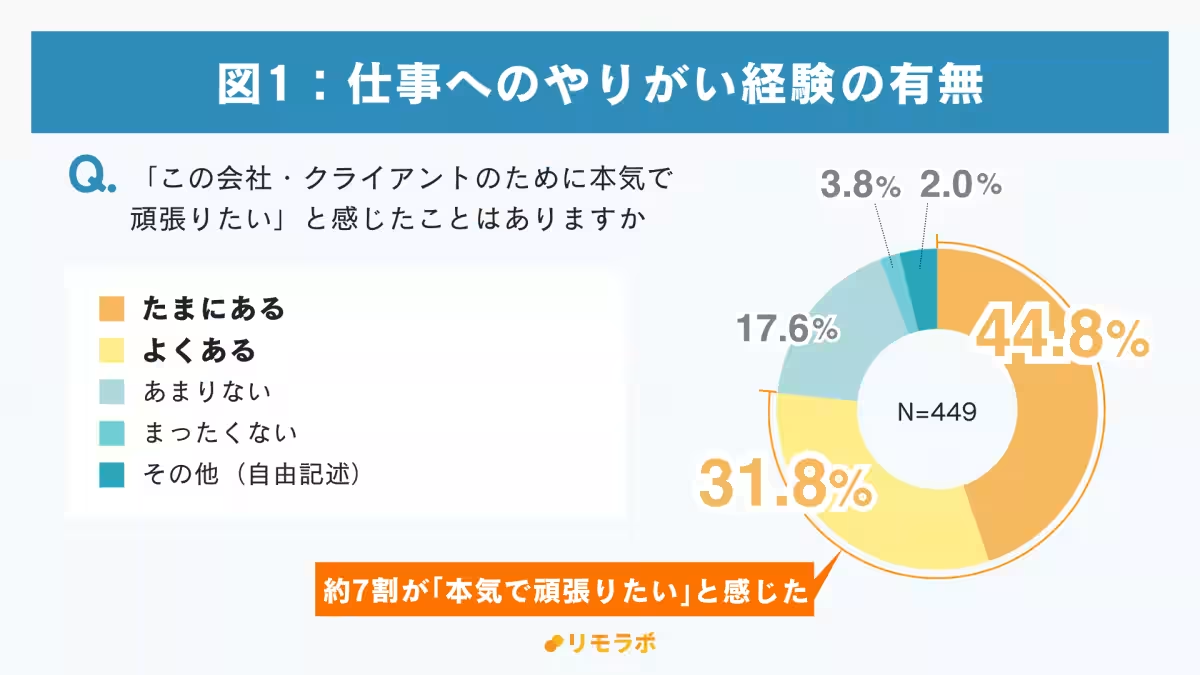
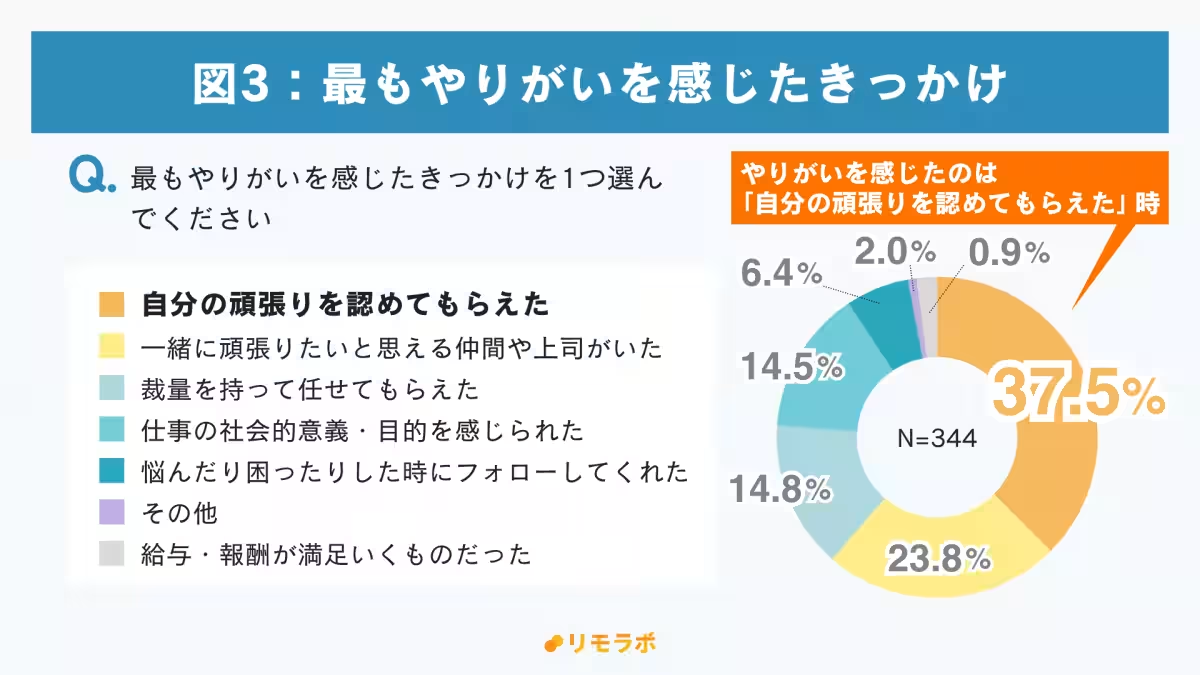
In a recent survey conducted by Remolabo, a remote work school in Shibuya, Tokyo, it was found that over 70% of working women felt a deep sense of motivation in their jobs primarily due to their efforts being acknowledged. This insightful survey collected responses from 449 female members of Remolabo, revealing that recognition trumps monetary rewards regarding workplace satisfaction.
Key Findings from the Survey
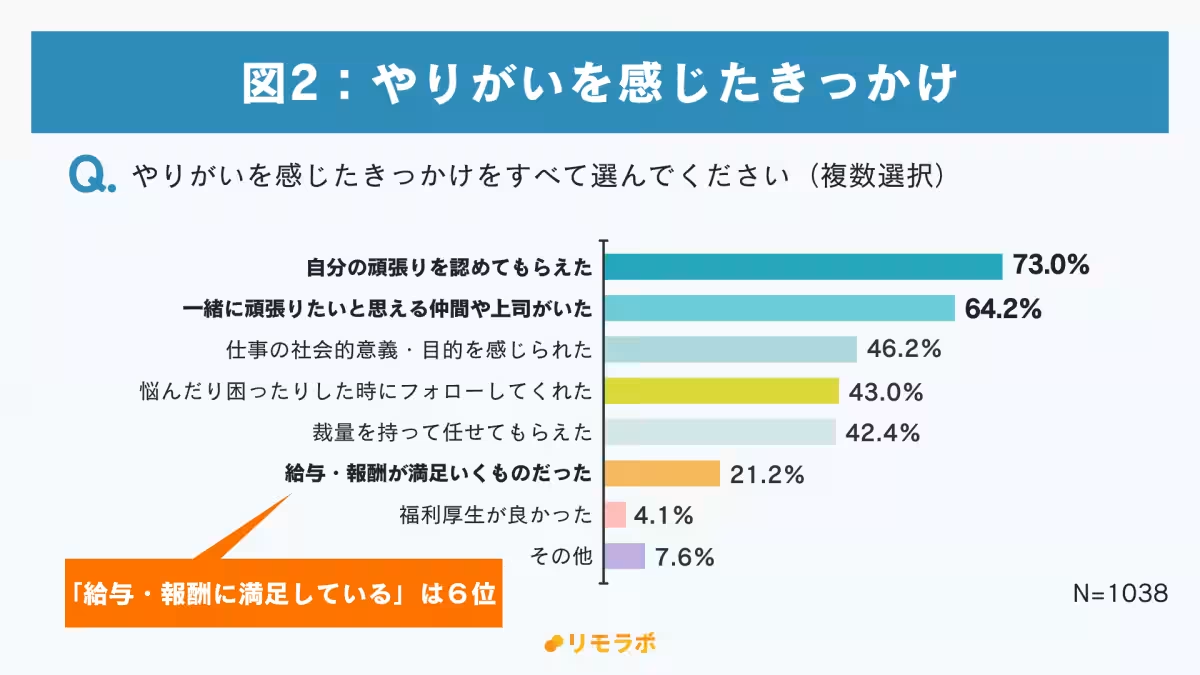
Approximately 76.6% of participants reported feeling a genuine desire to give their best for their company or clients. The most significant contributing factor, at 73.0%, was being recognized for their hard work, while satisfaction with salary or rewards ranked much lower at 21.2%.
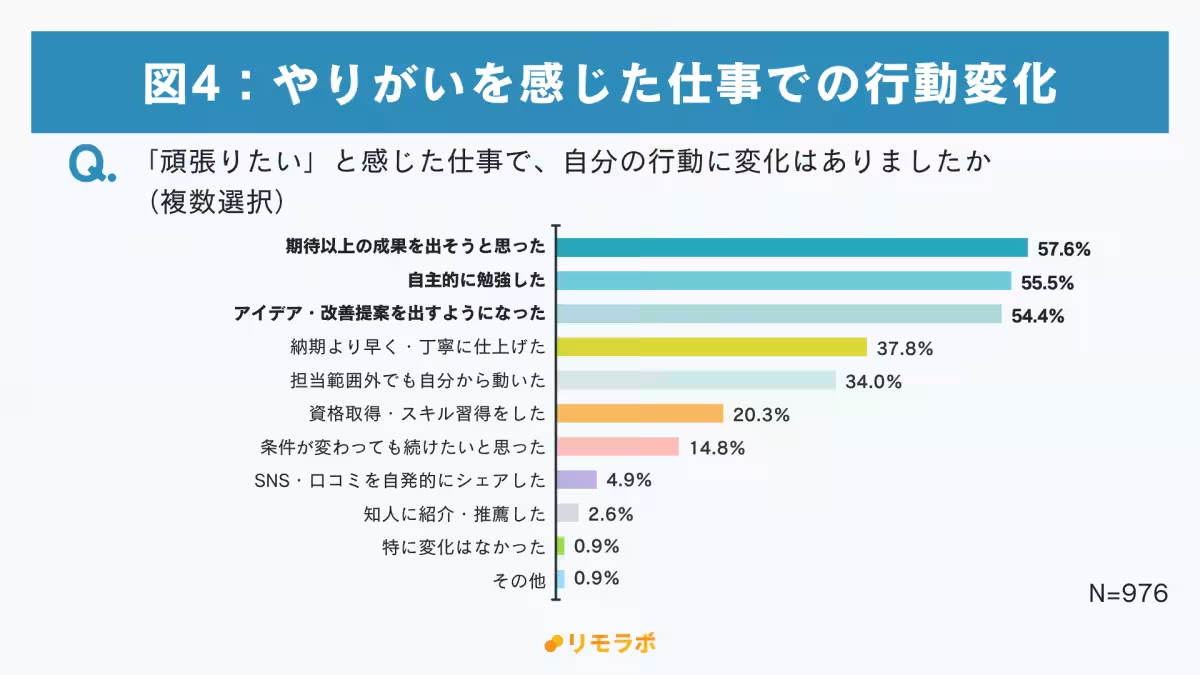
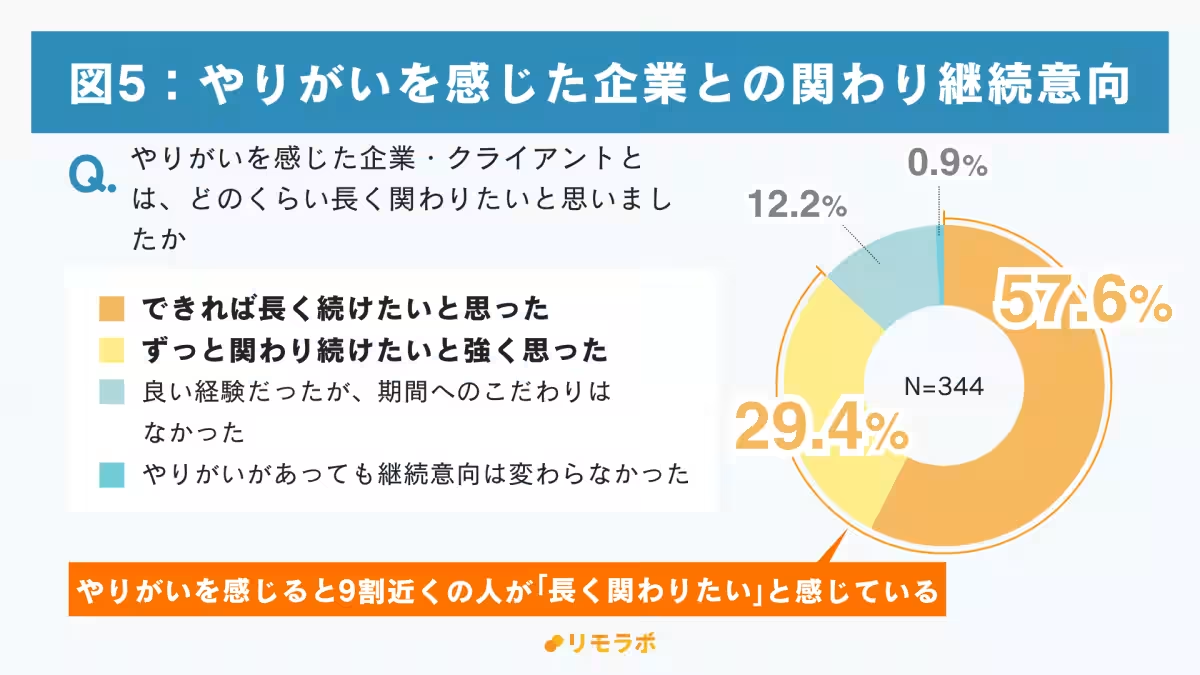
The survey also indicated that about 60% of respondents aimed to achieve results exceeding expectations at work where they felt recognized. Many disclosed that they started self-studying or actively proposed ideas and improvements, underscoring how meaningful work can lead to increased proactivity and behavior changes. A striking 87.0% expressed a desire for long-term engagements with companies or clients where they feel valued, demonstrating a robust link between motivational factors and continued workplace relationships.
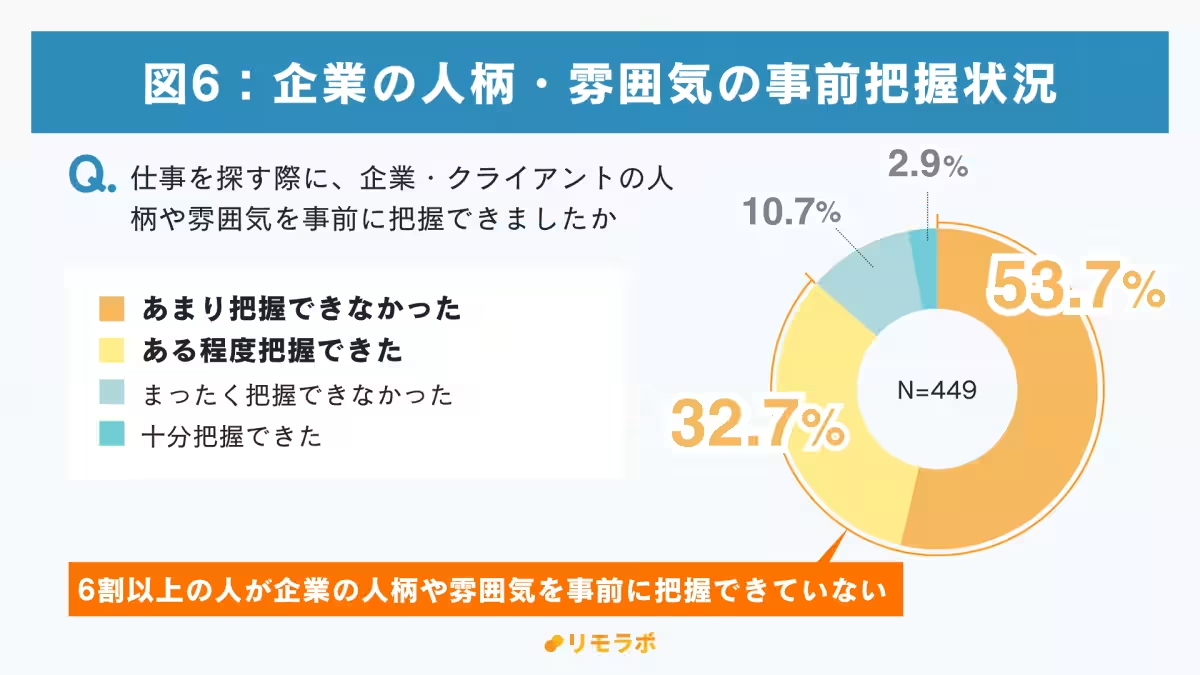
However, the survey also revealed a concerning trend regarding the hiring phase. Only 2.9% felt they adequately understood the company or client's culture before starting, as over half indicated insufficient insights, exposing a potential mismatch in expectations during the initial introduction phase.
Demand for Matching Services
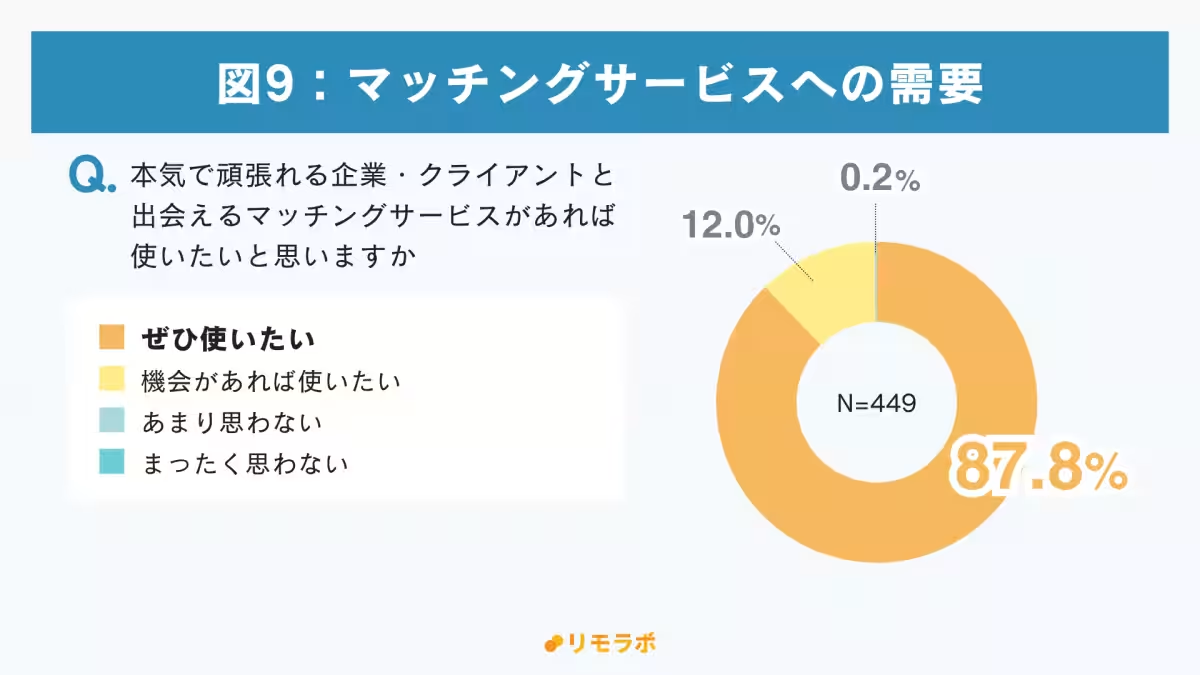
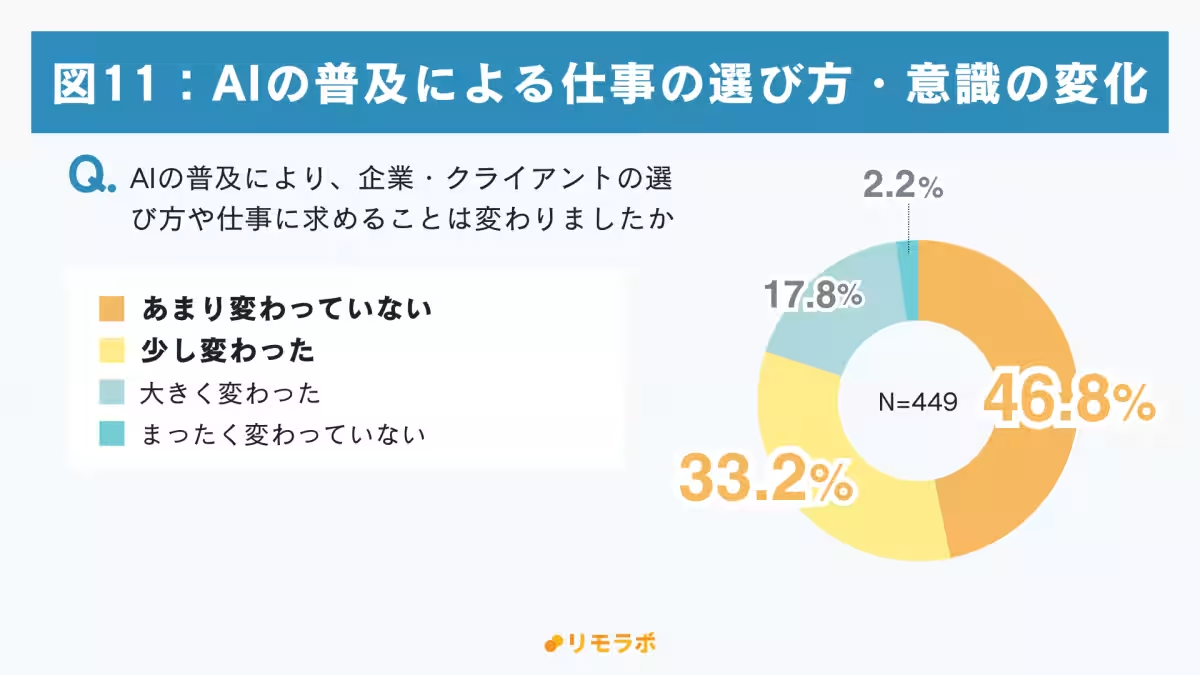
With 87.8% of women expressing an interest in a matching service that connects them with companies where they can truly invest their efforts, a strong demand for platforms facilitating meaningful work relationships emerges. Furthermore, nearly half of the participants acknowledged that the rise of AI has transformed their job search criteria and expectations, leading to a growing willingness to explore previously unconsidered fields.
The Role of Interpersonal Connections
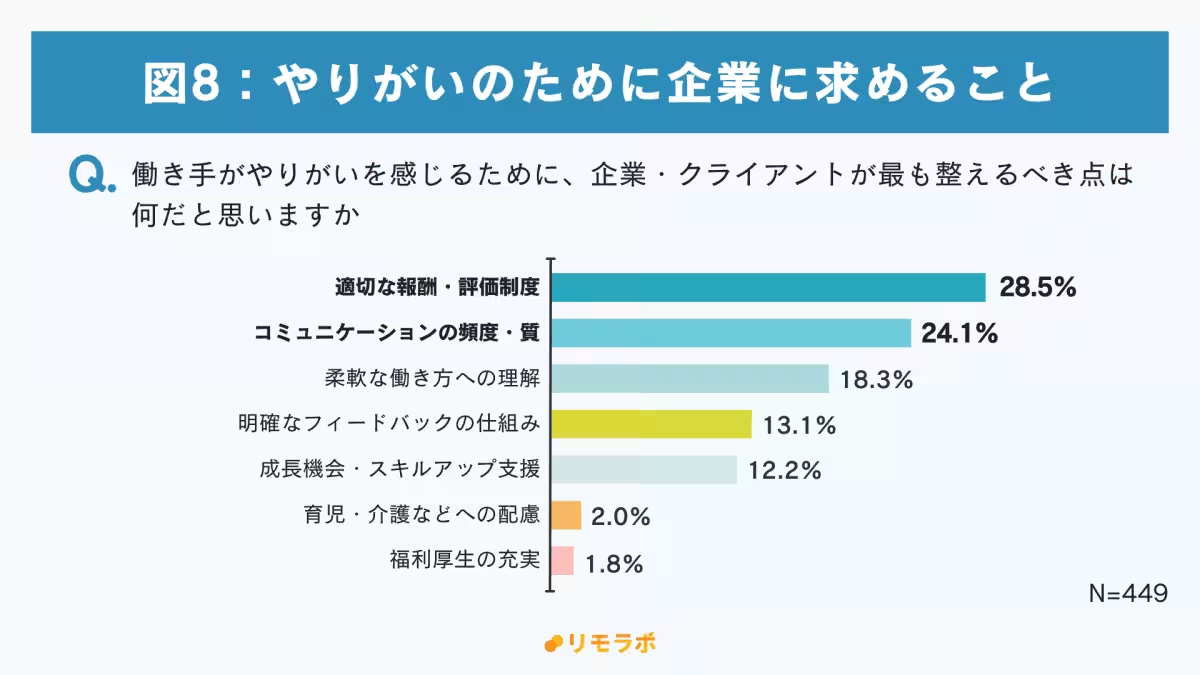
The survey stressed that interpersonal recognition and communication significantly influence workplace motivation rather than financial compensation. Effective communication, daily acknowledgments, and a supportive work environment play critical roles in determining a worker’s motivation and engagement levels. It appears that creating an environment that fosters worker satisfaction extends beyond compensatory measures, constituting proactive and encouraging workplace culture.
Implications for Employers
Businesses focusing solely on financial aspects for recruitment and retention could miss a crucial element of employee satisfaction. This survey suggests that open communication and acknowledgment could yield extraordinary results with minimal associated costs compared to traditional compensation adjustments. By fostering a fulfilling workplace environment, companies could not only enhance employee satisfaction but also catalyze their employees' proactive measures for improvement and retention.
Bridging the Gap in Understanding Company Culture
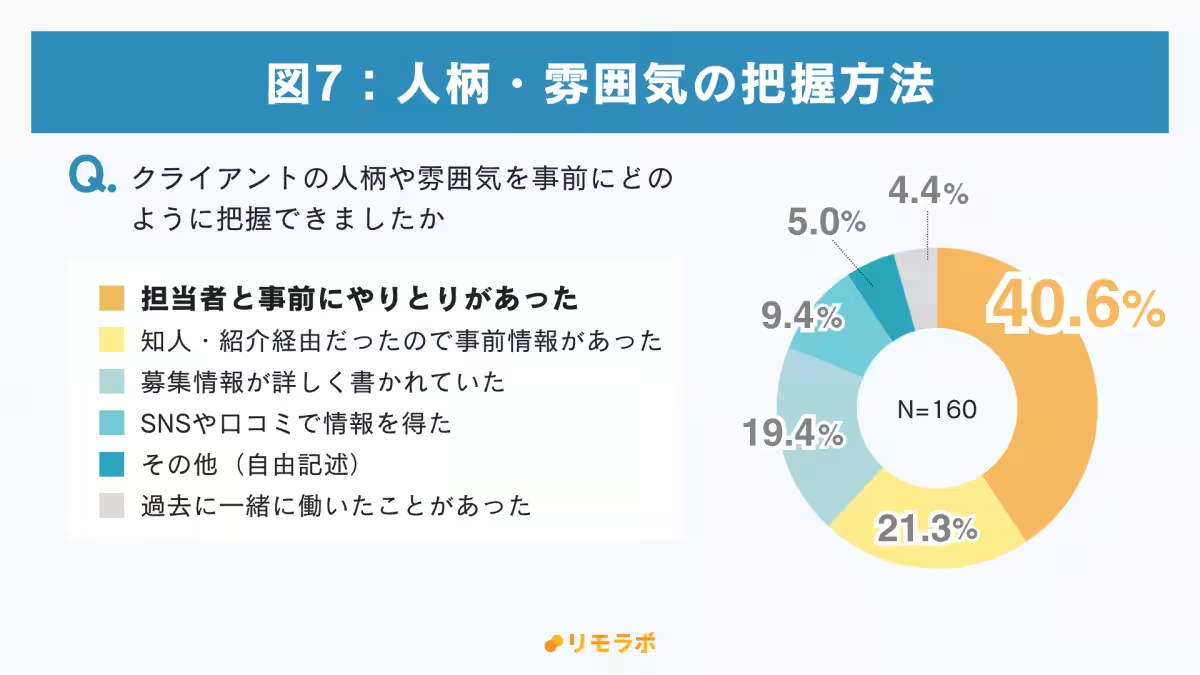
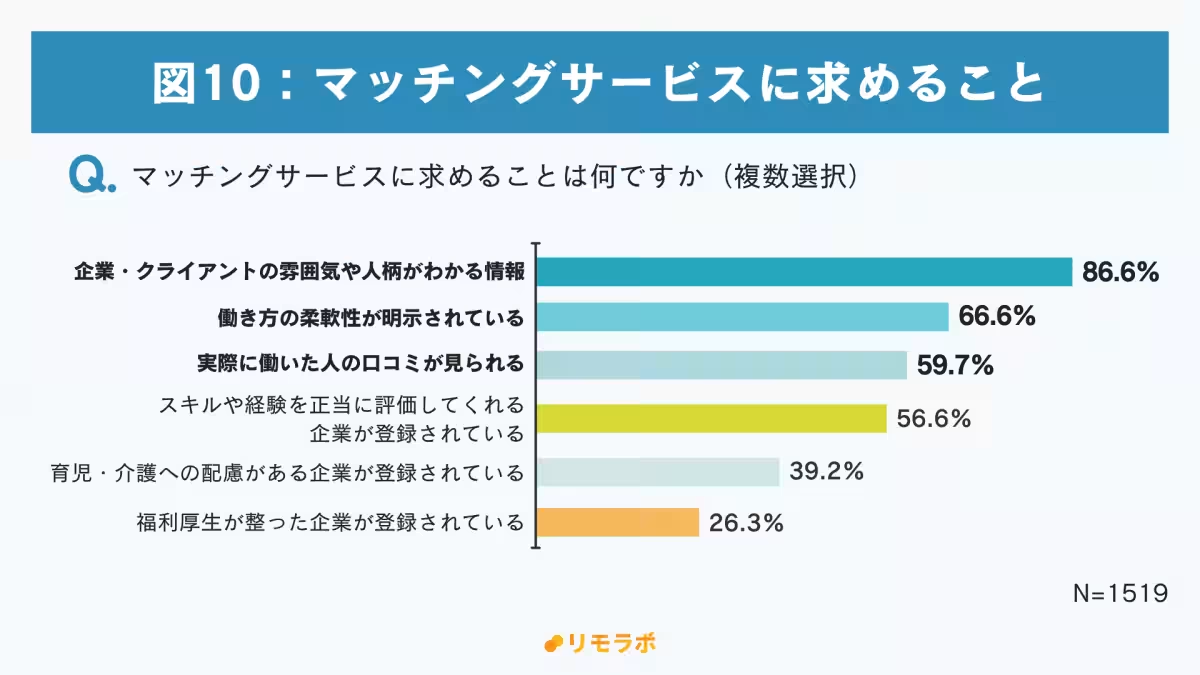
The data highlighting that less than half of employees can assess a company’s culture before joining illustrates a stark reality. This gap poses challenges in creating rewarding workplace environments where employees can feel genuinely fulfilled. A matching service identifying company traits such as culture, flexibility, and feedback from previous employees may assist in aligning expectations at the hiring stages.
The Influence of AI
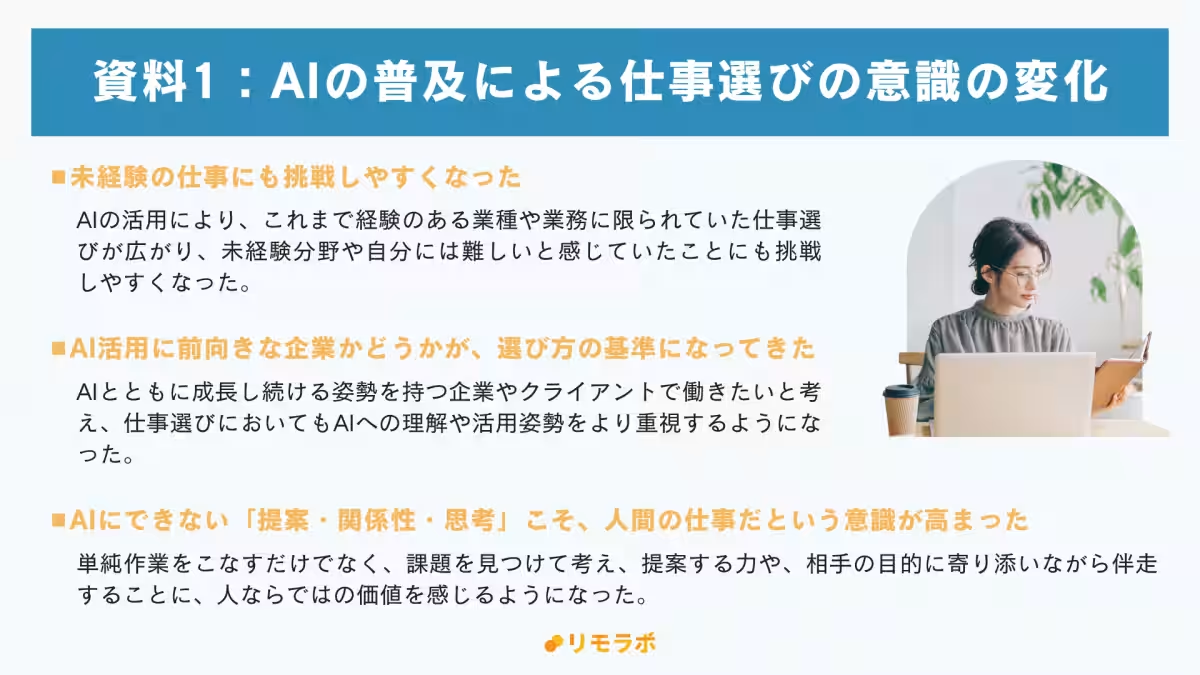
The influence of AI on job seekers’ criteria also cannot be overlooked. Around half of the women surveyed indicated that AI's growing role in the workplace has shifted their expectations towards embracing new technologies and taking on challenges in unfamiliar domains.
Conclusion
The exploration of job satisfaction among women revealed that acknowledgment from employers, rather than monetary compensation, is the key driver of motivation. However, the challenge lies in recognizing the importance of understanding workplace culture even before employment begins. In response to these insights, Remolabo strives to continue addressing the challenges associated with remote work and aims to support women's career journeys seamlessly. Their commitment to creating a supportive framework for women is not just commendable but essential in fostering future opportunities and ensuring long-term engagement in a thriving work environment.



Topics People & Culture)
【About Using Articles】
You can freely use the title and article content by linking to the page where the article is posted.
※ Images cannot be used.
【About Links】
Links are free to use.