



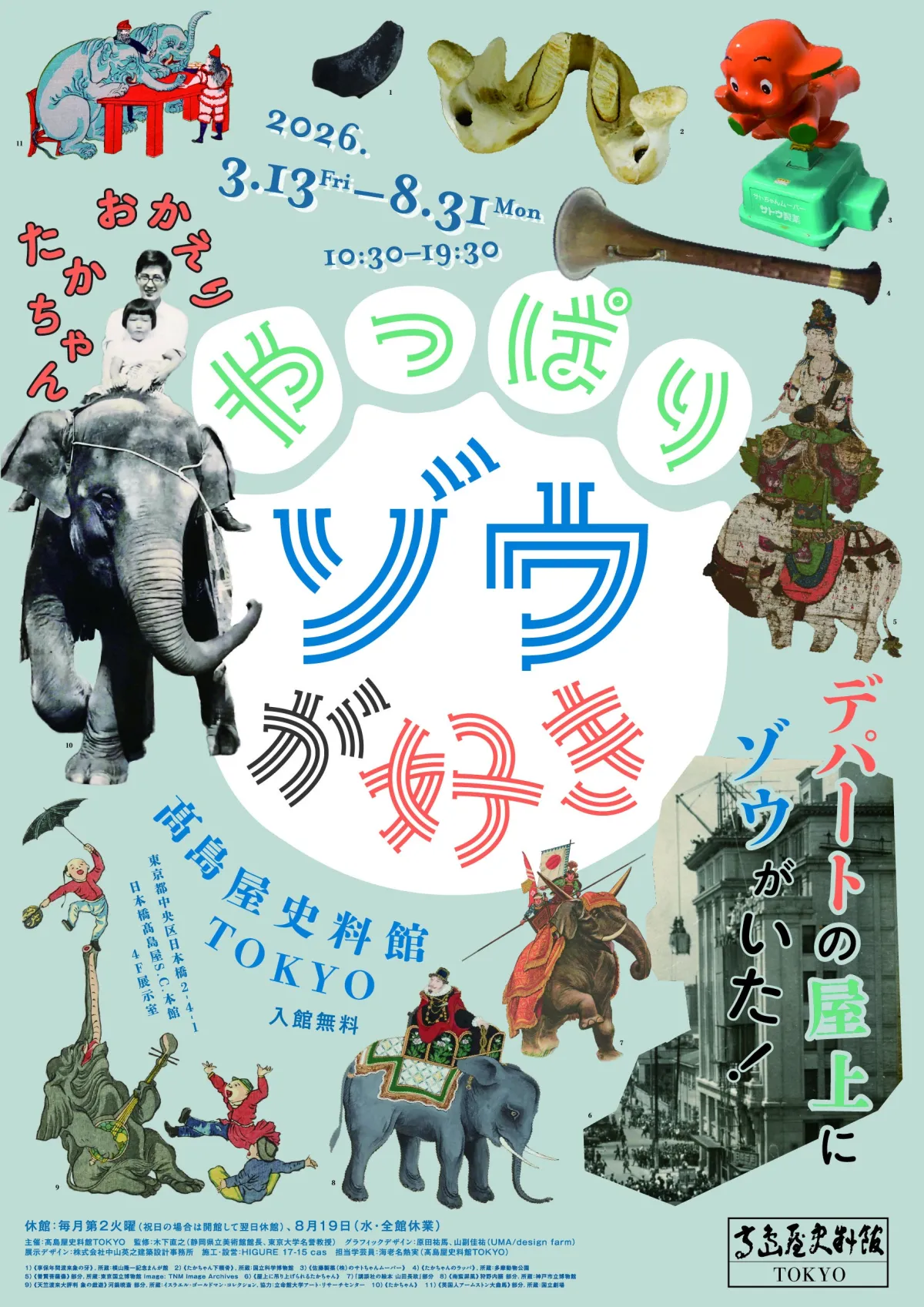
Discover the Fascinating History of Takachan the Elephant at Takashimaya Museum in Tokyo
Takashimaya Museum Tokyo Presents: "I Love Elephants: Takachan on the Rooftop"
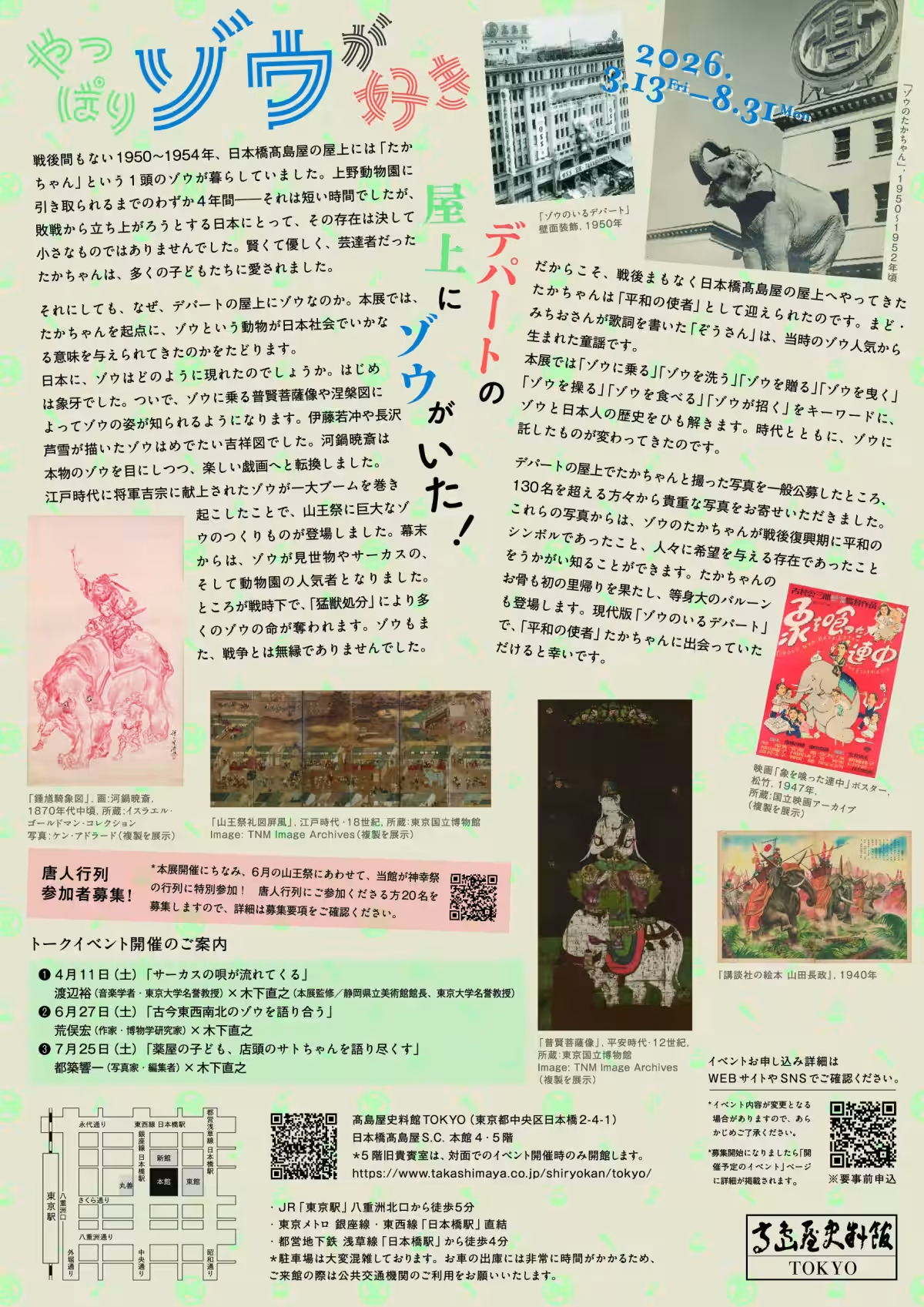
The Takashimaya Museum in Tokyo invites you to delve into a captivating exhibition titled, "I Love Elephants: Takachan on the Rooftop!" This event, running from March 13 to August 31, 2026, traces the extraordinary story of Takachan, the elephant who became a symbol of hope during Japan's post-war recovery. The museum is located on the 4th floor of the building at Nihonbashi, and entrance is free, allowing everyone to appreciate this unique slice of history.
A Unique Historical Journey
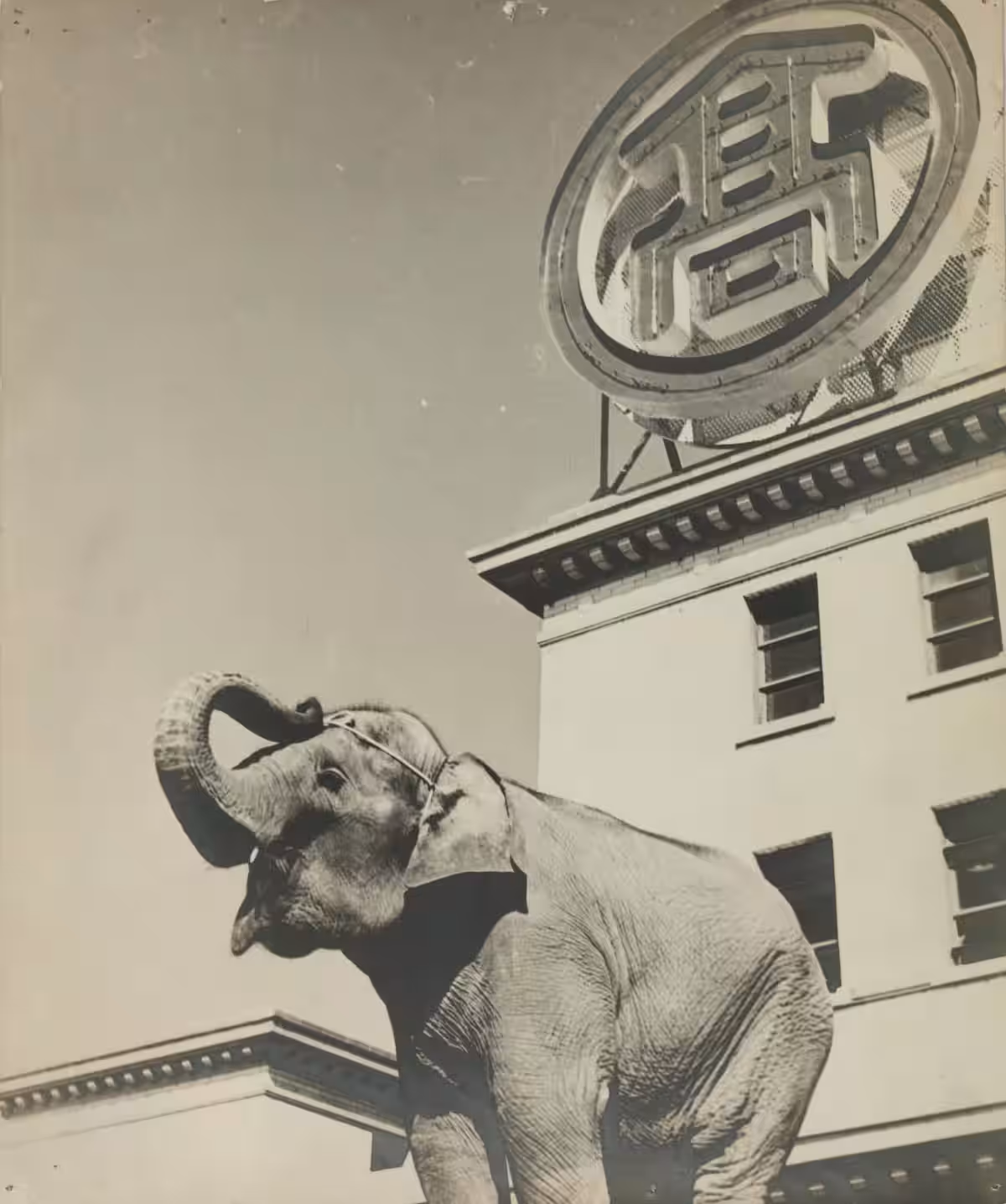
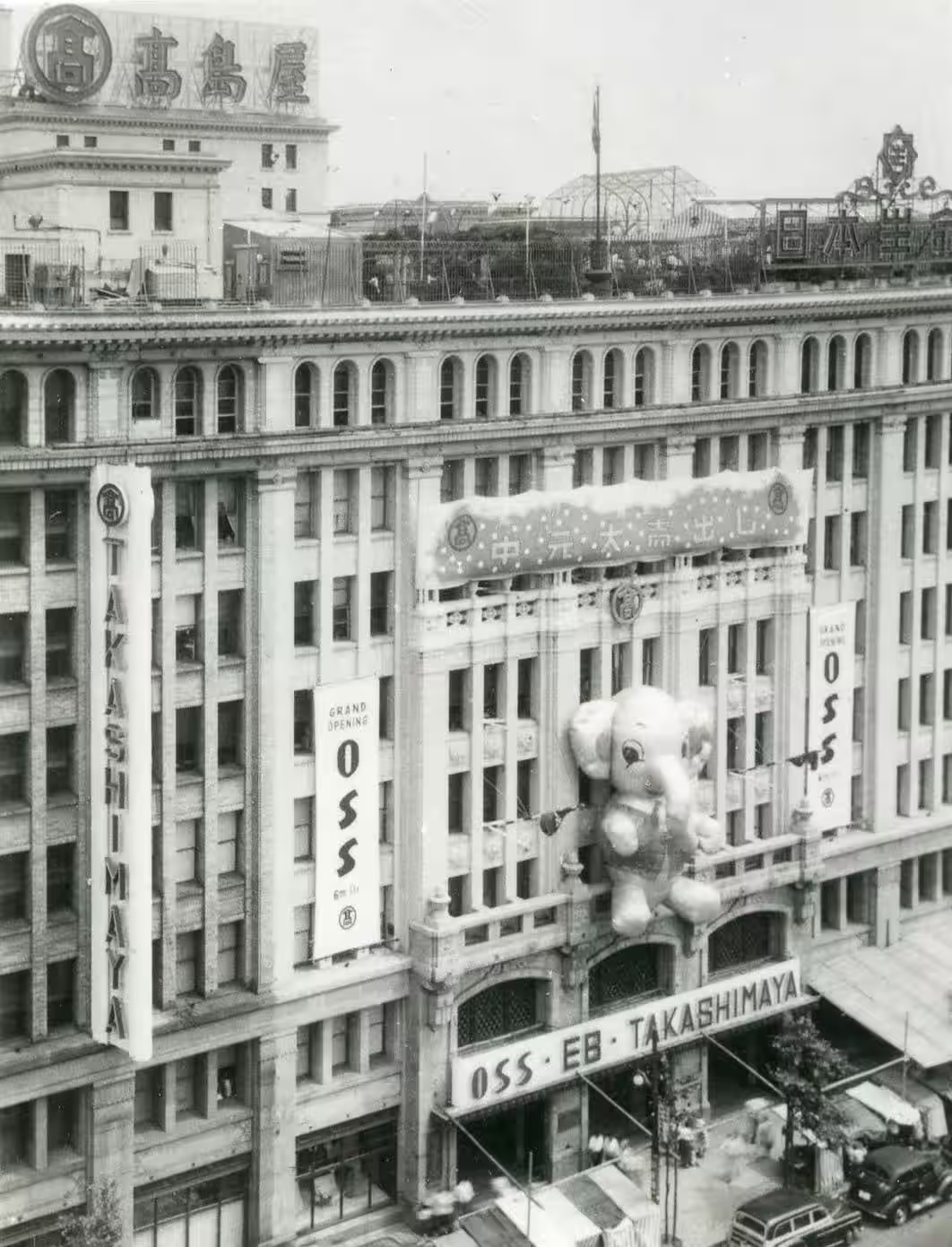
Between 1950 and 1954, a single elephant named Takachan called the rooftop of the Nihonbashi Takashimaya home. While her stay was brief, just four years, her impact was profound in a nation still grappling with the aftermath of WWII. Takachan, admired for her intelligence and gentle demeanor, quickly became a beloved figure among children and families.
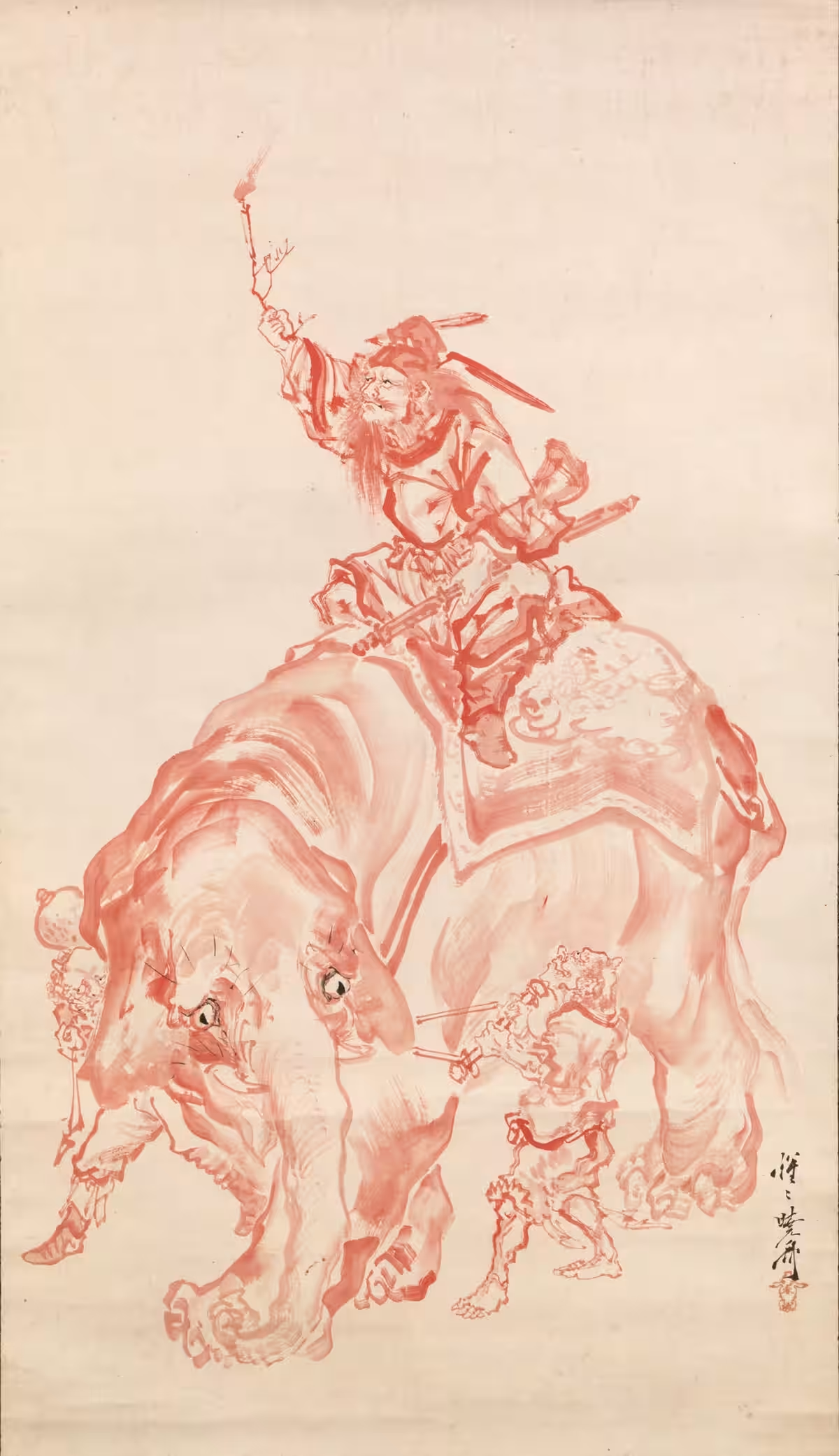
But why, one might wonder, did an elephant reside on the rooftop of a department store? This exhibition explores Takachan's role within Japanese culture and the broader societal meanings associated with elephants throughout history. From the introduction of ivory to depictions of elephants in religious icons to their eventual rise as entertainers in circuses and zoos, the elephant's journey in Japanese society is deeply intertwined with the country's cultural development.
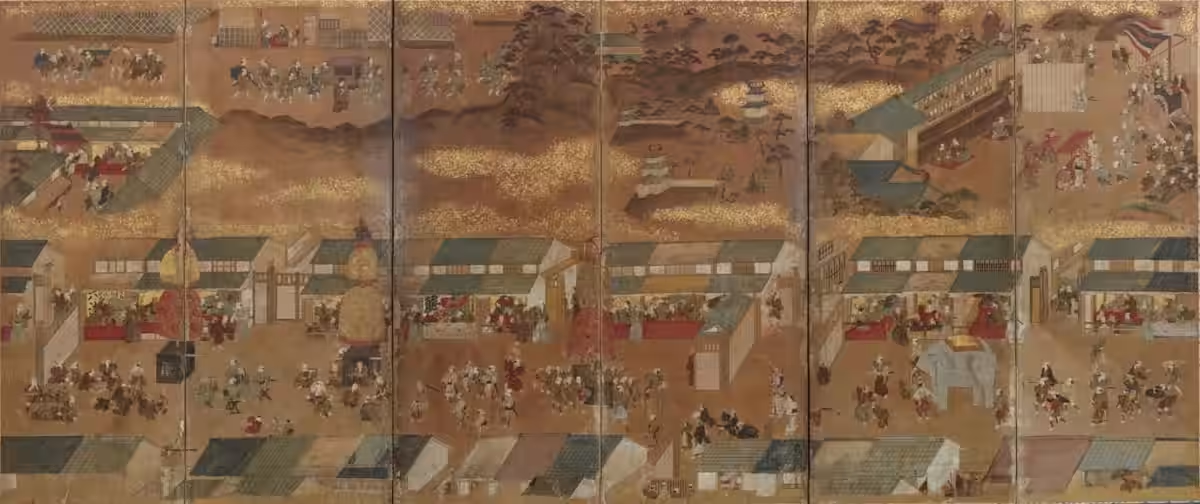
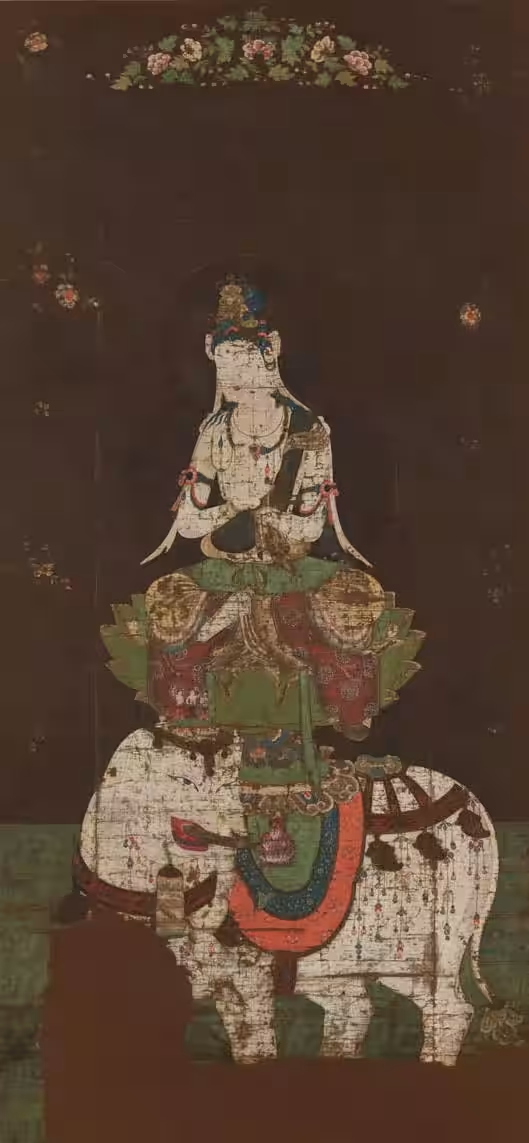
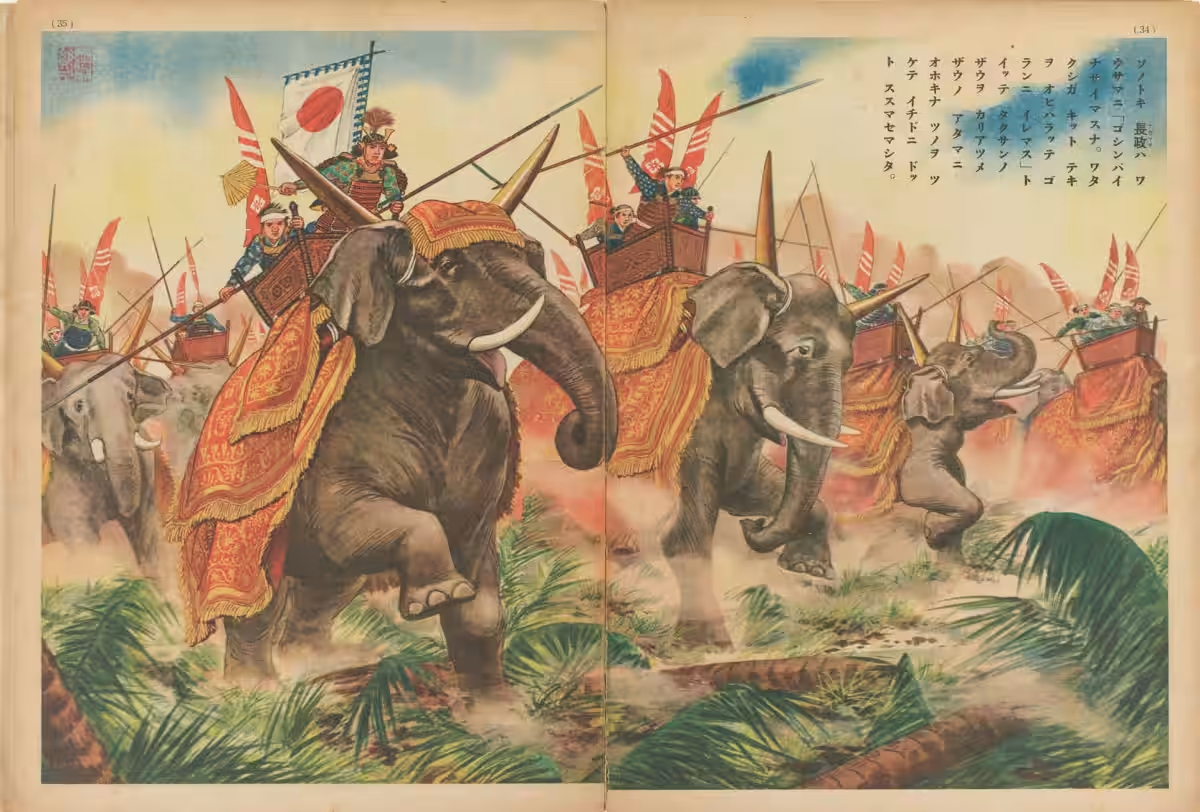
Beginning with spiritual representations in artifacts such as the statue of Fugen Bosatsu and traditional paintings by masters like Ito Jakuchu, elephants began to capture the public's imagination. The significant appearance of an elephant gifted to the Shogun Yoshimune sparked a wave of interest, culminating in elaborate displays at festivals like the Sanno Matsuri. However, wartime realities meant that many elephants suffered tragic fates, a somber reminder of the impact of conflict on all lives.
Thus, when Takachan emerged as a rooftop resident in post-war Japan, she was joyfully embraced as a "messenger of peace." The popularity of elephants was even celebrated in children’s songs of the time, such as "Zou-san," penned by poet Michio Mado.
The exhibition dives deep into the different facets of human-elephant interactions through themes like "Riding Elephants," "Bathing Elephants," "Gifting Elephants," "Leading Elephants," "Training Elephants," "Eating Elephants," and "Inviting Elephants"—each illuminating the evolving relationship between elephants and the Japanese people.
Enthralling Anecdotes and Relics
An impressive collection of over 130 photographs has been submitted from the public, showcasing personal snapshots with Takachan from the reconstruction era. These images encapsulate her legacy as a symbol of peace and a beacon of hope for the Japanese society recovering from turmoil.
Additionally, artifacts from this remarkable period include not just the precious photographs, but also Takachan's remains returning home for the first time, along with a life-sized balloon representation of her. Visitors can experience peace and resilience embodied in the current-era version of a department store featuring an imaginary elephant.
Upcoming Events
The exhibition will also host several talks in its program:
- - April 11, 2026: Explore the whirlwind of circus music with distinguished speakers, including Hiroshi Watanabe.
- - June 27, 2026: An engaging conversation with author Hiroshi Aramata on elephants from around the world.
- - July 25, 2026: Insights regarding the historical significance of Takachan from photographer Kyoko Tsuzuki.
Moreover, in connection to the exhibition, the museum will participate in the Sanno Matsuri, seeking 20 enthusiastic participants for a special procession. Interested individuals can find details on the museum's website.
From showcasing Takachan to uncovering the history and the cultural significance of elephants in Japan, this exhibition offers a chance to engage with a unique narrative that speaks to the resilience of a nation and its love for the extraordinary animal. Don’t miss the opportunity to be a part of this captivating story at the Takashimaya Museum Tokyo!
- ---
Event Details
- - Venue: 4th Floor Exhibition Room, Takashimaya Museum Tokyo, Nihonbashi 2-4-1, Chuo-ku, Tokyo.
- - Opening Hours: 10:30 AM to 7:30 PM
- - Admission Fee: Free
- - Closed: Second Tuesday of each month (next day if a holiday), August 19, 2026 (entire museum closed)
- - Supervised by: Naoyuki Kinoshita, Director of Shizuoka Prefectural Museum of Art, and Professor Emeritus at the University of Tokyo.
- - Graphic Design: Yuma Harada and Keisuke Yamazoe (UMA/design farm)
- - Exhibition Design: Nakayama Hideyuki Architectural Design Office
For further details, visit the Takashimaya Museum website.
Topics Entertainment & Media)
【About Using Articles】
You can freely use the title and article content by linking to the page where the article is posted.
※ Images cannot be used.
【About Links】
Links are free to use.