




Exploring the Pros and Cons of Cardless Credit Cards: Future Perspectives
Exploring the Pros and Cons of Cardless Credit Cards
In recent years, the surge in cashless payments has led to significant changes in the way credit cards are perceived and used. Traditional plastic cards are gradually being replaced by digital solutions such as cardless credit cards, prompting a reevaluation of consumer mindset and payment behaviors. Recently, Mediverse, a Web3 media outlet operated by For-IT, conducted a survey on cardless credit cards involving 500 participants aged 18 and over from across Japan. The findings reveal a complex mix of interest, concerns, and desired usage methods related to these next-generation credit cards.
Survey Overview
The survey targeted individuals aged 18 and above, yielding a sample size of 500 respondents from various demographics across the nation. Conducted via online research from May 28 to May 29, 2026, the survey focused on participants’ awareness, attraction, and apprehension regarding cardless credit cards.
Key Findings
Interest in Cardless Credit Cards
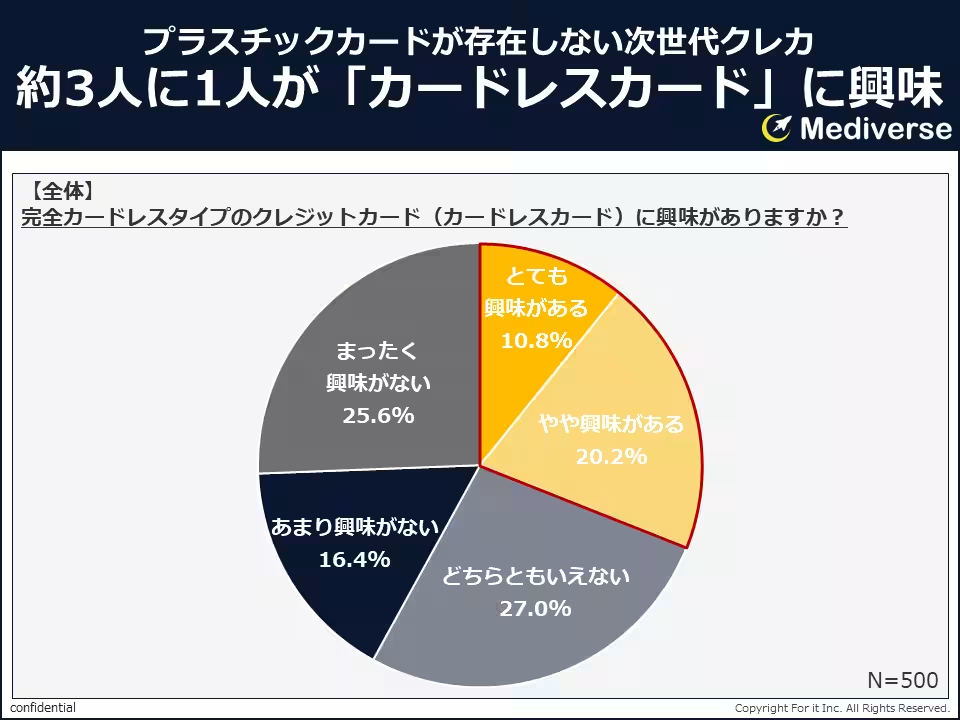
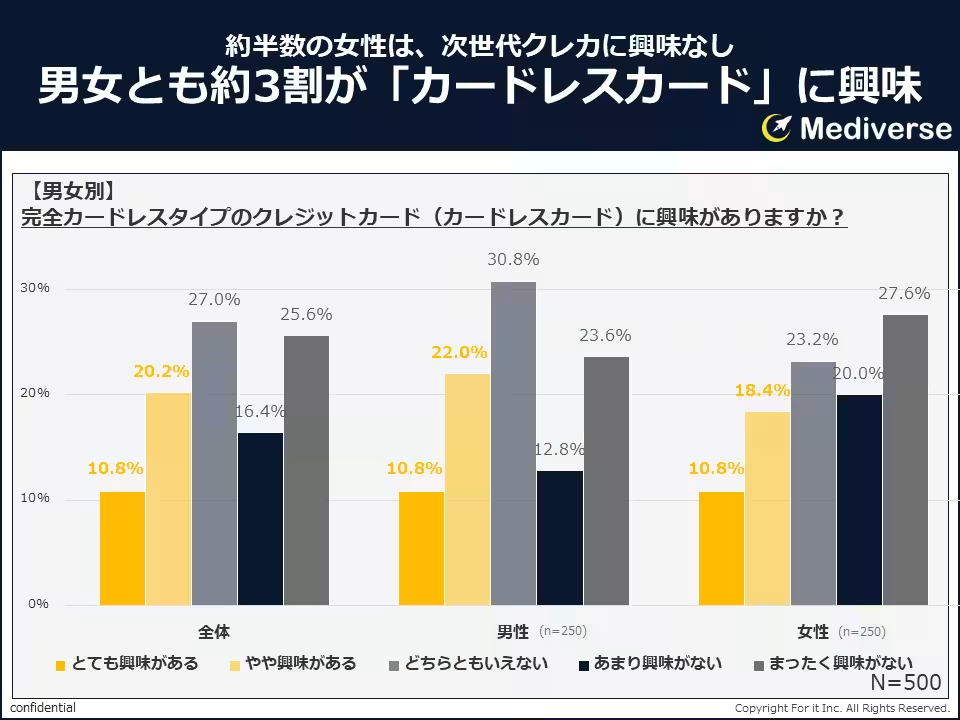
The survey indicated that approximately one-third (31.0%) of the respondents expressed interest in cardless credit cards, while over 42.0% showed a lack of interest. Notably, a significant percentage (27.0%) remained neutral. Gender differences were evident; while interest was similar among both sexes, nearly half (47.6%) of women reported disinterest compared to 36.4% of men, indicating a more cautious approach to new technology among women.
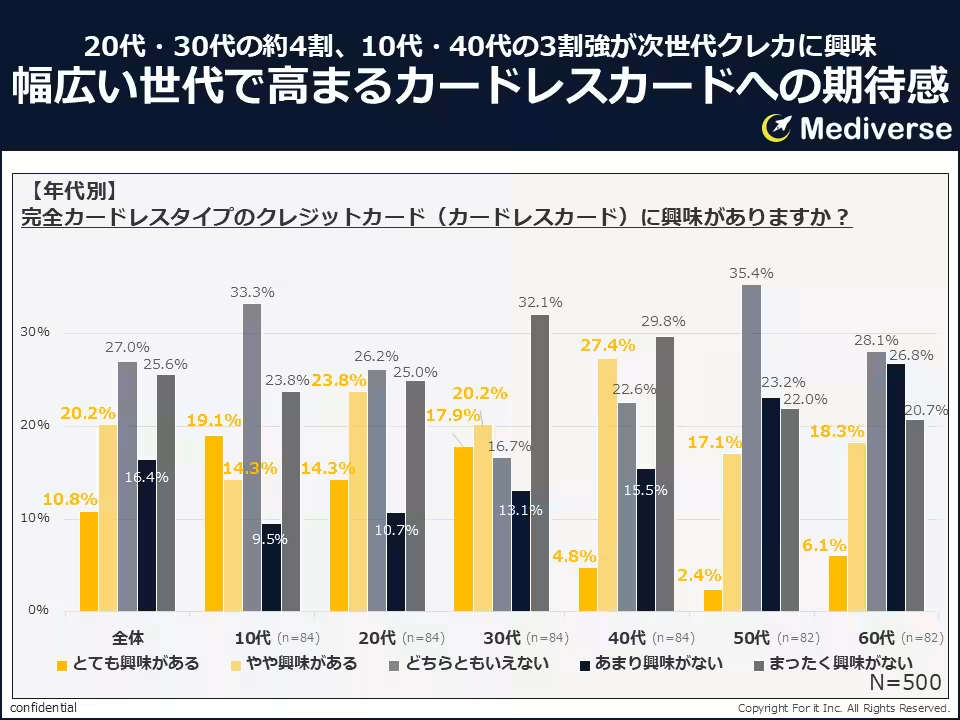
Age demographics also played a role in the interest levels, with 38.1% of respondents in their 20s and 30s showing the highest enthusiasm. However, interest gradually waned among older age groups, particularly among those in their 50s and 60s, where almost half declared no interest.
The Allure of Cardless Credit Cards
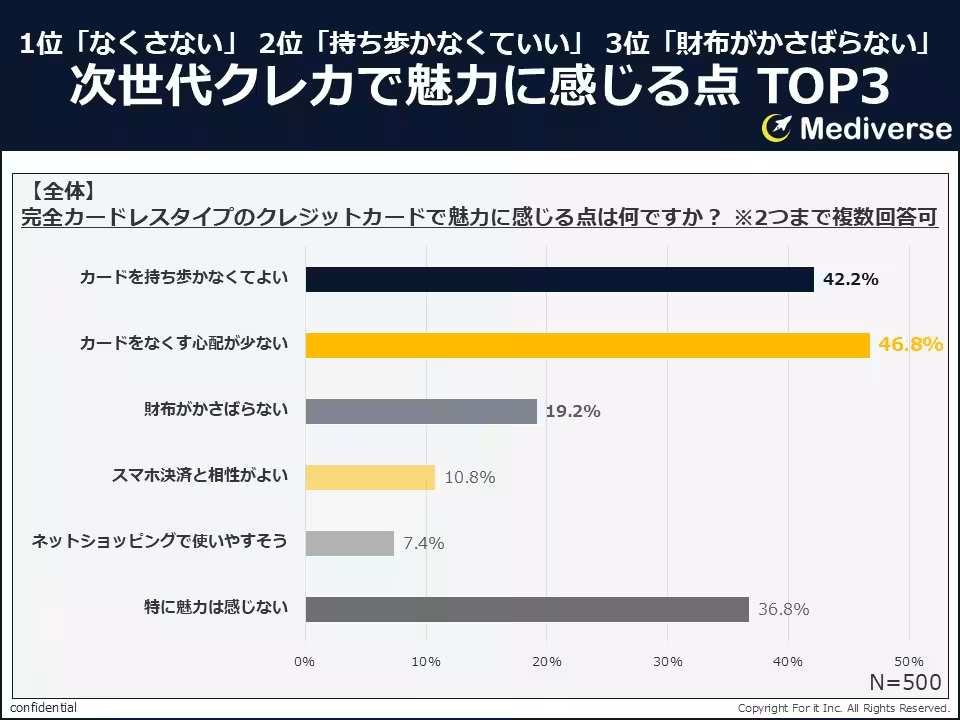
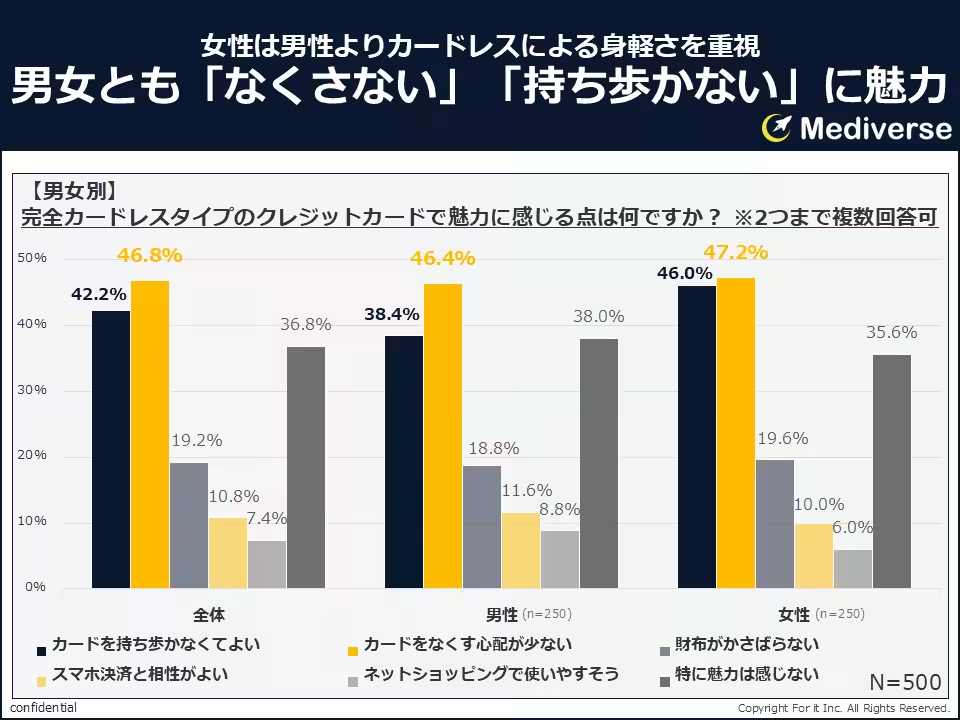
Regarding the benefits of cardless credit cards, 46.8% of respondents highlighted the reduced worry of losing a card, followed by 42.2% who appreciated not having to carry a physical card and 19.2% who found it appealing that wallets would become less bulky. The anxiety related to losing a card was a key factor driving attraction across gender lines.
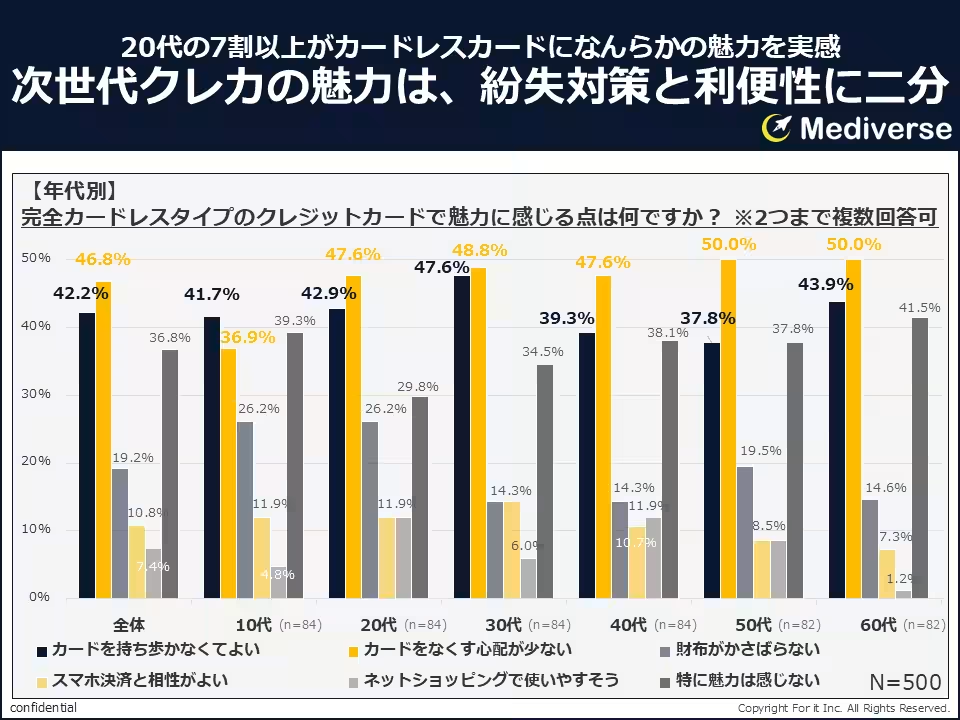
Interestingly, while both genders cited losing cards as a concern, women exhibited a stronger preference for the convenience of not having to carry cards around. Age-wise, older respondents saw the benefit of fewer physical items to manage, while younger participants found freedom in being lighter and more mobile.
Concerns Surrounding Cardless Credit Cards
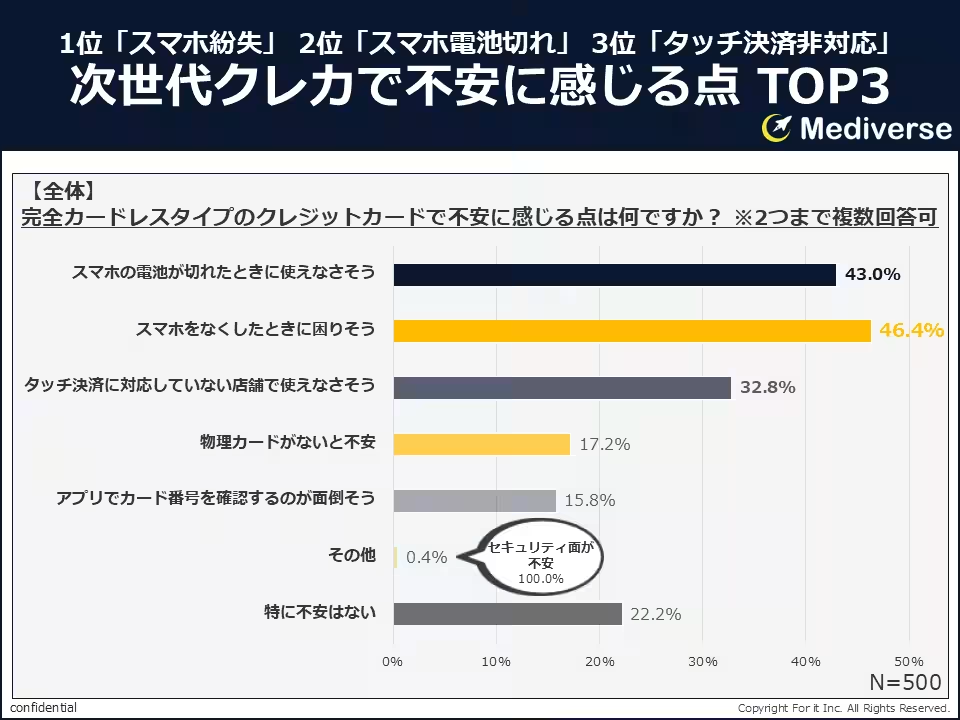
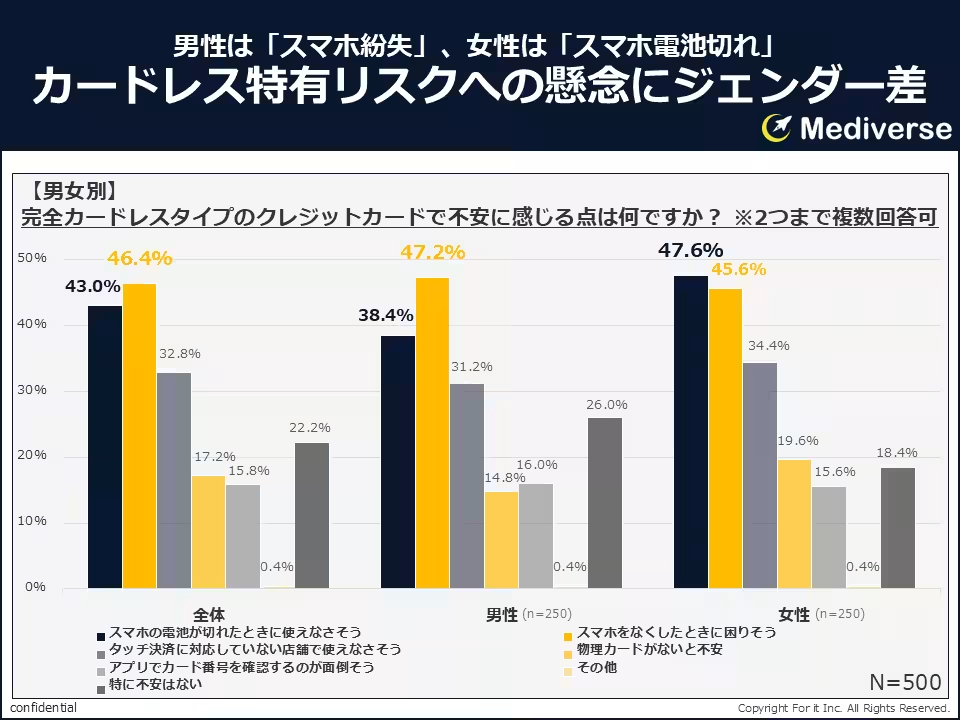
When asked about their apprehensions, 46.4% reported concern about losing their smartphones, which could hinder access to their funds, while 43.0% were anxious about running out of battery power. Concerns about infrastructure, like not having access to tap payment systems at various retailers, ranked third at 32.8%. Gender disparities emerged again, with men expressing higher fears about losing their phones, whereas women were more concerned about battery issues.
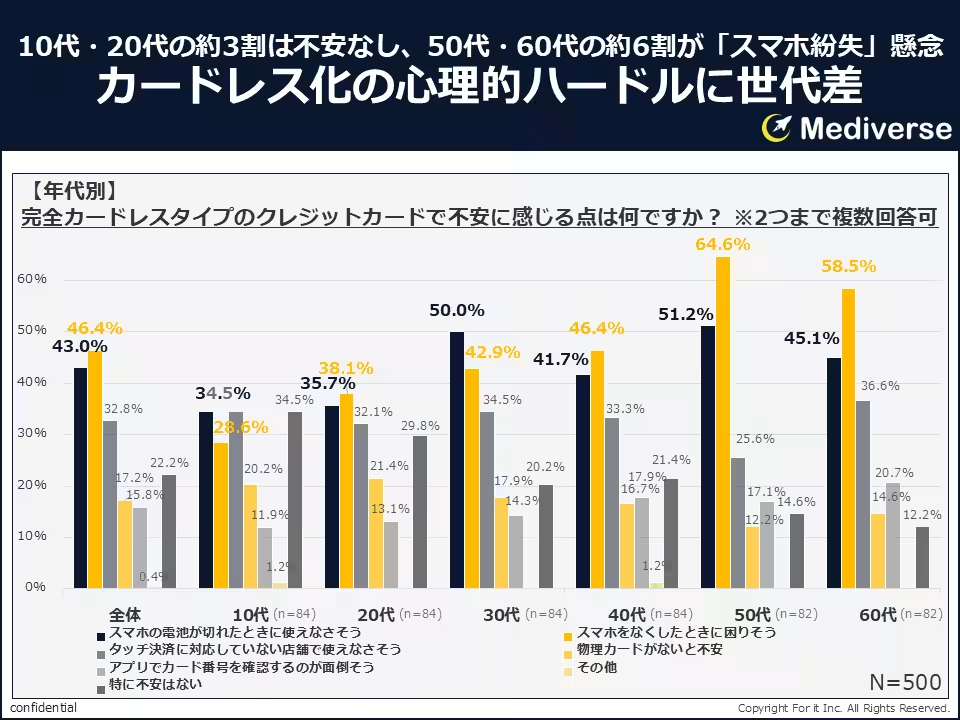
Age differences manifested as well, with older generations displaying heightened worries about smartphone-related troubles compared to their younger counterparts, who appeared more relaxed about these technologies.
Preferred Uses for Cardless Credit Cards
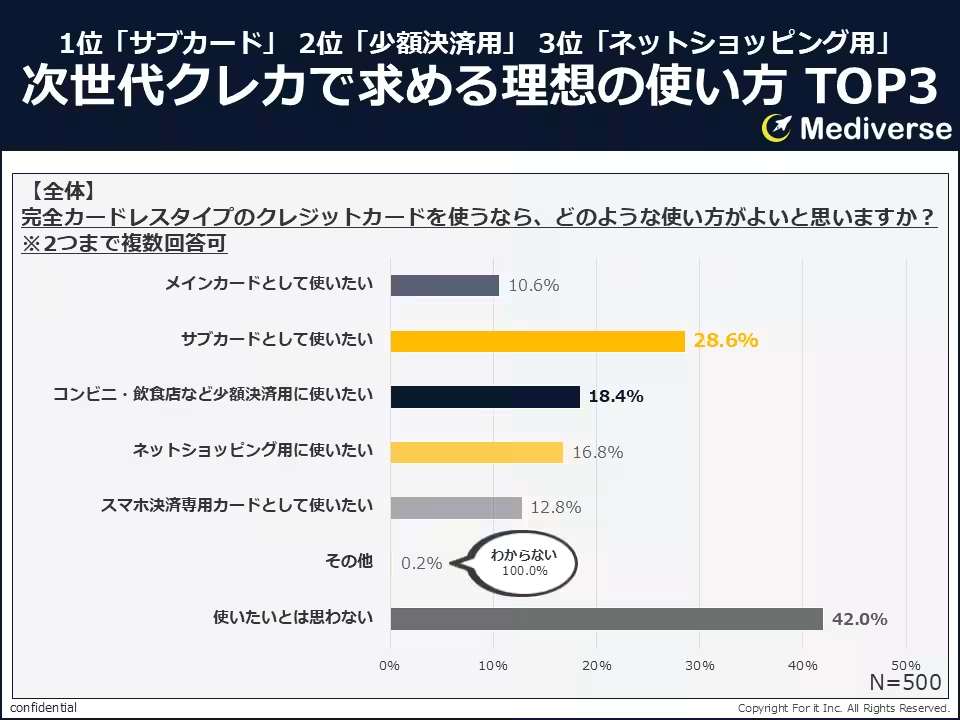
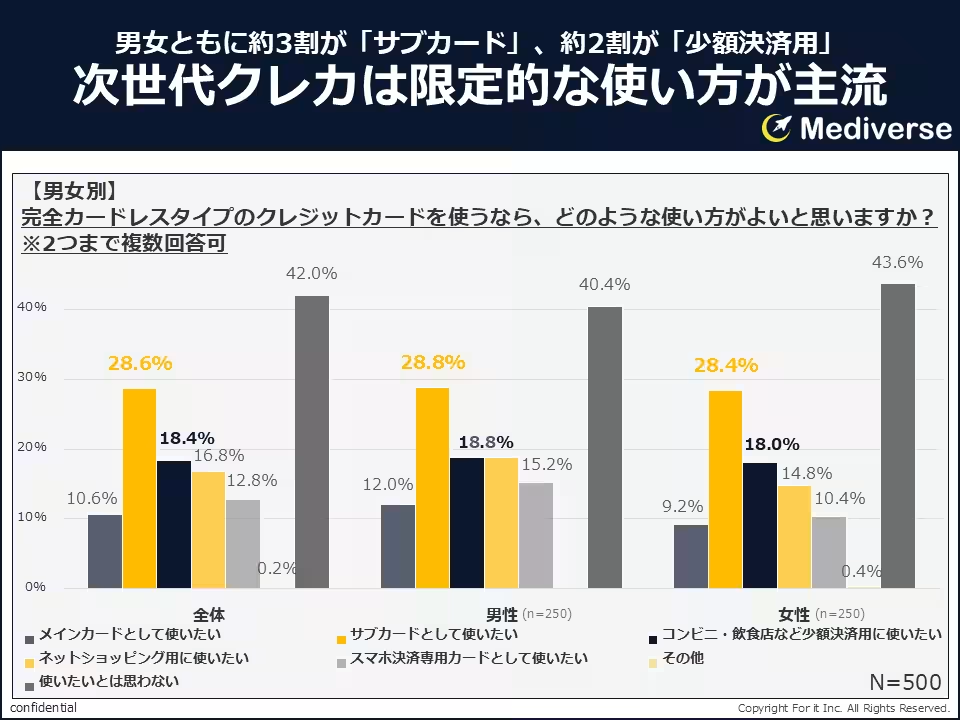
The survey also revealed preferences for how respondents would use cardless credit cards. Close to 29% indicated they would favor them as supplementary cards, while 18.4% wished to use them for minor transactions at convenience stores, and 16.8% for online shopping. Only 10.6% saw the card as a primary form of payment.
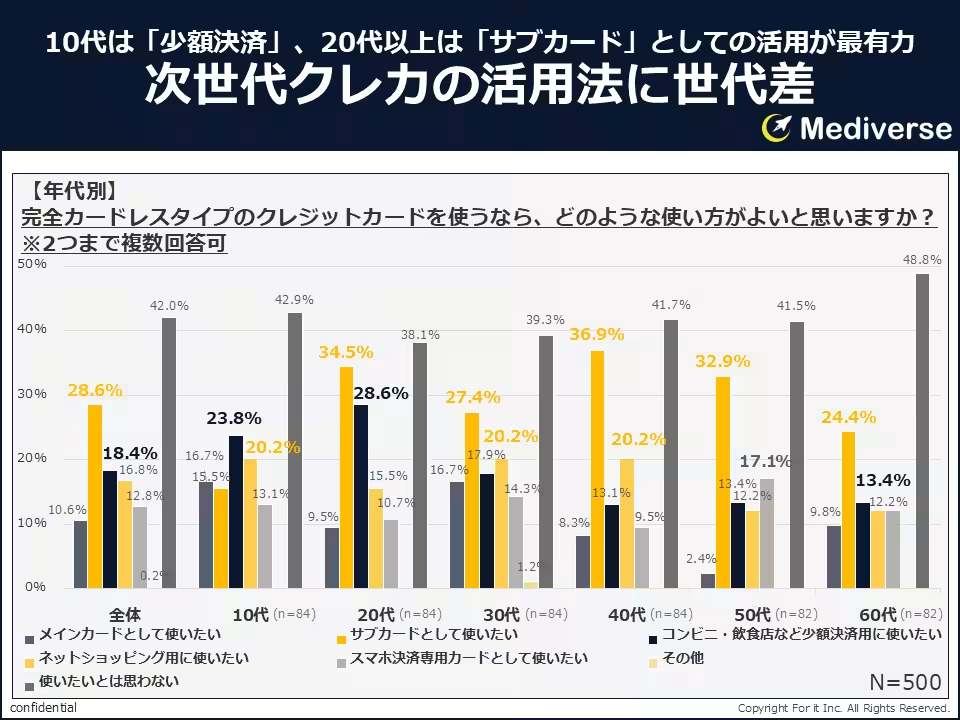
Both genders displayed similar preferences, although men showed slightly higher interest in using such cards for online transactions. Among age groups, the younger participants favored convenience store transactions, whereas older individuals preferred them as supplementary payment methods.
Conclusions
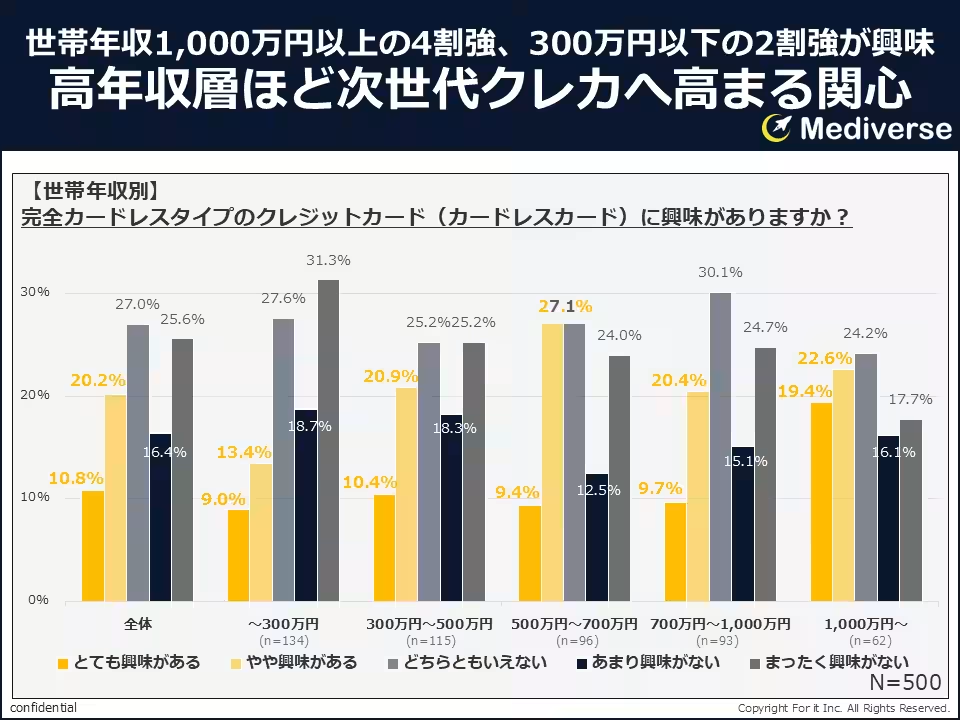
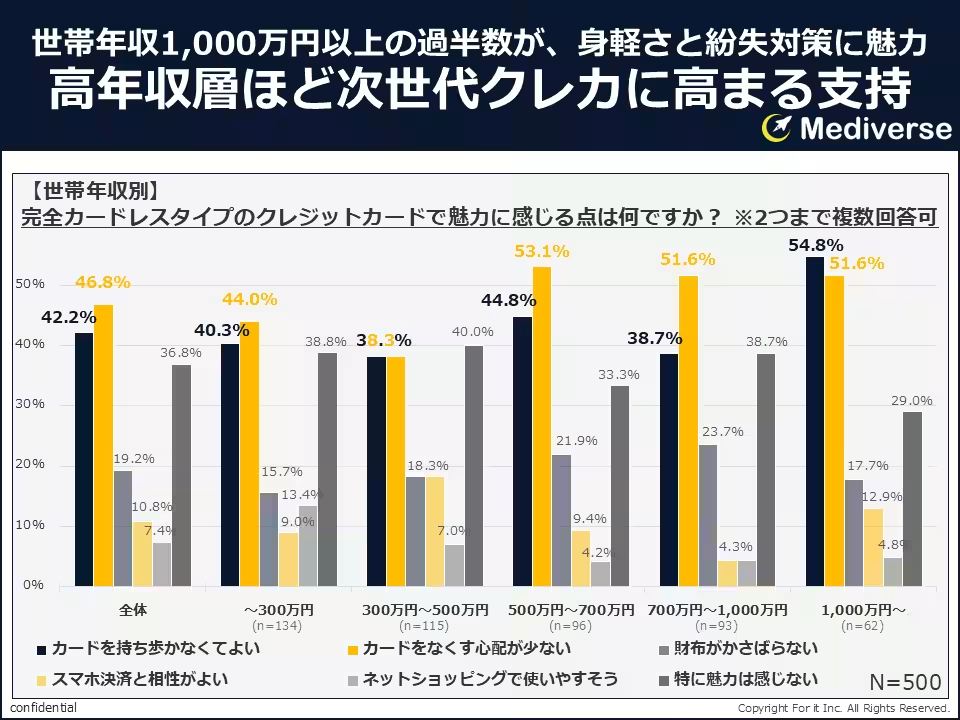
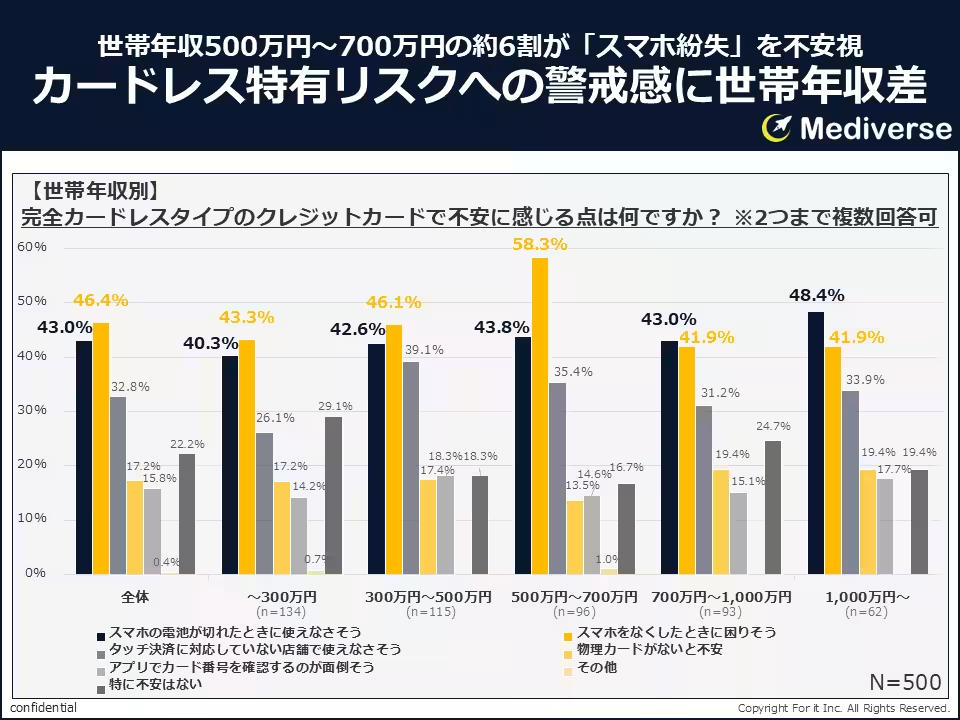
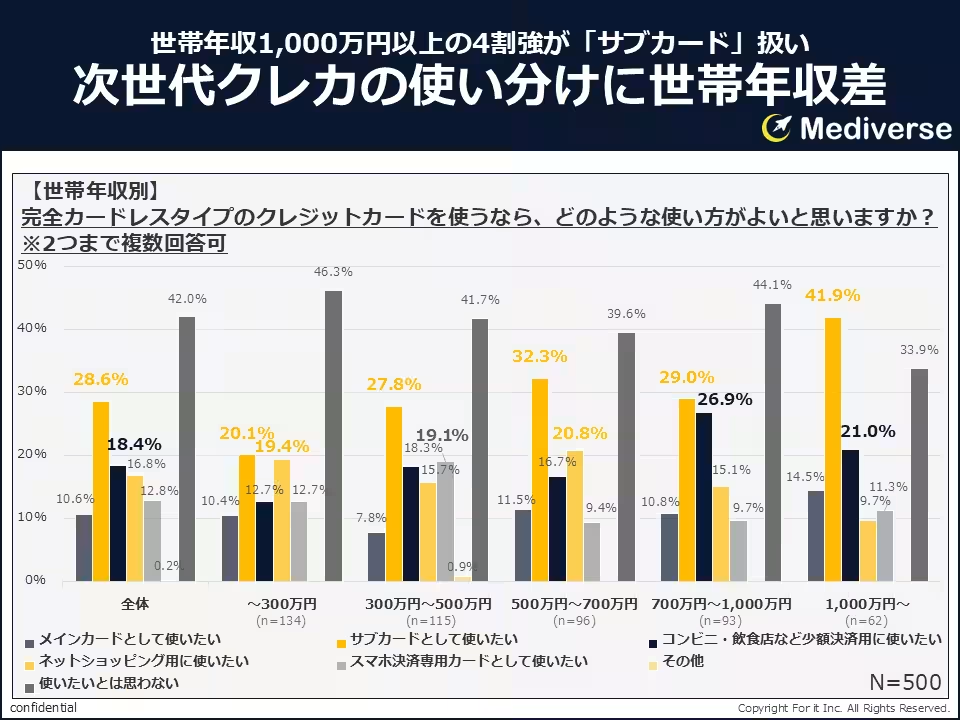
The results of this survey indicate that consumers are swayed by the convenience and security presented by cardless credit cards while grappling with fears stemming from dependence on smartphones. A clear generational divide exists, with younger and higher-income respondents showing greater enthusiasm, while older and lower-income individuals exhibit more skepticism. Concerns regarding device dependency pose challenges for full adoption. The predominant inclination for cardless credit to function as a supplemental means of payment rather than the primary suggests a cautious approach to embracing this technology fully.
To transition to widespread acceptance of cardless payments, enhanced infrastructure at retail locations and solutions that address smartphone-related concerns will be essential moving forward. As Mediverse continues to provide updates on credit card trends, the evolving landscape of payment methods remains a topic of great interest and importance in consumers' lives.

Topics Consumer Products & Retail)
【About Using Articles】
You can freely use the title and article content by linking to the page where the article is posted.
※ Images cannot be used.
【About Links】
Links are free to use.