



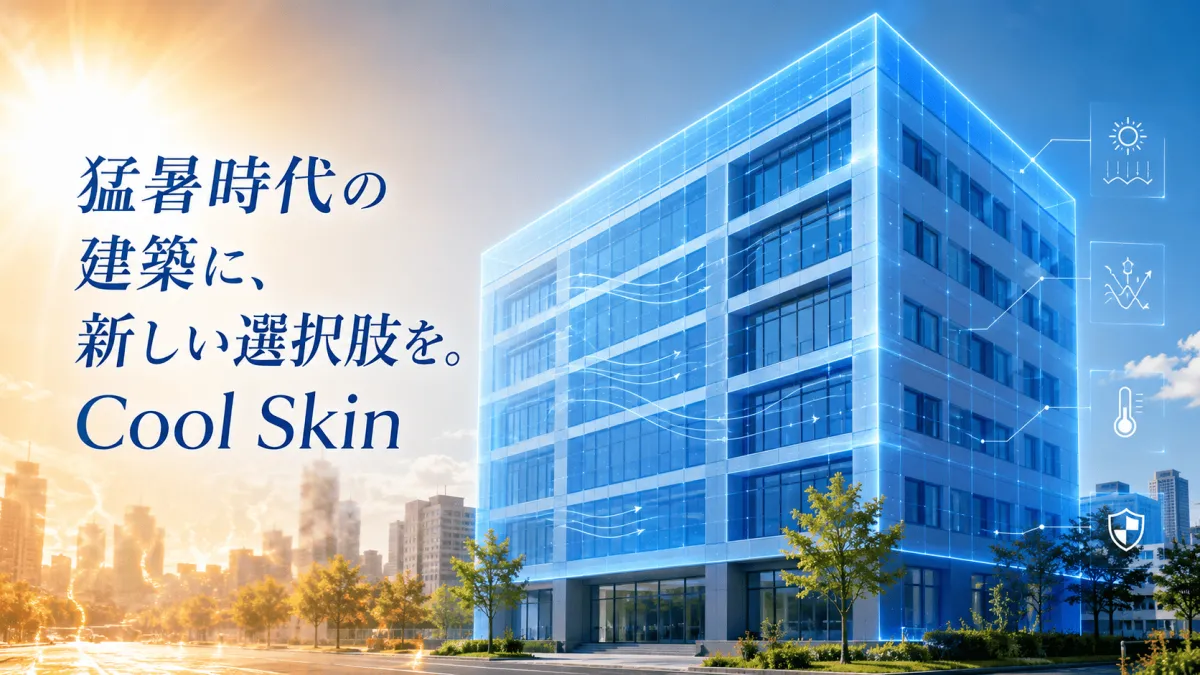
Seiko Estate & Development's Innovative Cooling System for Urban Architecture in Heatwaves
Introduction
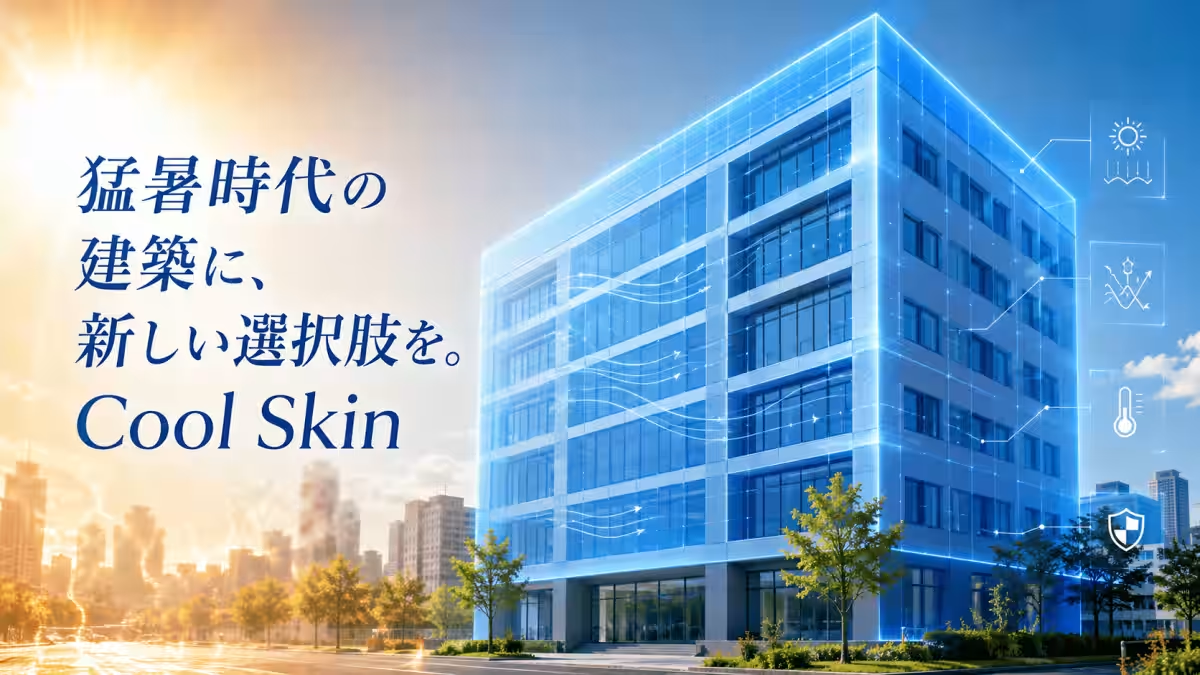
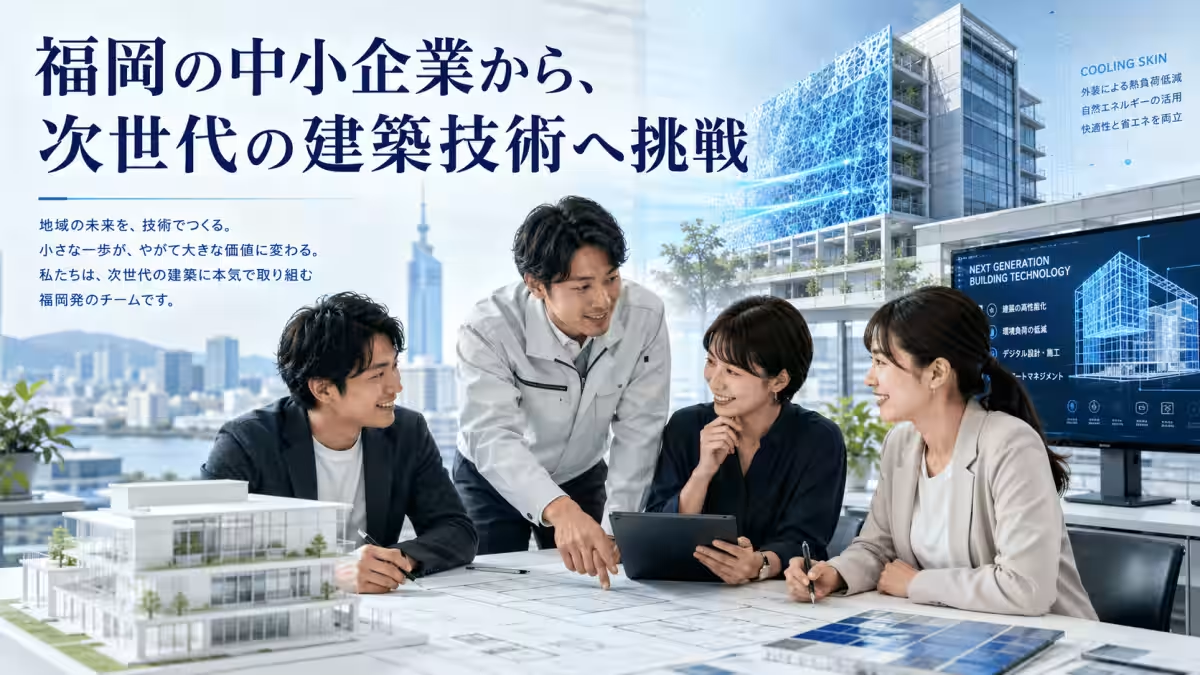
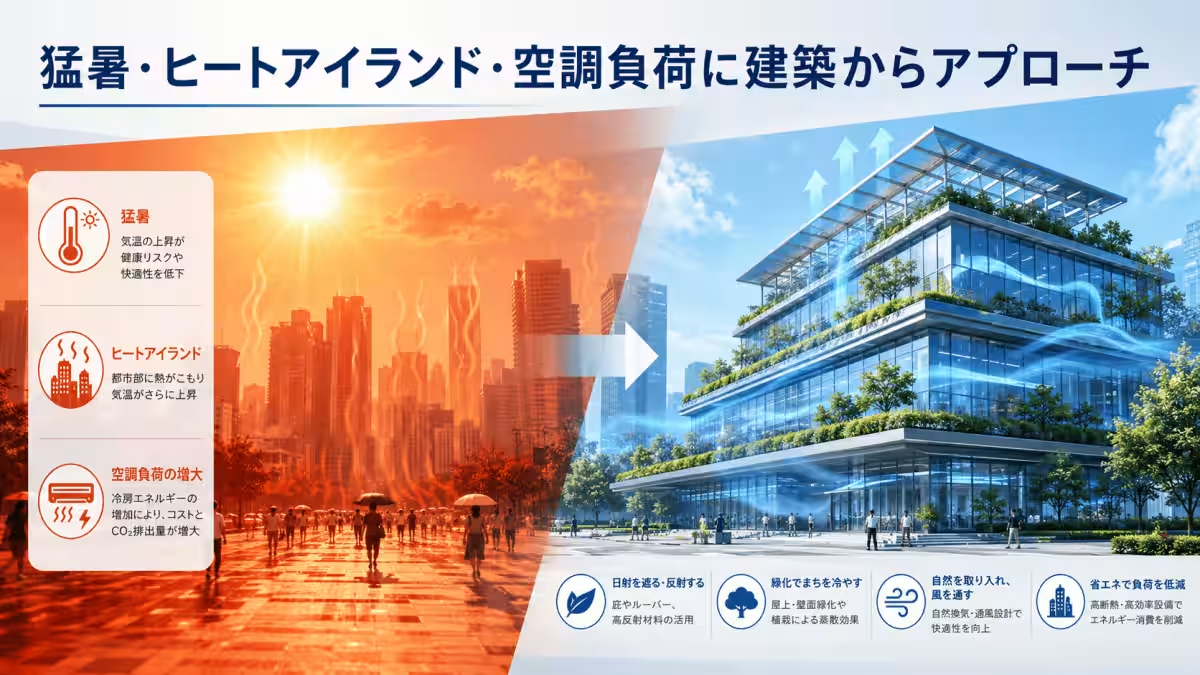
In response to increasingly oppressive summer heat waves and the escalating problem of urban heat islands, Seiko Estate & Development, based in Fukuoka, has embarked on an innovative research and development project known as "Cool Skin." This groundbreaking project focuses on integrating cooling functionality directly into building exteriors, presenting a promising solution to mitigate heat accumulation in urban environments.
Understanding Cool Skin
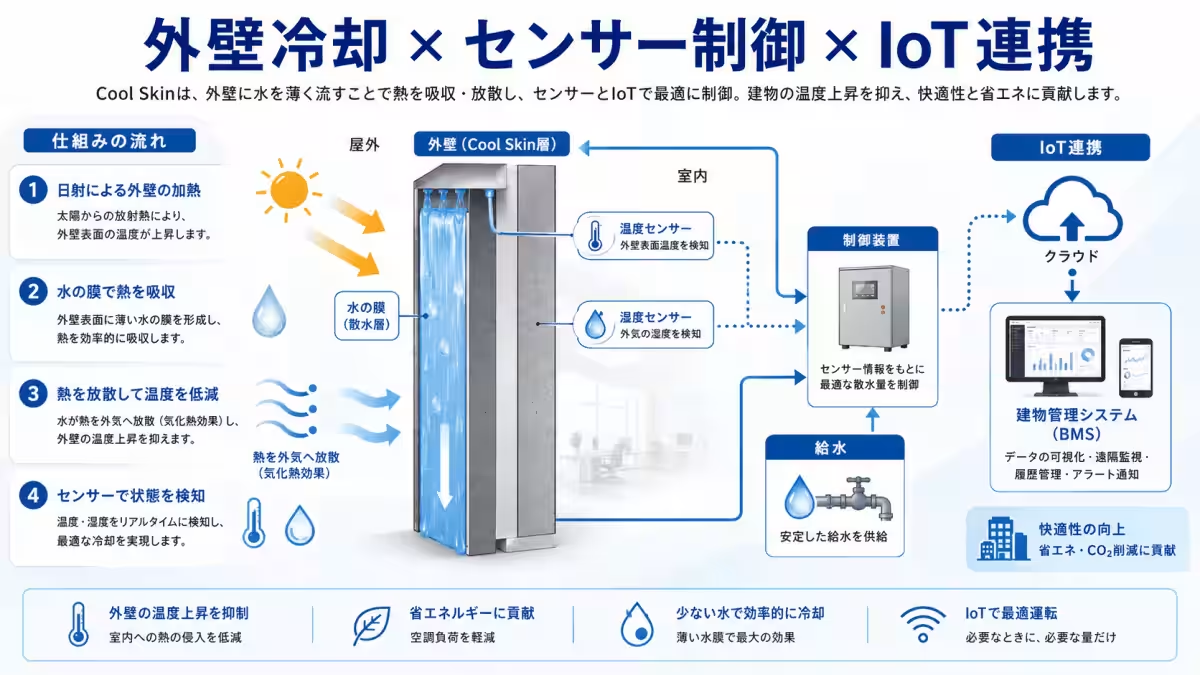
Cool Skin is not merely a conventional cooling technique that involves wetting the building surfaces. Instead, it represents a comprehensive approach that addresses durability, maintenance, and long-term performance of the building's cooling system. By harnessing the principles of evaporative cooling, this project aims to implement efficient water distribution techniques, control mechanisms, and sensor technology to create a stable and effective solution.
Addressing Key Challenges
Urban areas often face heat intensification due to their infrastructure, including asphalt and concrete. Traditional methods such as mist cooling or water applications—often inconsistent and prone to certain risks—have limitations. Water distribution can lead to uneven cooling, and there are significant concerns regarding moisture ingress that could threaten the integrity of the buildings. Cool Skin aims to overcome these challenges which previously hindered the application of exterior cooling solutions effectively.
Implementation and Future Prospects
Cool Skin is designed with both new constructions and retrofitting existing buildings in mind. Its structure, which allows straightforward integration onto existing facades, opens up a range of applications in diverse settings—from factories and commercial properties to schools and residential complexes. The adaptability of Cool Skin promises to enhance comfort levels, optimize energy consumption, and contribute to alleviating urban heat effects.
Collaborations Ahead
Seiko Estate & Development plans to expand its research through collaborations with universities, research institutions, and ESG-oriented construction firms. Shared research themes may include performance testing, moisture retention optimization, and enhanced cooling strategies incorporating IoT technology for dynamic control.
Conclusion
Given the ongoing shifts towards sustainable urban development and energy efficiency, the introduction of Cool Skin represents a significant step towards addressing urban heat challenges in Fukuoka and beyond. Seiko Estate & Development is not just focusing on the structural aspects of buildings but is also taking a broader view by considering environmental impacts and long-term sustainability—positioning itself as a leader in revolutionizing architecture for a hotter future.
Invitation for Collaboration
Seiko Estate & Development is actively seeking partnerships for joint research and trials for Cool Skin, inviting those in relevant fields to contribute and collaborate towards a socially impactful commercial product. From material scientists to municipal bodies, everyone is welcome to partake in this exciting journey to reshape urban landscapes.






Topics Consumer Products & Retail)





【About Using Articles】
You can freely use the title and article content by linking to the page where the article is posted.
※ Images cannot be used.
【About Links】
Links are free to use.