


CommHIT Secures $43.6 Million Grant to Revolutionize Healthcare in Florida's Rural Areas
CommHIT Receives a $43.6 Million Grant to Transform Rural Healthcare in Florida
In an ambitious endeavor to reshape healthcare services in rural Florida, CommHIT has been awarded a substantial $43.6 million from the Rural Health Transformation Program. This initiative aims to provide accessible and efficient medical care by integrating advanced technology and a human-centric approach, led by Dr. Kendra Siler, the President and CEO of CommHIT.
A Revolutionary Vision for Healthcare
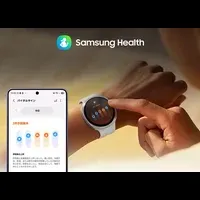
Imagine a healthcare system proactively addressing health concerns rather than merely reacting to crises. CommHIT's vision includes innovative solutions like home-based medical services, utilizing drones for emergency supplies delivery, and wearable devices for continuous patient monitoring.
Dr. Siler envisions a future where every home in rural communities can receive hospital-level care. With tools such as telehealth consultations and a personalized monitoring system, patients can manage their health conditions effectively from the comfort of their homes. This systemic transformation promotes early intervention and supports local health resilience, ultimately reducing the reliance on hospital visits.
Collaborative Efforts to Strengthen Rural Health
This initiative will unfold through strategic collaborations with Carrberry Companies and over 70 healthcare organizations and local governments across Florida. By leveraging existing resources like community pharmacies and specialized clinics, CommHIT aims to create an interconnected network that addresses medical needs holistically.
Integrating Technology with Compassion
Among the most notable aspects of the CommHIT initiative is its partnership with music icon Michael Feinstein, who introduces the Music Forms Memories program. This unique approach focuses on the therapeutic effects of music for emotional well-being and memory recall, enhancing the quality of life for patients—something that technology alone cannot achieve.
Feinstein remarks, “Music has an extraordinary ability to reach us when other forms of communication sometimes cannot.” This collaboration signifies the importance of emotional intelligence in healthcare, stressing that while technology is essential, it should not overshadow the human aspects of patient care.
Funding for Future Growth
The grant from the Rural Health Transformation Program, which aims at improving rural healthcare over the next five years, is part of a larger national commitment to expand and modernize healthcare in underserved areas. The funding will be strategically utilized to implement systems that make healthcare delivery more efficient and personalized.
Florida has been designated over $200 million in the program's first year, and CommHIT's allocation of $43.6 million is a significant step toward achieving comprehensive healthcare access. Dr. Siler emphasizes that this investment necessitates a commitment to make meaningful changes that enhance the lives of individuals in rural settings.
“This is an extraordinary opportunity to revolutionize healthcare in rural America,” says Dr. Siler, reinforcing the essence of the project—ensuring that everyone receives the same quality of care regardless of their ZIP code.
The Future of Rural Healthcare
CommHIT Everywhere promises to shift focus from reactive emergency care to proactive health management, fostering a culture of prevention and wellness. The initiative prioritizes seamless care transitions that include EMS and community health resources.
Drones will play a pivotal role in this mission, quickly delivering critical supplies to individuals in need while waiting for medical assistance, exemplifying the fusion of technology and healthcare service delivery. Furthermore, wearable tech will ensure that patients receive ongoing monitoring, reducing the gap in service and enabling quicker responses to any health fluctuations.
Bridging the Gap for Veterans
Aiming to address the needs of rural veterans, CommHIT is developing partnerships with organizations like Govsphere.com to facilitate virtual healthcare services. This effort ensures that even those living far from medical facilities can access necessary care despite geographical challenges.
Conclusion
As CommHIT embarks on this transformative journey, the integration of community engagement, modern technology, and compassionate care sets a precedent for future healthcare models. By fostering a healthcare system that prioritizes both human connection and innovative practices, CommHIT aspires to inspire similar initiatives nationwide. This movement leads to a future where healthcare is not merely a service but a seamless extension of community and human experience.
Topics Health)

【About Using Articles】
You can freely use the title and article content by linking to the page where the article is posted.
※ Images cannot be used.
【About Links】
Links are free to use.