



Examining Extracurricular Study Trends Among Japanese Middle and High School Students
Introduction
A recent survey conducted by LINE Research explored the learning activities of middle and high school students outside of regular school hours. With over 700 million active panels, LINE Research gathered insights into the educational preferences of today's youth. This article delves into the findings, revealing distinct trends among middle and high school students in Japan.
Current Study Programs
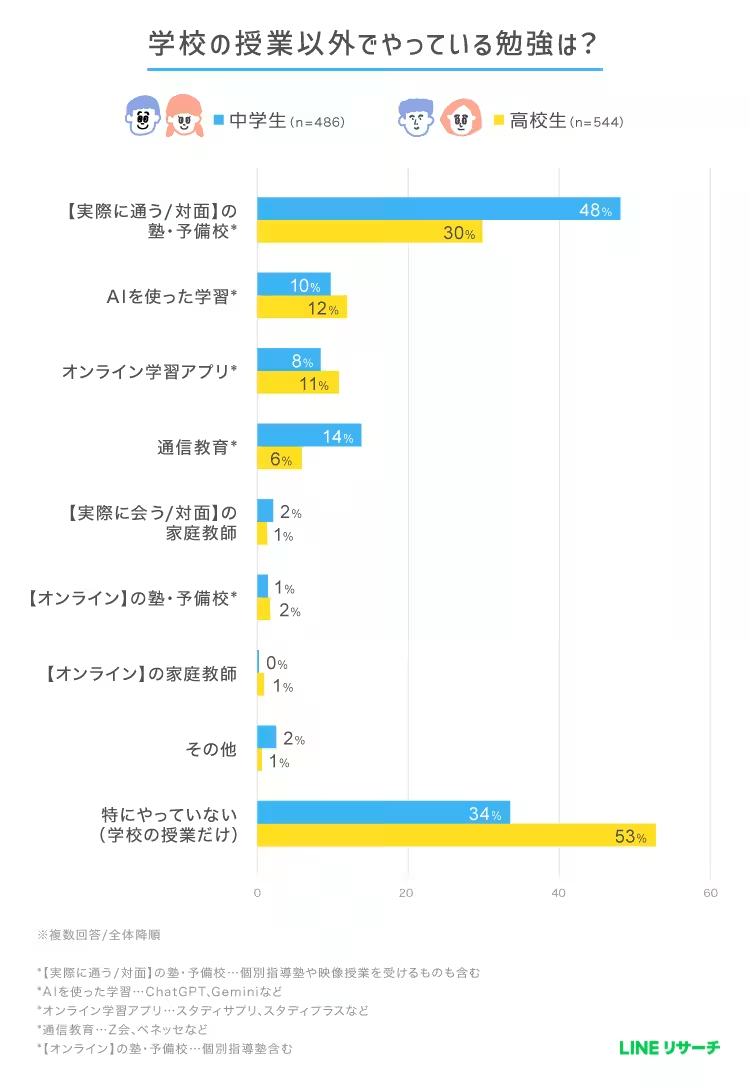
When asked about their extracurricular educational activities, nearly half of middle school students (around 40%) attend traditional cram schools or preparatory schools. Notably, among boys, this number exceeds 50%. In contrast, high school students expressed a strong inclination towards solely attending school, with over 50% indicating they are not involved in any additional study programs. Among those participating in extracurricular studies, nearly 30% attend cram schools, while about 10% engage in AI-based learning or utilize online learning applications, with a slight preference seen among female students.
Reasons for Attending Cram Schools
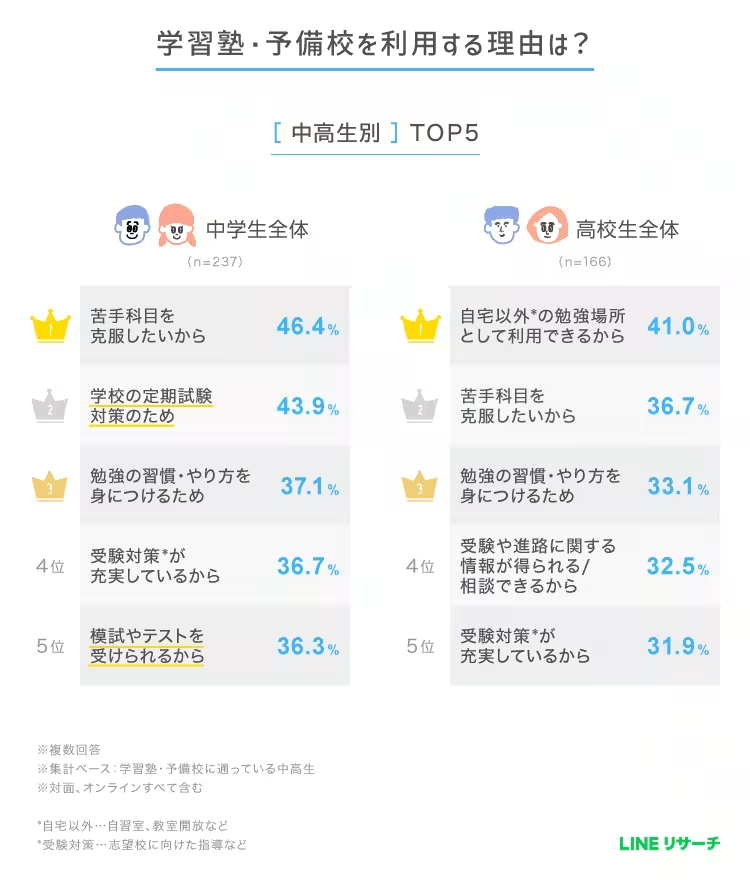
The motivations behind attending cram schools vary between middle and high school students. Middle schoolers cited the need to tackle challenging subjects and prepare for their regular exams as primary reasons, while both boys and girls echoed similar sentiments. In high school, the primary motivation for seeking supplementary education was to access study environments outside of their homes, with this need being particularly prevalent among female students. Other reasons included a desire to overcome weaker subjects and the need to acquire effective study habits or gather information regarding college placements.
Online Learning Applications
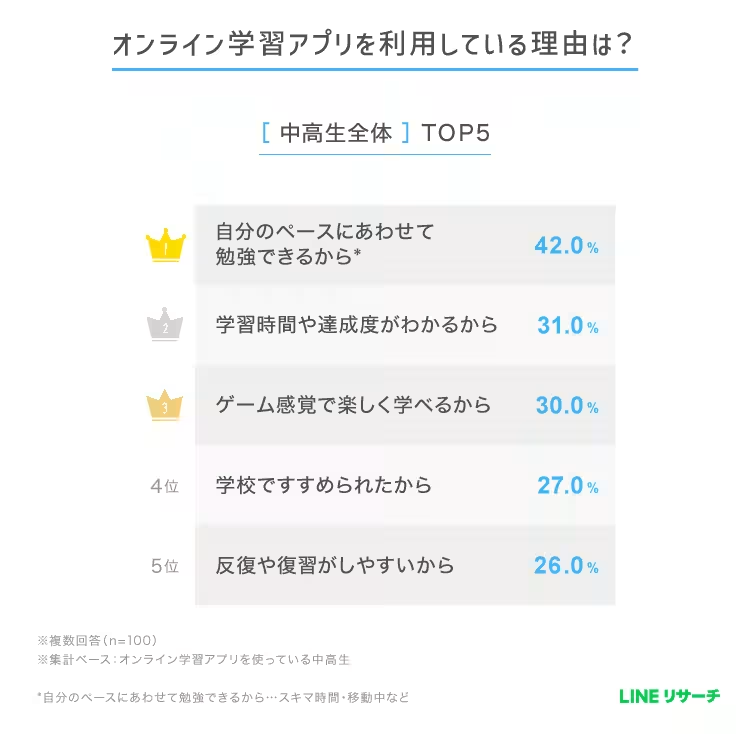
Looking at the utilization of online learning applications, a significant number of students reported that the ability to study at their own pace is the most appealing feature. This was followed by insights into learning progress and making studying feel enjoyable through gamification. Interestingly, middle school students demonstrated a higher inclination towards these applications for motivation, advanced studies, and revision purposes compared to their senior counterparts.
Desired Services at Cram Schools
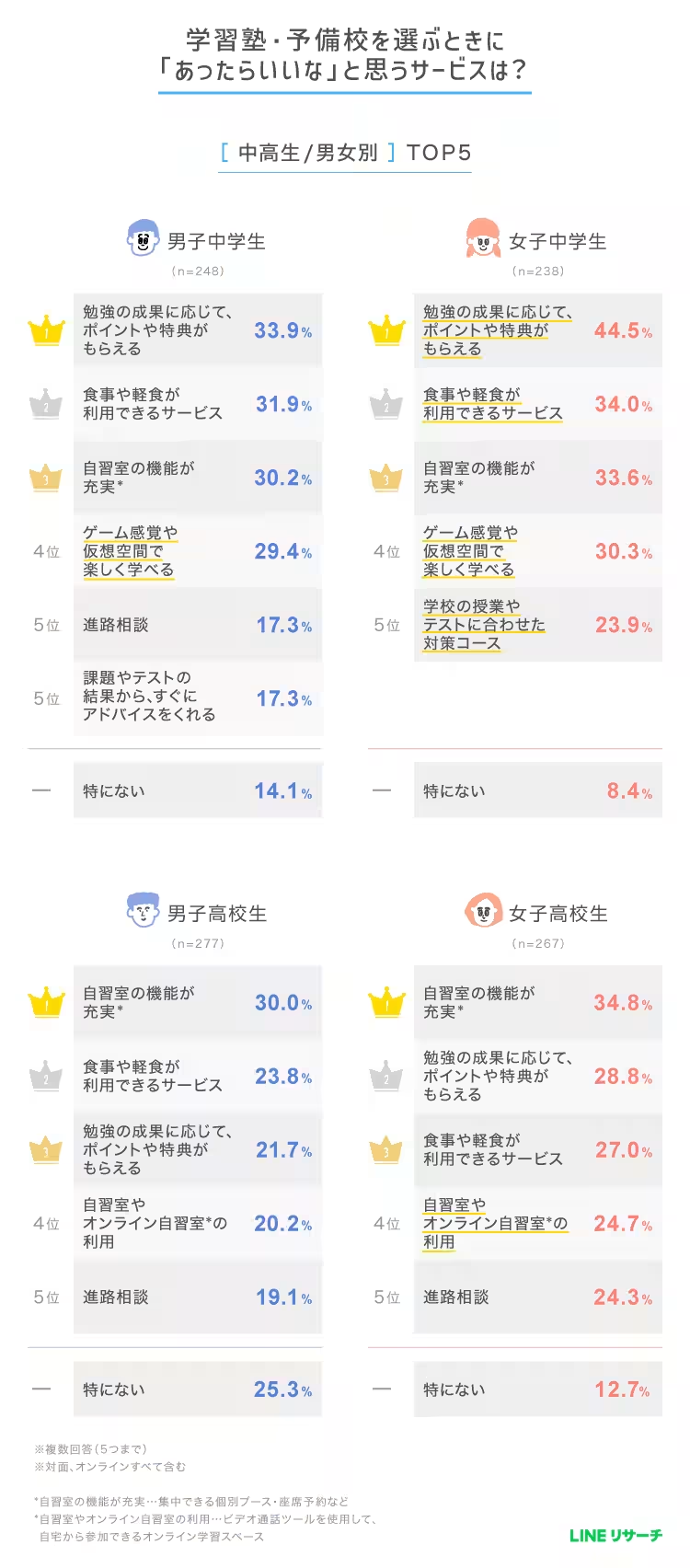
The survey also addressed what services students would like to see at cram schools. The results indicated that middle schoolers are particularly interested in earning points or rewards based on their study outcomes. Over 30% of middle school boys, and more than 40% of girls, indicated a preference for this offering, alongside enhanced study environments and meal provisions. High school students also indicated a strong desire for improved self-study facilities, alongside options for meal services and other rewards linked to their academic achievements.
Information Sources for Future Pathways
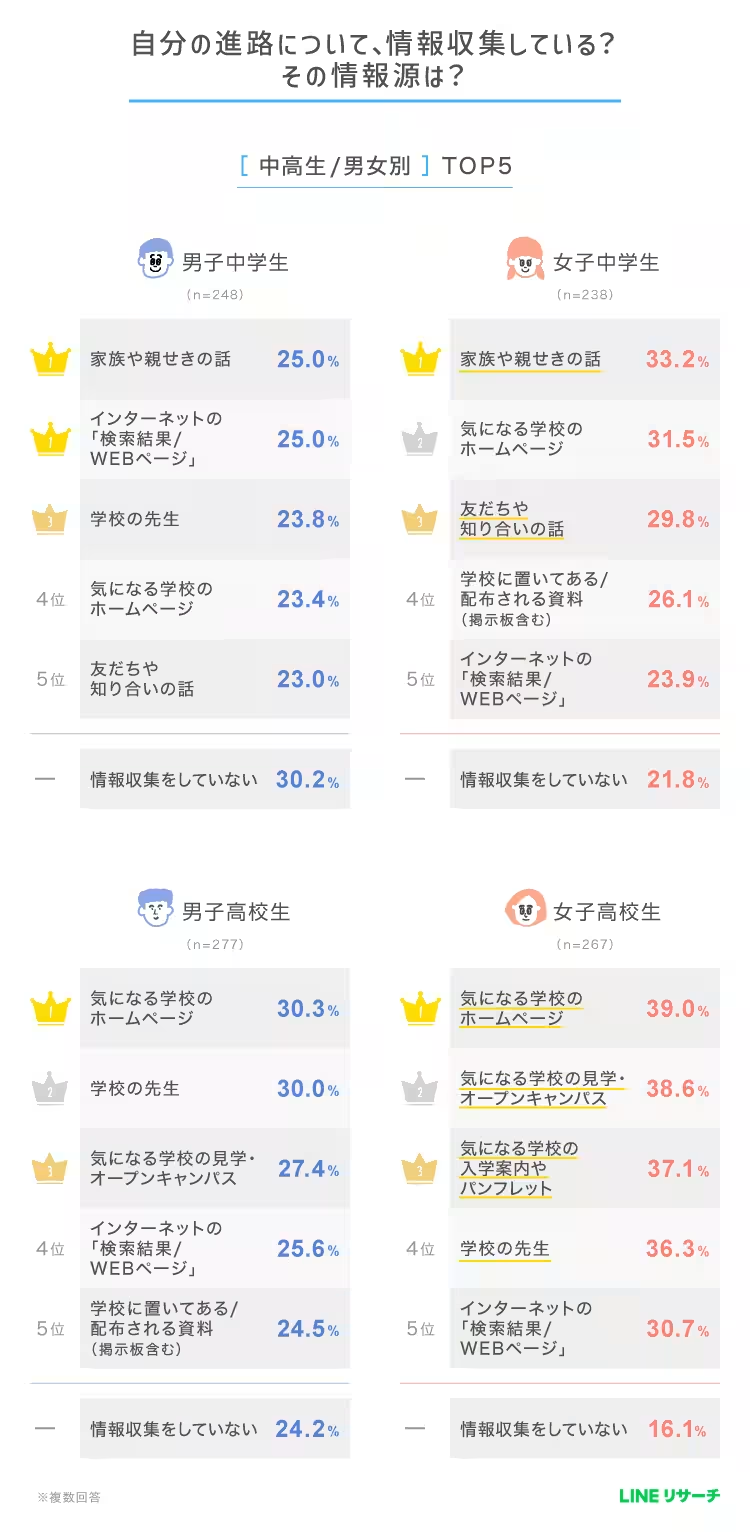
In addressing future educational paths, the survey revealed that many students rely on family discussions for information, with middle schoolers showing a higher trend towards seeking advice from relatives. Conversely, high school students tend to look for information online, with a notable interest in the websites of potential colleges. This independently driven approach is markedly observed among female students who frequently seek detailed school pamphlets and participate in open campus events.
Conclusion
The findings from LINE Research emphasize the importance of understanding the unique study behaviors and expectations of today’s youth. Middle school students clearly seek structured environments to address academic difficulties, while high school students appreciate the flexibility and independence in their learning journeys. As educational services evolve, insights such as these will be vital for catering to the needs of the next generation of students.
About LINE Research
LINE Research serves as a leading platform for understanding contemporary trends in Japan’s educational landscape. Aimed at enhancing marketing strategies and business development, the platform enables real-time feedback from a diverse pool of students, ensuring that the insights remain relevant and actionable. Through the collection and analysis of this data, LINE Research continues to shed light on the shifting dynamics of student engagement and academic achievement.
Topics Other)
【About Using Articles】
You can freely use the title and article content by linking to the page where the article is posted.
※ Images cannot be used.
【About Links】
Links are free to use.