



Okayama University Hosts Hybrid Workshop on Integrative Knowledge for Future Co-Creation
Workshop on Integrative Knowledge: A New Approach to Future Co-Creation at Okayama University
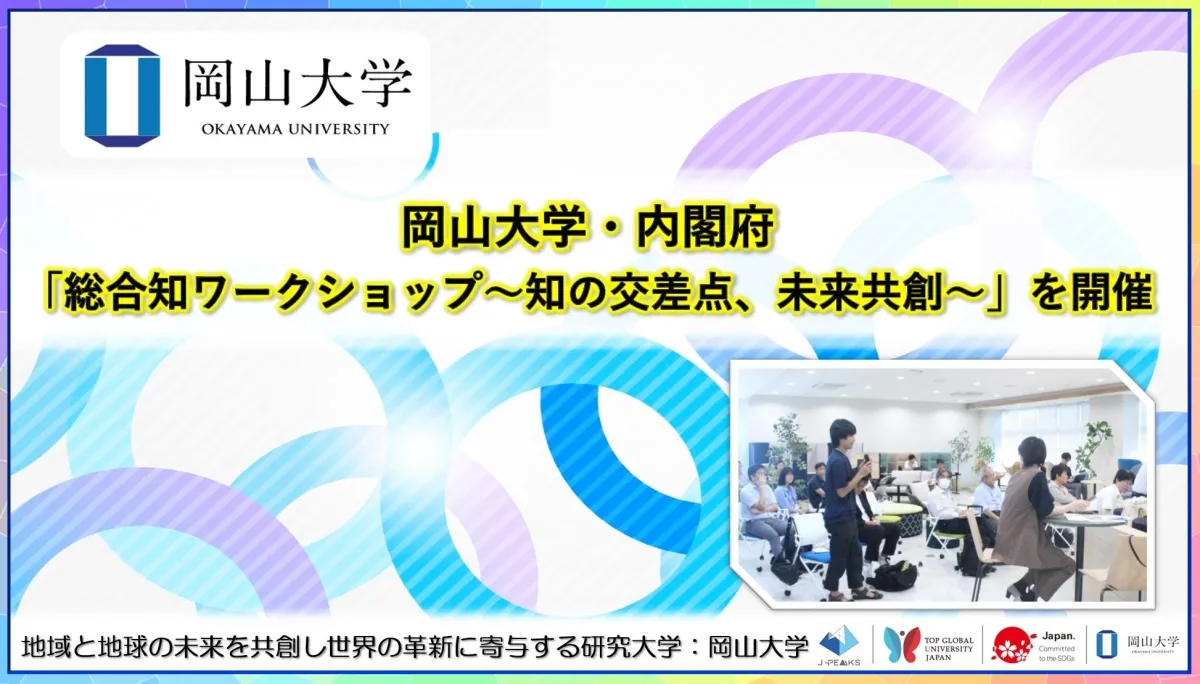
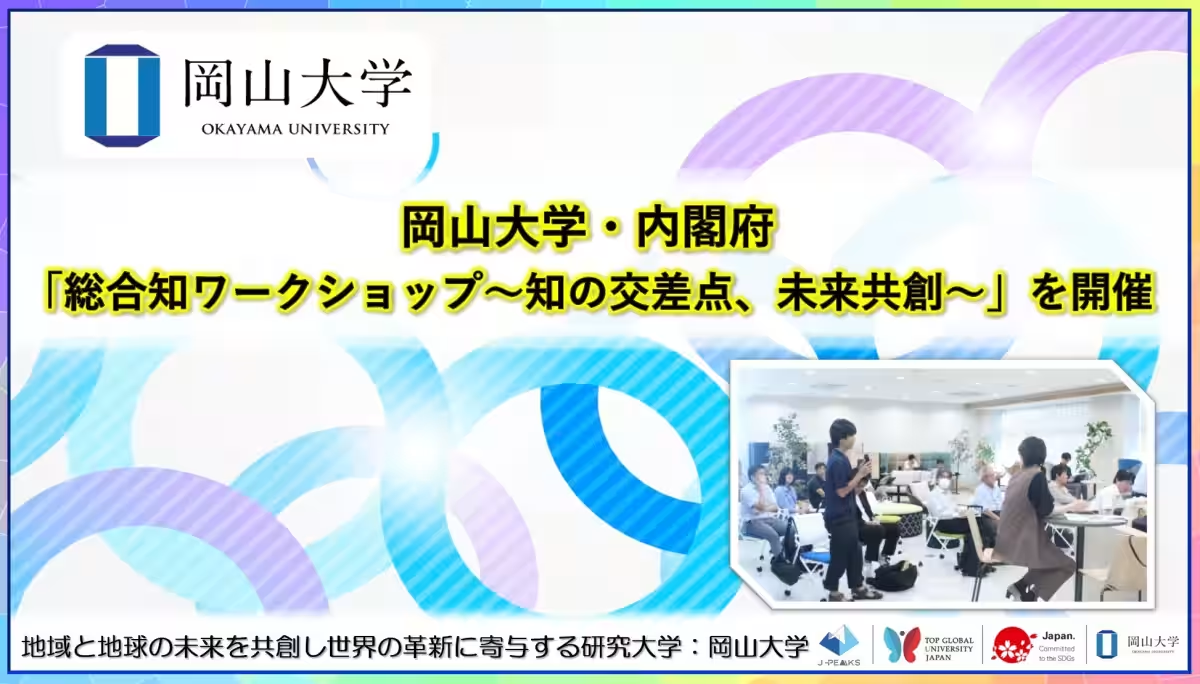
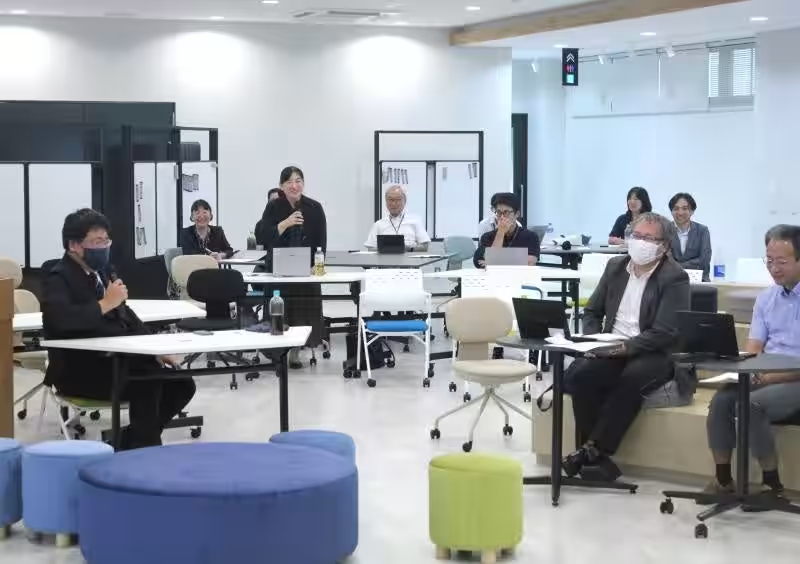
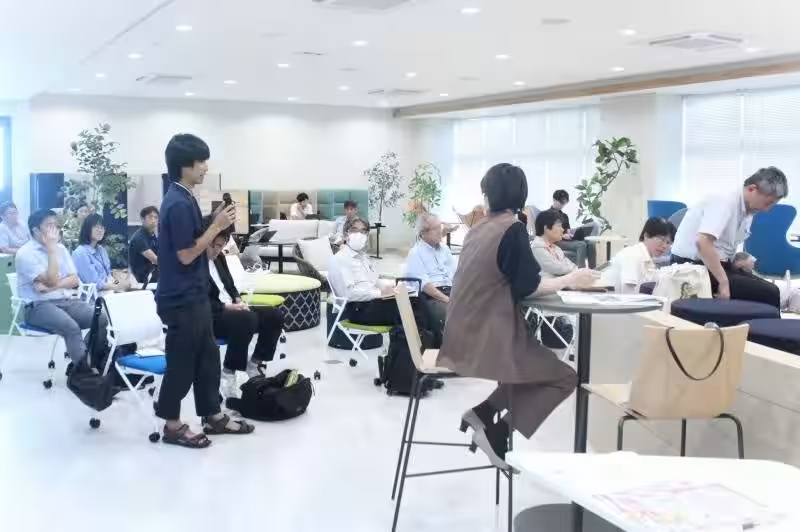
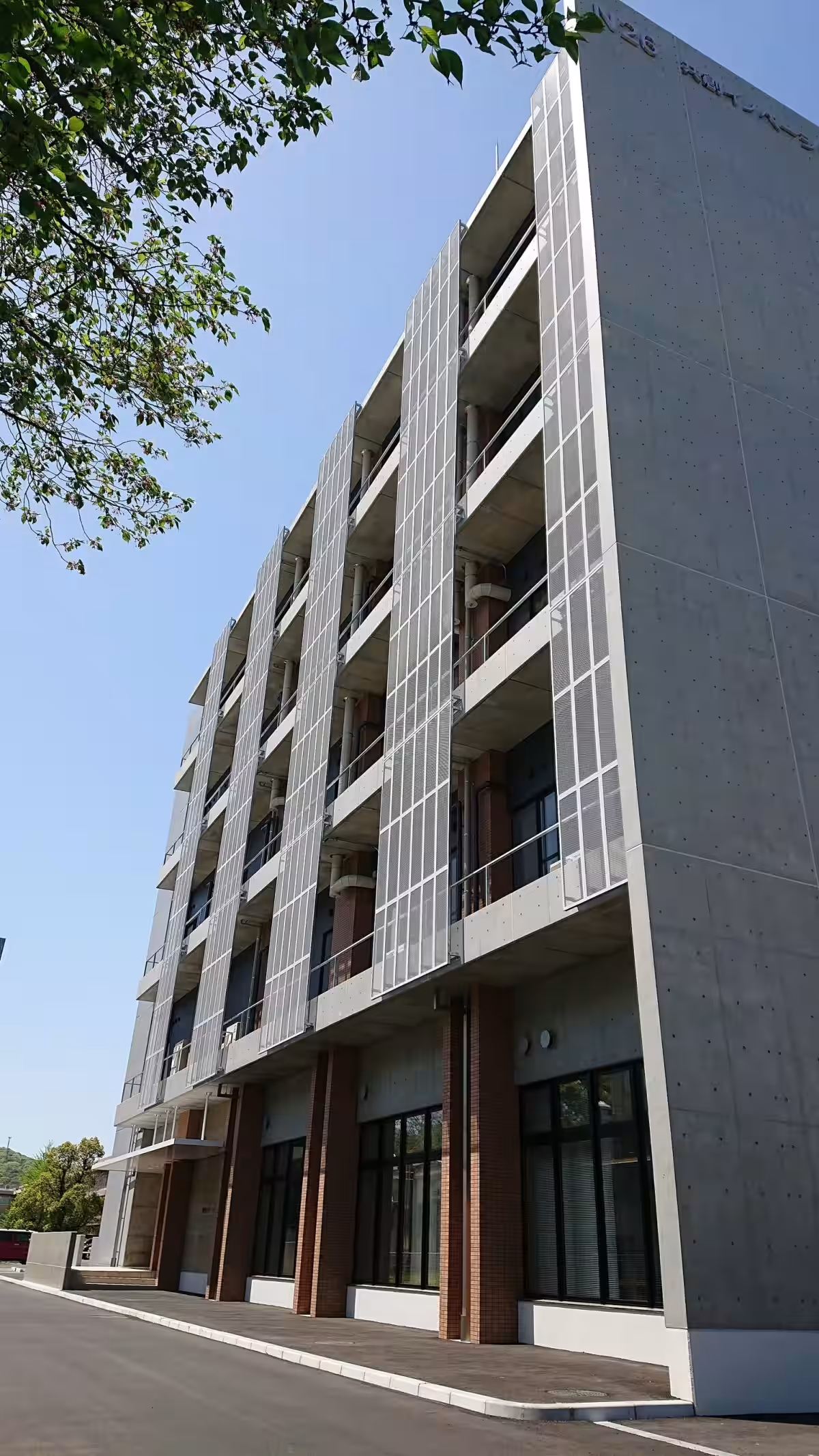
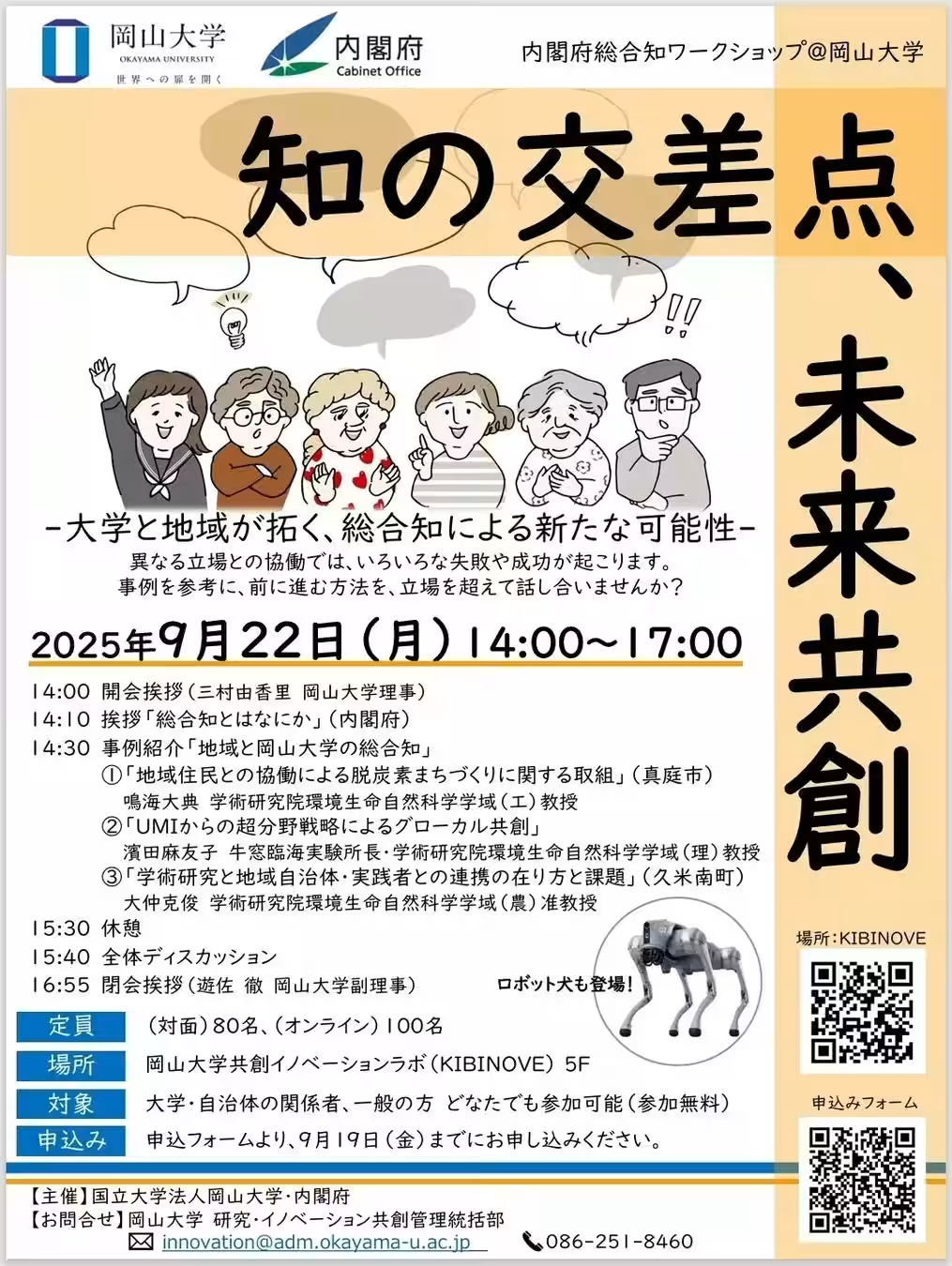
On September 22, 2025, Okayama University, based in Okayama City, Japan, hosted a significant workshop titled 'Integrative Knowledge Workshop: The Crossroads of Knowledge for Future Co-Creation' in collaboration with the Cabinet Office. This hybrid event occurred at the Co-Creation Innovation Lab, KIBINOVE, attracting around 100 participants, including university faculty, students, local government officials, and industry representatives.
This workshop sought to explore the concept of 'integrative knowledge,' a framework that merges natural and social sciences to address societal challenges and design a sustainable future. This concept has garnered attention in the sixth Basic Plan for Science and Technology Innovation, highlighting its crucial role in fostering a resilient society. The emphasis on integrating various types of knowledge reflects a progressive academic direction aimed at collaborative problem-solving.
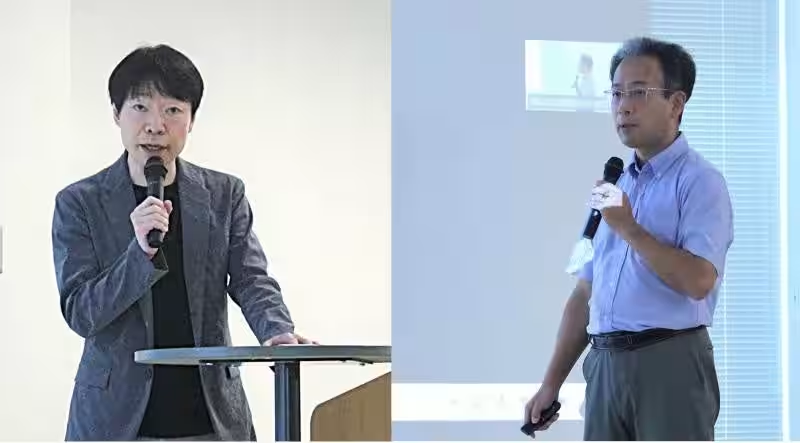
The day commenced with opening remarks from Yukari Mimura, a director responsible for planning and evaluation at Okayama University. Subsequently, Hidemune Fujita, a senior policy researcher from the Cabinet Office's Science and Technology Innovation Promotion Bureau, elaborated on the principles of integrative knowledge and its policy implications at the national level.
One of the workshop highlights included a presentation by Professor Daisuke Narumi from the School of Environmental and Natural Sciences. He shared insights on community meetings and bottom-up simulation efforts in Maniwa City, Okayama Prefecture, designed to enhance carbon neutrality in the region. This practical approach demonstrates how local engagements can shape effective environmental strategies.
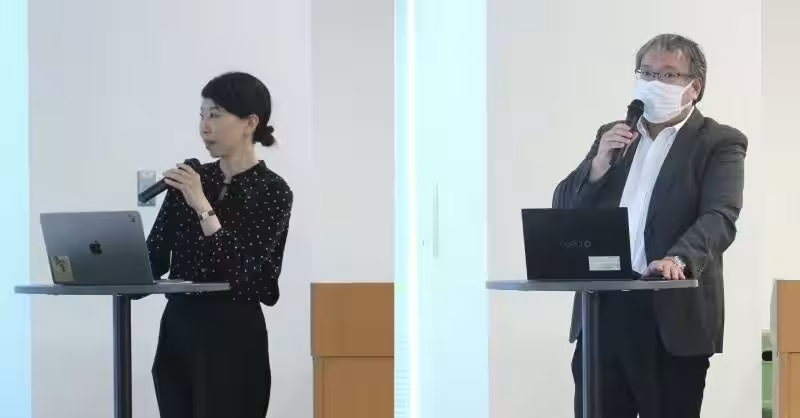
Another notable contribution came from Mayuko Hamada, director of the Umimado Coastal Research Laboratory. She introduced her research on marine biodiversity monitoring utilizing cutting-edge environmental DNA analysis. This work emphasizes the potential of glocal co-creation, a collaborative effort between marine resources and local communities.
Further discussions were spearheaded by Associate Professor Katsutoshi Onaka, who outlined the development of new business models facilitated by young practitioners and researchers in Kumeoka-town, a region facing population decline. His talk raised essential questions regarding sustainable academic research that directly addresses local issues and aligns with community needs.
An engaging general discussion moderated by Tadaaki Nakayama, a senior science and technology policy fellow, promoted active dialogue among participants from academia, government, and industry. The discussions underscored the importance of bottom-up approaches for involving local residents in problem-solving and how universities, positioned neutrally, can serve as hubs that foster collaborations across diverse perspectives. Key points included the need for collective awareness of issues and enhancing university mobility to secure talent serving as interfaces with society.
The event concluded with remarks from Emiko Uneyama, the executive director of research promotion, emphasizing the commitment of Okayama University to leverage integrative knowledge for returning academic insights to society. This initiative aligns with the Ministry of Education's 'Regional Core and Distinctive Research University Enhancement Project (J-PEAKS)', affirming the university's strategic efforts towards achieving its long-term vision for 2025.
Furthermore, Okayama University aims to cultivate new knowledge that connects local and global communities while solving societal issues through ongoing support for integrative knowledge initiatives. Exciting expectations surround the future contributions of Okayama University as a regional core and distinctive research institution.
The event showcased not just academic discourse but a tangible commitment to cultivating a sustainable society through knowledge integration and collaboration. The Co-Creation Innovation Lab, KIBINOVE, remains a pivotal site for future innovations and partnerships.
For more information about Okayama University and their initiatives, please visit their official website at Okayama University.
Topics Other)
【About Using Articles】
You can freely use the title and article content by linking to the page where the article is posted.
※ Images cannot be used.
【About Links】
Links are free to use.