



Understanding the Impact of Changes in High-Cost Medical Expense System
Understanding the Impact of Changes in High-Cost Medical Expense System
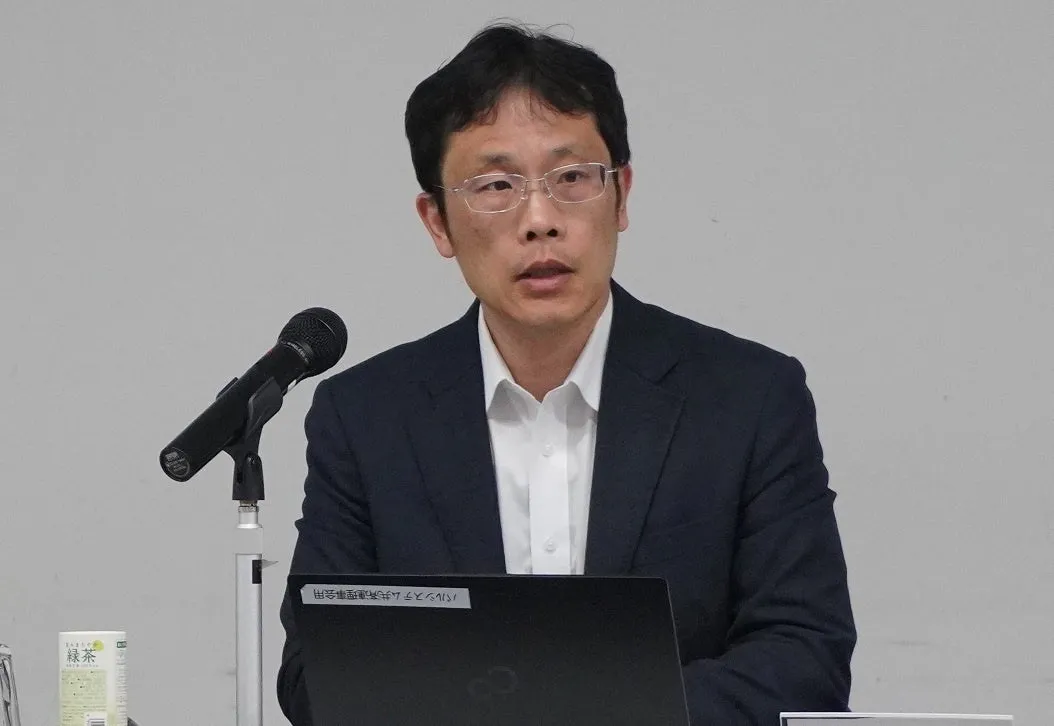
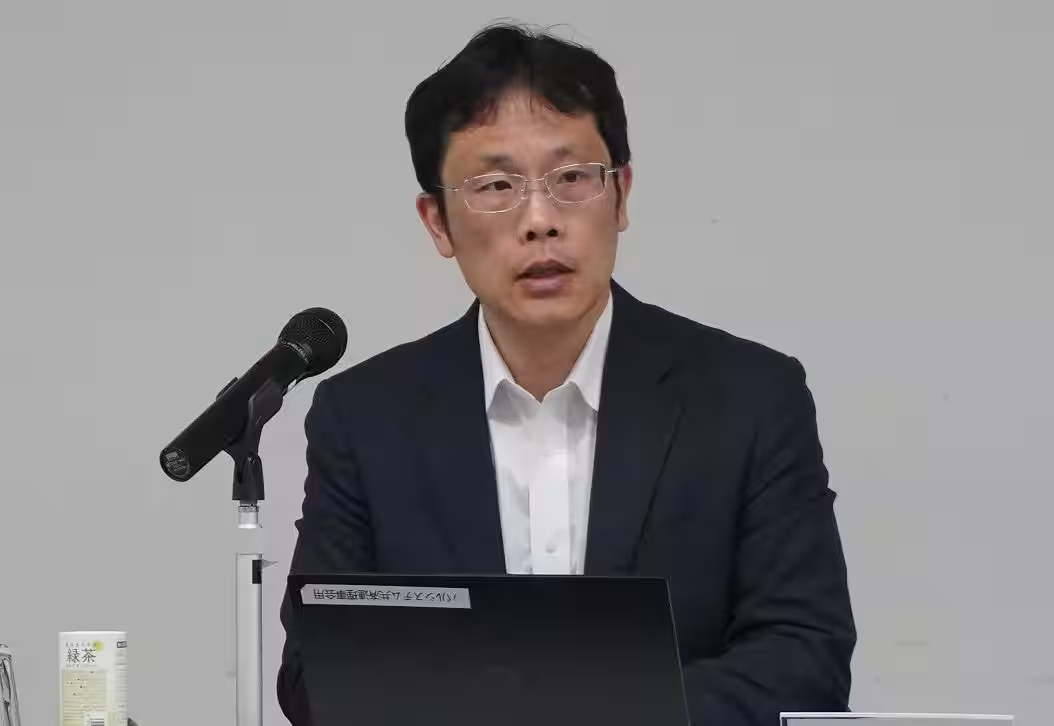
On April 2, 2023, Palsystem Mutual Aid Cooperative Association in Shinjuku, Tokyo, hosted a learning session on health and medical disparity. The event attracted 29 participants, including online viewers, to discuss the implications of upcoming changes to Japan's high-cost medical expense system. The discussion was led by Shogo Honnami, a key official from the Japan Federation of Medical Workers' Unions (Ippan) based in Shibuya, Tokyo.
Background of the High-Cost Medical Expense System
The high-cost medical expense system was established to alleviate the financial burden of medical expenses on patients requiring long-term treatment. It sets a cap on out-of-pocket expenses, with additional costs covered by health insurance providers. However, recent government decisions to increase the maximum contributions from patients have raised significant concerns among healthcare advocates and patients alike.
In 2025, the government had announced an increase in the out-of-pocket ceiling to ensure the system's sustainability. However, it faced criticism for potentially leading to treatment abandonment, leading to a retraction of the proposed increase shortly afterward. The Ministry of Health, Labour and Welfare underwent numerous discussions and eventually outlined new system reforms, which include modest improvements for low-income patients and long-term care individuals, but overall, it results in increased financial burdens for 6.6 million patients.
Analyzing the Consequences of the Changes
Honnami explained that while there are some concessions for long-term care patients, the revised structure ultimately increases expenses for most users. Specifically, if a household exceeds three uses of the system within a year, they can benefit from a reduced cap on their payments. Although there are provisions to lower costs for those earning under 2 million yen (approximately $18,000), the cost structure shifts the burden disproportionately onto patients without addressing high drug prices or securing additional government funding.
For many, the financial impact is severe; a recent survey revealed that nearly half of respondents experienced reduced incomes due to treatment, and over 70% reported altering their spending habits significantly. Some resorted to less expensive medications or treatments, which can lead to more severe health outcomes.
The Struggle of Families with Children
The issue is particularly acute among families with children who face rising costs related to housing loans and education, leading to difficult decisions such as compromising on medical treatments. For some, the added financial strain of medical costs could even lead to drastic measures like divorce or separation to qualify for lower out-of-pocket payments.
According to the World Health Organization, spending more than 40% of one’s income on healthcare is deemed catastrophic. As treatments lead to lost income for many families, the likelihood of surpassing this threshold becomes a reality for countless households.
The Response from Advocacy Groups
In response to the proposed changes, the Japan Federation of Medical Workers' Unions conducted a survey, finding that nearly half of participants experienced a decrease in their income due to medical treatment, with a significant portion unable to manage rising out-of-pocket costs. In February, they launched an online petition that garnered over 250,000 signatures, demanding the government halt the increases in financial responsibility.
The federation asserts that health regulations should not compromise the constitutional right to life. Advocates are adamant that the system should not demand sacrifices from vulnerable individuals, particularly when facing critical healthcare needs.
Conclusion: Moving Forward Together
Palsystem remains committed to addressing the challenges within Japan’s healthcare and social security systems alongside the Japan Federation of Medical Workers' Unions. They aim to promote understanding of these crucial issues, ensuring that everyone receives the support and information necessary to navigate the complexities of medical expenses. As they engage with a variety of organizations, Palsystem endeavors to foster a society where every individual can live healthily and affordably, focusing on equitable access to medical care for all citizens.
Topics Health)


【About Using Articles】
You can freely use the title and article content by linking to the page where the article is posted.
※ Images cannot be used.
【About Links】
Links are free to use.