



Exploring Foreign Tourists' Awareness of Japanese Hot Springs and Inns Through Collaborative Research
Understanding Foreign Tourists' Perception of Japanese Hot Springs
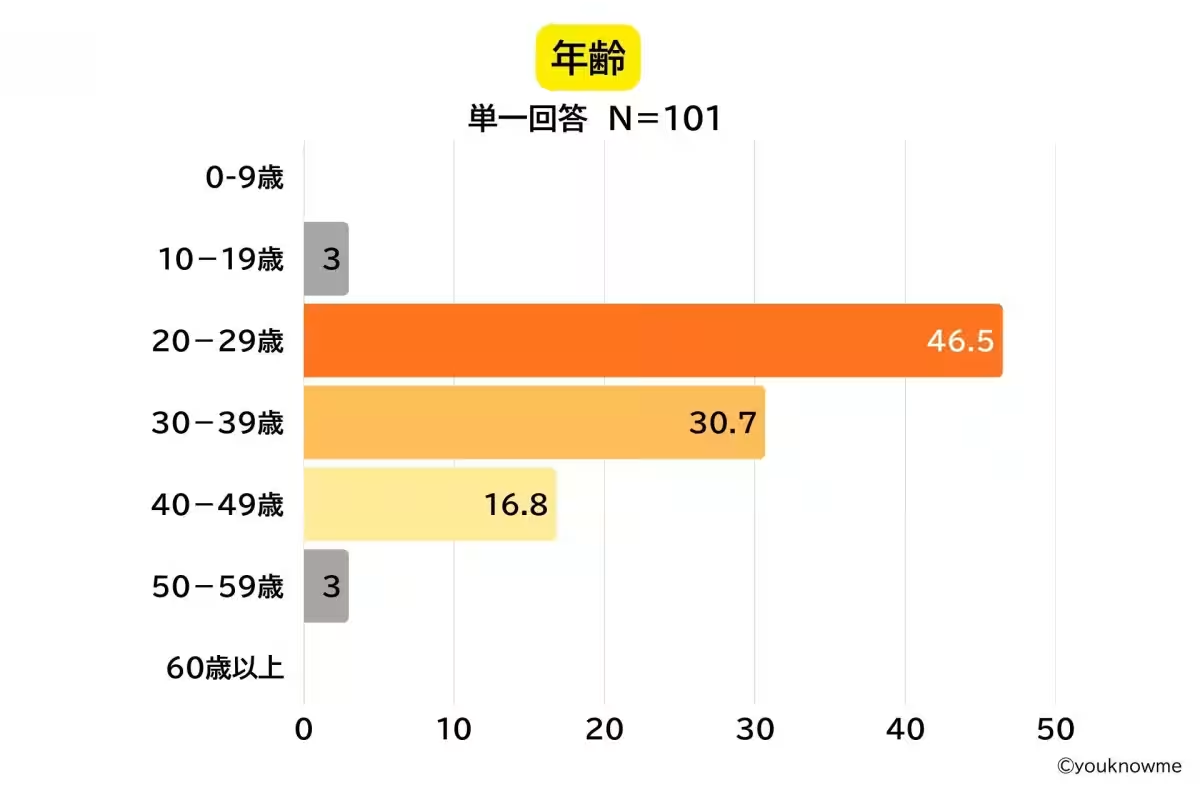
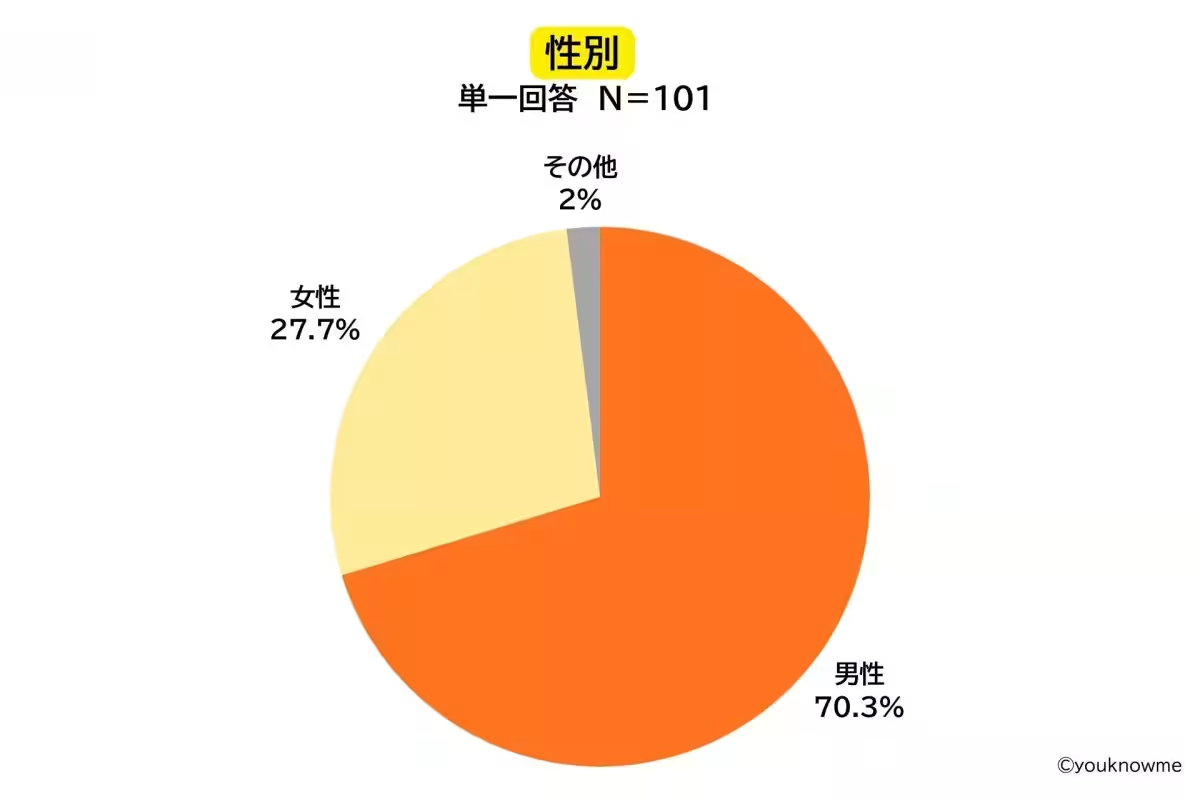
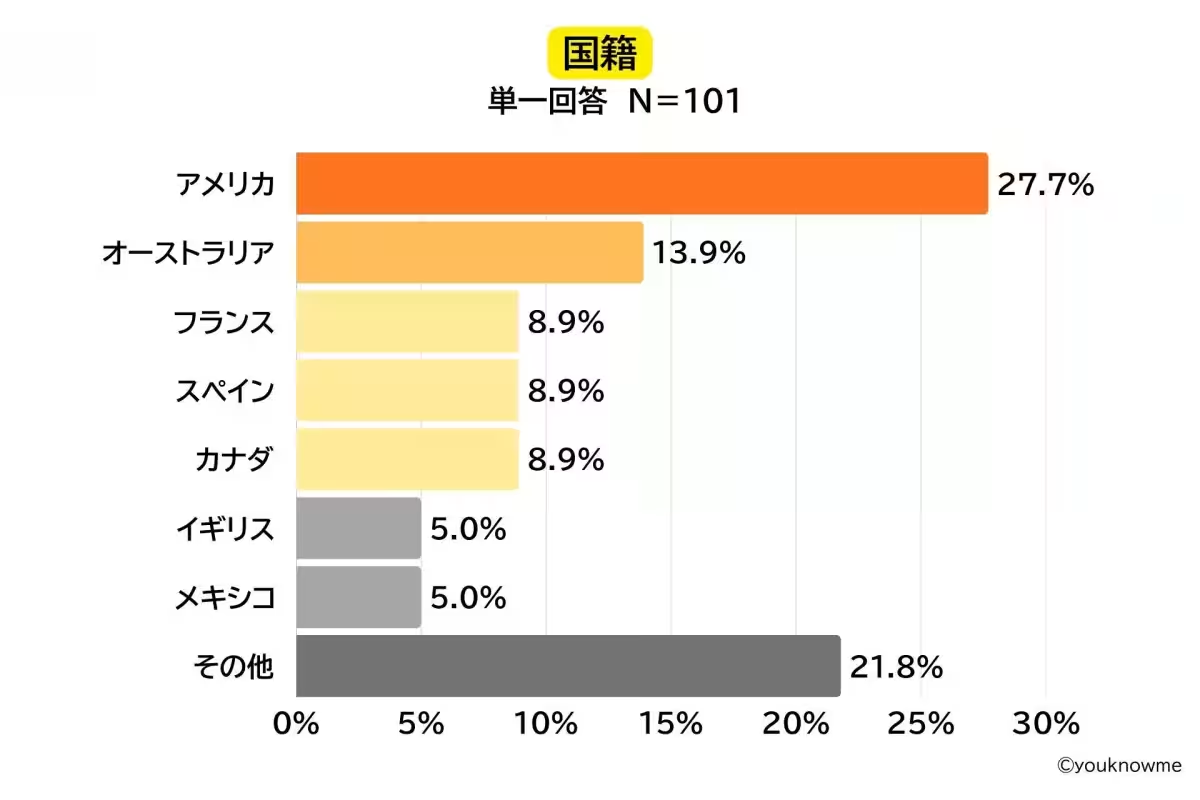
In an illuminating joint study between Hakone DMO and the inbound research service youknowme, an intriguing survey was conducted involving approximately 100 foreign tourists in Shinjuku, Tokyo. This research aimed to unveil their awareness and perceptions regarding the utilization of hot springs and inns in Japan, especially as we approach the unique "Bath Day" on February 6, 2026.
Background of the Study
Hakone, a beloved tourist destination attracting around 20 million visitors annually, has been gathering ongoing feedback to ascertain travel satisfaction and needs. However, a crucial gap emerged regarding understanding why some potential travelers chose not to visit Hakone. Located just 75 minutes away from Shinjuku via the express Romancecar line, this area also presents an opportunity to entice a vast number of foreign visitors who frequently stay there.
To fill this gap, the survey was tailored to gauge the interest, expectations, and barriers among foreign tourists currently staying in Tokyo, further highlighting their perceptions of traditional Japanese hot springs.
Key Findings
1. Strong Interest in Japanese Hot Springs
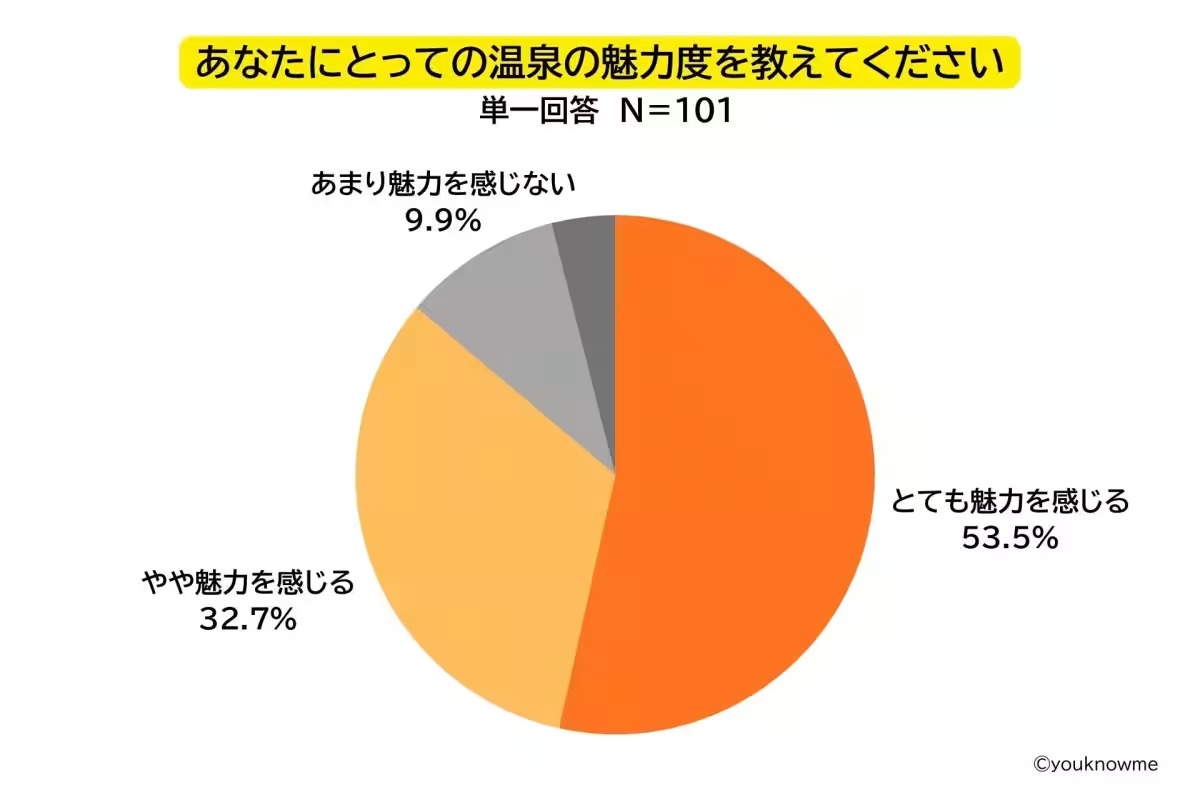
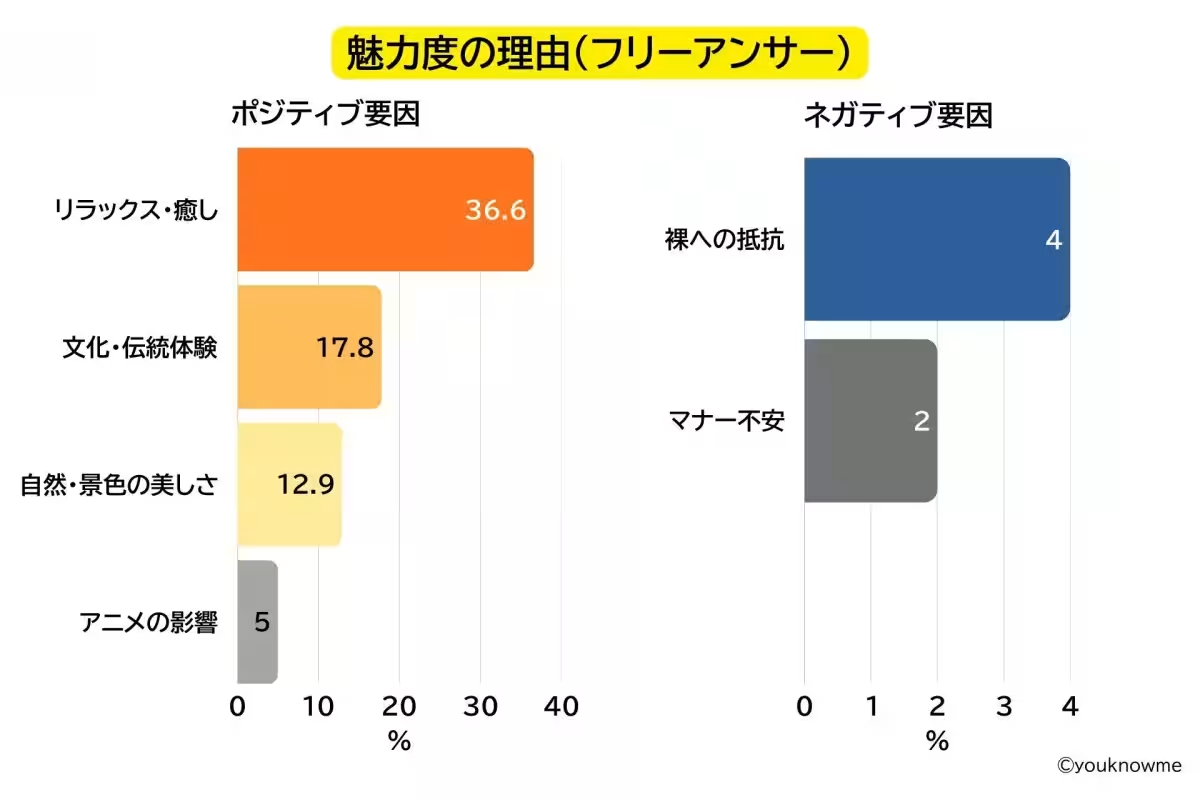
The findings revealed that approximately 80% of the respondents found Japanese hot springs to be appealing. Specifically, 53.5% described them as "very attractive," while 32.7% deemed them "somewhat attractive." Common reasons cited for this interest included a desire for relaxation and a wish to experience Japanese culture.
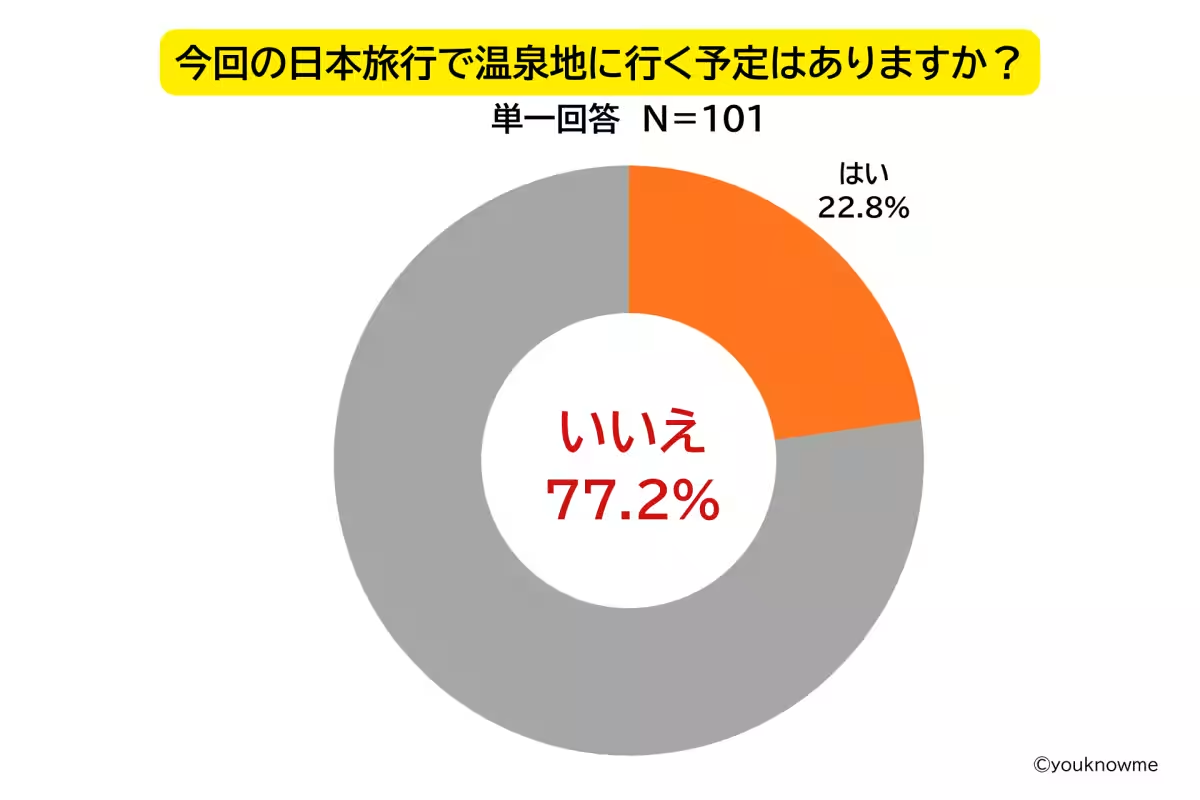
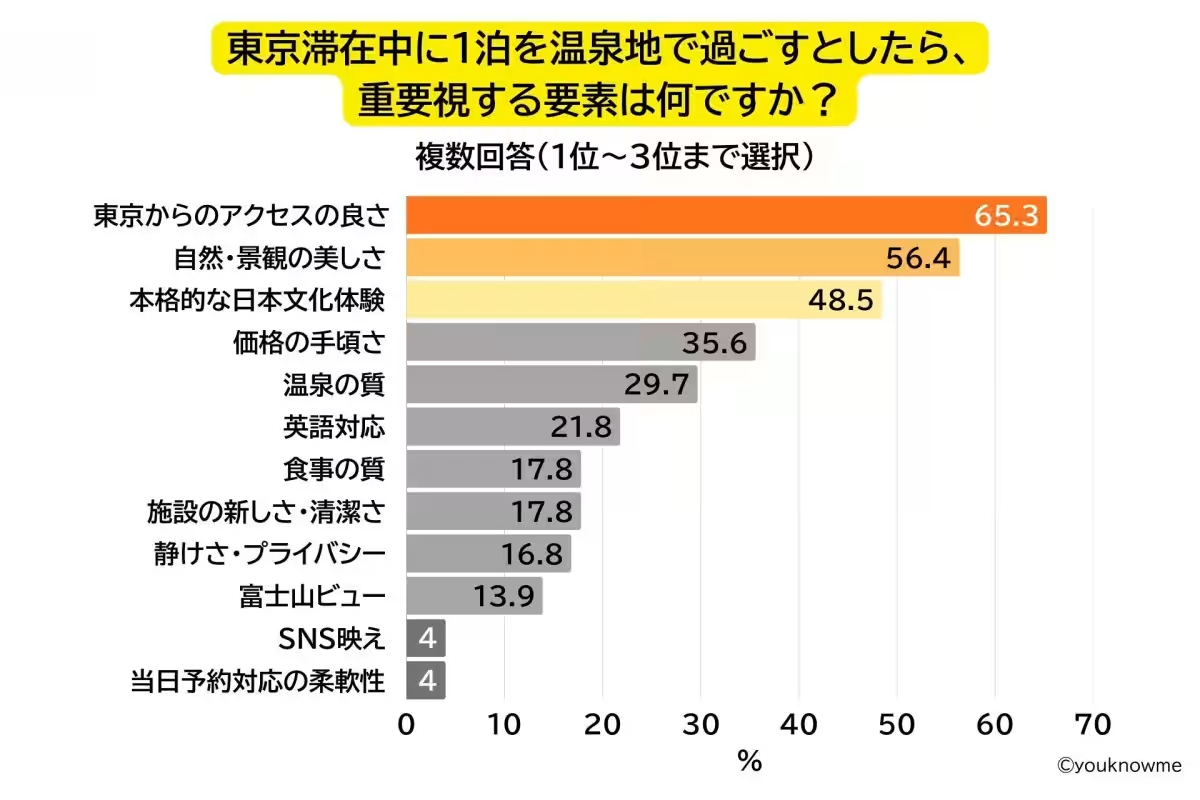
Despite the apparent interest, there existed a significant disconnect between the tourists' fascination with hot springs and their actual plans to visit them, as only 22.8% of respondents intended to visit an onsen during their trips. When asked which factors influenced their choice of accommodation, respondents prioritized accessibility from Tokyo (65.3%), beautiful natural scenery (56.4%), and authentic Japanese cultural experiences (48.5%).
2. Access and Information as Barriers
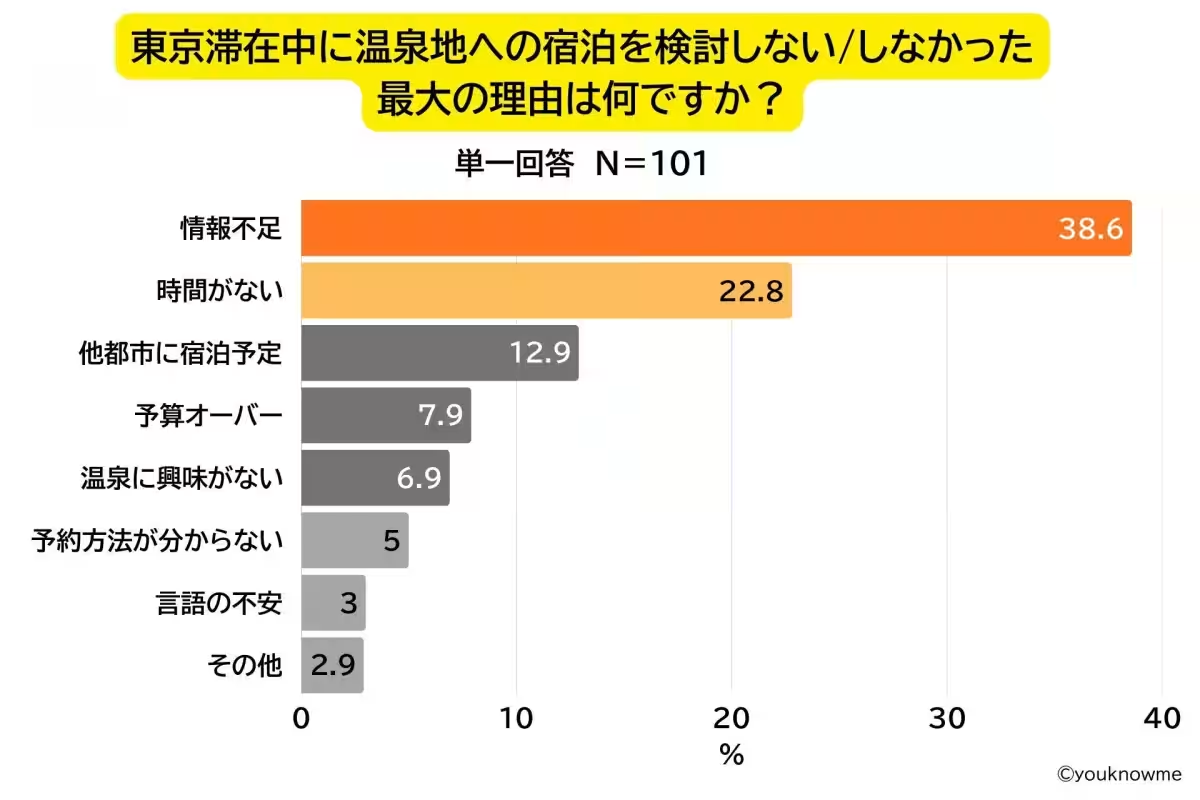
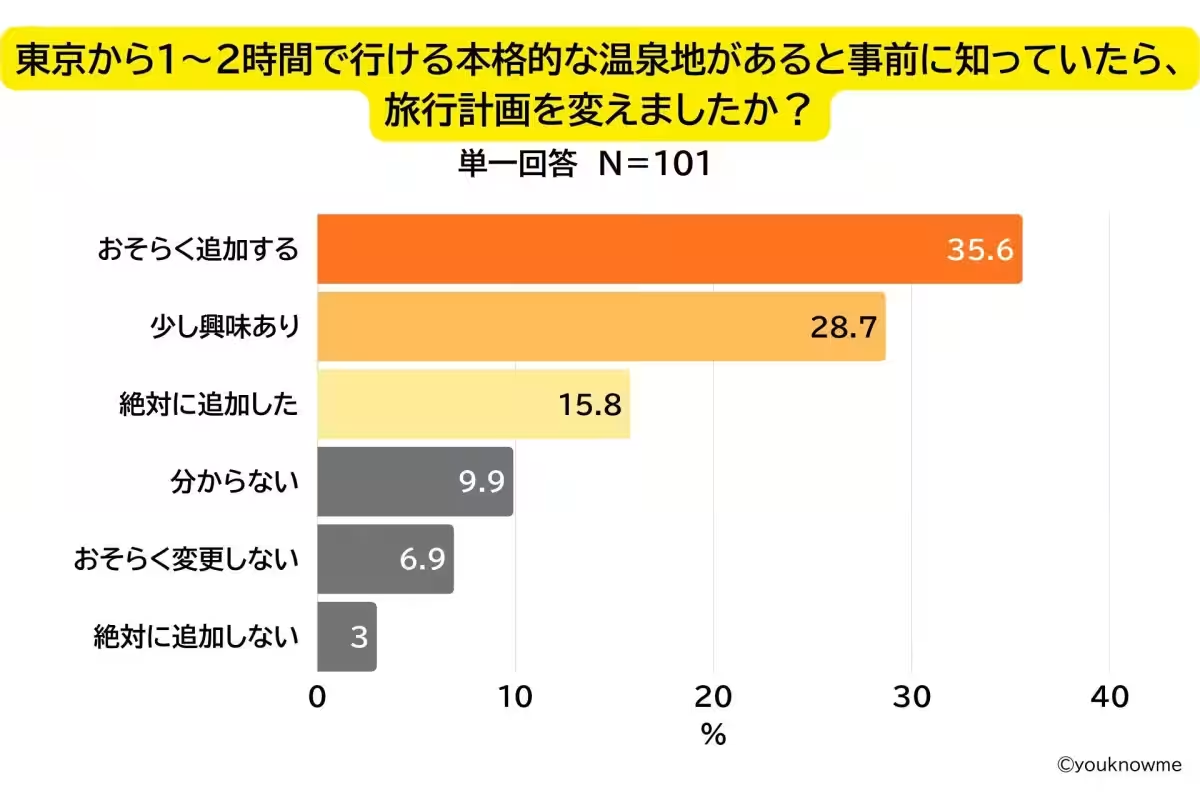
While many respondents expressed interest in visiting hot springs, they cited several barriers. The chief reason for not considering a stay was "lack of information," with 38.6% of respondents indicating this issue, followed by time constraints (22.8%). Interestingly, when asked if they would adjust their travel plans upon learning that they could stay at a hot spring lodging within 1-2 hours from Tokyo, 80.2% reacted positively, indicating they would be likely to include it in their itinerary.
This finding suggests that travelers may harbor misconceptions about the distance and accessibility of hot springs, which a more proactive promotion could address.
Media Utilization and Trends
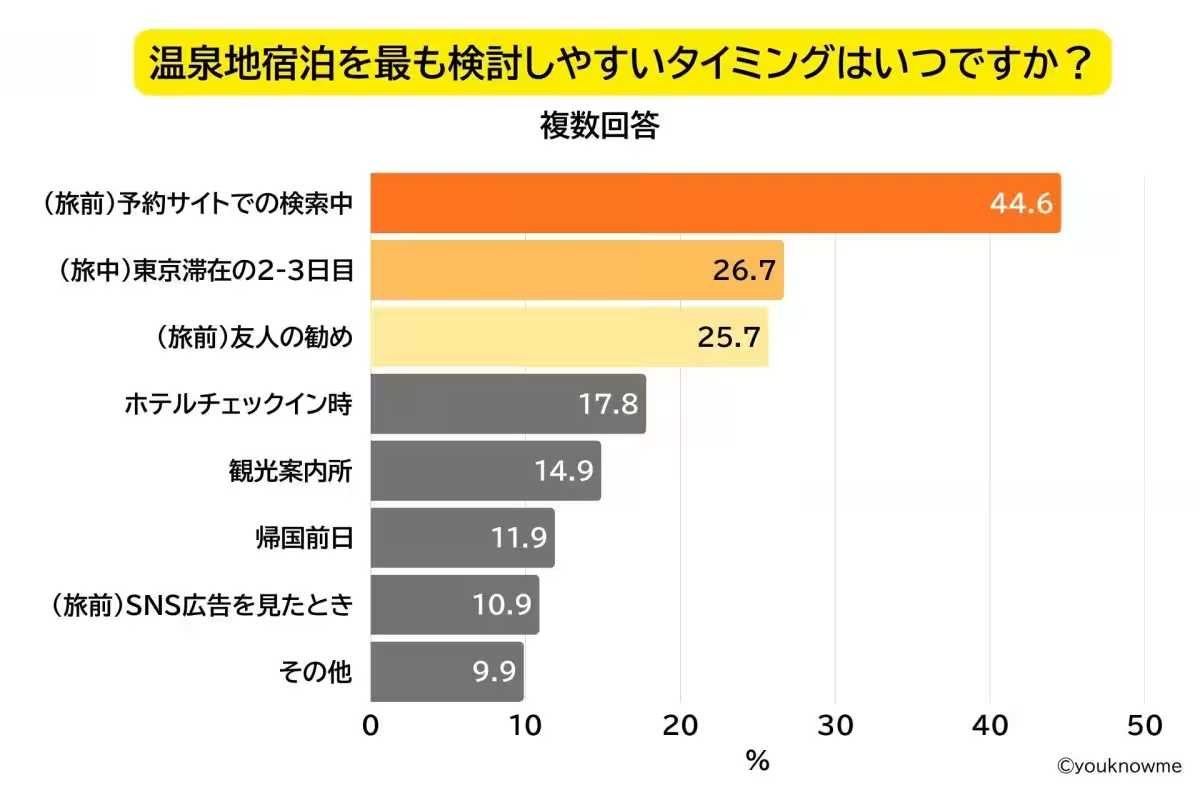
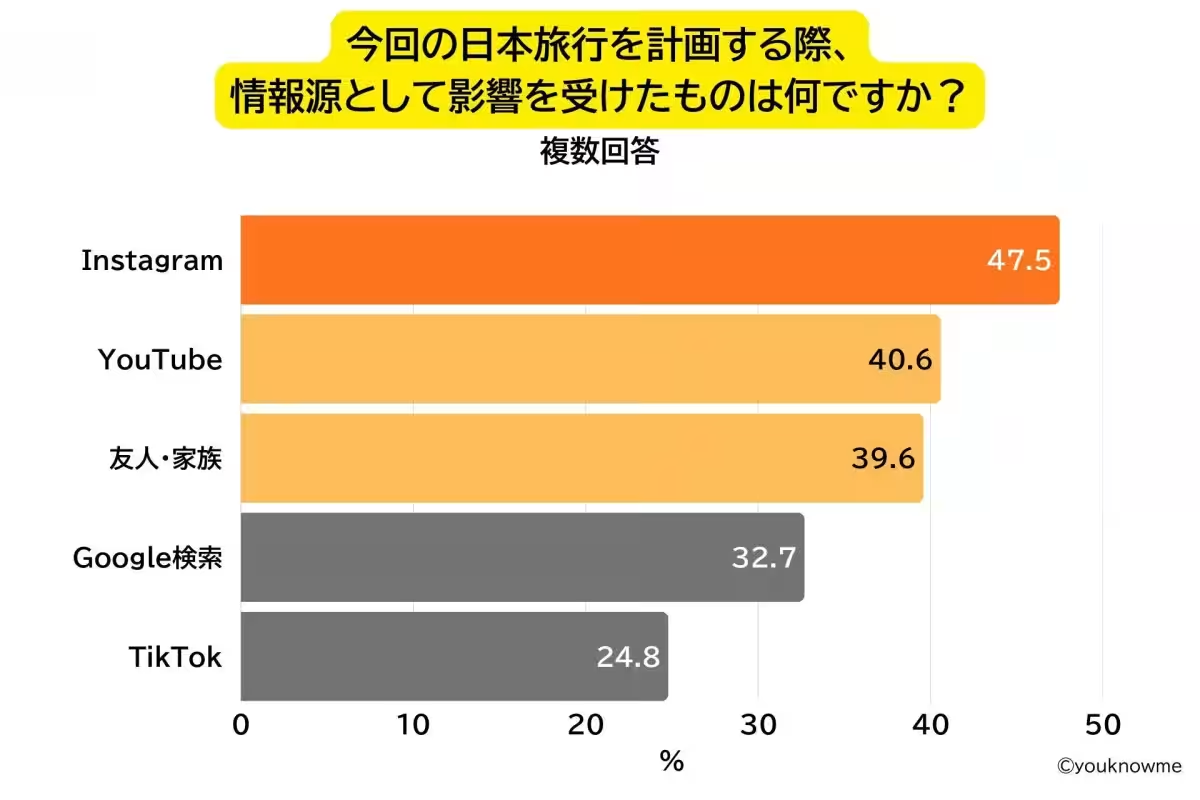
When asked about the best timing to consider visiting a hot spring, 44.6% mentioned searching hotel booking sites before traveling. Social platforms were also noted as significant sources for travel information, with Instagram (47.5%) and YouTube (40.6%) leading the charge as preferred resources.
Comments from youknowme
This research illustrates that even amid the interest in hot springs, the inability to effectively convey the ease of access and the beauty of nature surrounding these locations remains a critical challenge. Promoting this information through targeted social media campaigns before and during trips—utilizing platforms such as Instagram and YouTube—could significantly encourage more visitors to experience onsen culture firsthand.
Client Insights from Hakone DMO
Representatives from Hakone DMO emphasized the study's value in illuminating the high interest of unvisited tourists in hot springs and the considerable opportunities lost due to insufficient information. They aim to share these insights with local businesses to improve the reception environment and enhance promotional efforts.
Conclusion
In summary, translating the curiosity that foreign tourists express about Japan's onsen culture into actual visits necessitates addressing knowledge barriers. Through effective promotion that combines the allure of traditional Japanese culture with ease of access, the hospitality and allure of Hakone's hot springs can likely be experienced by a broader audience. This critical research initiative led by youknowme provides a framework for future growth in attracting tourists to these cultural treasures.

Topics Travel)


【About Using Articles】
You can freely use the title and article content by linking to the page where the article is posted.
※ Images cannot be used.
【About Links】
Links are free to use.