




The Impact of Typhoons on Japan's Unique Wet Heat Waves and Climate Patterns
Understanding Japan's Distinct Wet Heat Waves
In recent years, the summer heat in Japan has presented unique challenges, particularly as the country faces a notable increase in extreme temperature events. Researchers have classified these events to better understand their frequency and types, shedding light on the phenomenon of wet heat waves caused by approaching typhoons.
The Nature of Japan's Heat Waves
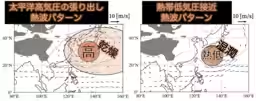
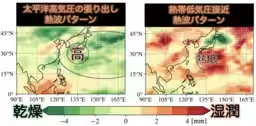
Typically, Japan's summer heat waves are attributed to the expansion of the Pacific High. However, this research reveals an important distinction: even when the Pacific High is not dominant, unusually high humidity and extreme heat phenomena occur during typhoon events. This scenario leads to what researchers define as a wet heat wave, characterized not just by high temperatures but also by extremely high humidity levels. Unlike the dry heat waves commonly observed in continental climates, Japan’s wet heat waves often manifest under cloudy conditions and can significantly impact daily life.
Study Overview and Findings
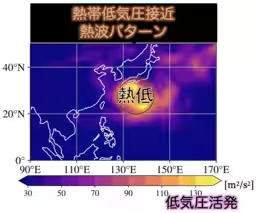
A research team comprising members from Tokyo Metropolitan University, the Japan Meteorological Agency, and Rissho University examined climate data over the past 30 years. They aimed to classify atmospheric circulation patterns associated with hot days in western Japan, recognizing various influences, including those from tropical depressions. It was found that around 25% of Japan’s heat waves could be linked to tropical cyclones, representing a significant increase in occurrences over recent decades.
The research employed advanced atmospheric reanalysis data to identify heat wave days—defined as those in the top 10% of high-temperature occurrences. This classification helped map out atmospheric patterns that lead to heat waves, emphasizing the role of tropical cyclones and their connections to increased moisture transport into Japan.
Increasing Frequency of Wet Heat Waves
The results of this research underscore a worrying trend: Japan's wet heat waves have been increasing both in frequency and intensity. These wet heat waves, resulting from the influx of moisture, engender extremely uncomfortable conditions due to the combination of high temperatures and high humidity. This phenomenon starkly contrasts with the dry heat waves seen in continental climates, leading many to voice concerns about the implications for public health and overall quality of life in Japan.
The Role of Climate Change
As climate change continues to influence weather patterns globally, researchers are calling for more detailed studies to predict how these wet heat waves may evolve. The simultaneous occurrence of heavy rainfall and heat waves, often exacerbated by tropical systems, could lead to increasingly severe weather-related disasters. This underscores the complex relationship between various extreme weather phenomena and highlights the necessity of ongoing research in this area.
Conclusion
Overall, understanding the dynamics of Japan's unique wet heat waves is crucial for developing effective strategies to mitigate their effects. This research not only identifies the patterns and frequency of these occurrences but also emphasizes the need for increased awareness and preparedness in a changing climate. As typhoons remain a significant factor in the environmental realities of Japan, collaborative efforts among meteorologists, urban planners, and policymakers are essential to safeguard communities against the rising threats posed by these extreme heat phenomena.
Future Directions
Going forward, researchers stress the importance of continued monitoring of these wet heat waves, particularly as they may influence the frequency of flooding and other weather-related disasters. Considering the potential health impacts and socioeconomic factors related to increased heat exposure, it is vital to prioritize studies that explore the interplay between tropical cyclones, moisture levels, and high-temperature events in Japan and beyond.



Topics Environment)
【About Using Articles】
You can freely use the title and article content by linking to the page where the article is posted.
※ Images cannot be used.
【About Links】
Links are free to use.