



Future-Oriented Workshops for High School Students Emphasizing AI at Science Agora 2025
Introduction
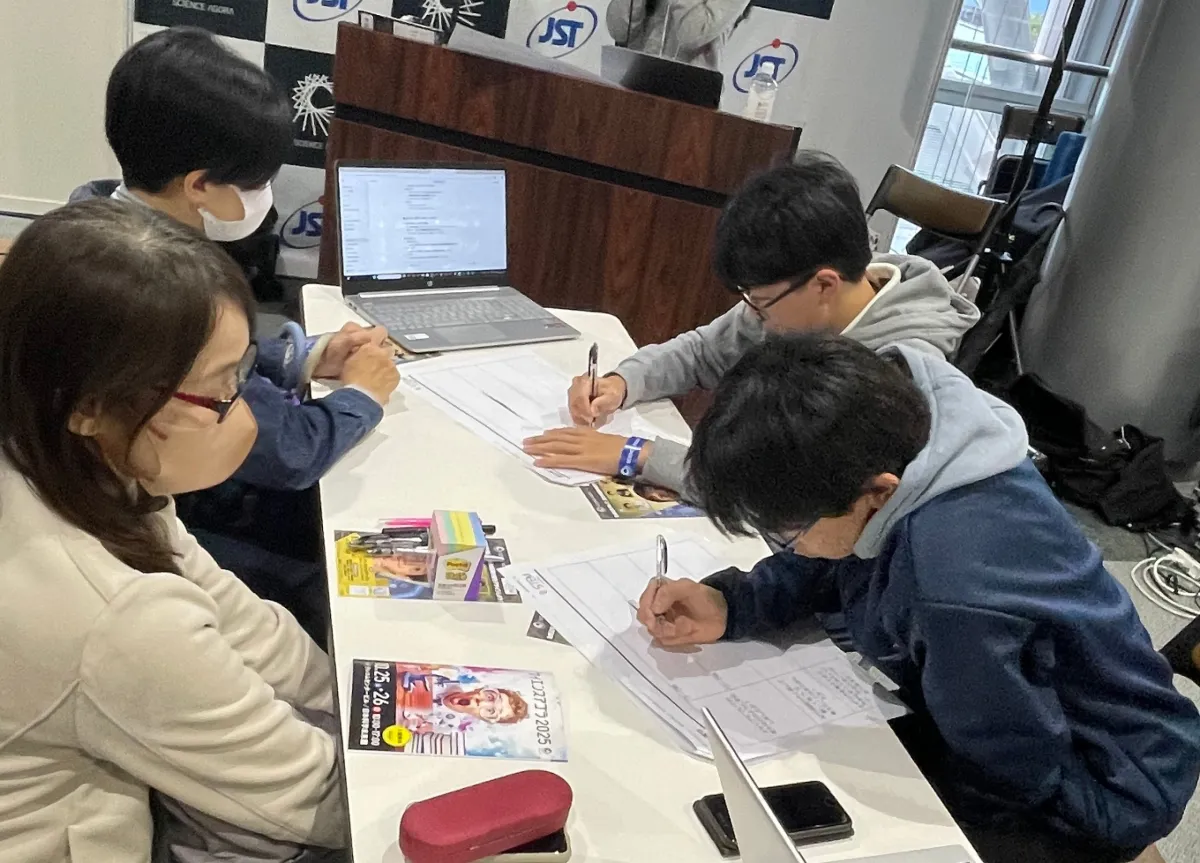
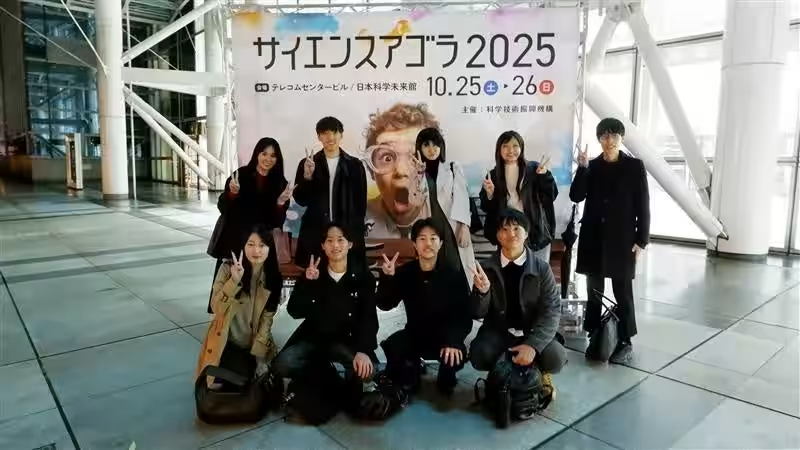
At the Science Agora 2025, a significant event held on October 25 and 26, university students facilitated a workshop targeting high school students. Organized by the NPO STEM Leaders, the workshop focused on the appropriate use and limitations of generative AI while allowing participants to experience a future-oriented perspective. The session was designed to address the dual challenges faced by youth today: the rapidly evolving landscape of generative AI and the pertinent issue of career design for high school students.
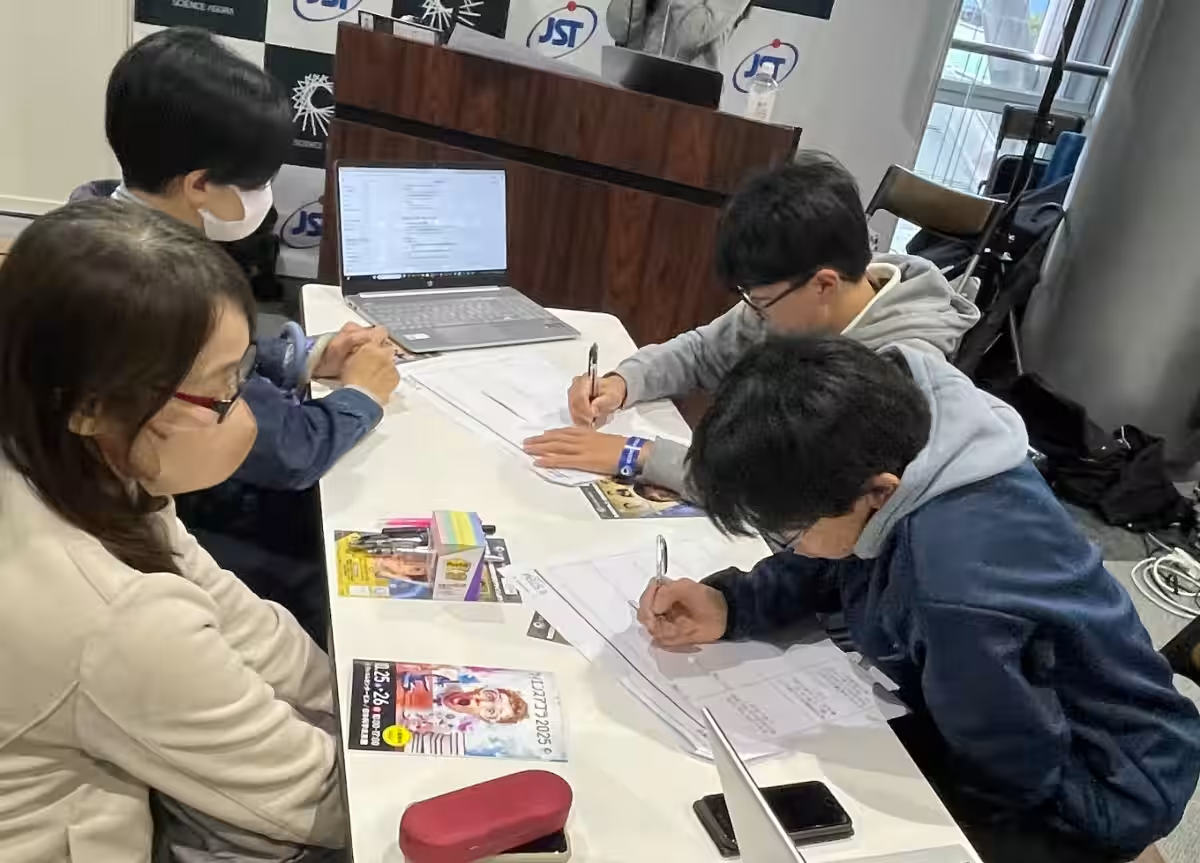
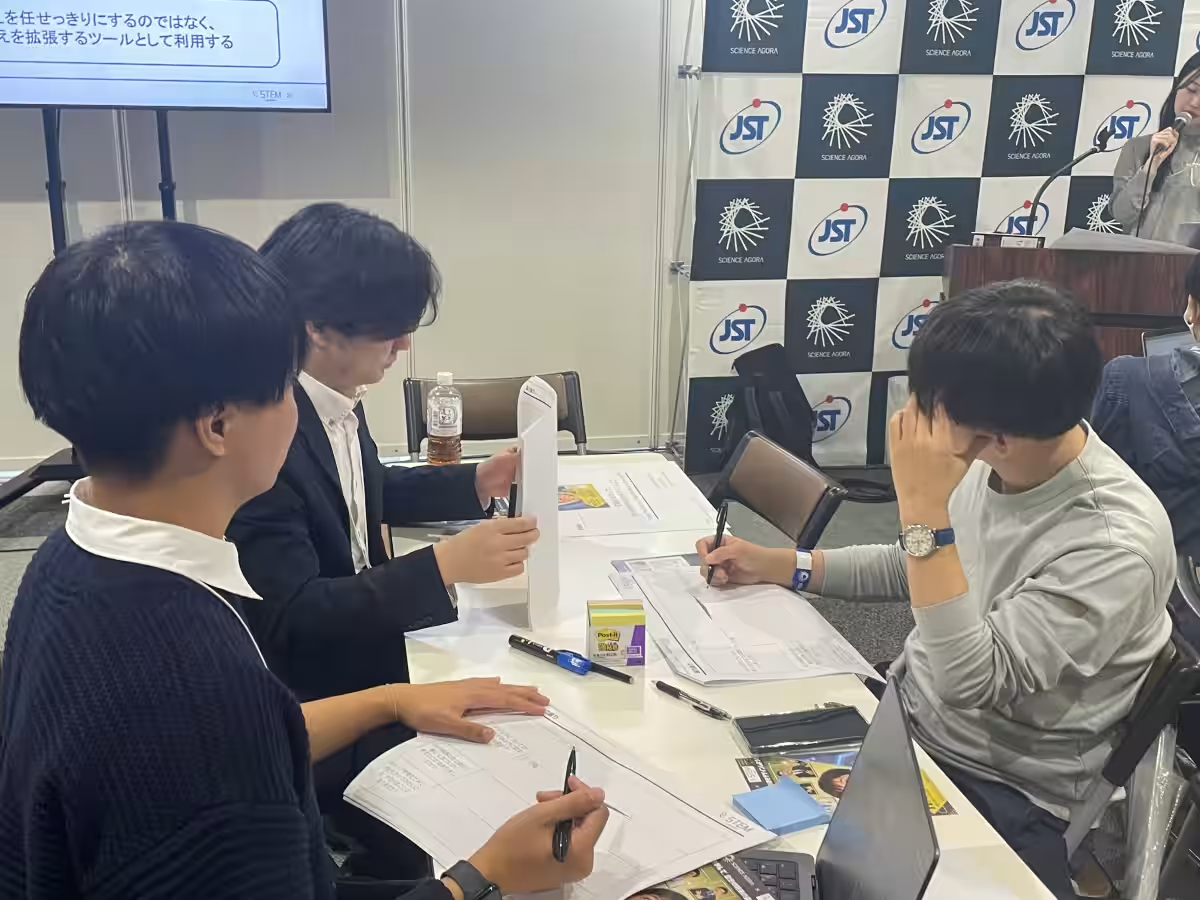
Participants engaged in a collaborative environment where both university students and their younger peers worked together to ‘design their futures’ through various activities involving generative AI. The aim is to expand these initiatives nationally, promoting innovation powered by the younger generation.
Background of the Event
The workshop witnessed participation from alumni and pro bono staff from Accenture, who shared real-world insights about career development in the age of AI. This initiative was crucial, considering the societal issue where educational environments struggle to keep pace with the swift advancements in AI technologies. High school students today face complexities in contemplating their futures. STEM Leaders aimed to address these challenges through this workshop, enabling students to visualize their future paths with AI’s assistance in their decision-making process.
Objectives of the Workshop
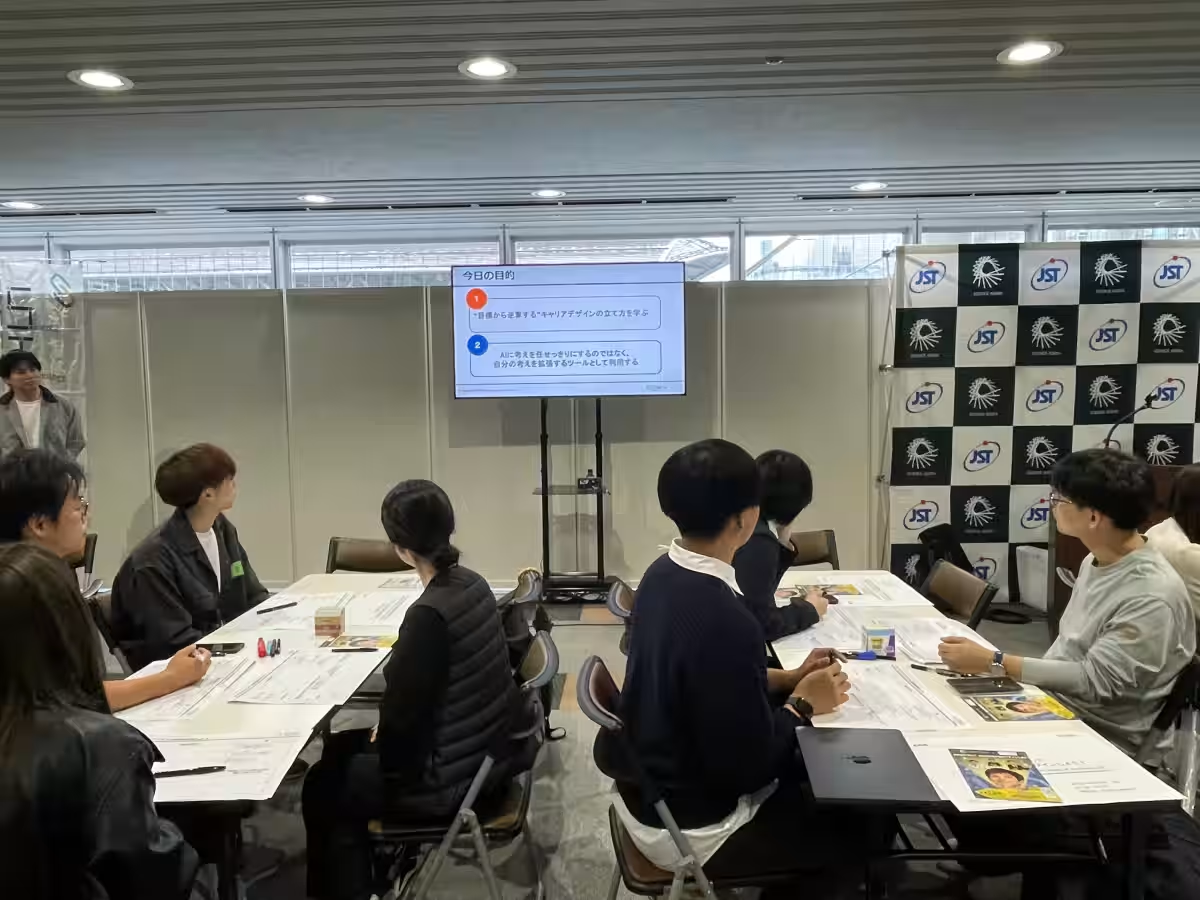
The workshop provided a platform for dialogue regarding career perspectives, including discussions about the collaboration between generative AI and humans involving educators and social organizations. The primary goals included:
1. Fostering responsible use of generative AI across society.
2. Enhancing generative AI literacy among high school students.
3. Offering meaningful opportunities for young students to contemplate their futures.
Workshop Structure
The 90-minute session was divided into two distinct parts:
1. Creating a Future Timeline with Generative AI:
- Participants learned the fundamentals of generative AI and key considerations when using it, including prompt engineering.
- Using a framework for career design, students answered questions related to various career paths, deepening their self-understanding.
- They then collaborated with AI to create a personalized future timeline.
2. Career Roundtable:
- In this segment, university students engaged with attendees, discussing university entrance exams and post-high school pathways.
- Participants heard authentic experiences from working professionals, helping them form a more concrete image of potential careers.
Unique Features of the Program
This initiative was more than just an AI experience; it focused on cultivating the ability to articulate one's future through dialogue with AI, emphasizing long-term skills development. Noteworthy aspects include:
- - Proactive Co-Creation with AI: High school students experienced the ‘co-creation skills’ essential for future adult life.
- - Backward Planning from the Future: The program uniquely integrated career advisory perspectives, encouraging students to consider their pathways through reverse planning.
- - Forming Career Frameworks: An early opportunity to establish a ‘career axis’ was provided, crucial for interviews and future jobs.
Why STEM Leaders Chose Science Agora for This Initiative
Science Agora serves as a platform encouraging dialogue between science and society. The workshop orchestrated by STEM Leaders directly addresses pressing societal challenges for today's youth, such as:
- - The lack of generative AI literacy inadequately addressed in school education.
- - The challenges high school students face in making career decisions.
- - The limited availability of intergenerational platforms for discussing future aspirations.
STEM Leaders construct this program as a practical example of how youth can leverage science and technology to address their challenges. Their innovative approach reframes AI not merely as a convenient tool but as a partner for contemplating life decisions.
Considerations During Program Design
The program design intentionally included opportunities for critical AI literacy, encouraging students not to accept suggestions at face value but to evaluate them through their own belief systems. Additionally, AI interactions prompted participants to rediscover their strengths and interests, facilitating deeper self-exploration.
Reflections on the Workshop
A diverse dialogue environment emerged on the day of the workshop, with participants spanning various age groups. Many high school students reported gaining fresh perspectives on engaging with generative AI.
Voices from the Organizing Team:
- - Hibiki Murase (Master's Student, Yokohama National University): He noted how high school students engaging in discussions with university students and professionals led them to deeply consider their interests and future goals, emphasizing the necessity for intergenerational dialogue.
- - Miku Masaki (Sophomore, Tsuda University): She highlighted the valuable experience of contemplating necessary future skills and gaining broader insights about societal dynamics through AI-utilized reflection.
Future Directions
STEM Leaders are committed to continuing their mission of connecting science with society and expanding youth-led scientific communication. They invite interested students, educational institutions, and local governments to join their efforts in fostering a robust scientific community.
Contact Information
NPO STEM Leaders
Public Relations Director: Yurika Mineishi (Sophomore, Tsuda University)
Secretary General: Ryo Watanabe (Master's Student, Yokohama City University)
E-mail: [email protected]
About Science Agora
Science Agora is an inclusive space that aims to connect various people, transcending fields, sectors, ages, and nationalities, facilitating a collaborative movement that tackles issues surrounding science and society. More information can be found on their official website and their Instagram.
About STEM Leaders
Founded in 2016, STEM Leaders aims to cultivate leaders capable of problem identification and resolution using STEM (Science, Technology, Engineering, Mathematics). The organization encompasses approximately 131 university students from diverse backgrounds across 19 institutions. They actively promote socio-environmental initiatives in collaboration with local governments and universities. More details are available on their website and their Instagram.
Topics Other)
【About Using Articles】
You can freely use the title and article content by linking to the page where the article is posted.
※ Images cannot be used.
【About Links】
Links are free to use.