



Akasaka Intercity AIR Achieves Prestigious LEED Platinum Certification
Introduction
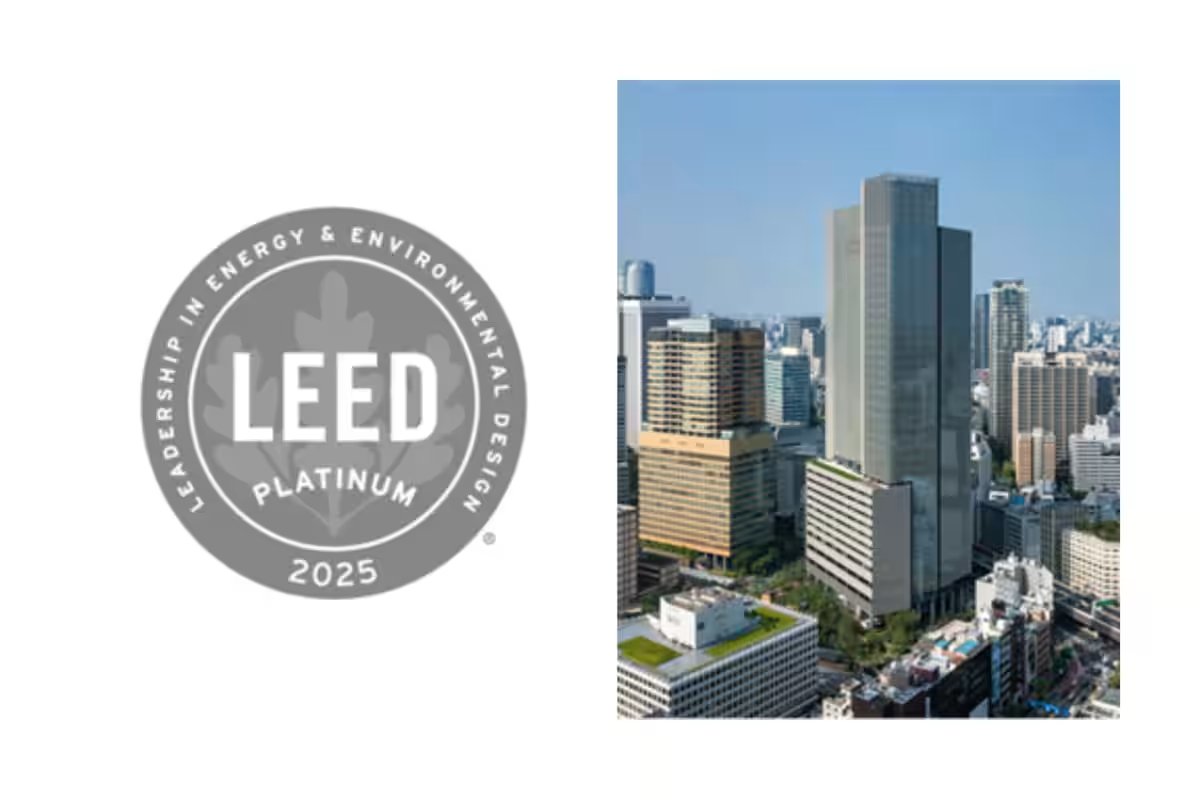
On July 22, 2025, Akasaka Intercity AIR made history by becoming the first large-scale mixed-use building in Japan to receive LEED® O+M (Existing Buildings) Platinum certification. This achievement is supported by Von Erfu Co., Ltd., which provided assistance from the operational phase of the project, highlighting the collaborative efforts to establish sustainable building practices.
The Concept Behind Akasaka Intercity AIR
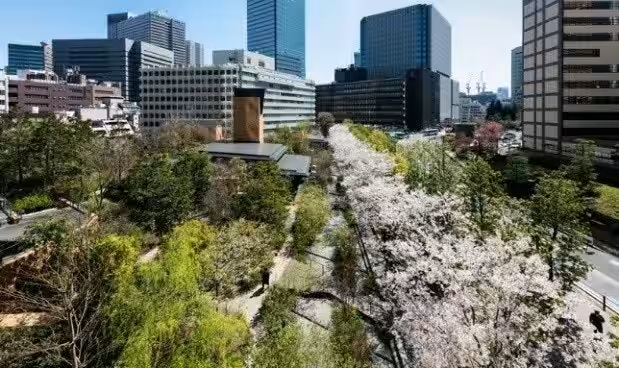
Akasaka Intercity AIR was designed with the vision of creating a safe and comfortable urban environment for everyone—employees, residents, and visitors alike. The developers aimed to integrate green spaces, promote environmental consciousness, and reduce the urban ecological footprint, culminating in a stunning architectural marvel located in the heart of Tokyo.
Environmental Initiatives
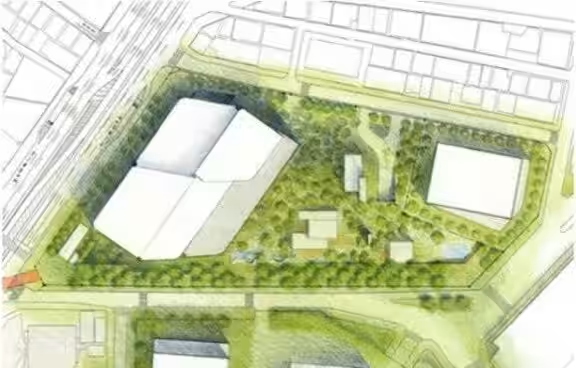
The tower epitomizes cutting-edge urban and environmental design through various endeavors. With high-efficiency equipment, a superior energy management system, the utilization of renewable energy sources, and regenerative water usage, Akasaka Intercity AIR demonstrates exemplary environmental performance. Furthermore, the site management policy emphasizes sustainability and health, integrating over 50% green space that resonates with environmental consciousness. This ecological oasis not only provides a calming contrast to the urban environment but also effectively mitigates the heat island effect and manages rainwater efficiently. The premium features and community-centered initiatives have earned high accolades within the certification system.
Facility Overview
- - Location: 1-8-1 Akasaka, Minato-ku, Tokyo
- - Site Area: 16,088.32 m²
- - Total Floor Area: 178,328.01 m²
- - Height: 205.08 m
- - Structure: 38 stories above ground, 3 levels below, and 1 tower roof
- - Completion date: August 2017
Support from Von Erfu
Von Erfu played a crucial role in facilitating the certification process. The team contributed strategic guidance and support throughout the project, ensuring that the building met the rigorous environmental standards demanded by the LEED® certification. The accomplishment is a testament to the collaborative efforts of all stakeholders involved, including Nittetsu Kowa Real Estate and Akasaka Intercity Management. The commitment and dedication displayed by these entities reflect a commendable aspiration toward sustainability.
LEED® O+M Certification Explained
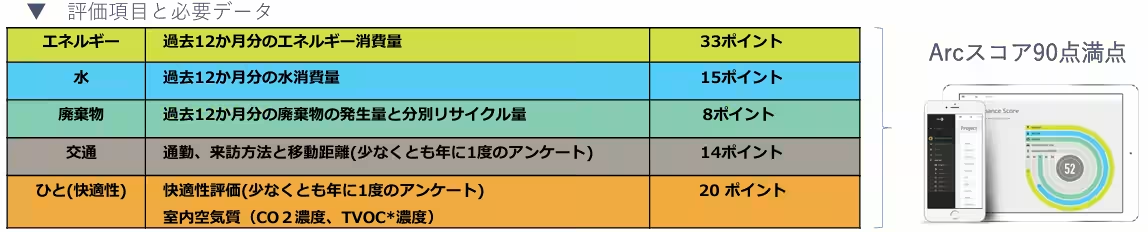
LEED O+M (v4.1) emphasizes improvements in the management and operation of existing buildings while enabling smaller renovations to be evaluated. Unlike newer construction certifications, it offers an accessible scoring system via the Arc platform, which helps gather, manage, and benchmark performance data for buildings. Arc has been adopted in over 47,000 projects globally, demonstrating its credibility in the industry.
Upcoming Deadline for LEED O+M Registration
It's important to note that the registration deadline for LEED v4 and v4.1 will close at the end of Q1 2026. Stakeholders aiming to obtain certification are encouraged to register under the current v4.1 framework before transitioning to the challenging v5. Interested parties should reach out for further assistance with this transition.
Conclusion
The achievement of LEED Platinum certification by Akasaka Intercity AIR symbolizes the beginning of a sustainable era in urban development in Japan. It stands not just as a building, but as an emblem of commitment to environmentally friendly practices and a healthier community. As stakeholders in the real estate sector continue to prioritize sustainable operations, such pioneering advancements set a remarkable standard for future developments.
Contact Information
For inquiries regarding the project or certifications, reach out to us at [email protected] (Project Inquiries: Tanaka, PR: Yamamoto).
About Von Erfu
Founded in April 2006, Von Erfu Co., Ltd. specializes in supporting green building certification acquisition, lifecycle assessments, energy simulations, and environmental strategy development. We aim to ensure that all stakeholders in the real estate sector—including private enterprises, public entities, and educational institutions—can engage in sustainable and healthy asset management.
Topics Consumer Products & Retail)
【About Using Articles】
You can freely use the title and article content by linking to the page where the article is posted.
※ Images cannot be used.
【About Links】
Links are free to use.